Complaint Prayer For Relief In Alameda
Description

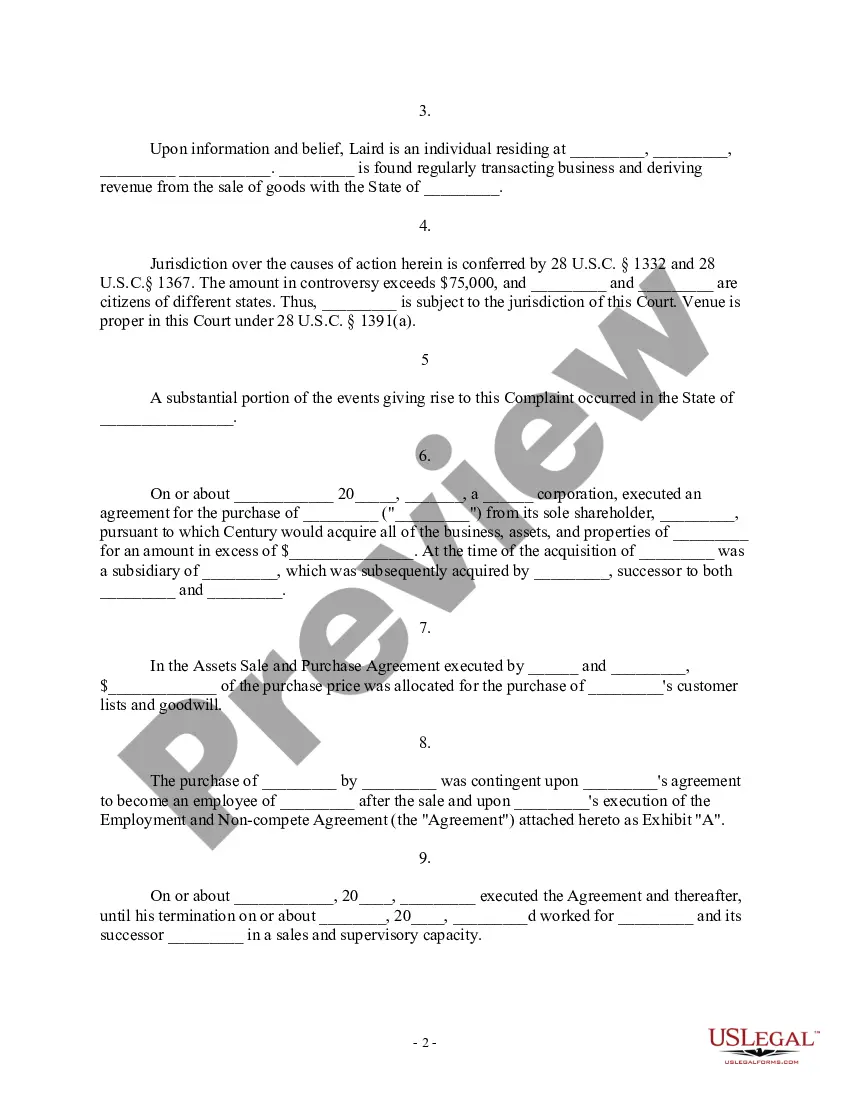
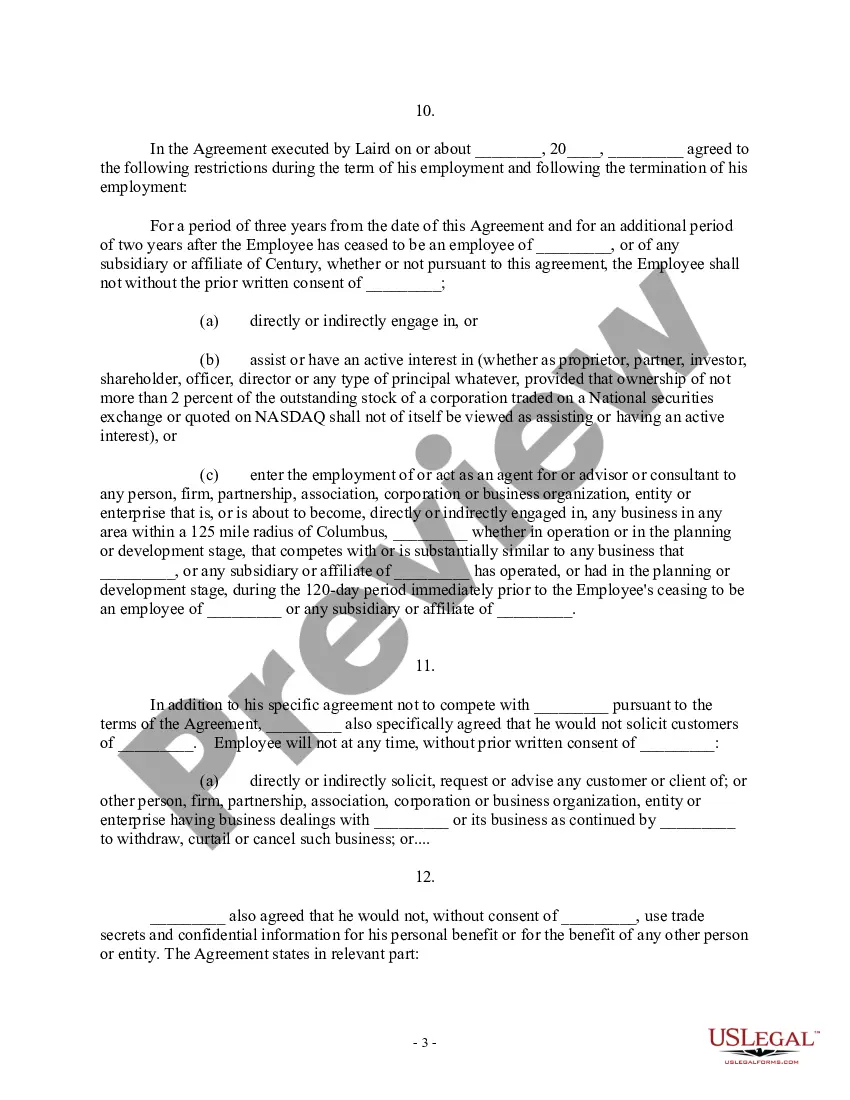
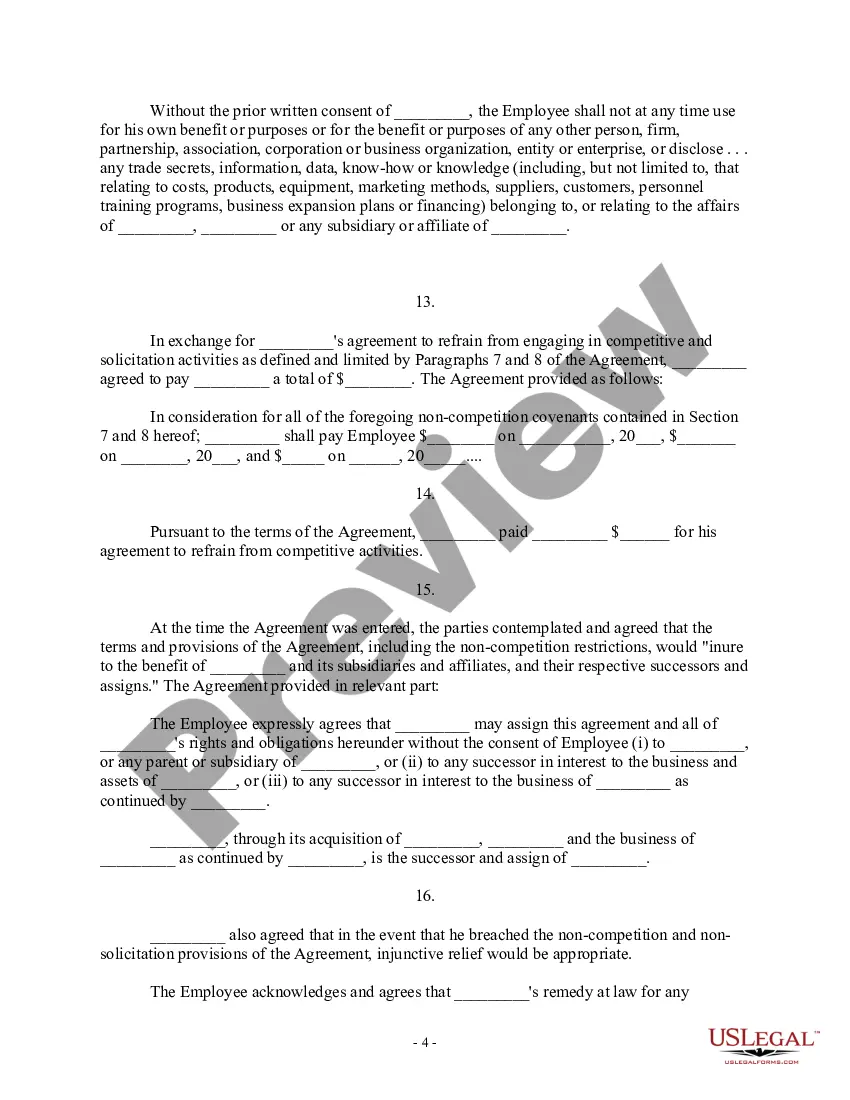
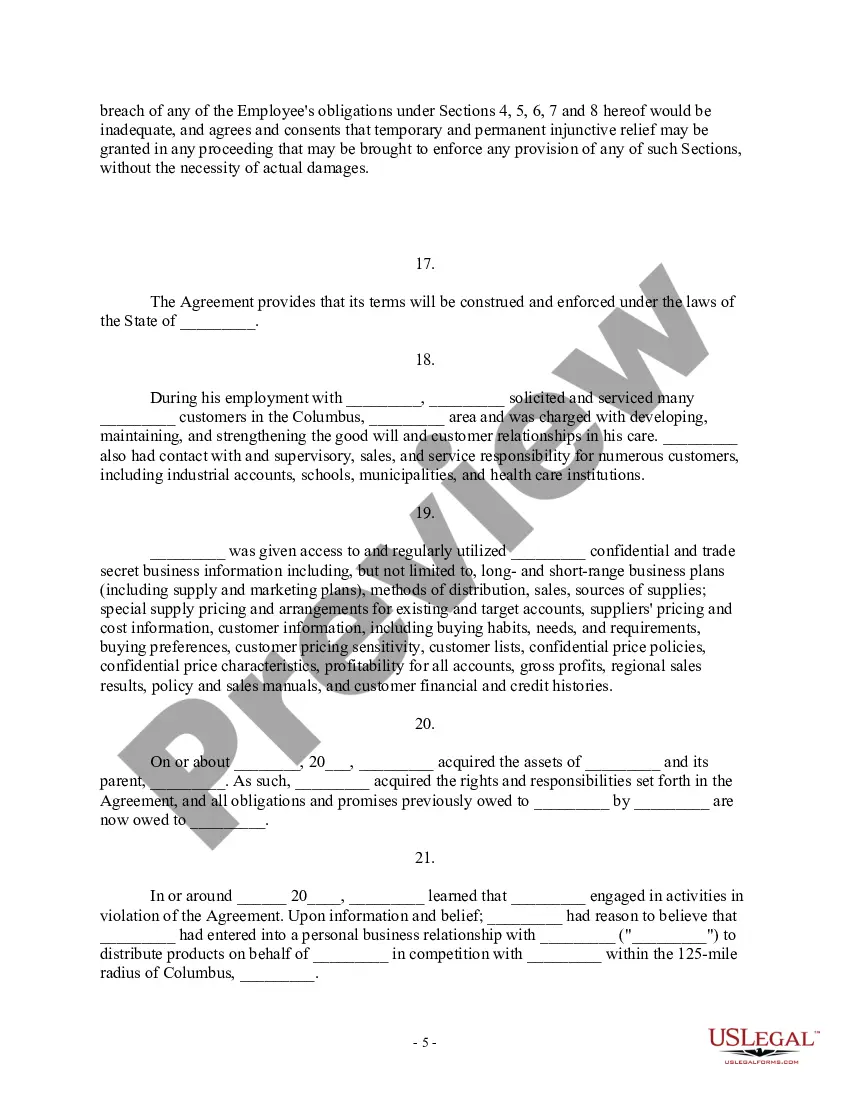
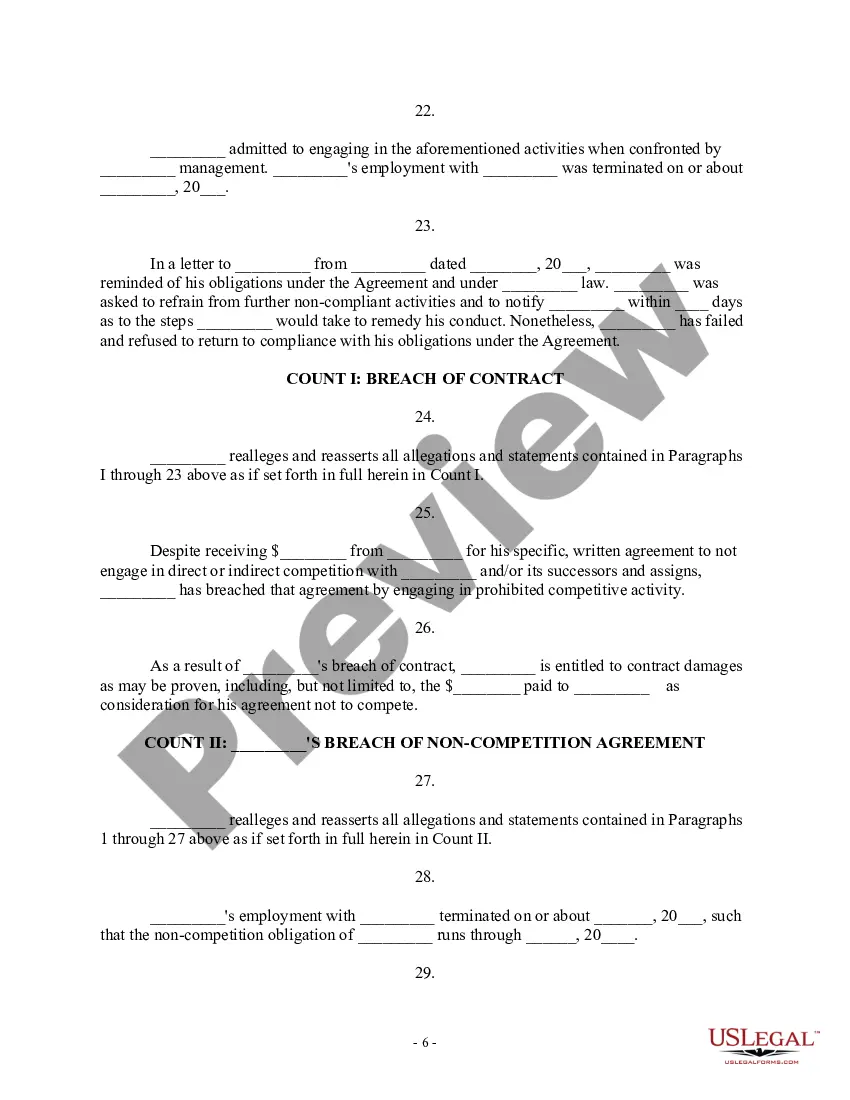
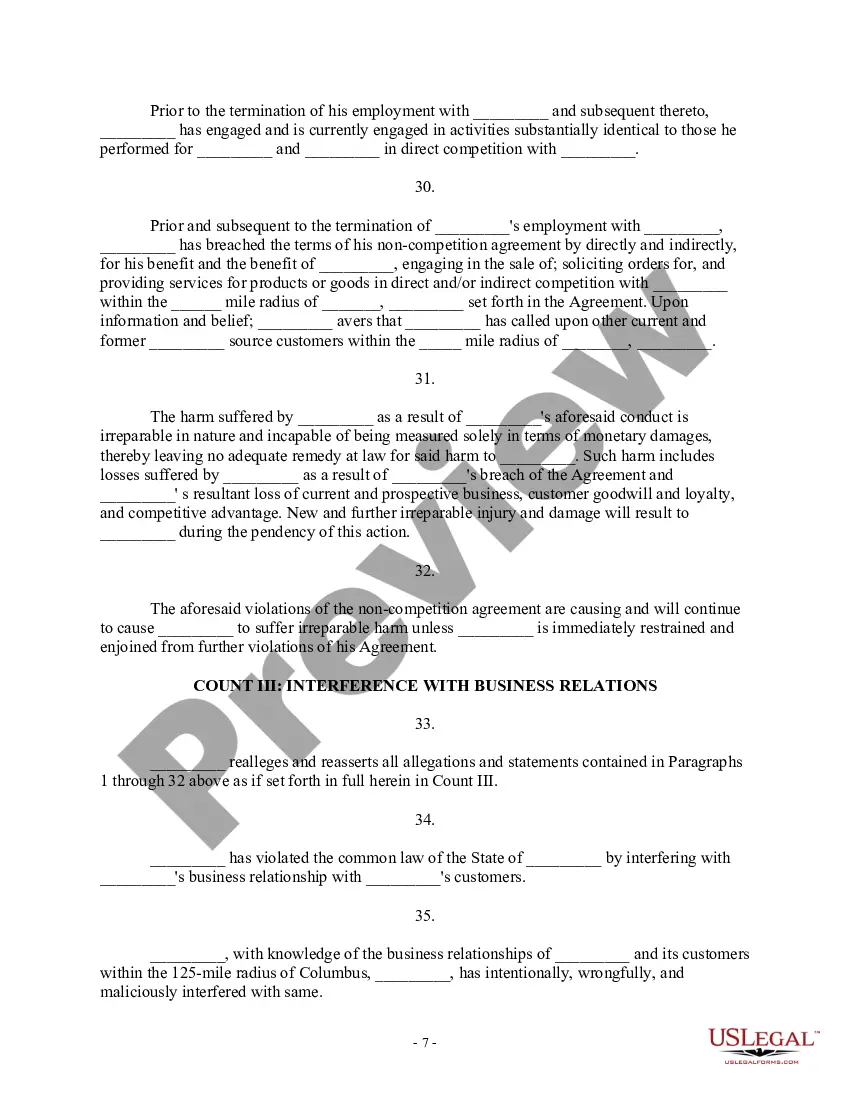
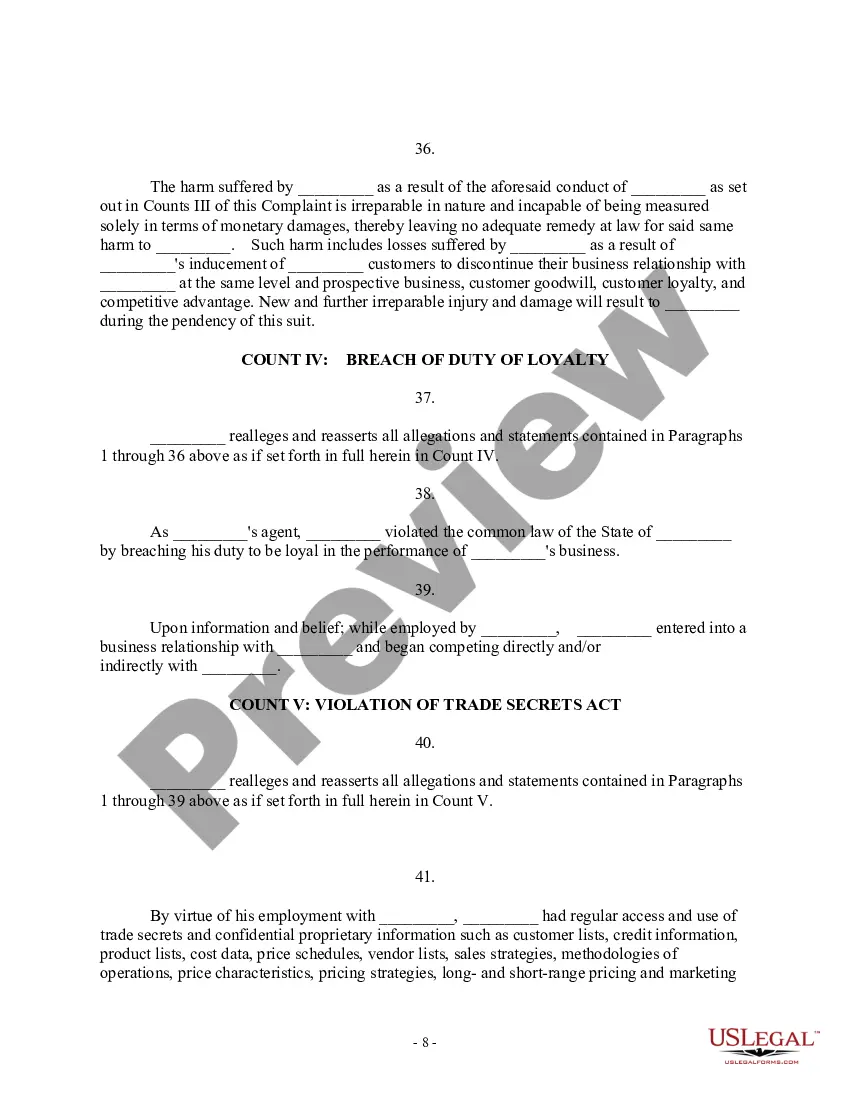

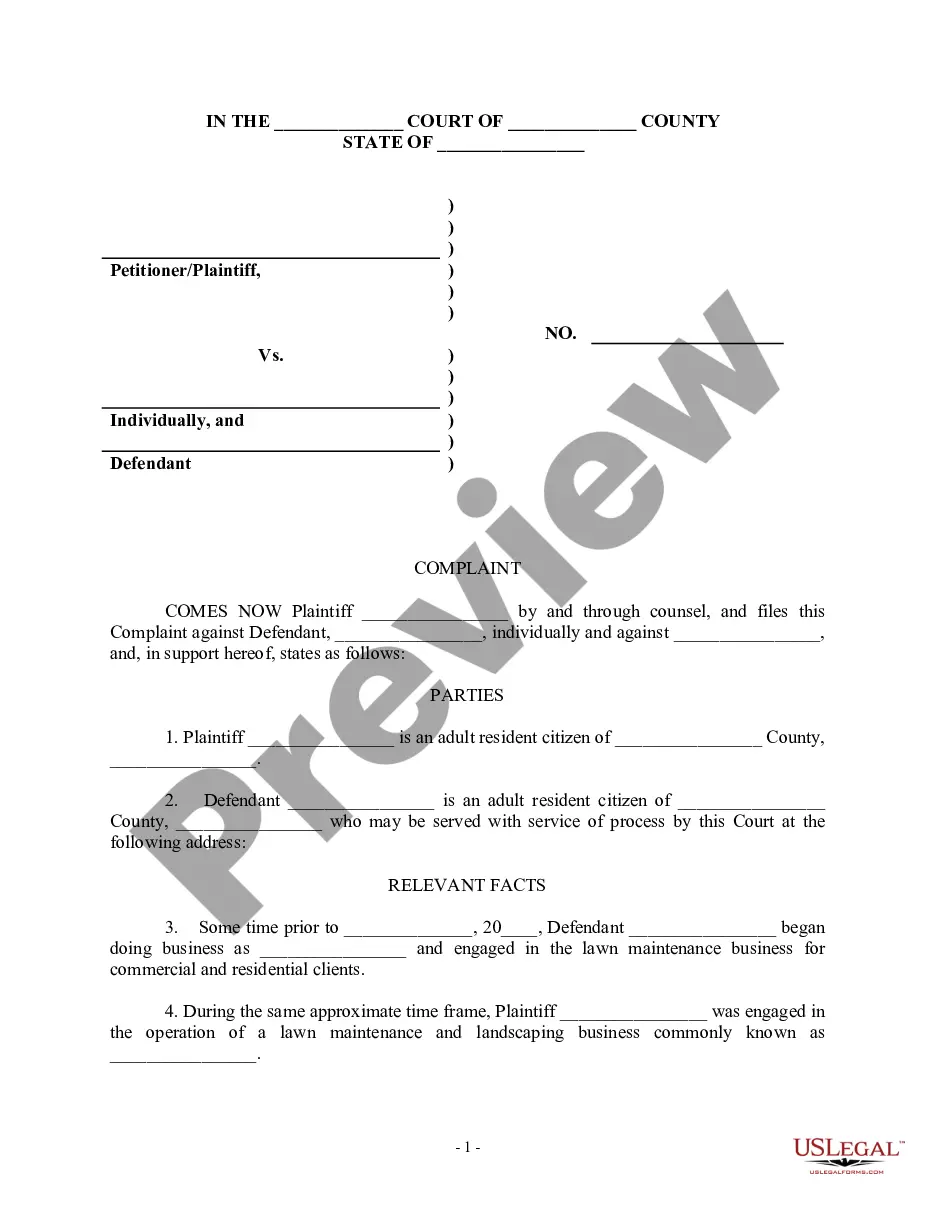



Get your form ready online
Our built-in tools help you complete, sign, share, and store your documents in one place.
Make edits, fill in missing information, and update formatting in US Legal Forms—just like you would in MS Word.
Download a copy, print it, send it by email, or mail it via USPS—whatever works best for your next step.
Sign and collect signatures with our SignNow integration. Send to multiple recipients, set reminders, and more. Go Premium to unlock E-Sign.
If this form requires notarization, complete it online through a secure video call—no need to meet a notary in person or wait for an appointment.
We protect your documents and personal data by following strict security and privacy standards.

Make edits, fill in missing information, and update formatting in US Legal Forms—just like you would in MS Word.

Download a copy, print it, send it by email, or mail it via USPS—whatever works best for your next step.

Sign and collect signatures with our SignNow integration. Send to multiple recipients, set reminders, and more. Go Premium to unlock E-Sign.

If this form requires notarization, complete it online through a secure video call—no need to meet a notary in person or wait for an appointment.

We protect your documents and personal data by following strict security and privacy standards.
Looking for another form?








Form popularity
FAQ
The prayer for relief is the part of complaint where a plaintiff states the damages or other remedies it is seeking from the court in a lawsuit. Federal Rules of Civil Procedure 8(a)(3) requires that a plaintiff's pleadings contains a prayer for relief. The prayer is often located at the end of the complaint.
In an action for a declaratory judgment, the demand for relief in the complaint shall specify the rights and other legal relations on which a declaration is requested and state whether further or consequential relief is or could be claimed and the nature and extent of any such relief which is claimed.
In such cases, a party may seek relief to protect or enforce their legal rights even in the absence of a direct injury. For example, relief can be sought through a declaratory judgment, where a court is asked to determine the legal rights or status of parties without ordering any specific action or awarding damages.
For example, if a person is injured in a car accident, they may file a lawsuit against the driver who caused the accident. In their complaint, they would include a prayer for relief asking for compensation for their medical bills, lost wages, and pain and suffering.
A quick definition of prayer for relief: The prayer for relief is a part of a complaint where the person who is suing (called the plaintiff) tells the court what they want the court to do to help them. This is required by the rules of the court.
The prayer for relief is the part of complaint where a plaintiff states the damages or other remedies it is seeking from the court in a lawsuit. Federal Rules of Civil Procedure 8(a)(3) requires that a plaintiff's pleadings contains a prayer for relief. The prayer is often located at the end of the complaint.
Demurrers typically come in two forms: general and specific. A general demurrer challenges a broader problem with a pleading that affects all of the claims brought, such as improper venue.
Under Code of Civil Procedure section 430.10, the grounds for a demurrer to a complaint or cross-complaint are the following: The court has no jurisdiction of the subject matter of the cause of action alleged in the pleading. The pleading does not state facts sufficient to constitute a cause of action.
Uncertainty Resulting in a Lack of Notice, Penal Code section 1004(2) – A demurrer is the proper way to challenge the pleading on the grounds that it lacks specificity and does not contain sufficient information about the alleged crime to give the defendant proper notice of what he or she is accused of.
A party filing a demurrer must serve and file therewith a notice of hearing that must specify a hearing date in ance with the provisions of Code of Civil Procedure section 1005 and, if service is by electronic means, in ance with the requirements of Code of Civil Procedure section 1010.6(a)(4) and rule ...
