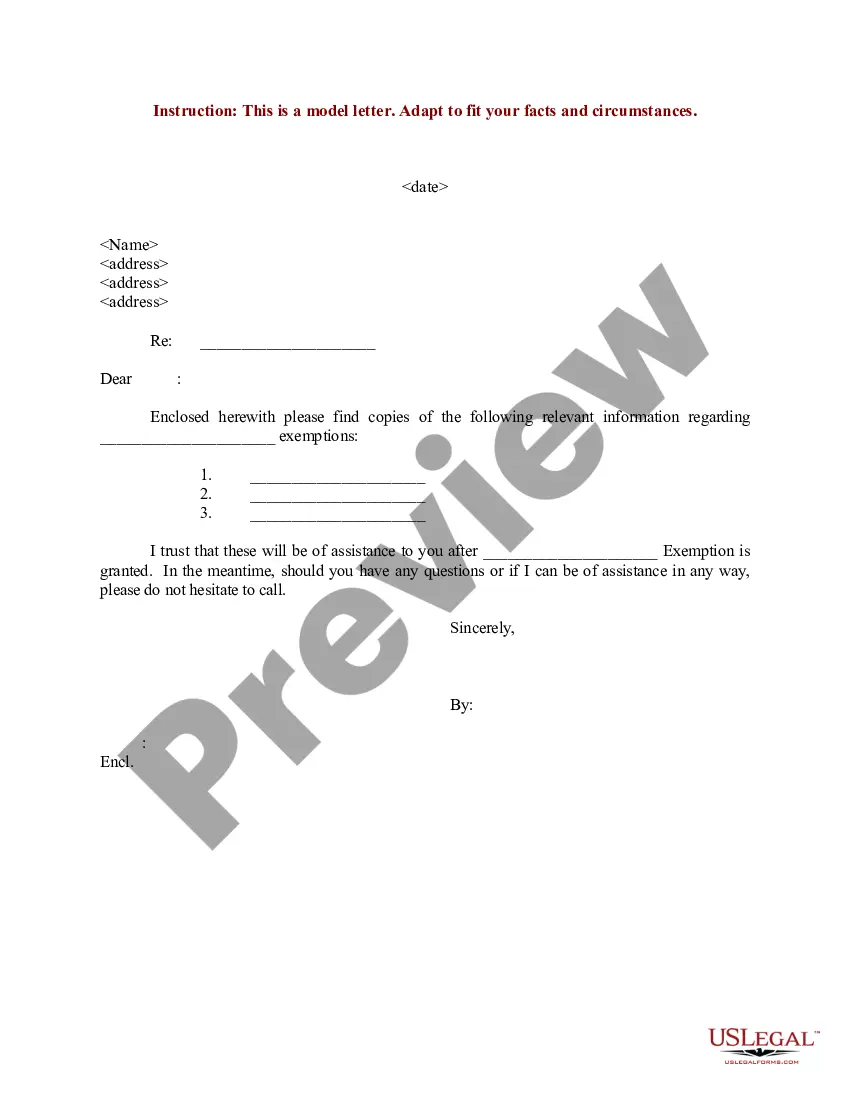
Sample Exemption Letter For Jury Duty In Utah
Description
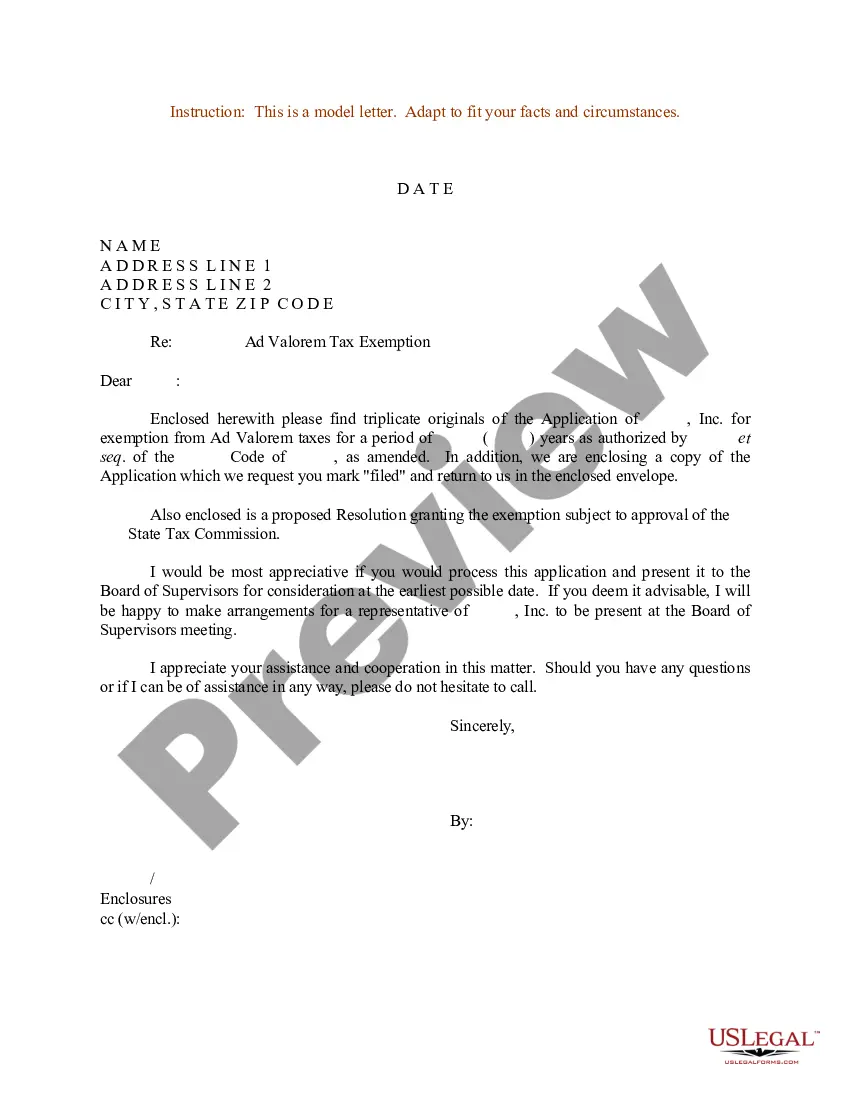
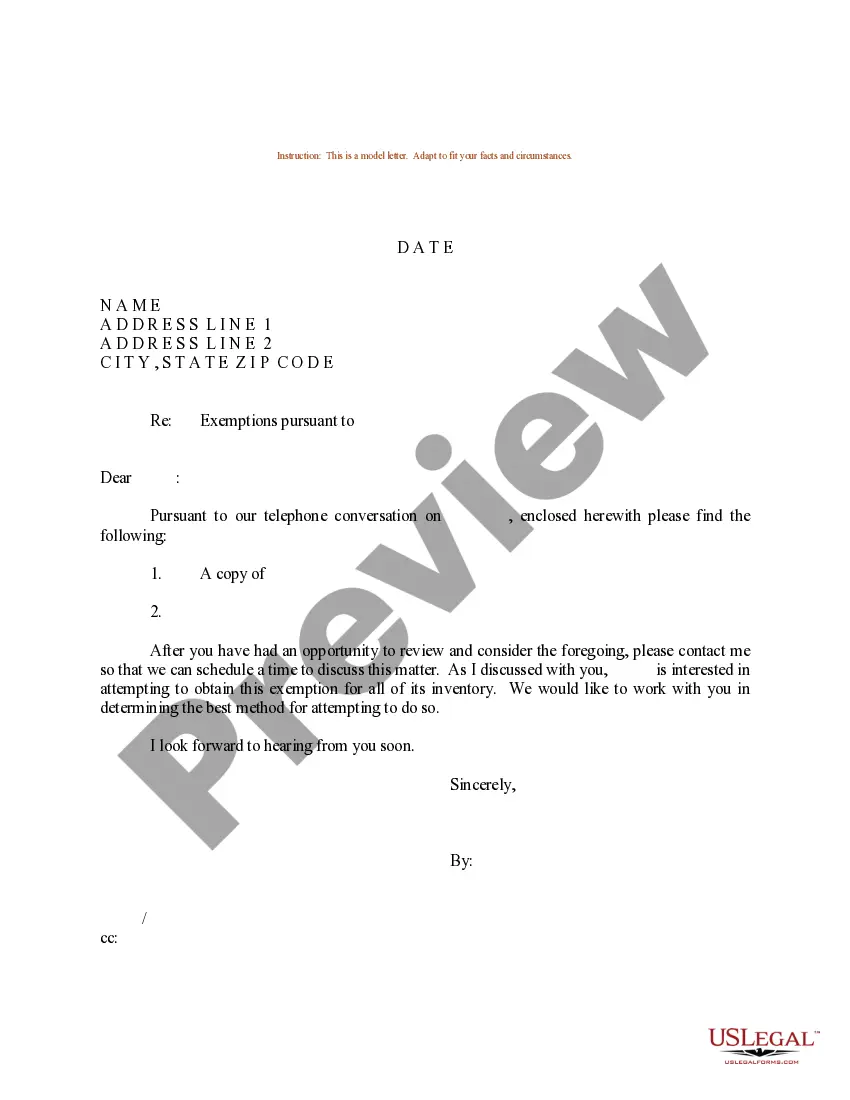
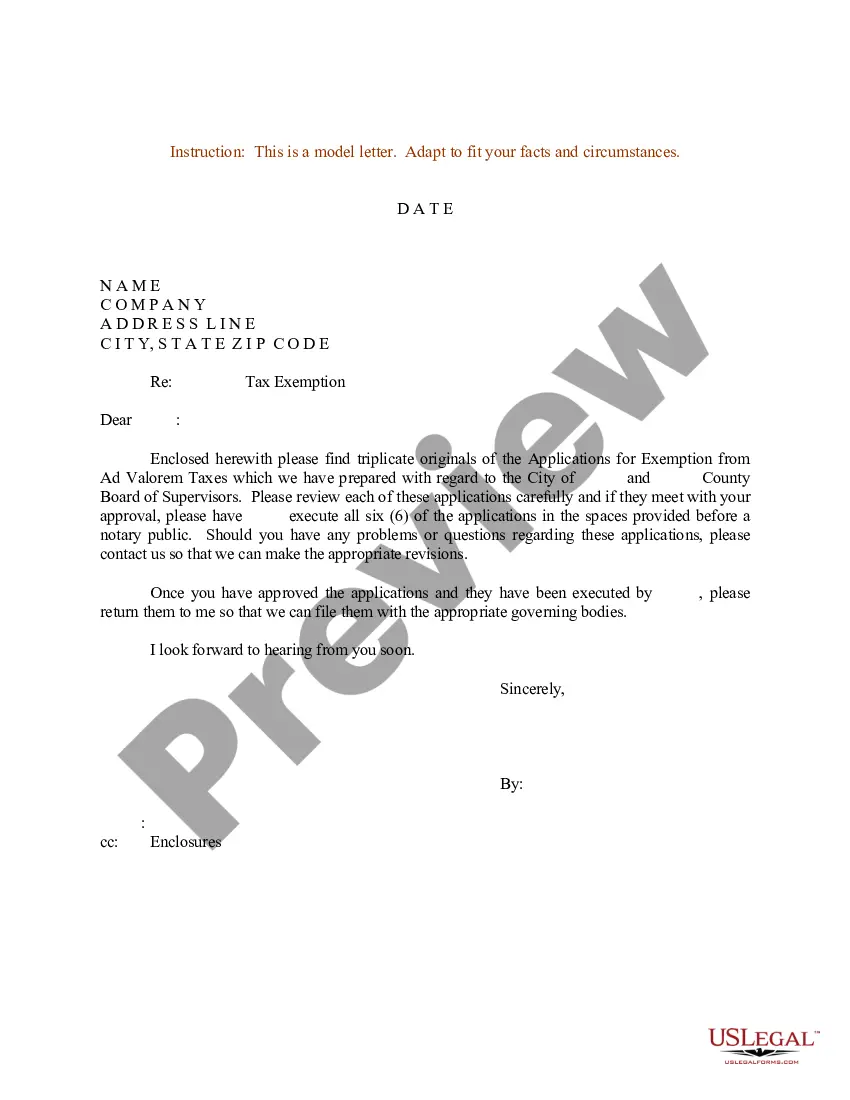
Get your form ready online
Our built-in tools help you complete, sign, share, and store your documents in one place.
Make edits, fill in missing information, and update formatting in US Legal Forms—just like you would in MS Word.
Download a copy, print it, send it by email, or mail it via USPS—whatever works best for your next step.
Sign and collect signatures with our SignNow integration. Send to multiple recipients, set reminders, and more. Go Premium to unlock E-Sign.
If this form requires notarization, complete it online through a secure video call—no need to meet a notary in person or wait for an appointment.
We protect your documents and personal data by following strict security and privacy standards.

Make edits, fill in missing information, and update formatting in US Legal Forms—just like you would in MS Word.

Download a copy, print it, send it by email, or mail it via USPS—whatever works best for your next step.

Sign and collect signatures with our SignNow integration. Send to multiple recipients, set reminders, and more. Go Premium to unlock E-Sign.

If this form requires notarization, complete it online through a secure video call—no need to meet a notary in person or wait for an appointment.

We protect your documents and personal data by following strict security and privacy standards.
Looking for another form?





Form popularity
FAQ
If you do not fill out the Juror Questionnaire you may be ordered to appear before a Judge to explain why you failed to fulfill your legal obligation, penalties include $1,000 fine, imprisonment up to 3 days, community service or any combination thereof.
A prospective juror may be excused if he/she: Has a physical or mental disability that would prevent him/her from serving. Must provide actual and necessary care for another and alternate arrangements are not feasible. Is unable to read or understand the English language. Over 75 years of age.
As such, only a judge can excuse you from jury duty. Your employer must allow you time off to serve on a jury. Judges can excuse you for public necessity, extreme inconvenience or if you are incapable of jury service. Clerks can sometimes, but not always, accommodate your needs when scheduling you to serve on a jury.
Everyone is inconvenienced to some degree by jury service, but for the system to work, people from all walks of life must be willing to serve. Those who refuse to complete the juror questionnaire or refuse to appear when called to serve are subject to fines and jail time for contempt of court.
Private issues are another way to get removed from a jury. Examples are overactive bladder issues, attention deficit disorder, mental health issues, cognitive delays, health concerns, pregnancy, and so on. You may have been the victim of a crime and being in another courtroom is traumatic for you.
You should be able to contact the jury management office or the clerk of courts and see if there's a way to postpone or be excused due to hardship cases. If they don't allow that, then you likely will have to wait to see what happens in jury selection and make your case there.
Anyone who has a strong opinion that relates to the case will generally receive a dismissal. For example, a potential juror might believe that women are bad drivers. In a case involving a female driver, the defense attorney will request that individual's dismissal from the case.
Don't lose your temper, try to bully, or refuse to listen to the opinions of other jurors. Don't mark or write on exhibits or otherwise change or injure them.
Don't lose your temper, try to bully, or refuse to listen to the opinions of other jurors. Don't mark or write on exhibits or otherwise change or injure them.
Some notable examples of jury misconduct in California include: Speaking to outside parties about the case at hand; Conducting unapproved, independent research about the case; Conspiring with other members of the jury in an inappropriate manner; and.