Sample Bonus Template With Calculator In New York
Description
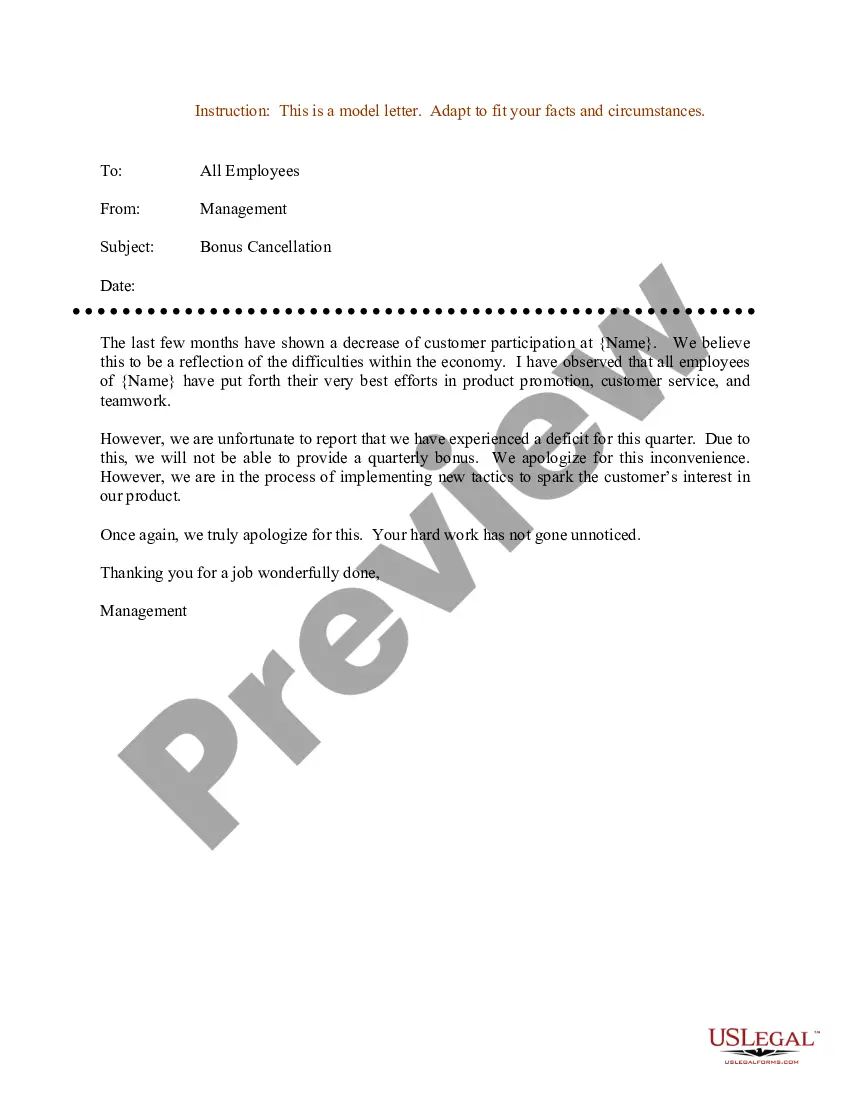

Get your form ready online
Our built-in tools help you complete, sign, share, and store your documents in one place.
Make edits, fill in missing information, and update formatting in US Legal Forms—just like you would in MS Word.
Download a copy, print it, send it by email, or mail it via USPS—whatever works best for your next step.
Sign and collect signatures with our SignNow integration. Send to multiple recipients, set reminders, and more. Go Premium to unlock E-Sign.
If this form requires notarization, complete it online through a secure video call—no need to meet a notary in person or wait for an appointment.
We protect your documents and personal data by following strict security and privacy standards.

Make edits, fill in missing information, and update formatting in US Legal Forms—just like you would in MS Word.

Download a copy, print it, send it by email, or mail it via USPS—whatever works best for your next step.

Sign and collect signatures with our SignNow integration. Send to multiple recipients, set reminders, and more. Go Premium to unlock E-Sign.

If this form requires notarization, complete it online through a secure video call—no need to meet a notary in person or wait for an appointment.

We protect your documents and personal data by following strict security and privacy standards.
Looking for another form?
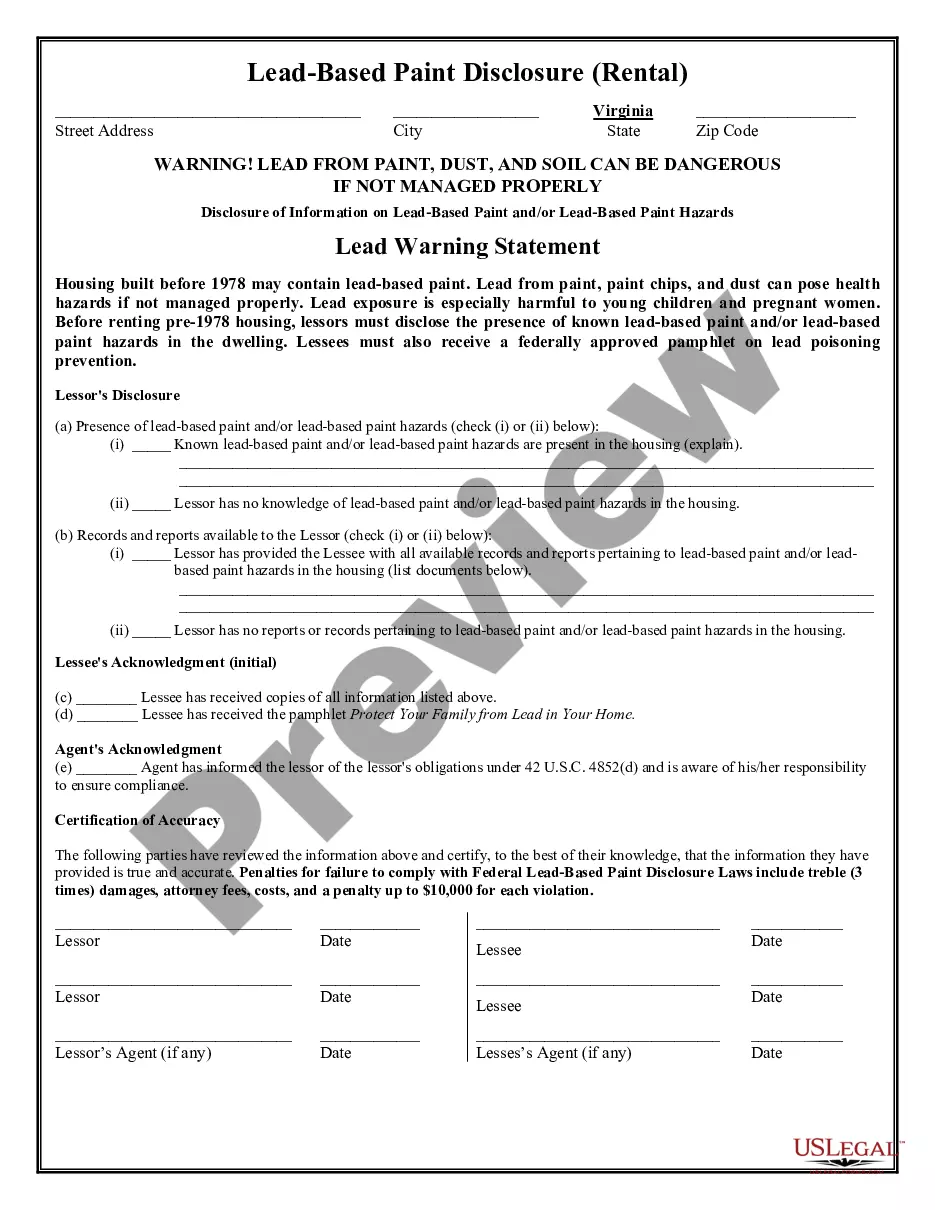
Form popularity
FAQ
Here are some key factors to consider: Alignment with company goals: The bonus structure should be aligned with the overall goals and objectives of the company. Fairness and equity: The bonus structure should be fair and equitable, with clear and transparent criteria for determining eligibility and payouts.
One of the most common types of bonus is an annual bonus, which employers give out once a year. Annual bonuses are usually based on your overall performance, although companies who use profit-sharing rewards may distribute bonuses based on company success and profits.
The bonus is calculated as follows: If the salary of an employee is less than or equal to Rs. 7000, the bonus calculation is calculated using the formula: Bonus = Salary x 8.33/100.
What is the percentage method for bonuses? The percentage method is used if your bonus comes in a separate check from your regular paycheck. Your employer withholds a flat 22% (or 37% if over $1 million).
The formula for the calculation of bonus is simple: Applicable Bonus = Your Salary x 8.33/100. Applicable Bonus = 7,000 x 8.33/100. Bonus Amount Eligible = 15,000 x 8.33/100. Source:
Bonus Calculation: Basic Salary + DA < 7,000, then in such cases, Bonus Payable = (Basic Salary + DA) Amount %, either 8.33% (establishment is supposed to give even in case of deficit) or could go up to 20% Basic Salary + DA > 7000, then in such cases, Bonus Payable= Rs.
The percentage method Your total bonuses for the year get taxed at a 22% flat rate if they're under $1 million. If your total bonuses are higher than $1 million, the first $1 million gets taxed at 22%, and every dollar over that gets taxed at 37%.
The federal bonus tax withholding rate is typically 22%. However, employers could instead combine a bonus with your regular wages as though it's one of your usual paychecks—with your usual tax amount withheld. There are ways to reduce the tax impact of your bonus.
