Sample Bonus Template For Retention In King
Description
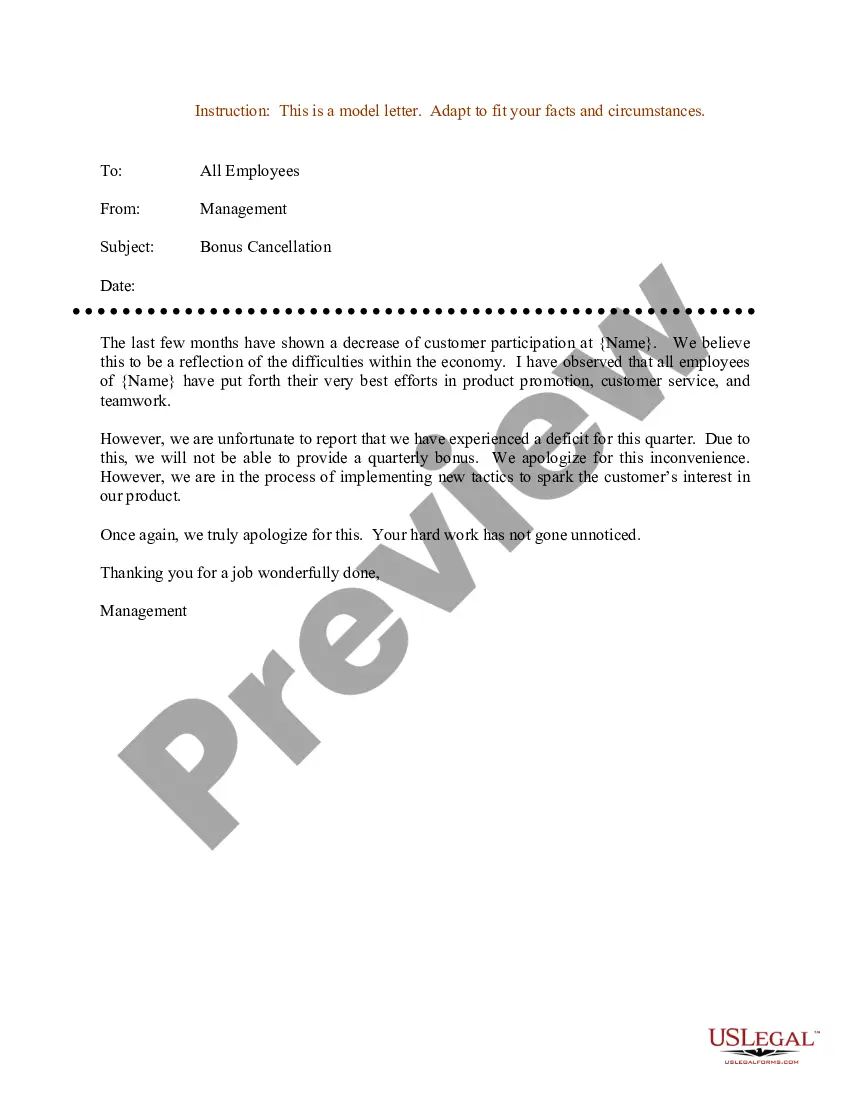
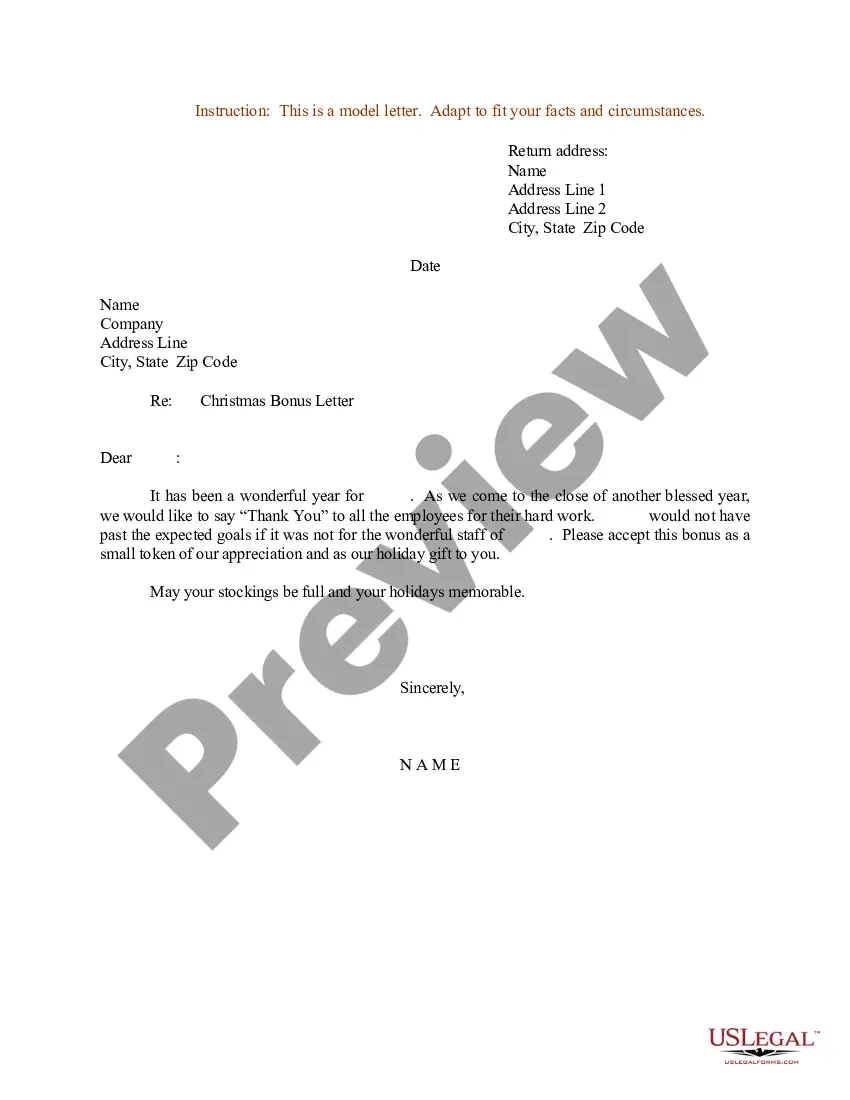
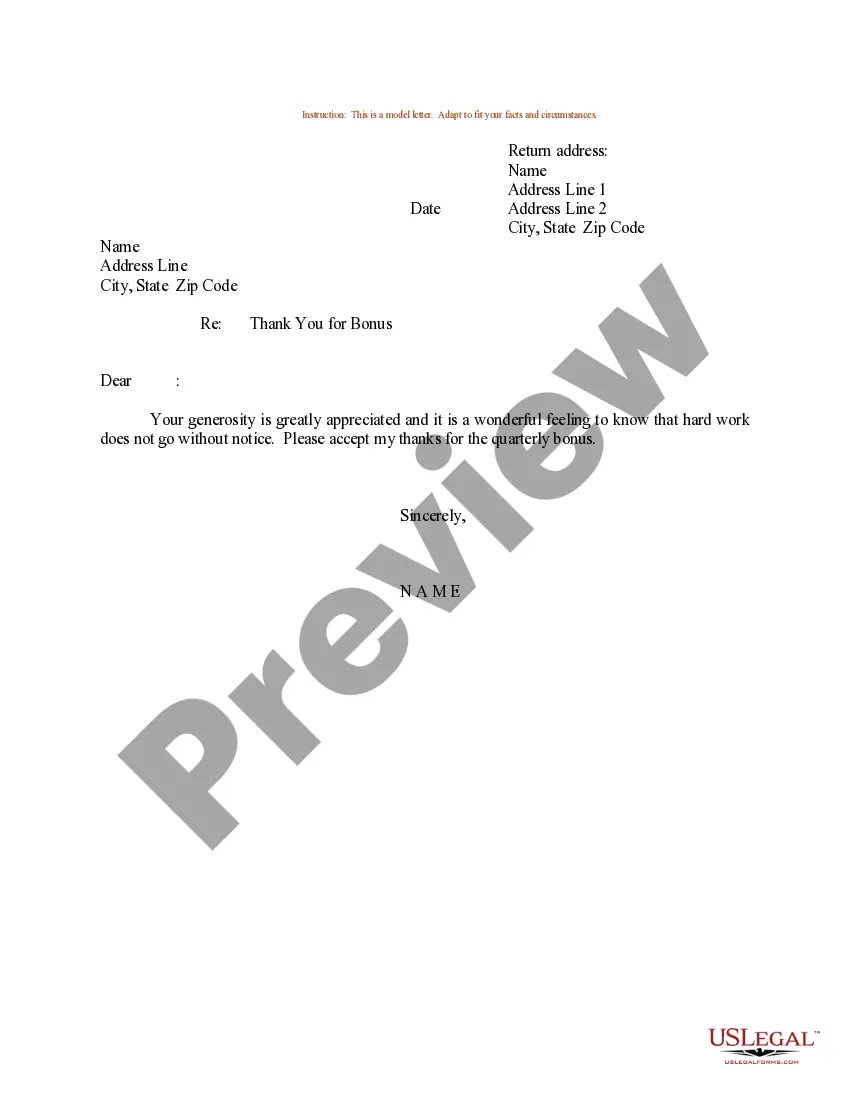
Get your form ready online
Our built-in tools help you complete, sign, share, and store your documents in one place.
Make edits, fill in missing information, and update formatting in US Legal Forms—just like you would in MS Word.
Download a copy, print it, send it by email, or mail it via USPS—whatever works best for your next step.
Sign and collect signatures with our SignNow integration. Send to multiple recipients, set reminders, and more. Go Premium to unlock E-Sign.
If this form requires notarization, complete it online through a secure video call—no need to meet a notary in person or wait for an appointment.
We protect your documents and personal data by following strict security and privacy standards.

Make edits, fill in missing information, and update formatting in US Legal Forms—just like you would in MS Word.

Download a copy, print it, send it by email, or mail it via USPS—whatever works best for your next step.

Sign and collect signatures with our SignNow integration. Send to multiple recipients, set reminders, and more. Go Premium to unlock E-Sign.

If this form requires notarization, complete it online through a secure video call—no need to meet a notary in person or wait for an appointment.

We protect your documents and personal data by following strict security and privacy standards.
Looking for another form?





Form popularity
FAQ
The lesson is this: In proposing a retention bonus or agreement to your employer, you should first emphasize (a) why it would be in the interests of the employer, and, then (b) what benefit will come about to the employer if it offers the retention bonus.
The formula used for the calculation of bonus is as follows: Applicable Bonus = Your Salary x 8.33/100.
This requires clear communication in writing about the following: The retention period the employee is agreeing to by staying with the company. The value of the retention bonus that is being provided, and how the calculation was made and based on what factors.
Examples of retention bonuses in this category include bonuses tied to sales targets or project milestones. Project-Specific Retention Bonus: In cases where an employee's contribution is vital to the completion of a critical project, a project-specific retention bonus may be offered.
Another common “red flag” in a retention agreement is the stipulation that the employee's receipt of the bonus will be determined in the employer's “sole discretion.” You do not want to put this type of power in your employer's hands.
Generally speaking, a retention bonus ranges from 25-95% of the employee's base salary. The company must offer an amount that is meaningful to the employee for it to properly incentivize him/her to sign the retention contract.
8 reasons why you may use a retention bonus The company is going through change (merger or acquisition) or tough times: It is tempting for a valued employee to look elsewhere when there is uncertainty about the future of the business. A retention bonus is a step to encourage loyalty and faith in the company.
The typical bonus amount can range from 1% to 15% of an employee's salary, usually depending on a number of factors such as industry, company performance, and individual or team accomplishments. The average bonus for employees continues to rise over time. In 2020, the average employee bonus was only 8.1%.

