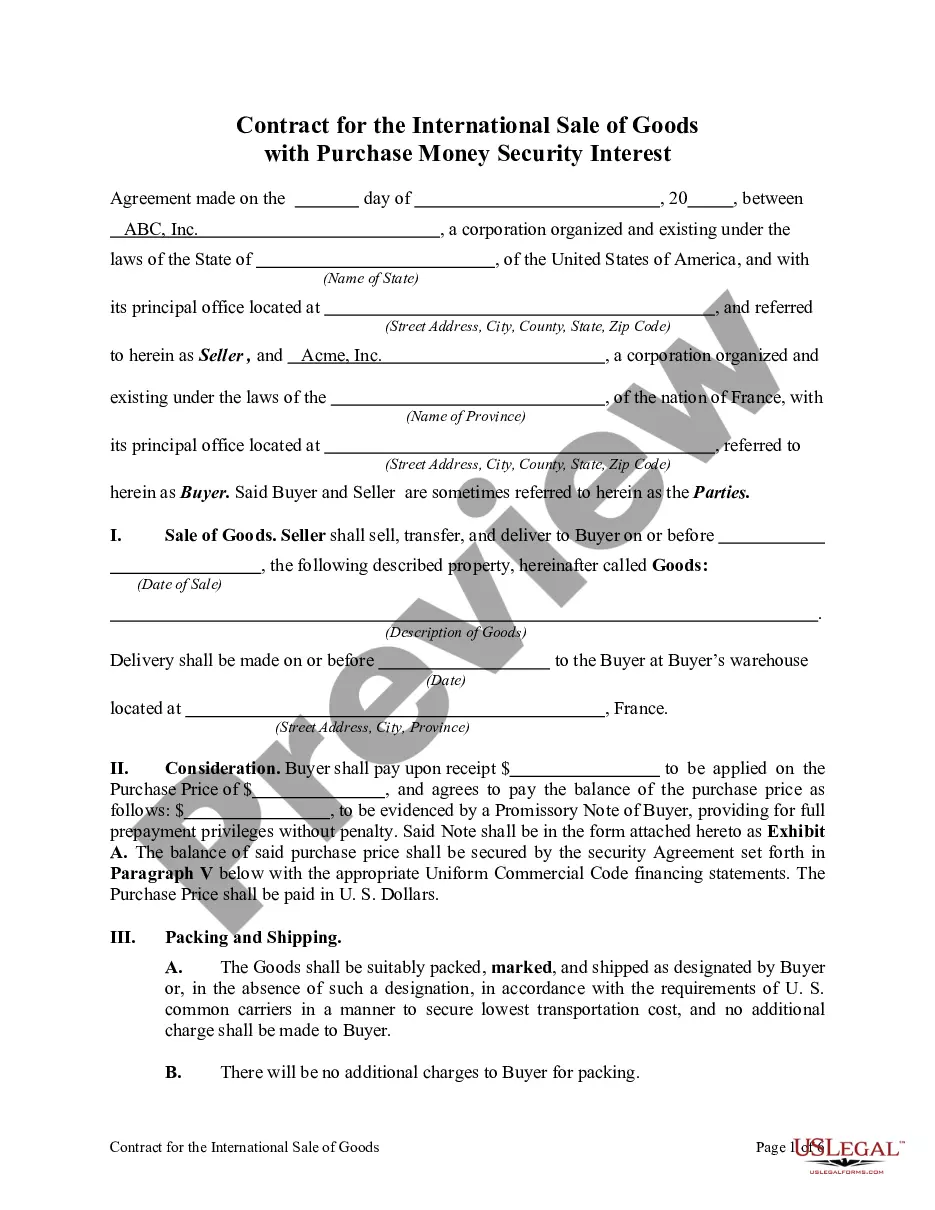
Sale Goods With Formula In Washington
Description


Get your form ready online
Our built-in tools help you complete, sign, share, and store your documents in one place.
Make edits, fill in missing information, and update formatting in US Legal Forms—just like you would in MS Word.
Download a copy, print it, send it by email, or mail it via USPS—whatever works best for your next step.
Sign and collect signatures with our SignNow integration. Send to multiple recipients, set reminders, and more. Go Premium to unlock E-Sign.
If this form requires notarization, complete it online through a secure video call—no need to meet a notary in person or wait for an appointment.
We protect your documents and personal data by following strict security and privacy standards.

Make edits, fill in missing information, and update formatting in US Legal Forms—just like you would in MS Word.

Download a copy, print it, send it by email, or mail it via USPS—whatever works best for your next step.

Sign and collect signatures with our SignNow integration. Send to multiple recipients, set reminders, and more. Go Premium to unlock E-Sign.

If this form requires notarization, complete it online through a secure video call—no need to meet a notary in person or wait for an appointment.

We protect your documents and personal data by following strict security and privacy standards.
Looking for another form?
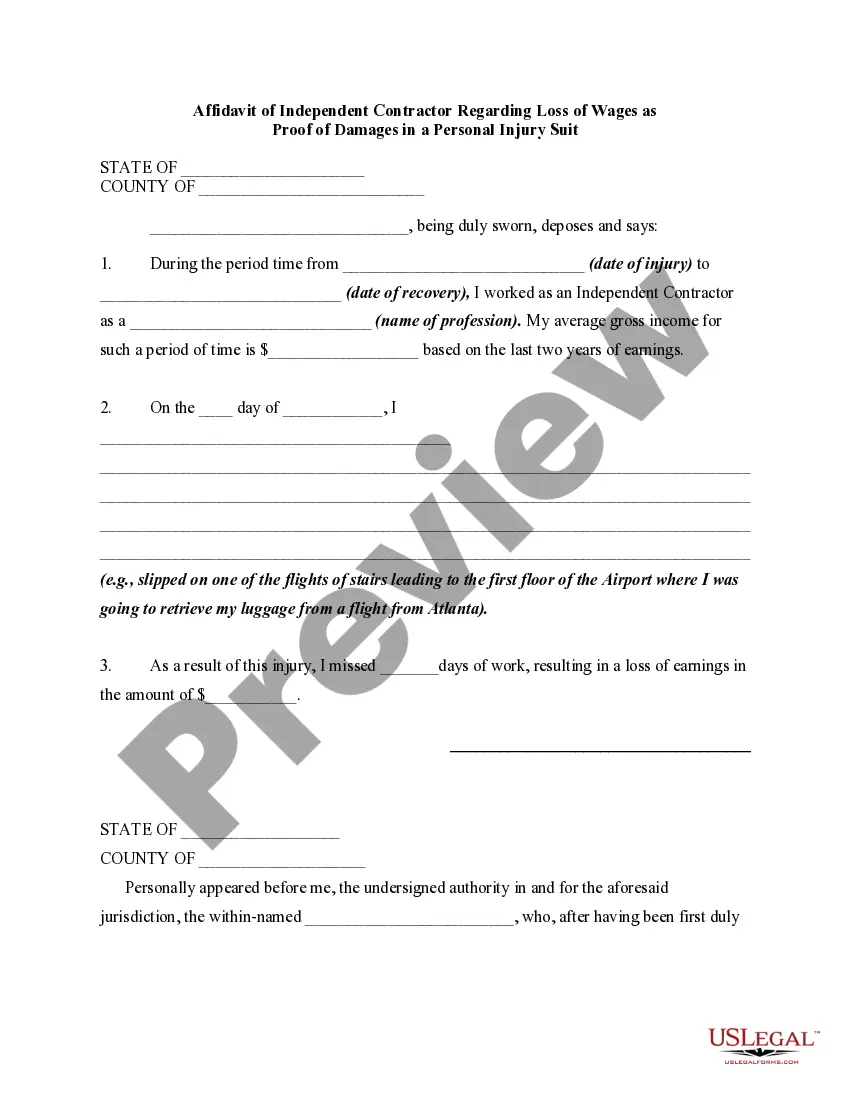
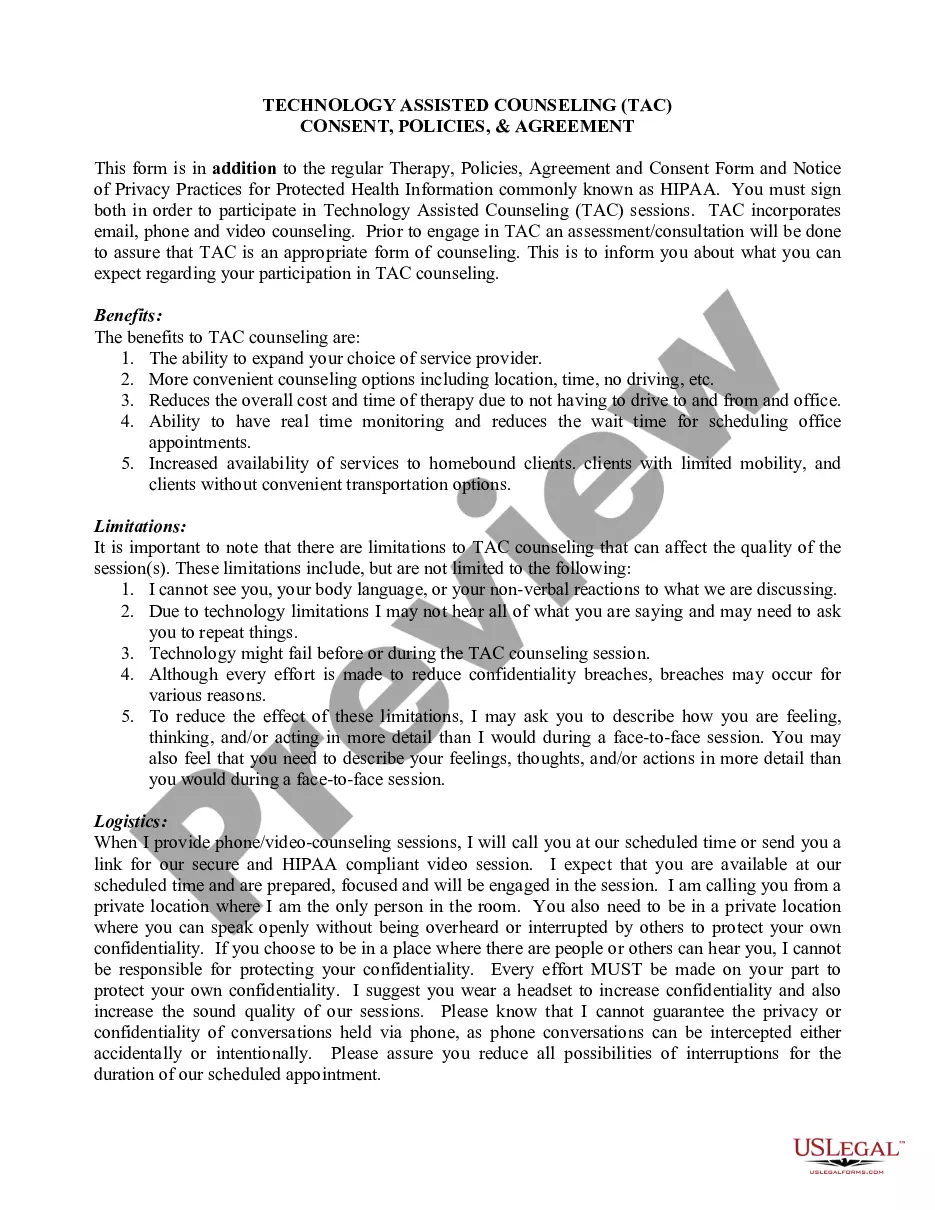
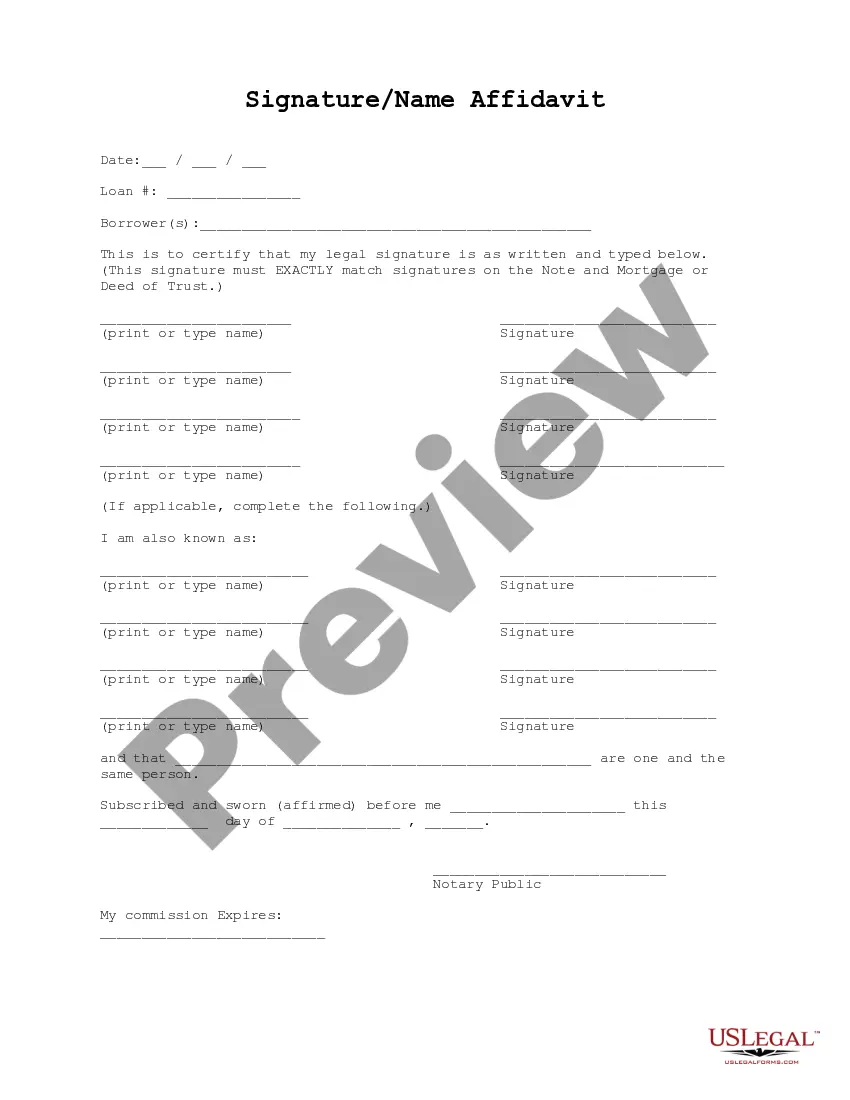
Form popularity
FAQ
Washington's retail sales tax is made up of the state rate (6.5 percent) and the local sale tax rate. Local rates vary depending on the location. The sales tax rate for items delivered to the customer at the store location (over the counter sales) is based on the store location.
You must collect retail sales tax from all of your nonresident customers, unless the customer or sale qualifies for another exemption. See our list of common nonresident exemptions for more information and related documentation requirements.
Sales Tax Calculation To calculate the true sales revenue, we divide the total receipts (for the items that are subject to sales tax) by “1 + the sales tax rate”. If the sales tax rate is 6%, we divide the sales taxable receipts by 1.06. If the sales tax rate is 7.25%, divide the sales taxable receipts by 1.0725.
Washington law exempts most grocery type food from retail sales tax. However, the law does not exempt “prepared food,” “soft drinks,” or “dietary supplements.” Businesses that sell these “foods” must collect sales tax. In addition, all alcoholic items are subject to retail sales tax.
The State of Washington imposes a 6.5% sales tax on all retail sales as defined by statute (RCW 82.08. 020). Cities, towns, counties, transit districts, and public facilities, districts may impose additional local sales taxes as described below.
Sales of prepared food Washington law exempts most grocery type food from retail sales tax. However, the law does not exempt “prepared food,” “soft drinks,” or “dietary supplements.” Businesses that sell these “foods” must collect sales tax.
Perhaps the most visible exemptions for consumers are prescription drugs (RCW 82.08. 0281) and groceries (RCW 82.08. 0293), although alcohol, restaurant meals, and prepared foods sold in grocery stores are taxable.
Tax exempt food and beverages include: Fresh fruit/vegetables. Bakery items sold without a utensil. Other bottled or canned beverages containing over 50 percent fruit or vegetable juice, or milk, milk product, or milk substitute.
The Wholesaling B&O tax rate is 0.484 percent (0.00484) of your gross receipts. If you are selling items at wholesale you must receive a reseller permit from the buyer. Keep the reseller permit in your records for five years.
Cold food products Sales of “cold food products” such as produce, candy, cold sandwiches, baked goods, ice cream, and snack foods are generally not taxable (for exceptions see “Combination packages”).
