Sale Goods With Formula In Texas
Description

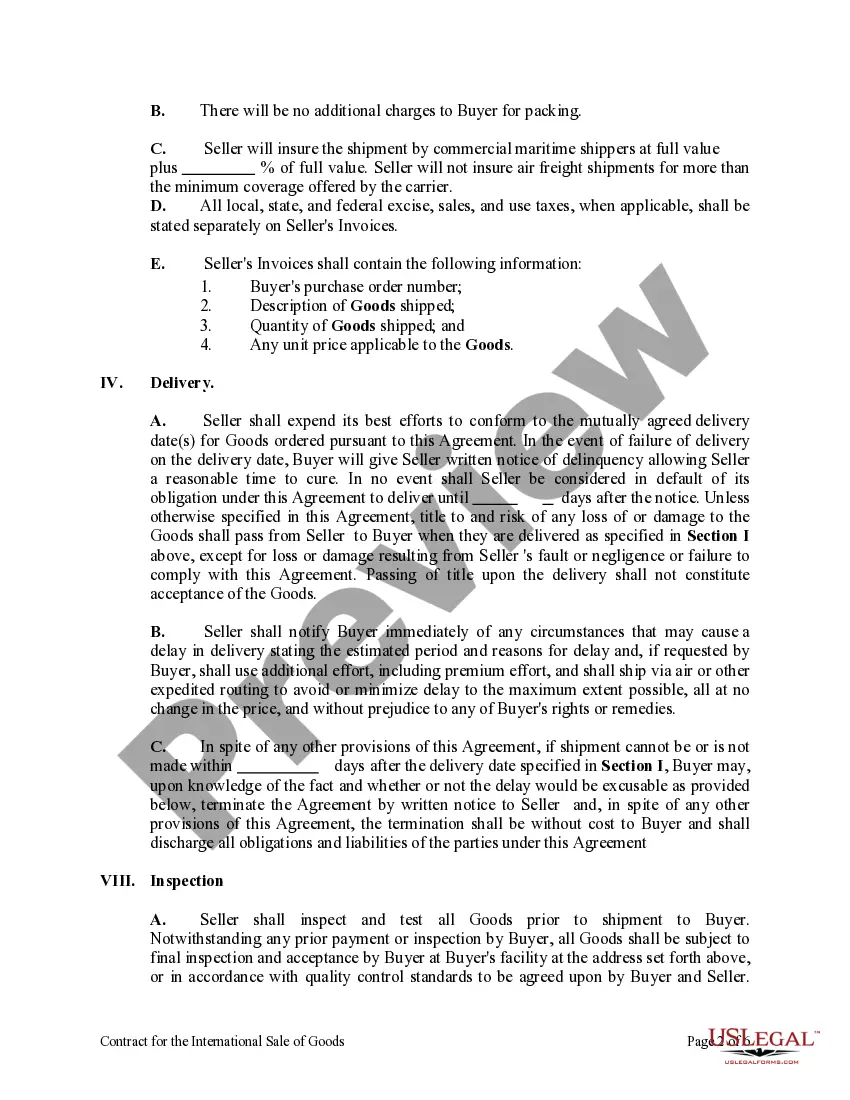
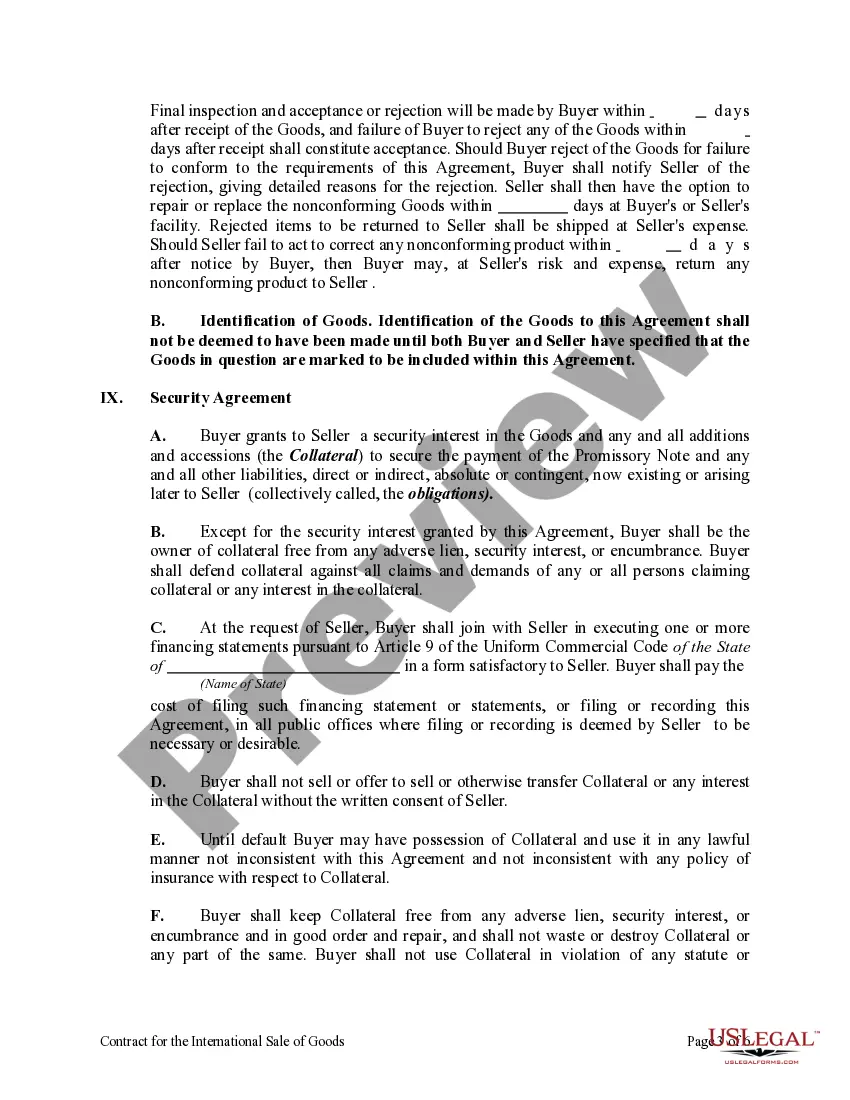
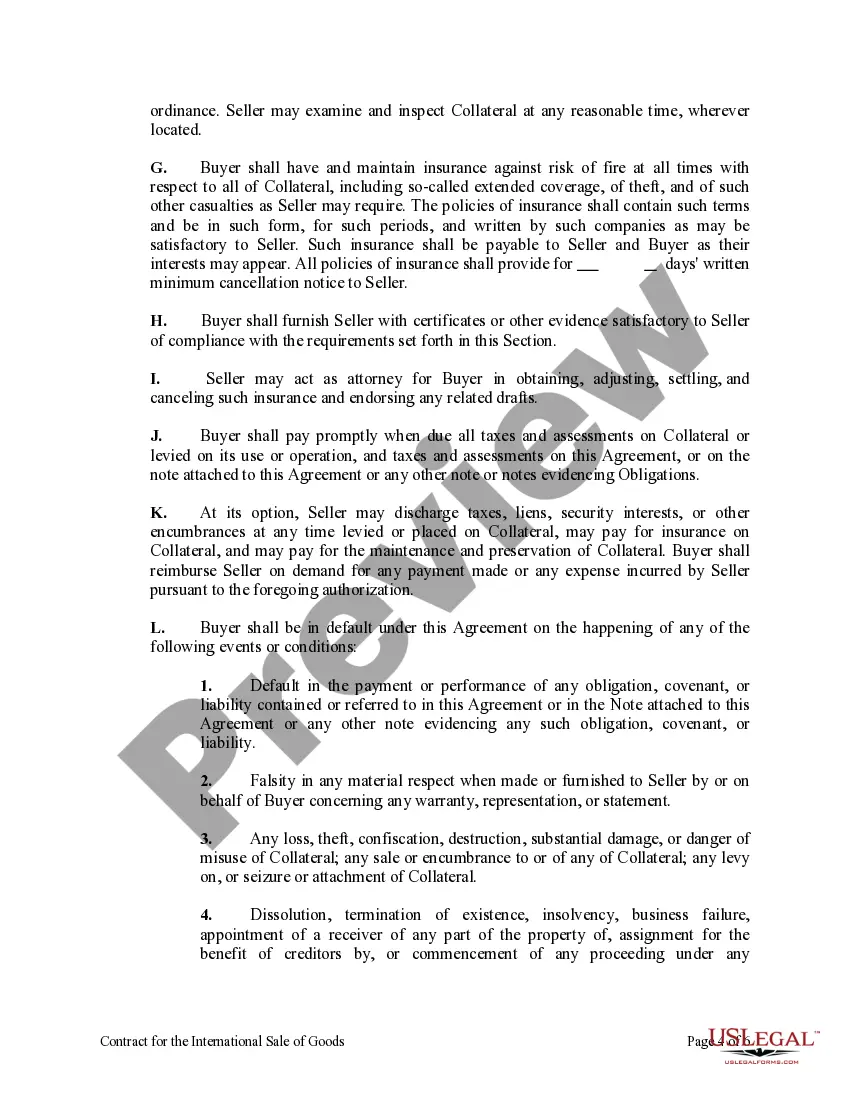

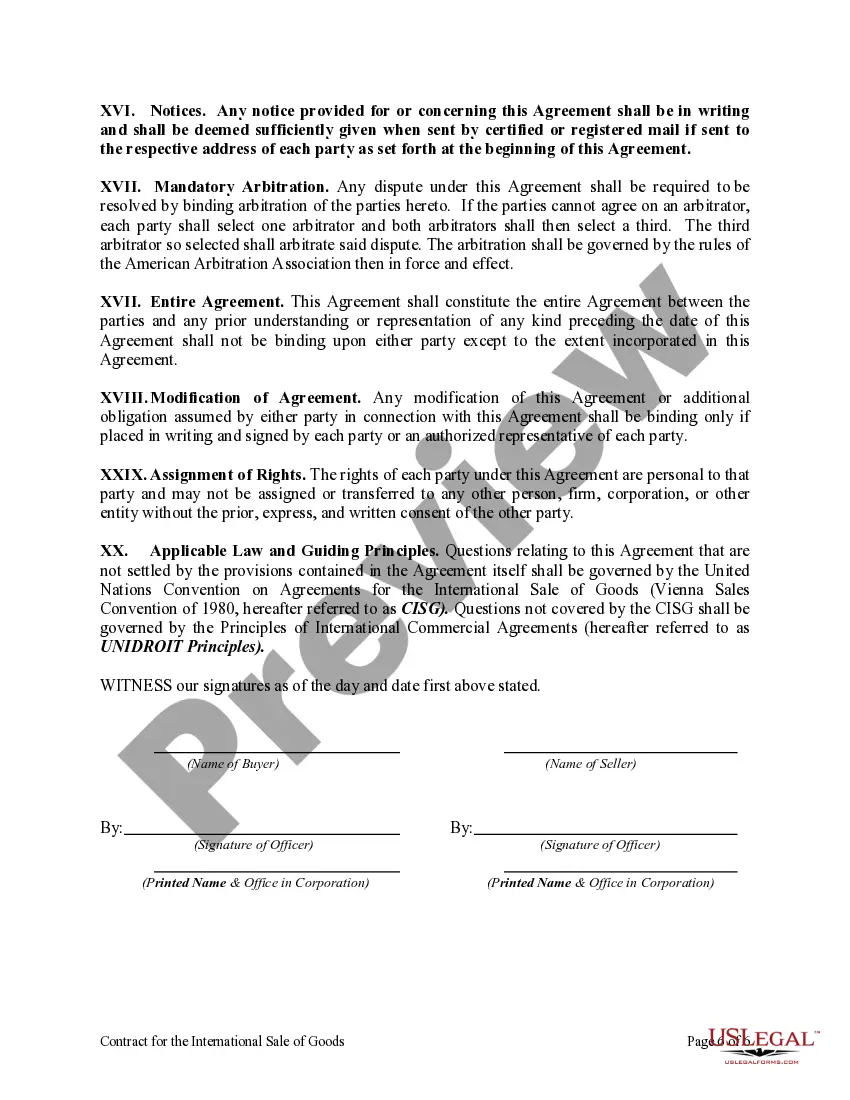
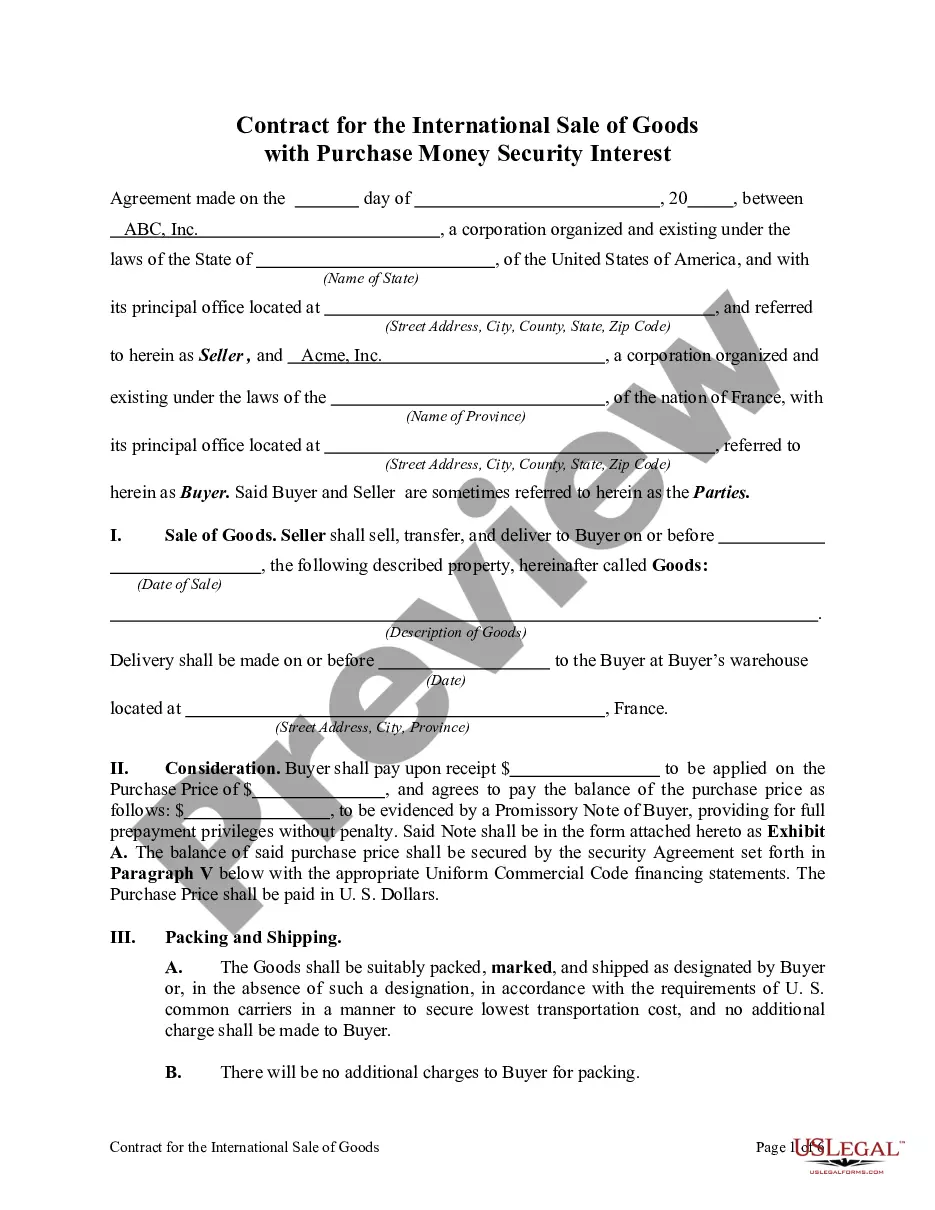
Get your form ready online
Our built-in tools help you complete, sign, share, and store your documents in one place.
Make edits, fill in missing information, and update formatting in US Legal Forms—just like you would in MS Word.
Download a copy, print it, send it by email, or mail it via USPS—whatever works best for your next step.
Sign and collect signatures with our SignNow integration. Send to multiple recipients, set reminders, and more. Go Premium to unlock E-Sign.
If this form requires notarization, complete it online through a secure video call—no need to meet a notary in person or wait for an appointment.
We protect your documents and personal data by following strict security and privacy standards.

Make edits, fill in missing information, and update formatting in US Legal Forms—just like you would in MS Word.

Download a copy, print it, send it by email, or mail it via USPS—whatever works best for your next step.

Sign and collect signatures with our SignNow integration. Send to multiple recipients, set reminders, and more. Go Premium to unlock E-Sign.

If this form requires notarization, complete it online through a secure video call—no need to meet a notary in person or wait for an appointment.

We protect your documents and personal data by following strict security and privacy standards.
Looking for another form?



Form popularity
FAQ
Total sales: This refers to the total amount of revenue your business collected in sales (not including tax)—whether or not the sales were taxable—within the filing period. Taxable sales: This refers to the total amount of revenue you collected in sales (not including tax) that were taxable within the filing period.
Make sure the Texas resale certificate form is completely filled out – This includes the buyer's name and what they sell, your store name, and a detailed description of the items bought for resale. You should also have the buyer's address and signature.
The state use tax rate is 6.25 percent. For Texas purchasers, depending on where you use, store or consume the item, you may owe up to an additional 2 percent in local use taxes. Use our Sales Tax Rate Locator to determine the local tax rate at your address.
The Texas state sales and use tax rate is 6.25 percent, but local taxing jurisdictions (cities, counties, special-purpose districts and transit authorities) also may impose sales and use tax up to 2 percent for a total maximum combined rate of 8.25 percent.
When you sell taxable goods or services in Texas, or sell to Texas customers, you must collect the 6.25 percent state sales or use tax and the appropriate local sales or use tax. The local tax due cannot be more than 2 percent, so the most tax you can collect is 8.25 percent.
Exemptions from sales tax in Texas Water and natural juice. Baby food and formula. Dairy - butter, cheese, yogurt. Medicines and supplements - prescription, over-the-counter medicines, dietary supplements.
Common Texas sales tax exemptions include those for necessities of life, including most food and health-related items. In addition, goods for resale, such as wholesale items, are exempt from sales tax, as well as newspapers, containers, previously taxed items, and certain goods used for manufacturing.
For example, flour, sugar, bread, milk, eggs, fruits, vegetables and similar groceries (food products) are not subject to Texas sales and use tax. Tax is due, however, on many non-food items such as paper, pet, and beauty products; clothing; books; and certain edible items.
You must obtain a Texas sales and use tax permit if you are an individual, partnership, corporation or other legal entity engaged in business in Texas and you: Sell tangible personal property in Texas; Lease or rent tangible personal property in Texas; Sell taxable services in Texas; or.
The base state sales tax rate in Texas is 6.25%. Local tax rates in Texas range from 0.125% to 2%, making the sales tax range in Texas 6.375% to 8.25%.
