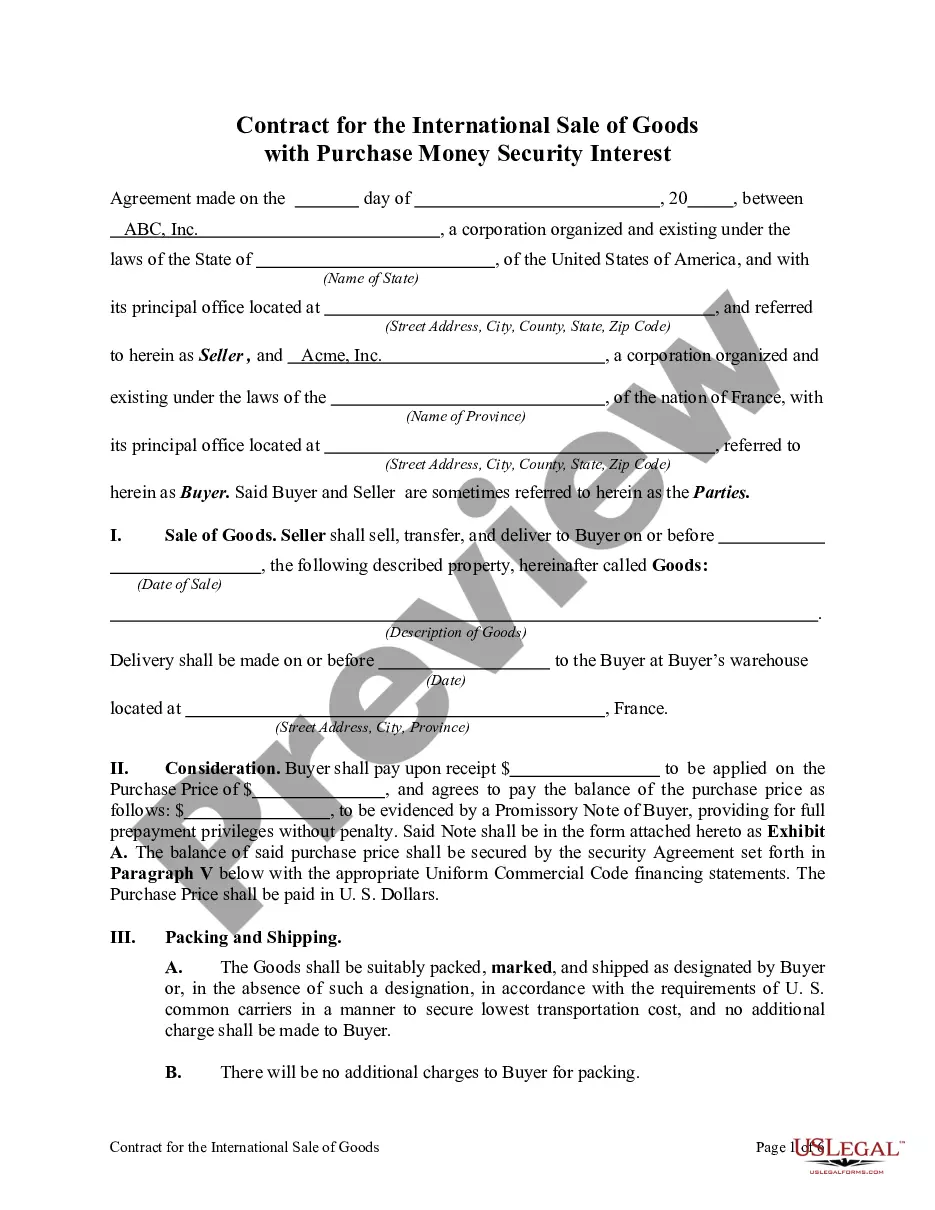
Contract International Purchase Sample With No Experience In Pennsylvania
Description


Get your form ready online
Our built-in tools help you complete, sign, share, and store your documents in one place.
Make edits, fill in missing information, and update formatting in US Legal Forms—just like you would in MS Word.
Download a copy, print it, send it by email, or mail it via USPS—whatever works best for your next step.
Sign and collect signatures with our SignNow integration. Send to multiple recipients, set reminders, and more. Go Premium to unlock E-Sign.
If this form requires notarization, complete it online through a secure video call—no need to meet a notary in person or wait for an appointment.
We protect your documents and personal data by following strict security and privacy standards.

Make edits, fill in missing information, and update formatting in US Legal Forms—just like you would in MS Word.

Download a copy, print it, send it by email, or mail it via USPS—whatever works best for your next step.

Sign and collect signatures with our SignNow integration. Send to multiple recipients, set reminders, and more. Go Premium to unlock E-Sign.

If this form requires notarization, complete it online through a secure video call—no need to meet a notary in person or wait for an appointment.

We protect your documents and personal data by following strict security and privacy standards.
Looking for another form?

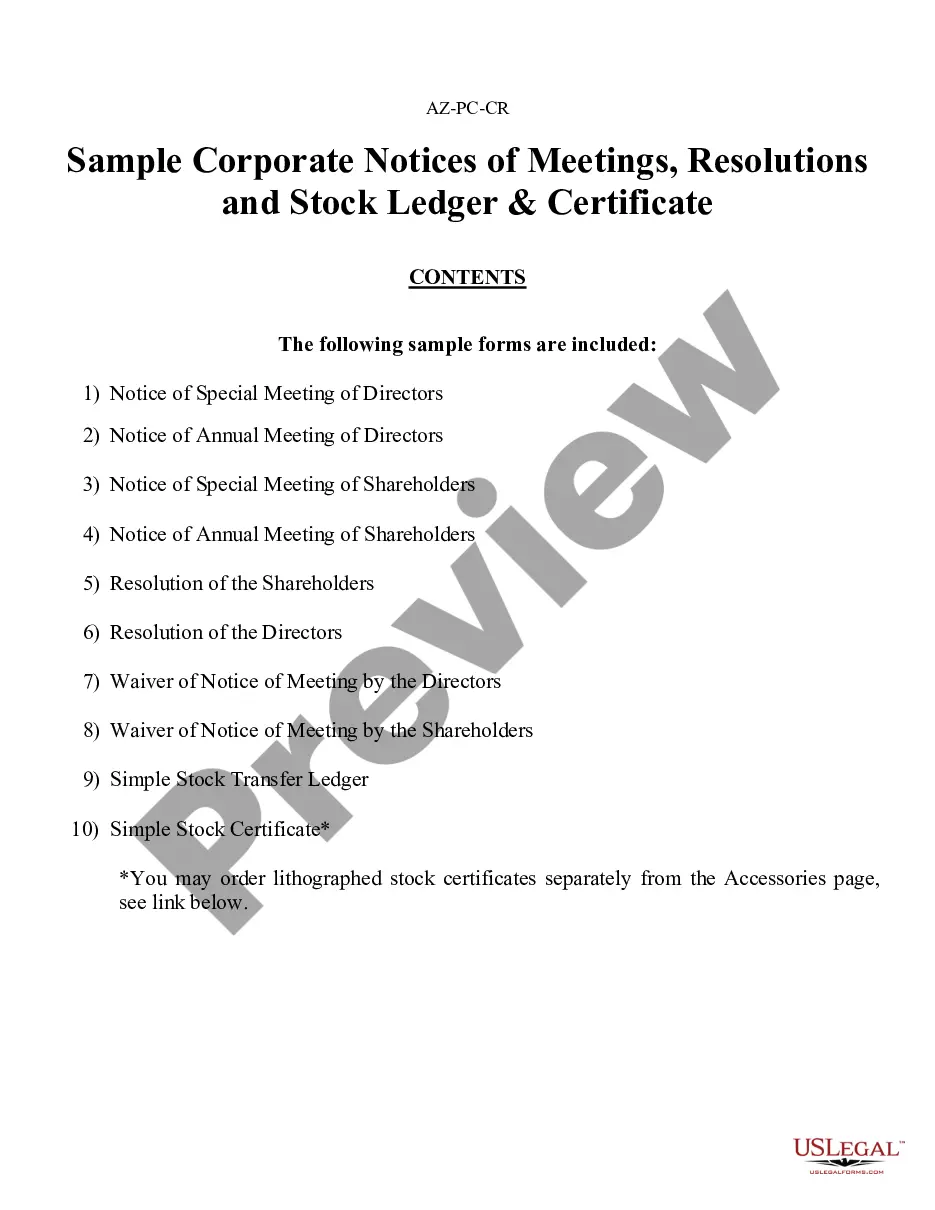



Form popularity
FAQ
How to draft a contract between two parties: A step-by-step checklist Know your parties. Agree on the terms. Set clear boundaries. Spell out the consequences. Specify how you will resolve disputes. Cover confidentiality. Check the legality of the contract. Open it up to negotiation.
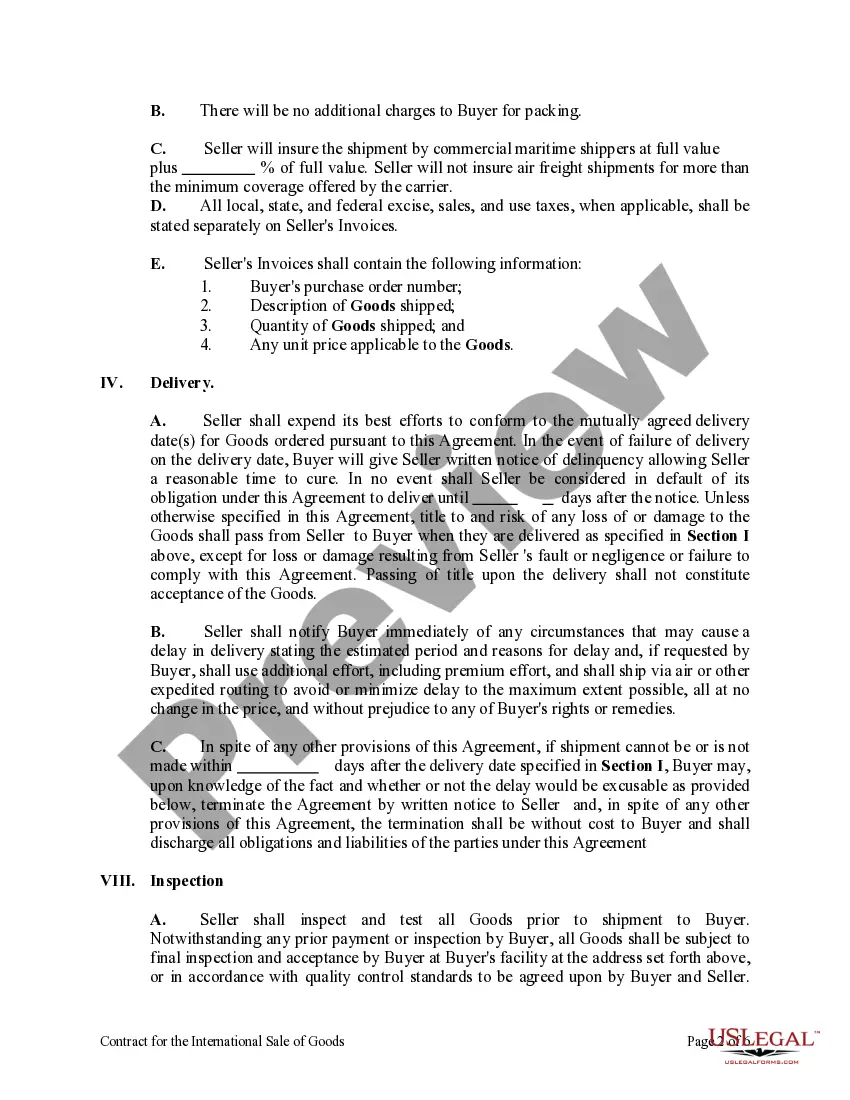
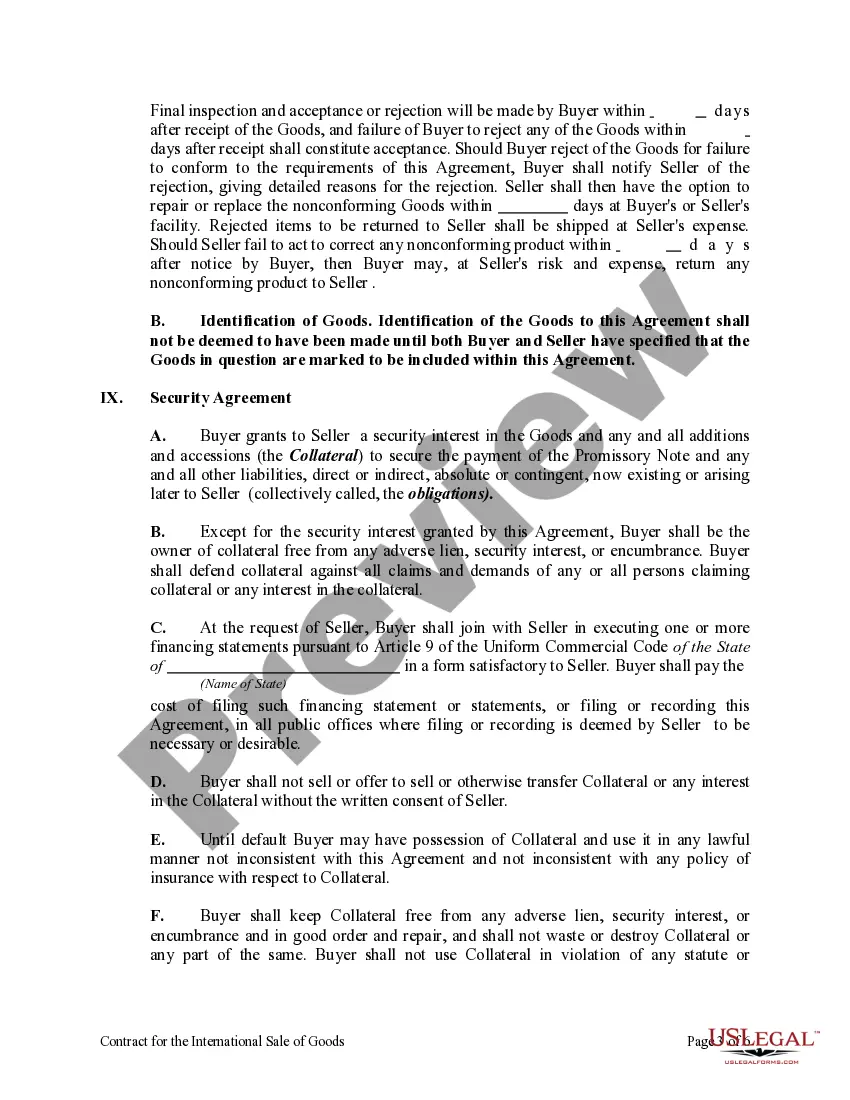
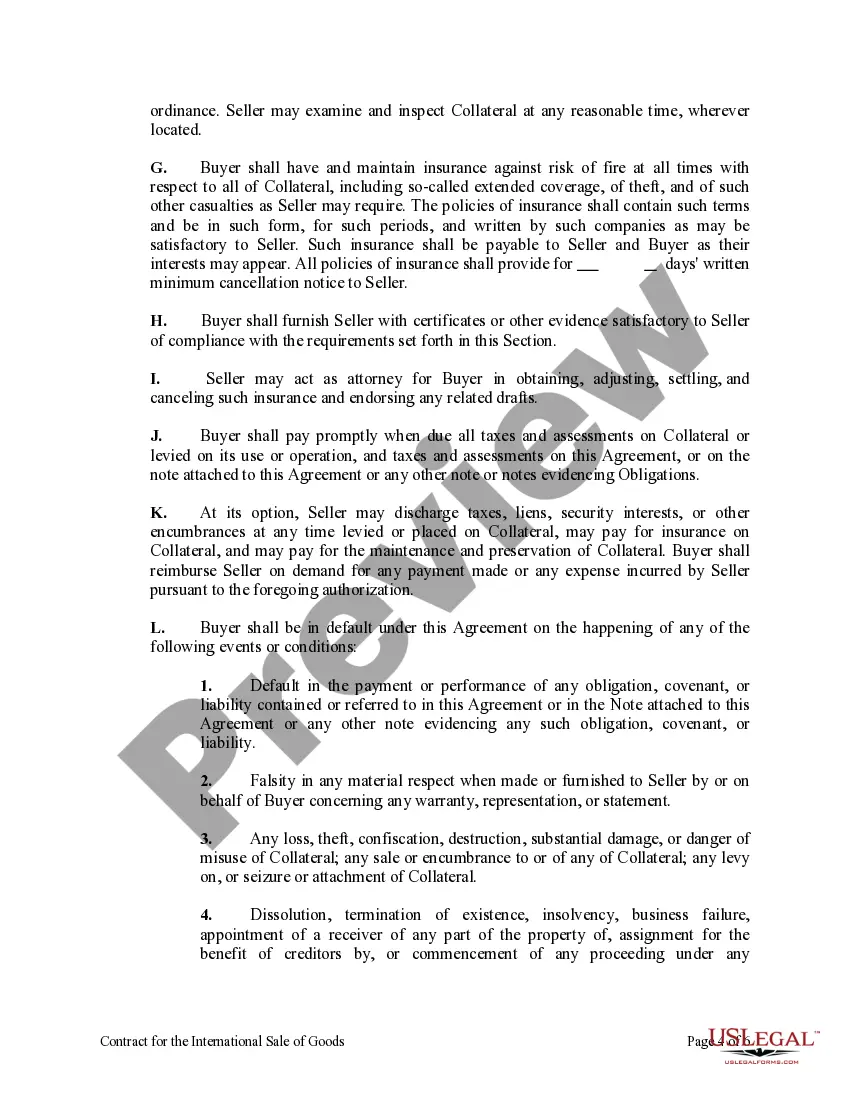
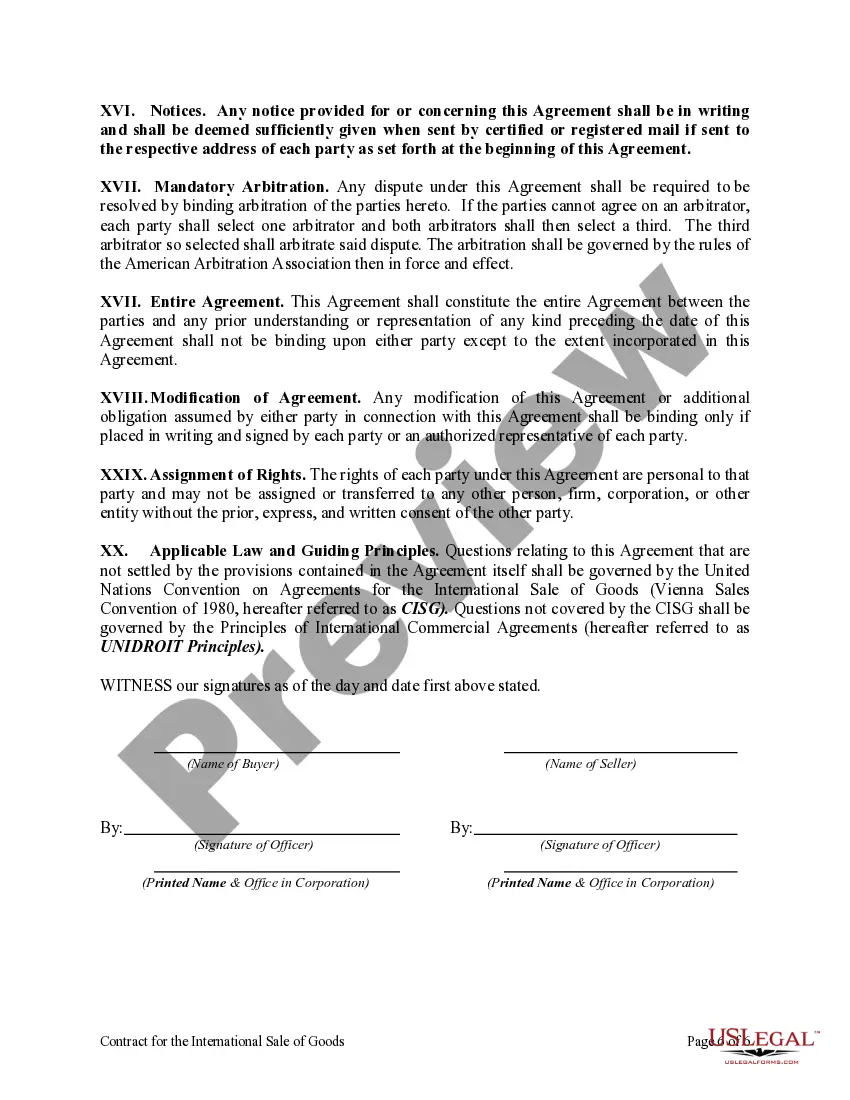
In international trade, creating contracts that are clear, secure, and legally binding is key to safeguarding the interests of the involved parties (exporter-seller and importer-buyers). Essentially, this agreement sets out the rights and obligations of the parties and the remedies for breach.
Exporters Should Insist On a Written Sales Contract A written contract also reminds both parties of the terms of the sale. Finally, a written contract offers legal protection, explaining the details of the agreed-upon arrangement to a judge, jury or arbitrator.
Exporters Should Insist On a Written Sales Contract A written contract also reminds both parties of the terms of the sale. Finally, a written contract offers legal protection, explaining the details of the agreed-upon arrangement to a judge, jury or arbitrator.
Of primary importance is that each Incoterms rule clarifies the tasks, costs, and risks to be borne by buyers and sellers in these transactions. Familiarizing yourself with Incoterms will help improve smoother transactions by clearly defining who is responsible for what and each step of the transaction.
Well-crafted international contracts are the foundation for smooth cross-border transactions and mitigating risks. This article explores key considerations for drafting and managing effective international contracts, helping you navigate this exciting realm of global business.
