Contract International Purchase Sample With Credit Card In Los Angeles
Description

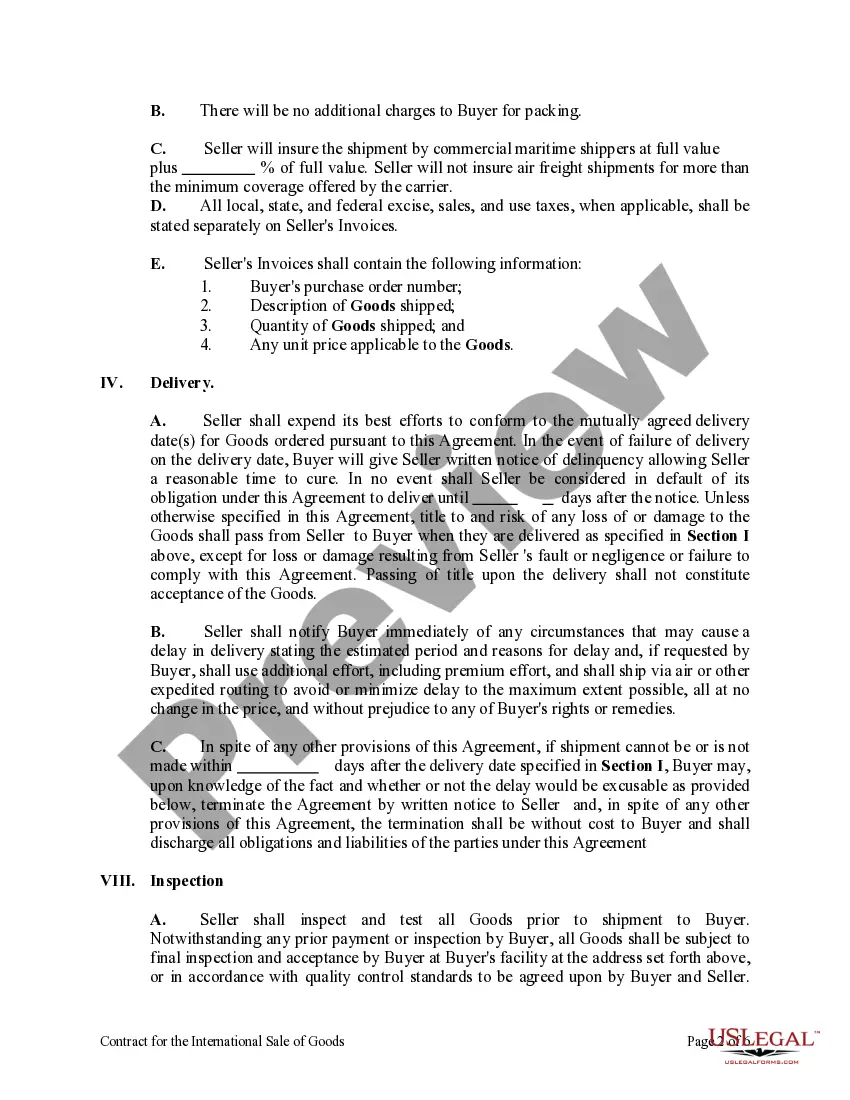
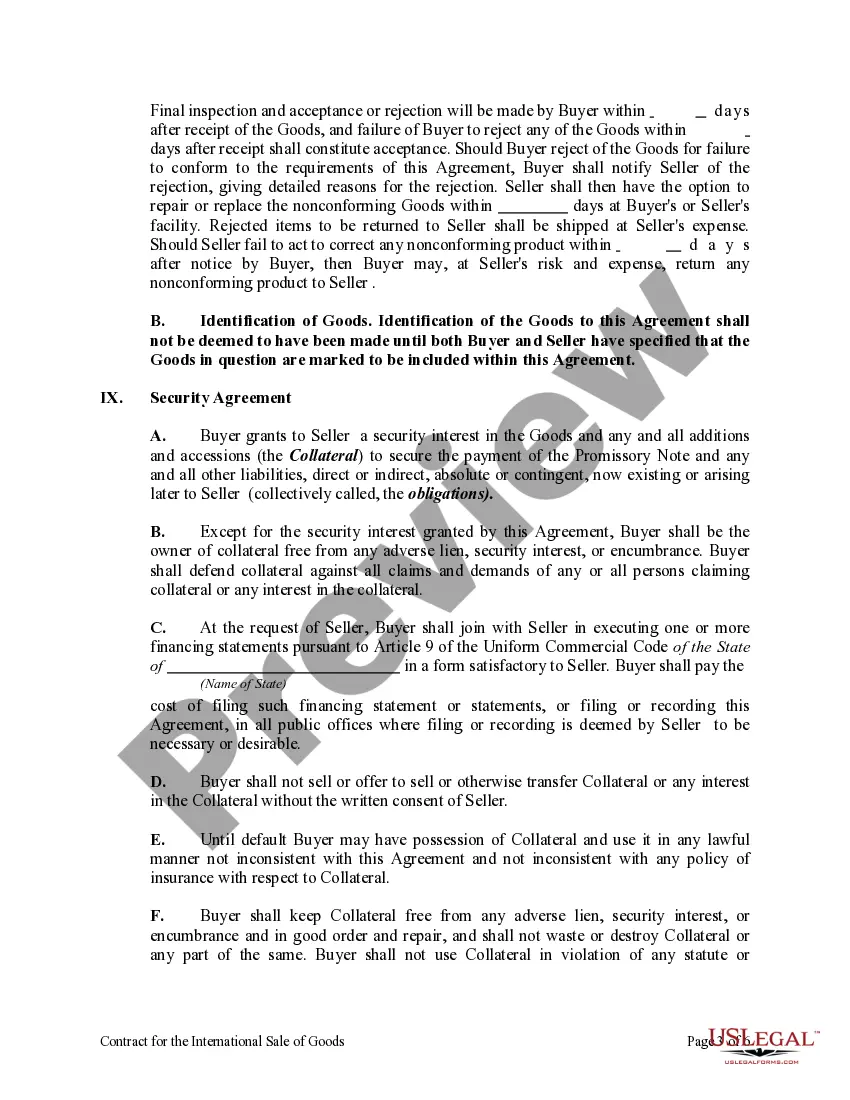
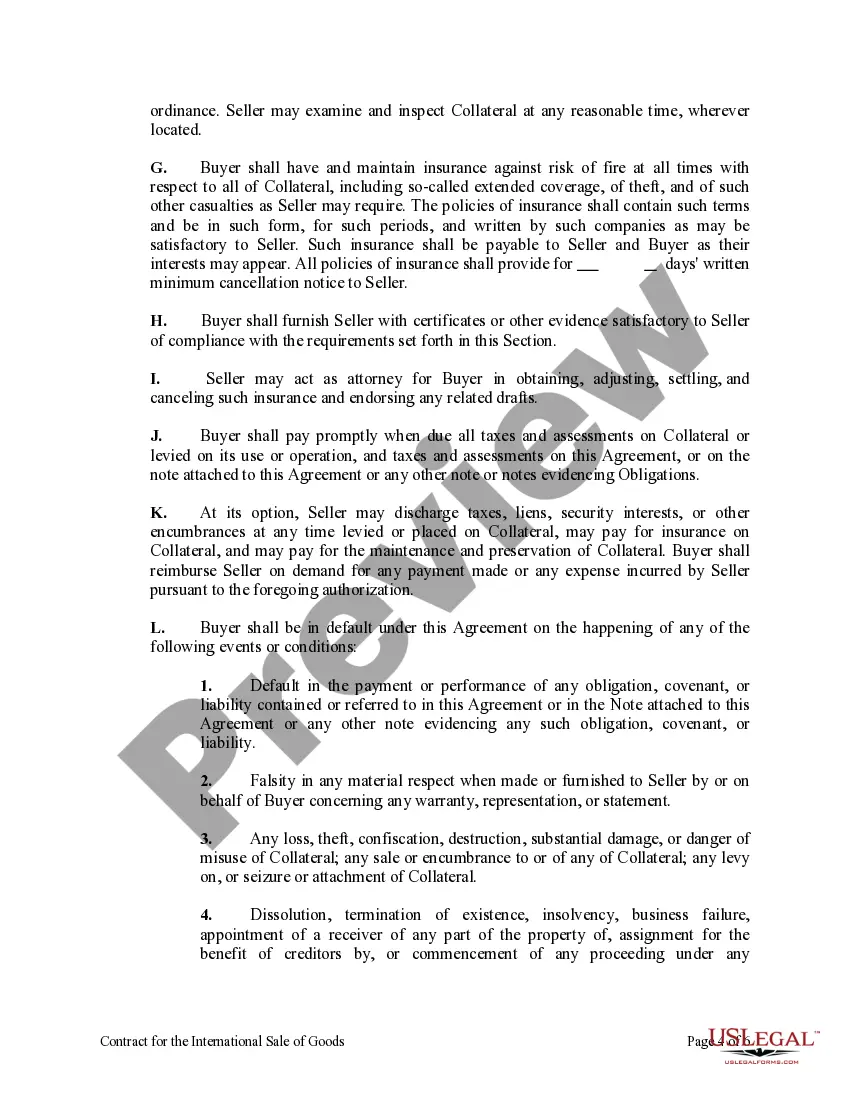

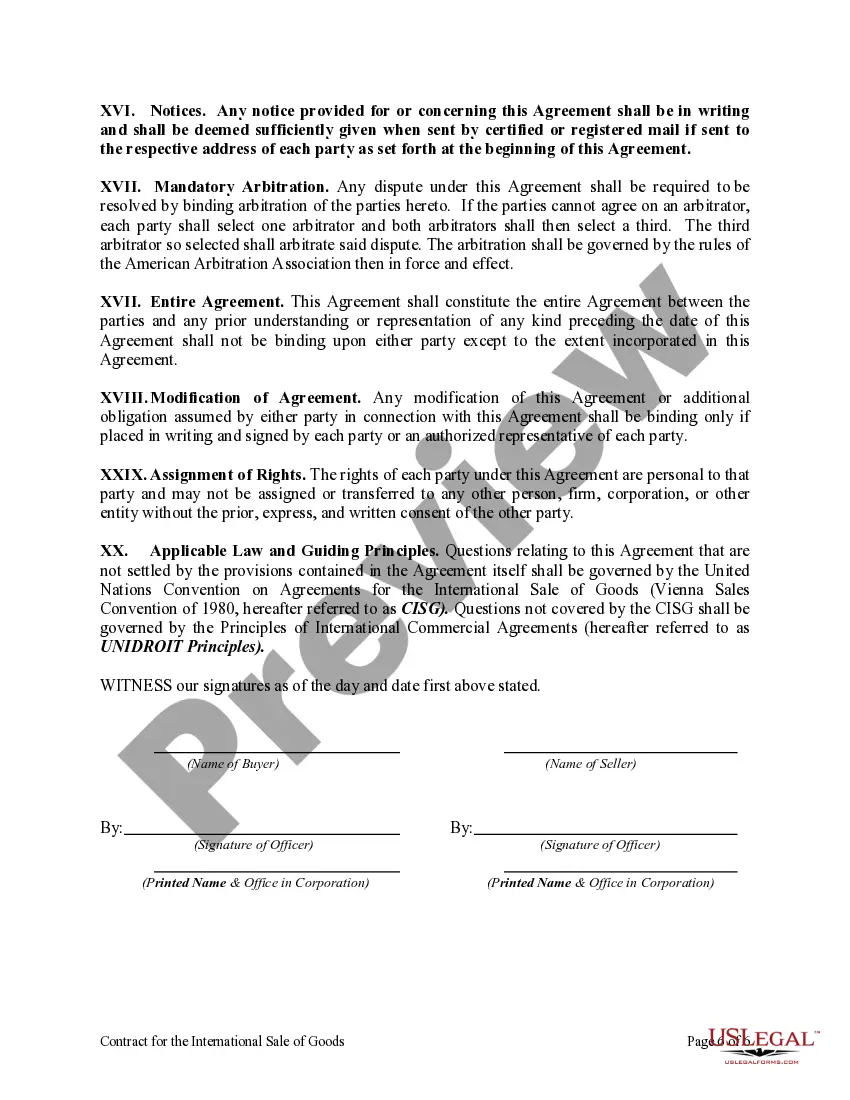
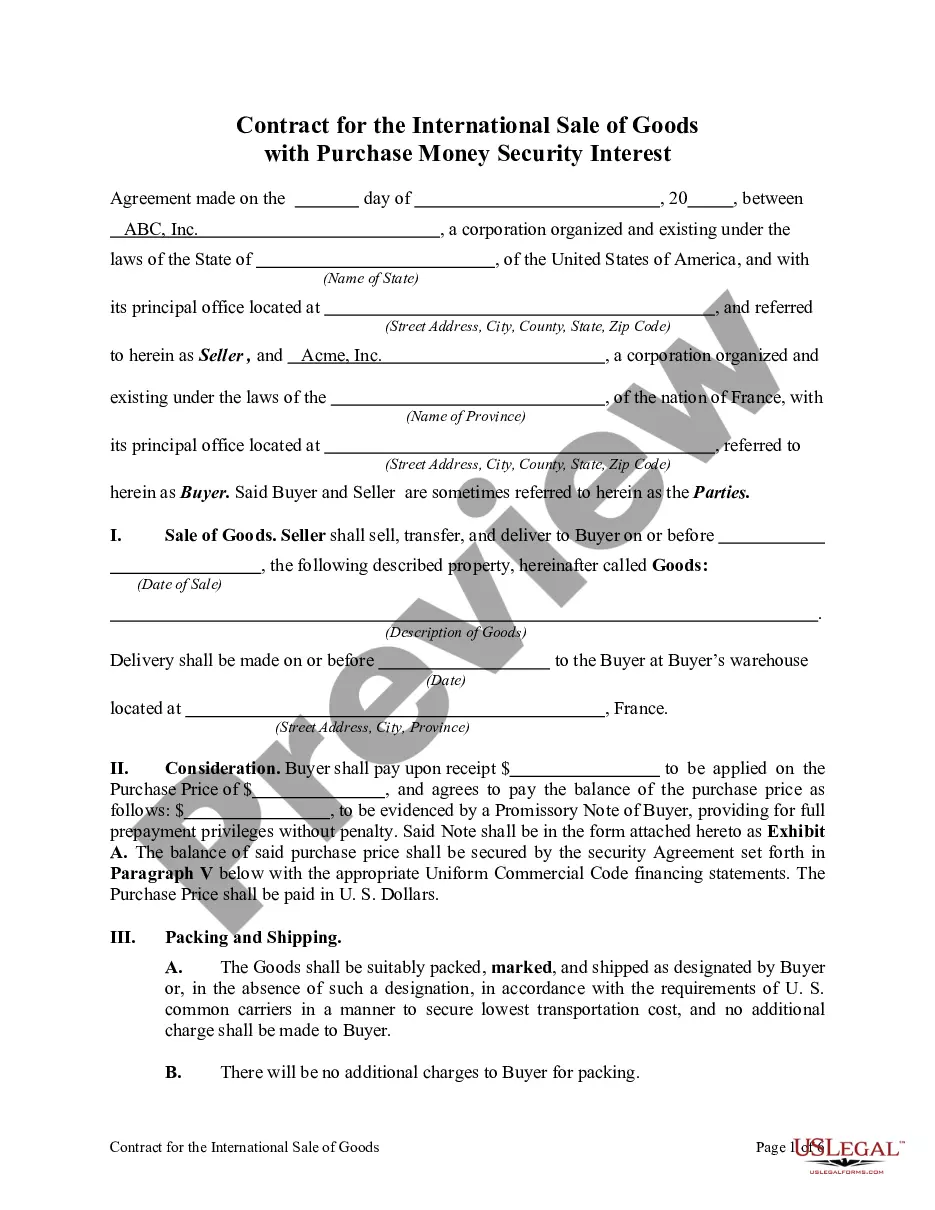
Get your form ready online
Our built-in tools help you complete, sign, share, and store your documents in one place.
Make edits, fill in missing information, and update formatting in US Legal Forms—just like you would in MS Word.
Download a copy, print it, send it by email, or mail it via USPS—whatever works best for your next step.
Sign and collect signatures with our SignNow integration. Send to multiple recipients, set reminders, and more. Go Premium to unlock E-Sign.
If this form requires notarization, complete it online through a secure video call—no need to meet a notary in person or wait for an appointment.
We protect your documents and personal data by following strict security and privacy standards.

Make edits, fill in missing information, and update formatting in US Legal Forms—just like you would in MS Word.

Download a copy, print it, send it by email, or mail it via USPS—whatever works best for your next step.

Sign and collect signatures with our SignNow integration. Send to multiple recipients, set reminders, and more. Go Premium to unlock E-Sign.

If this form requires notarization, complete it online through a secure video call—no need to meet a notary in person or wait for an appointment.

We protect your documents and personal data by following strict security and privacy standards.
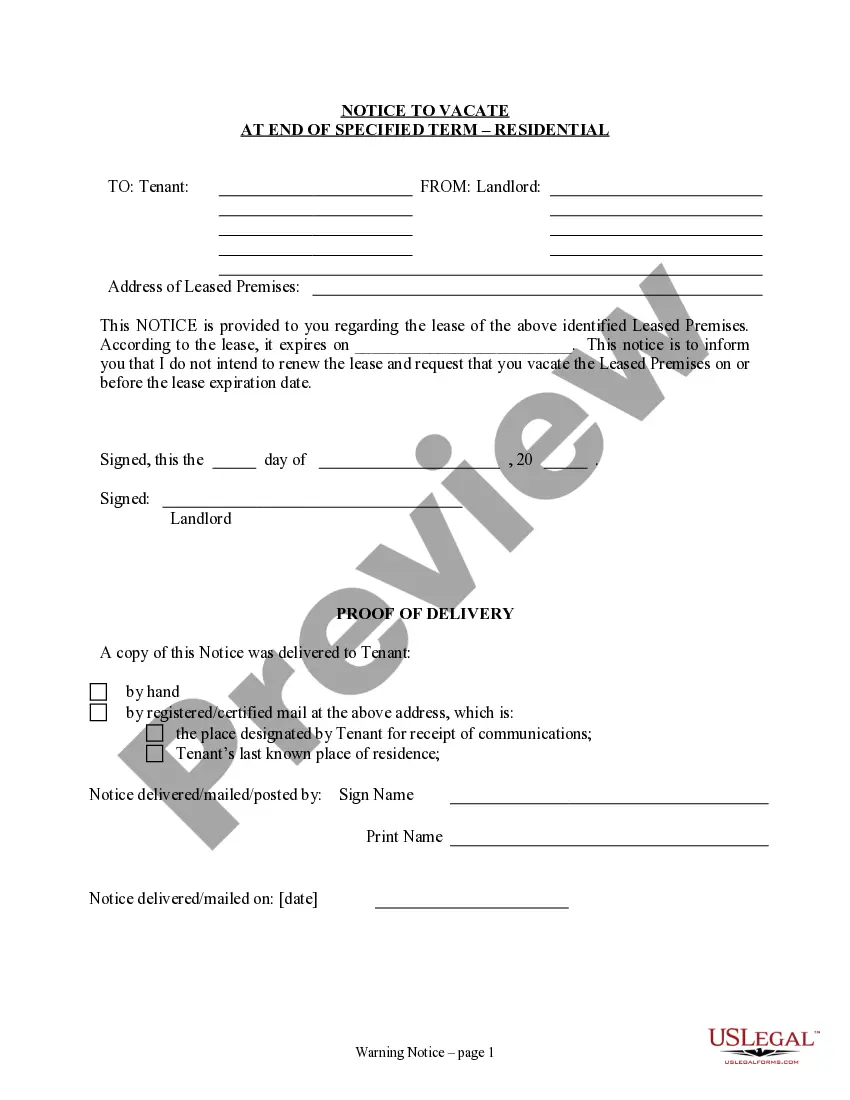
Looking for another form?








Form popularity
FAQ
A cardholder agreement is a legal document outlining the terms under which a credit card is offered to a customer. Among other provisions, the cardholder agreement states the annual percentage rate (APR) of the card, as well as how the card's minimum payments are calculated.
Even if your issuer uses the Consumer Financial Protection Bureau's definitions of credit card terms, you are not entering a contract with the CFPB. Your credit card contract is between you and your issuer.
Contact your credit card issuer to inquire about their policies regarding international usage and residency changes. Some issuers may allow you to maintain your account while living abroad, while others may require you to close your account. Notify your credit card company about your move.
Yes, you can generally use your credit card overseas, but there are a few things to keep in mind: International Acceptance: Most major credit cards (like Visa, MasterCard, and American Express) are widely accepted in many countries, but it's good to check if your card is accepted at your destination.
What Is a Cardholder Agreement? A cardholder agreement is a legal document outlining the terms under which a credit card is offered to a customer. Among other provisions, the cardholder agreement states the annual percentage rate (APR) of the card, as well as how the card's minimum payments are calculated.
If you are looking for information specific to your account, contact the bank or institution that issued your card. By law, the issuer must make your agreement available to you upon request. If you are having trouble getting your agreement, let us know by submitting a complaint.
Typically, multi-language contracts have a two-column view. One side will be in English, and the other side will be in the other language. Then, there will be a provision noting which language will serve as the contract's official language in the event of a contract dispute.
The English rule provides that the party that loses in court pays the other party's legal costs. The English rule contrasts with the American rule, under which each party is generally responsible for paying its own attorney fees (unless a statute or contract provides for that assessment).
If you buy something and you speak to the salesperson in Spanish, Chinese, Tagalog, Vietnamese or Korean, the business must give you a copy of the contract in that language. This allows you to read and understand the contract before you sign the English language original.
