Contract International Purchase Sample For Job In Illinois
Description


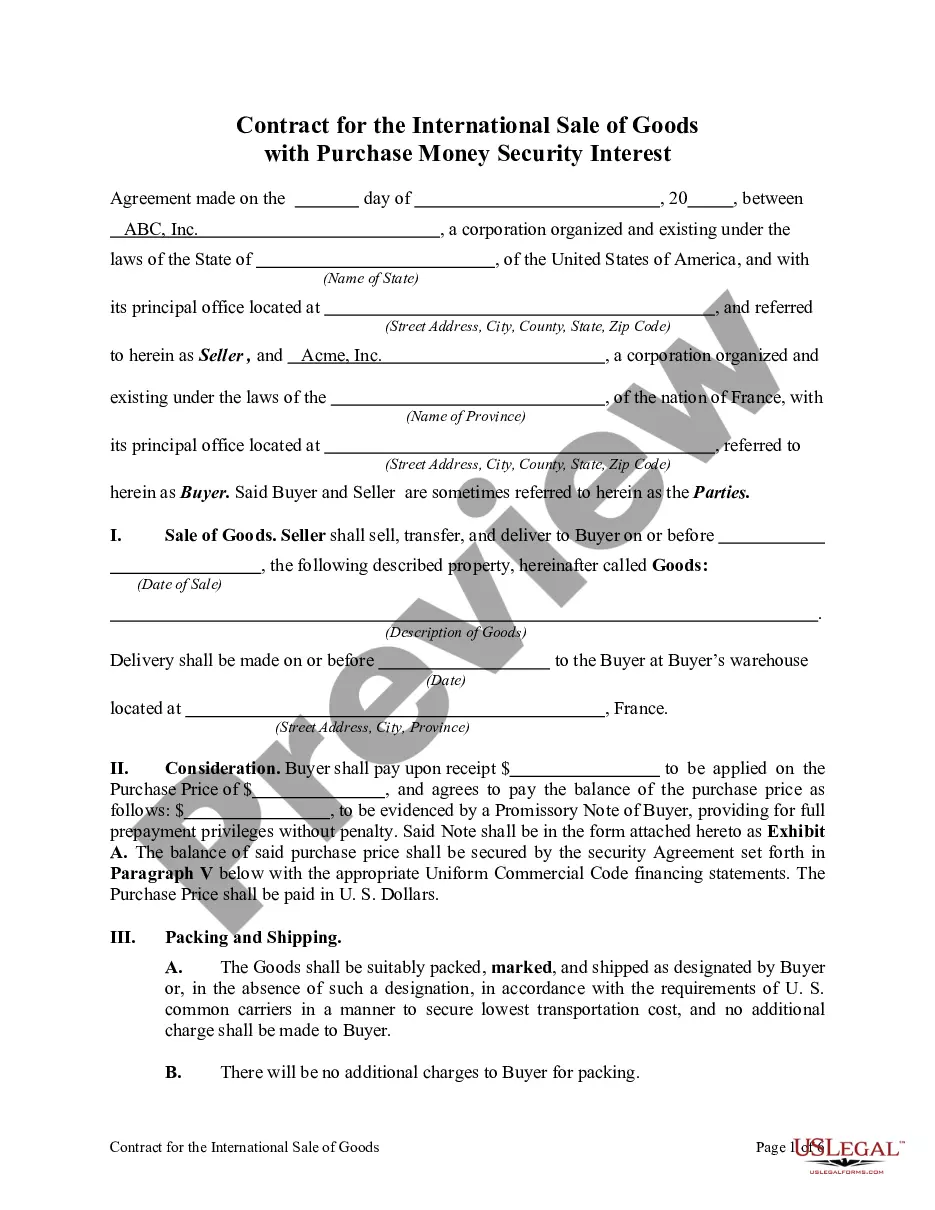
Get your form ready online
Our built-in tools help you complete, sign, share, and store your documents in one place.
Make edits, fill in missing information, and update formatting in US Legal Forms—just like you would in MS Word.
Download a copy, print it, send it by email, or mail it via USPS—whatever works best for your next step.
Sign and collect signatures with our SignNow integration. Send to multiple recipients, set reminders, and more. Go Premium to unlock E-Sign.
If this form requires notarization, complete it online through a secure video call—no need to meet a notary in person or wait for an appointment.
We protect your documents and personal data by following strict security and privacy standards.

Make edits, fill in missing information, and update formatting in US Legal Forms—just like you would in MS Word.

Download a copy, print it, send it by email, or mail it via USPS—whatever works best for your next step.

Sign and collect signatures with our SignNow integration. Send to multiple recipients, set reminders, and more. Go Premium to unlock E-Sign.

If this form requires notarization, complete it online through a secure video call—no need to meet a notary in person or wait for an appointment.

We protect your documents and personal data by following strict security and privacy standards.
Looking for another form?


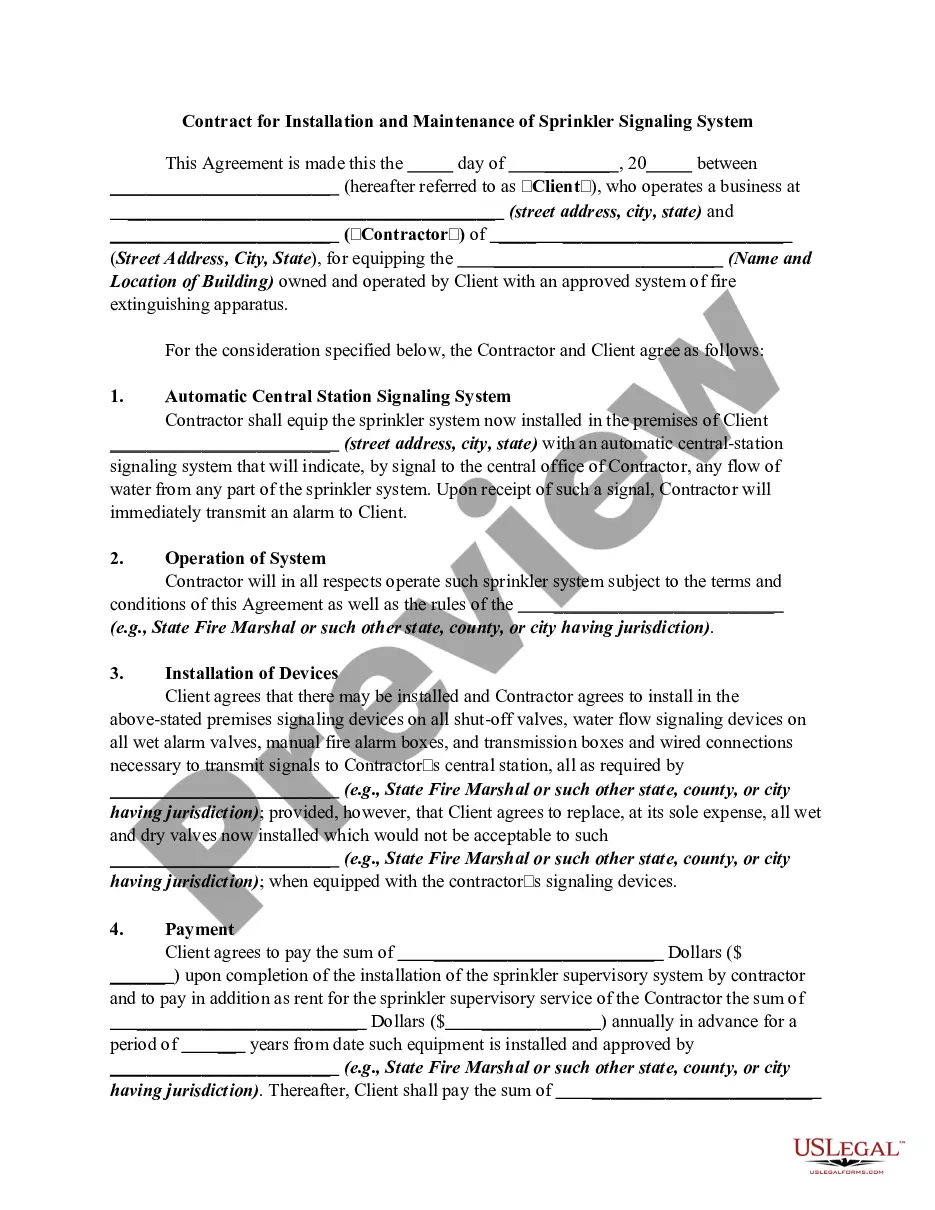



Form popularity
FAQ
Some items many contract letters include are: Employee position. Company name. Employee start date. Status of contract. Salary or wage information. Company benefits. Training or probation periods. Conditions for employment.
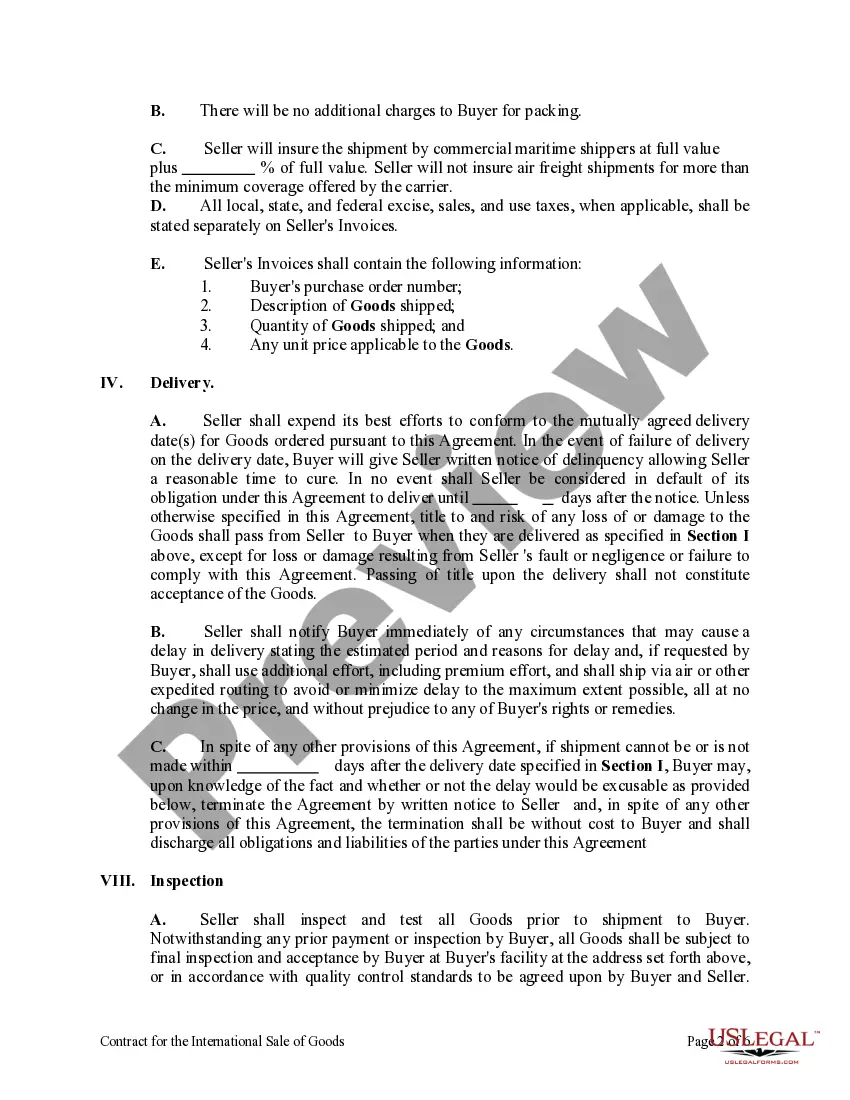
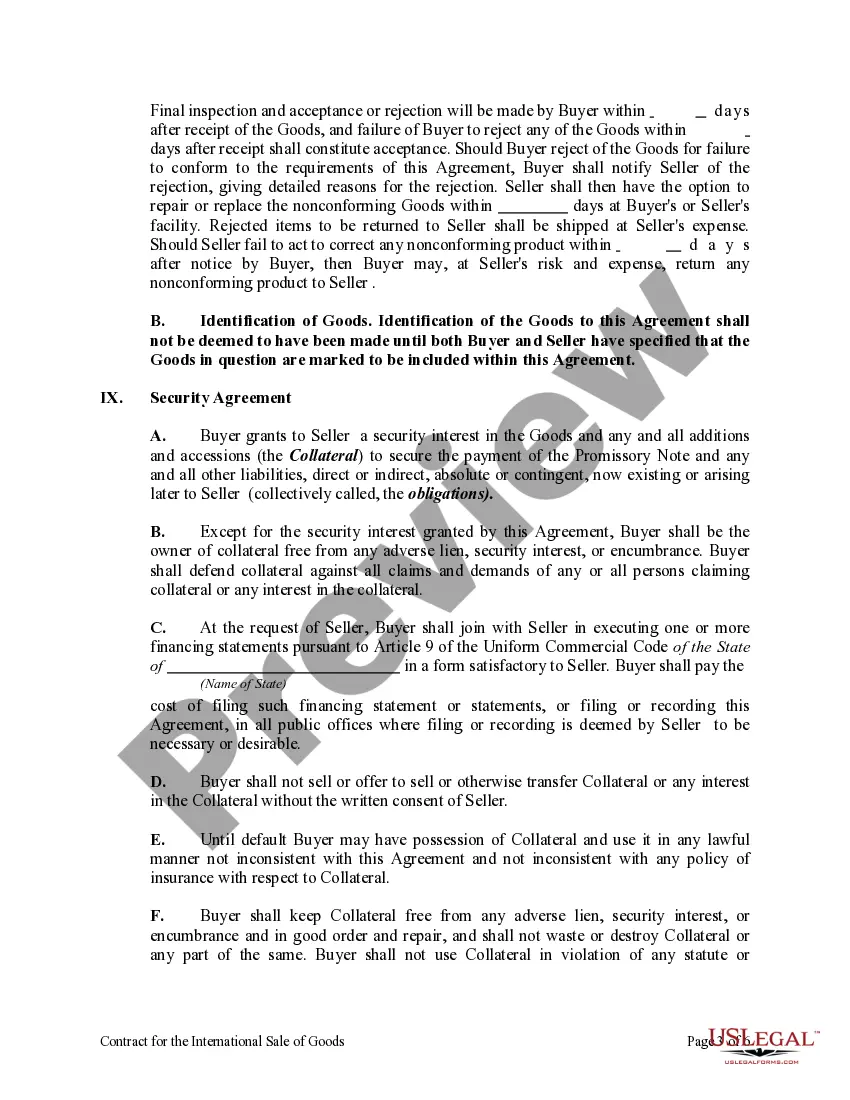
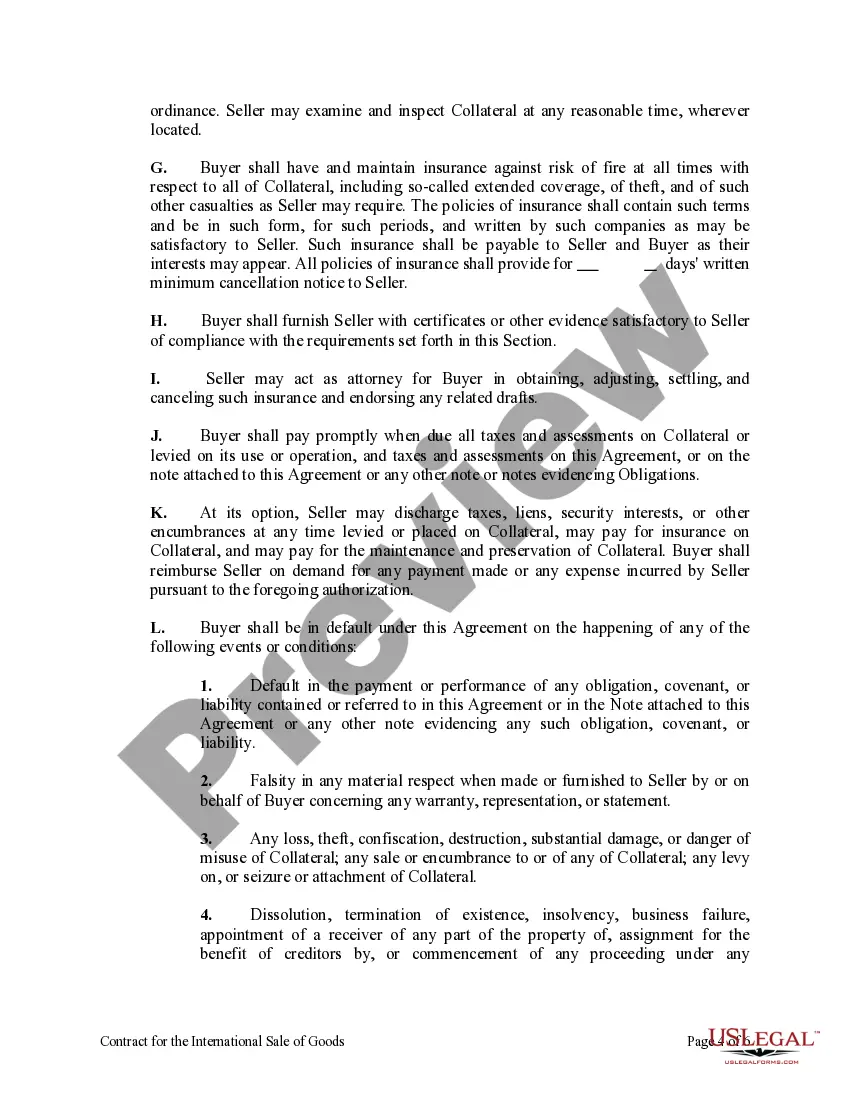
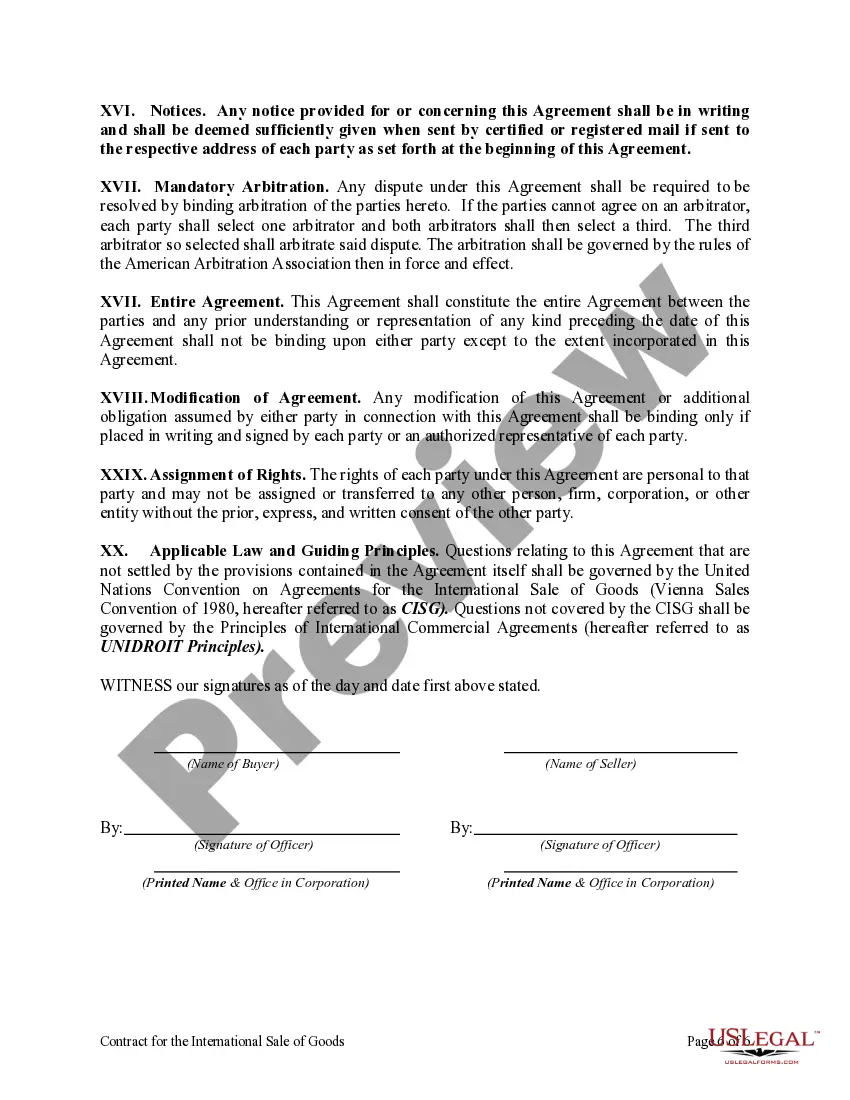
An international contract is a legally binding agreement between parties from different countries. These contracts govern the terms and conditions of a business transaction, such as the sale of goods or services, joint ventures, or partnerships.
The following information needs to be included in a temporary contract of employment. Names of the Employer and Employee. Job Title and Description. Financial Compensation. Work Pattern. Start Date. The Term of Employment. Temporary Employment Contract Notice Period. Benefits.
Recommendations for drafting an international contract Adapt the contract to each situation: Use templates as a reference, but be sure to customize each clause to the specific needs of the parties. Consult with experts in private international law: You will avoid risks and legal misunderstandings.
How to Write a Contract Letter The date. Be addressed to the person with whom you're entering the agreement. Basic details of the work to be completed. Any special instructions or stipulations. Information about whether another agreement will come after the letter. A place for both parties to sign.
Some items many contract letters include are: Employee position. Company name. Employee start date. Status of contract. Salary or wage information. Company benefits. Training or probation periods. Conditions for employment.
Top ten tips in drafting and negotiating an international contract Avoiding retaliation claims. The language of the contract. Clear contract prose. Common law versus civil law. Jurisdictional issues. Terms of art. Personnel. In negotiations, expect the unexpected.
How are employment contracts delivered? Written contracts: Written contracts are the most common. Verbal contracts: Verbal agreements can be legally binding if both parties agree to the terms discussed. Implied contracts: These come from actions, behaviors, or circumstances that suggest an agreement.
International contracts include all of the common elements of an employment contract, like compensation, benefits, overtime, and termination while taking into account all of the foreign market's local regulations. Below is a noncomprehensive list of key elements a foreign employment contract should include.
In an international business contract, it's essential to define the jurisdiction that will govern the contract and the laws that will apply in the event of a dispute. Your dispute resolution section should also detail the agreed-upon dispute resolution mechanism.
