Sale Goods With Foreign Currency In Harris
Description

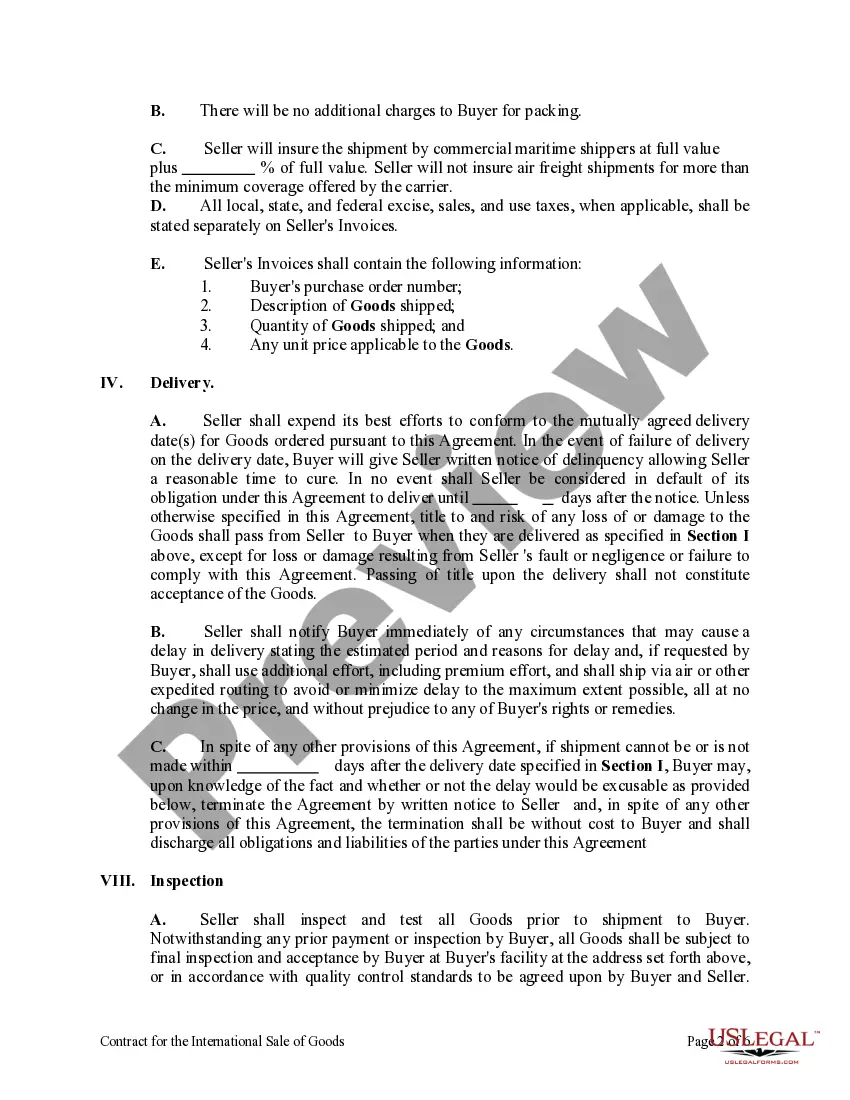
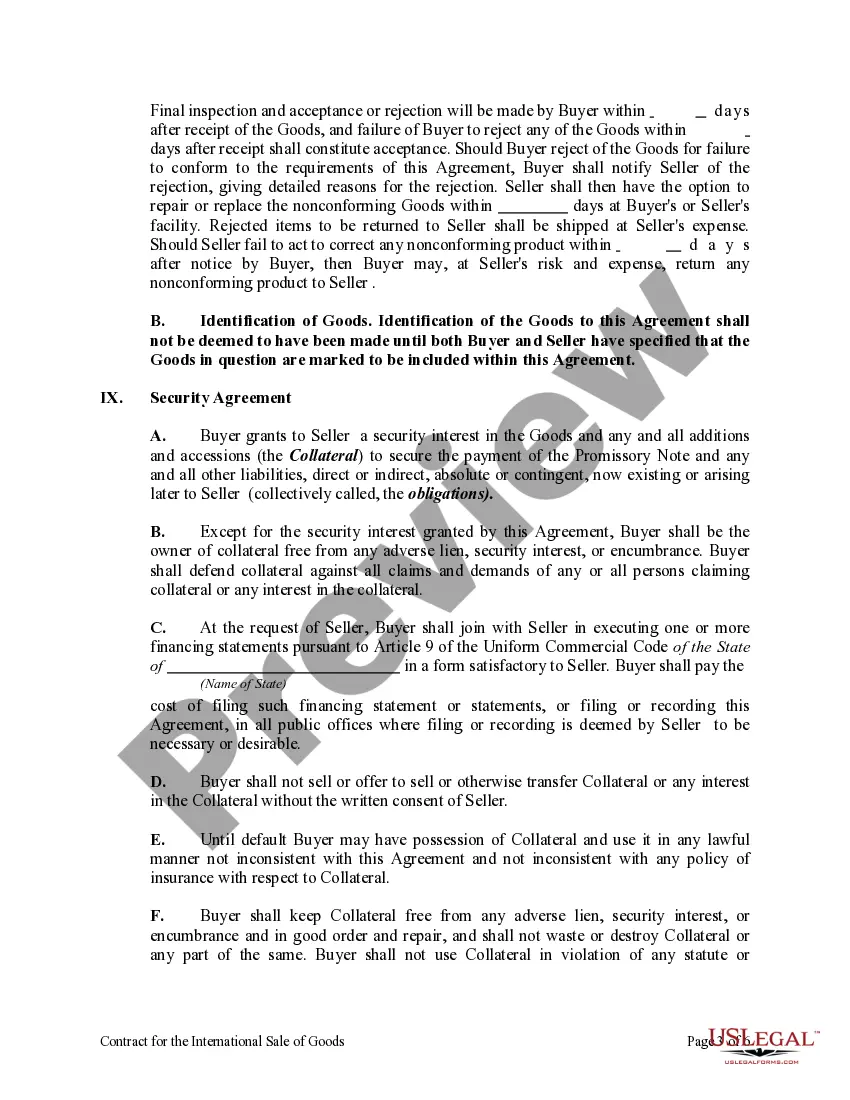
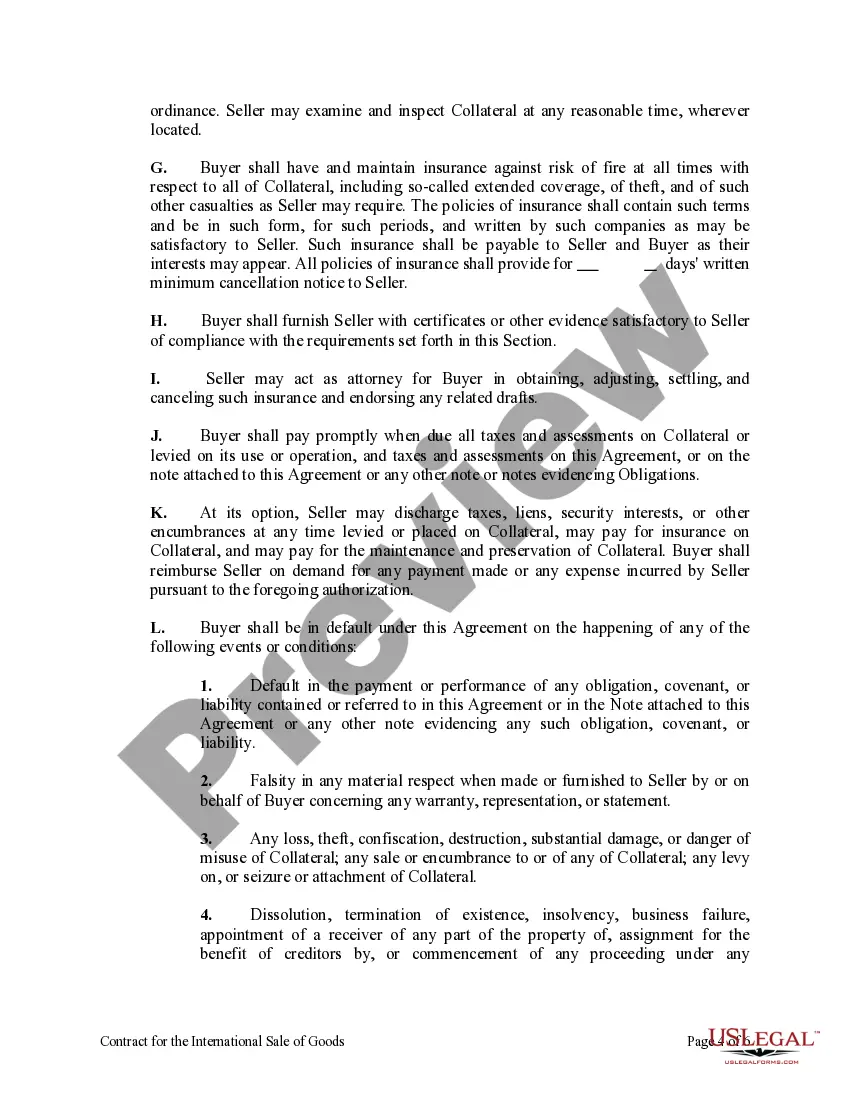

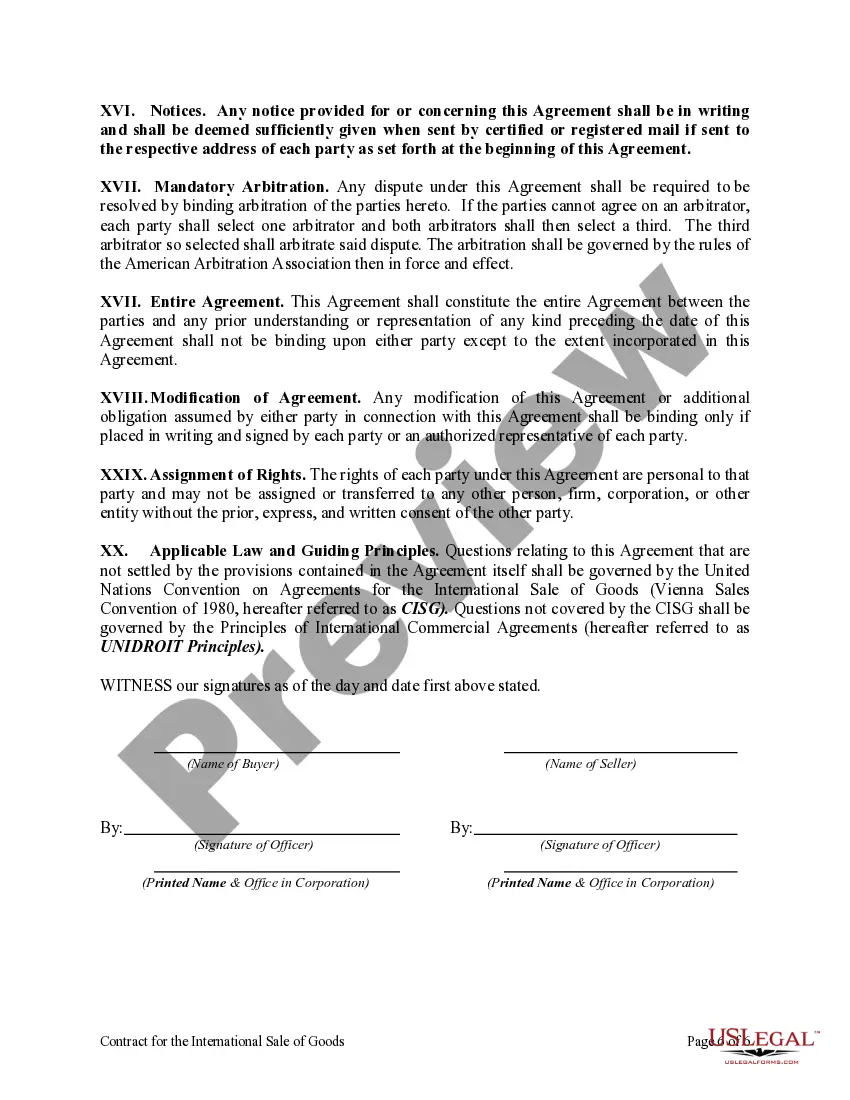
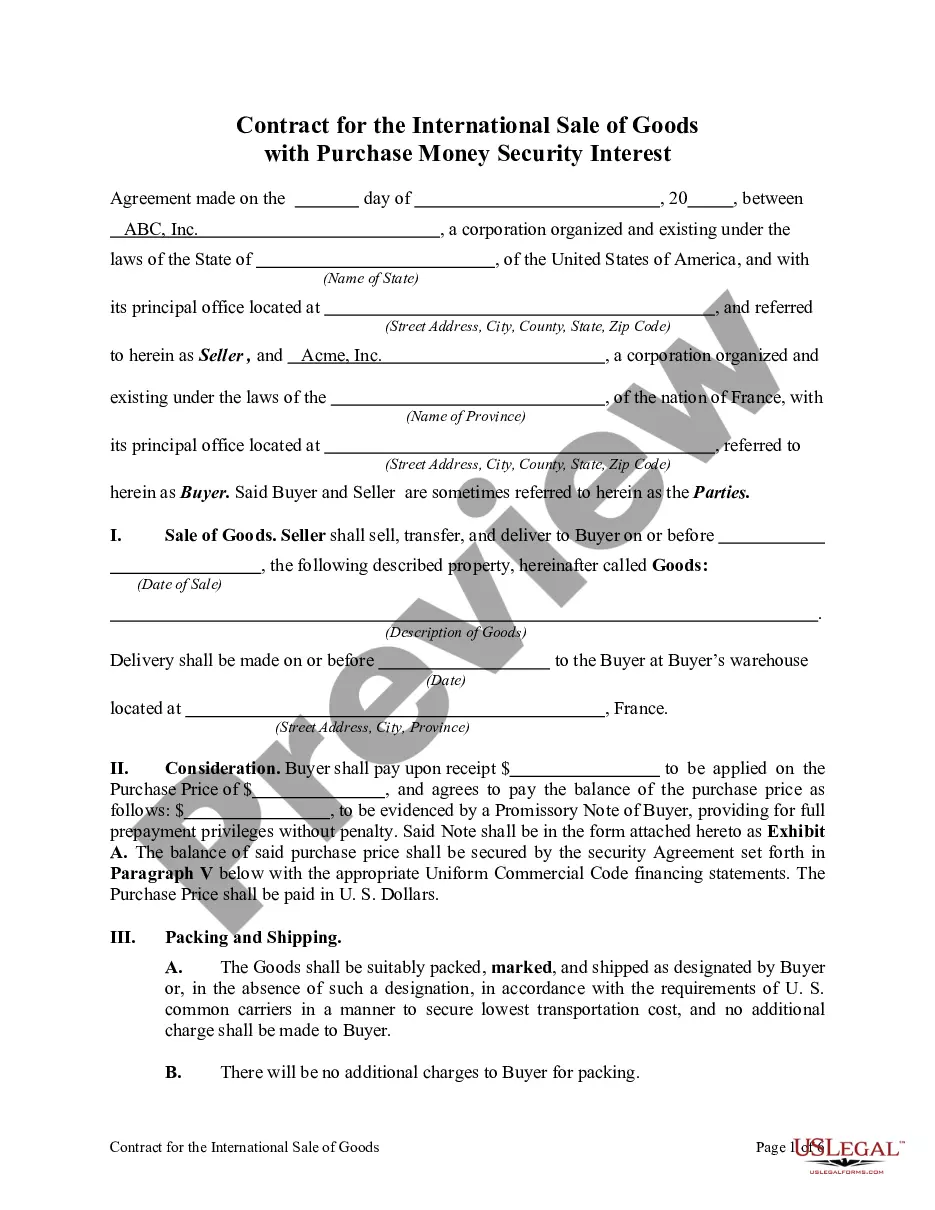
Get your form ready online
Our built-in tools help you complete, sign, share, and store your documents in one place.
Make edits, fill in missing information, and update formatting in US Legal Forms—just like you would in MS Word.
Download a copy, print it, send it by email, or mail it via USPS—whatever works best for your next step.
Sign and collect signatures with our SignNow integration. Send to multiple recipients, set reminders, and more. Go Premium to unlock E-Sign.
If this form requires notarization, complete it online through a secure video call—no need to meet a notary in person or wait for an appointment.
We protect your documents and personal data by following strict security and privacy standards.

Make edits, fill in missing information, and update formatting in US Legal Forms—just like you would in MS Word.

Download a copy, print it, send it by email, or mail it via USPS—whatever works best for your next step.

Sign and collect signatures with our SignNow integration. Send to multiple recipients, set reminders, and more. Go Premium to unlock E-Sign.

If this form requires notarization, complete it online through a secure video call—no need to meet a notary in person or wait for an appointment.

We protect your documents and personal data by following strict security and privacy standards.
Looking for another form?
Form popularity
FAQ
When a foreign currency transaction is recorded, it needs to use the exchange rate in effect on the date of the transaction. For example, a U.S. company sells a widget for 100K GBP. To record the sale, the company needs to first record the transaction in GBP.
Sell rate –This is the rate at which we sell foreign currency in exchange for local currency. For example, if you were heading to Europe, you would exchange Australian dollars for euros at the sell rate. Buy rate – This is the rate at which we buy foreign currency back from you into your local currency.
Most foreign currency providers will provide a 'we sell' rate – which is the rate that you can buy foreign currency from the provider (e.g. from sterling to euros before you travel to Europe), and a 'we buy' rate which is the rate you can sell your remaining foreign currency to a provider (e.g. from euros to sterling ...
Schedule B (Form 1040), Interest and Ordinary Dividends – In most cases, affected taxpayers attach Schedule B to their federal return to report foreign assets.
Use Form 8938 to report your specified foreign financial assets if the total value of all the specified foreign financial assets in which you have an interest is more than the appropriate reporting threshold.
Use the 'foreign' section of the tax return to record your overseas income or gains. Include income that's already been taxed abroad to get Foreign Tax Credit Relief, if you're eligible.
How to File Schedule FA in ITR? Step 1: Categorize Your Asset. The first step involves identifying the category under which your foreign asset falls. Step 2: Provide Basic Details. Step 3: Detail Investment Values. Step 4: Report Income and Proceeds. Step 5: Claim DTAA Relief (if applicable)
