Permanent Injunction For Trespass In Wake
Description

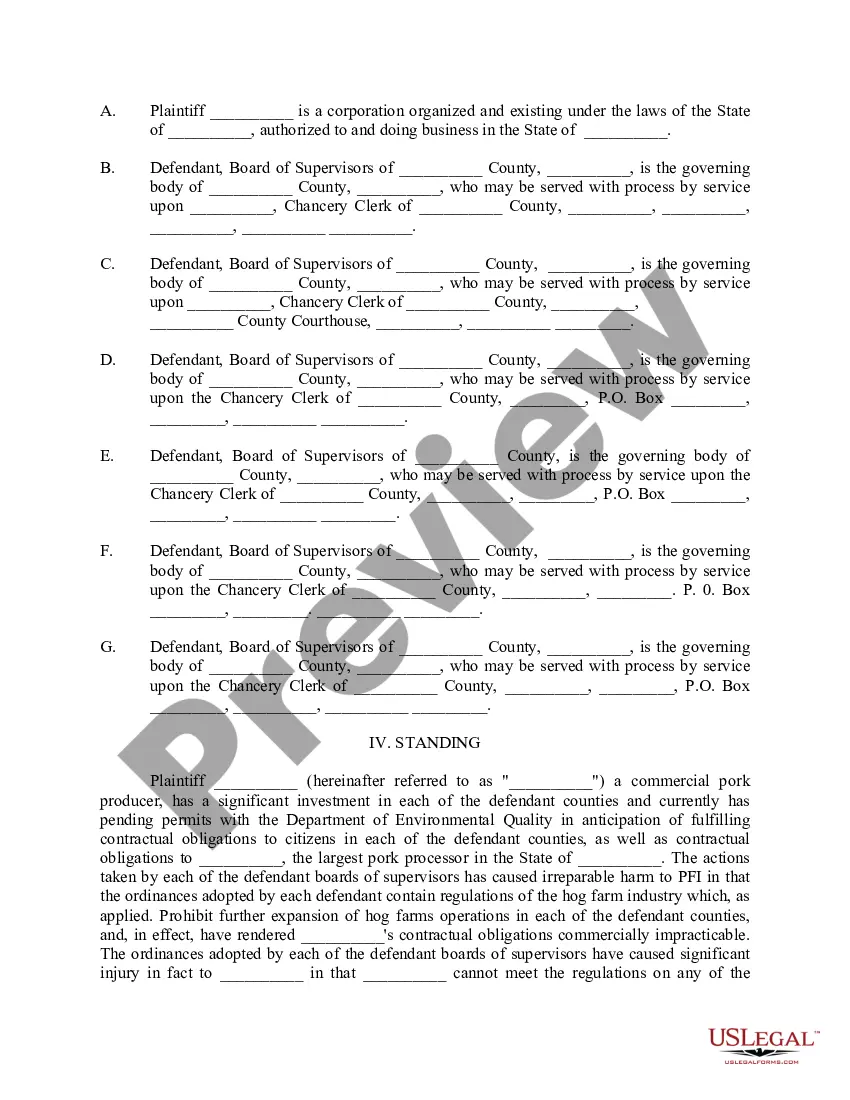
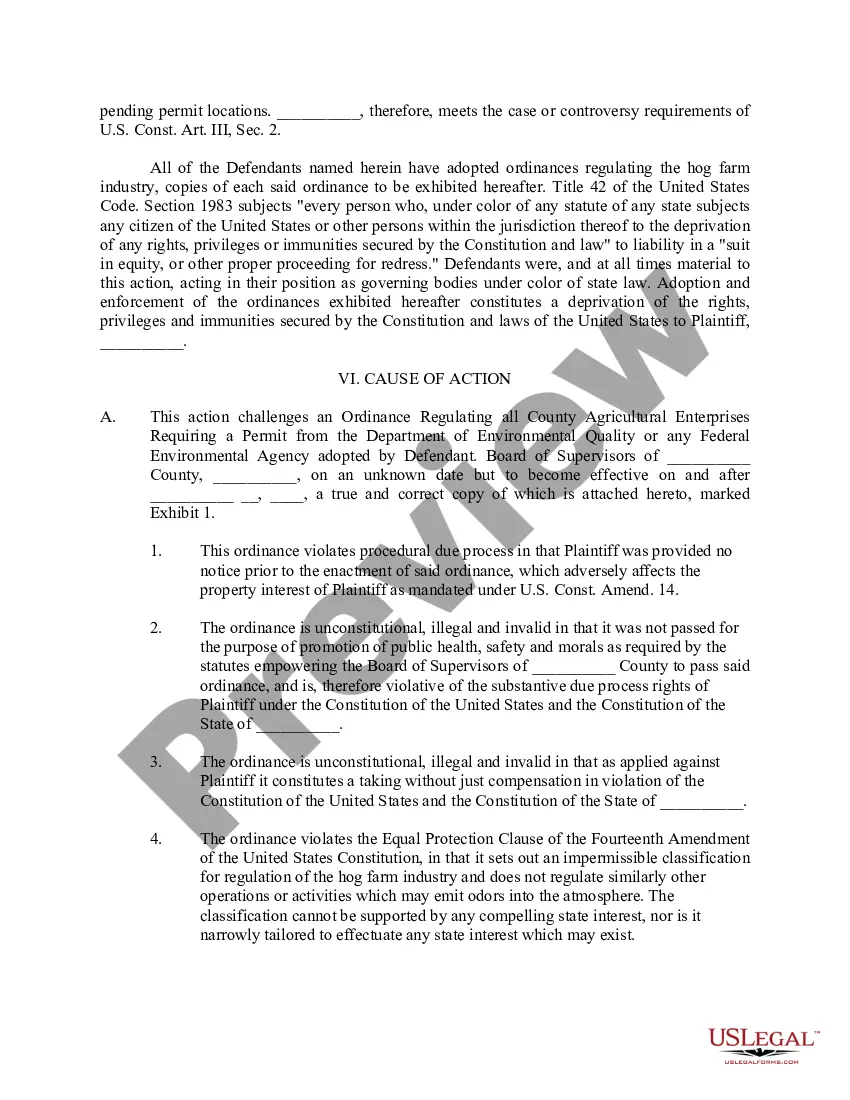
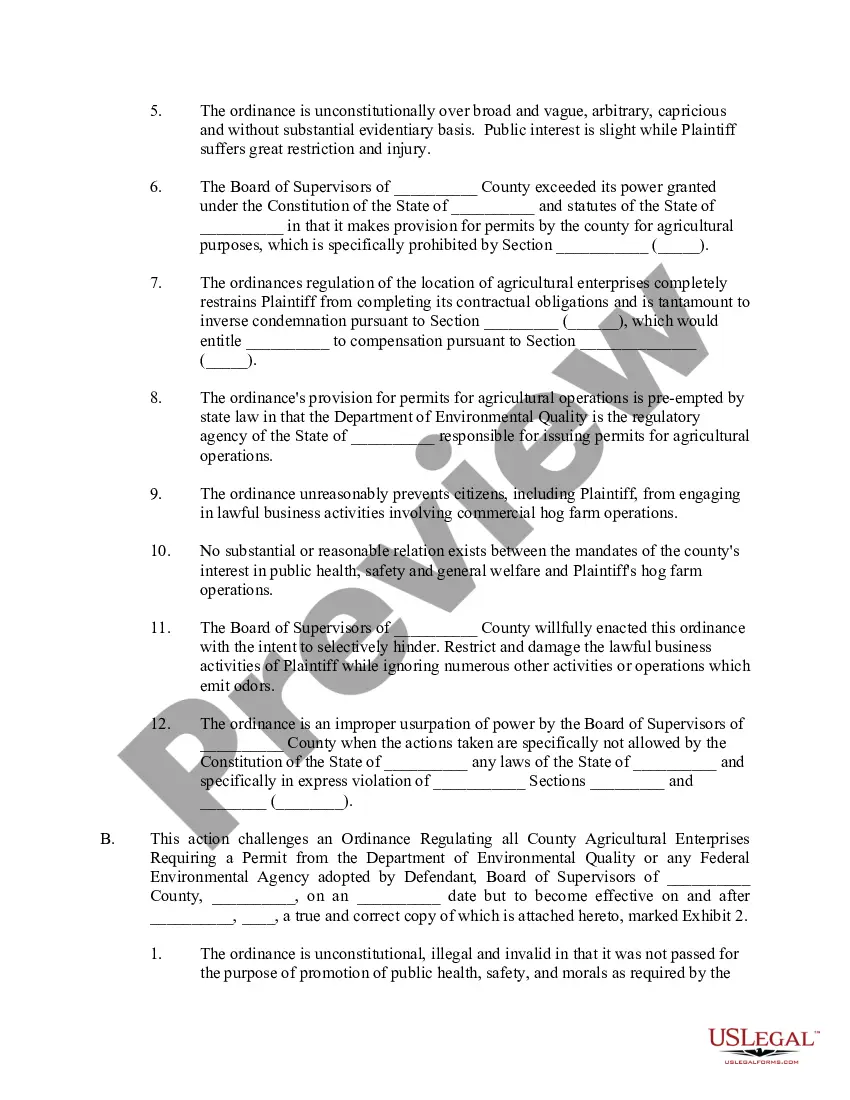
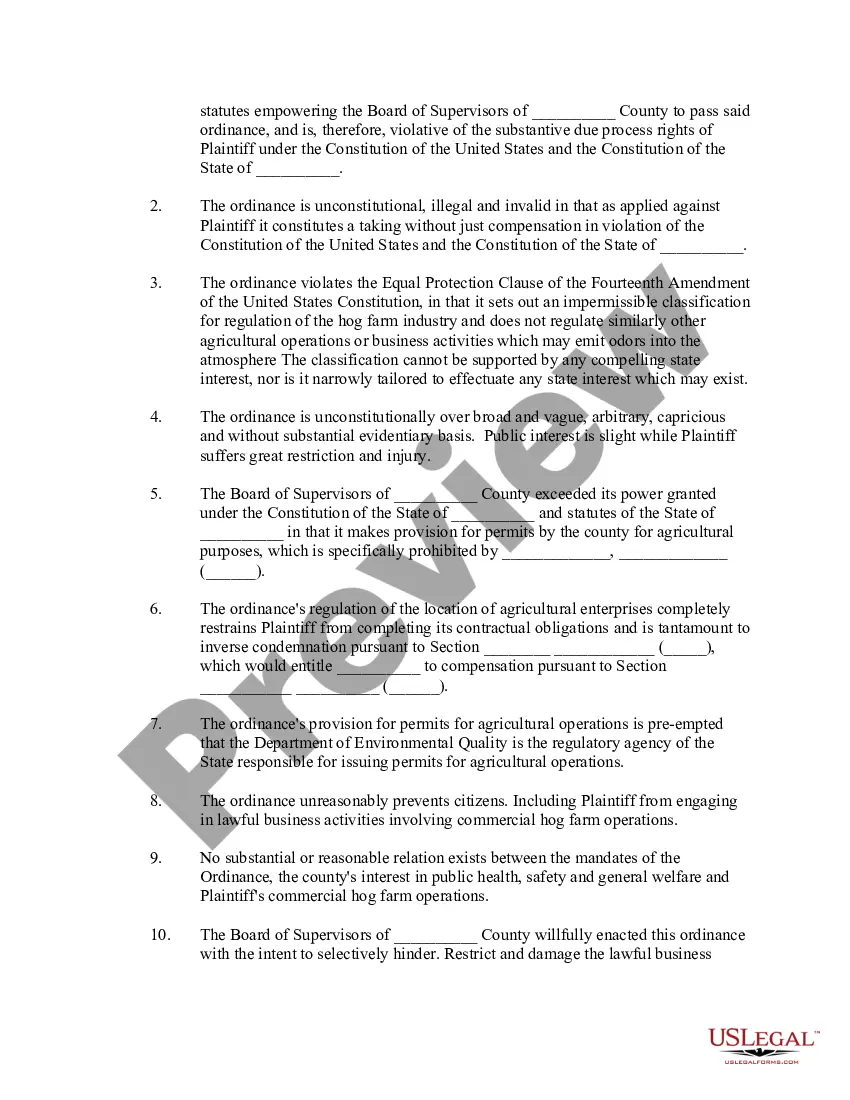
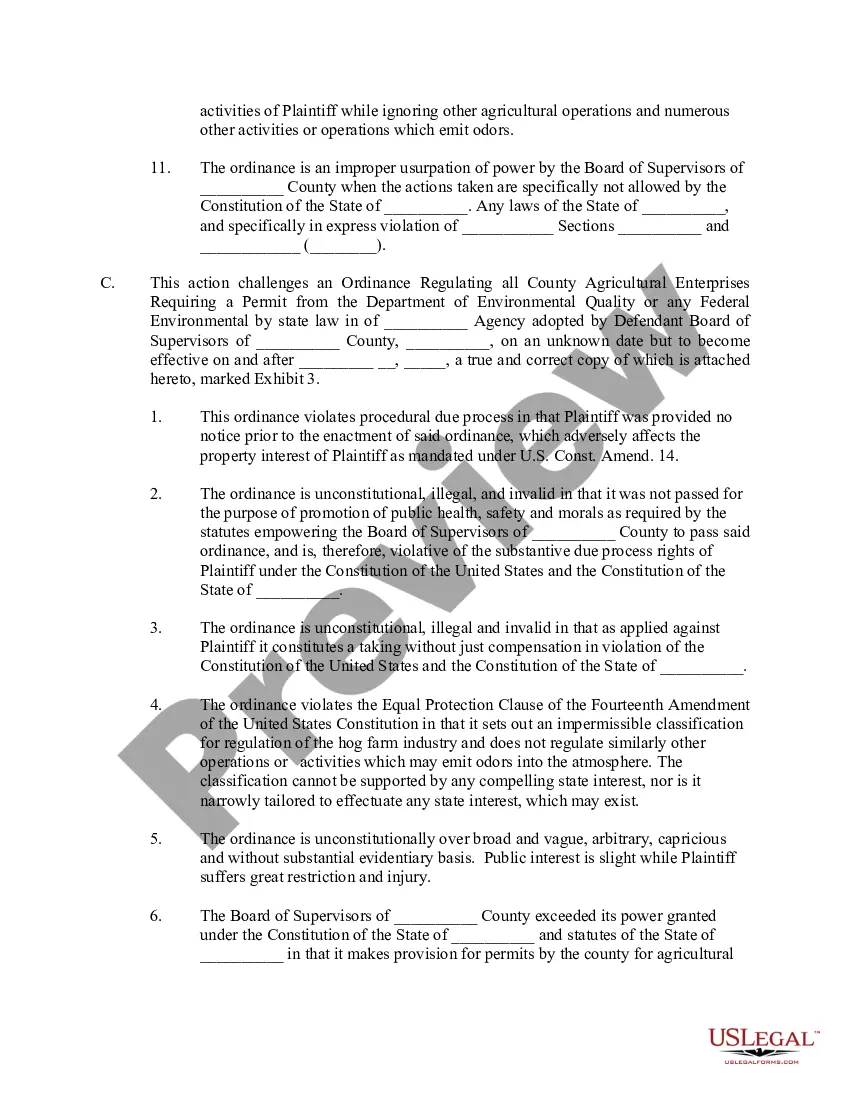
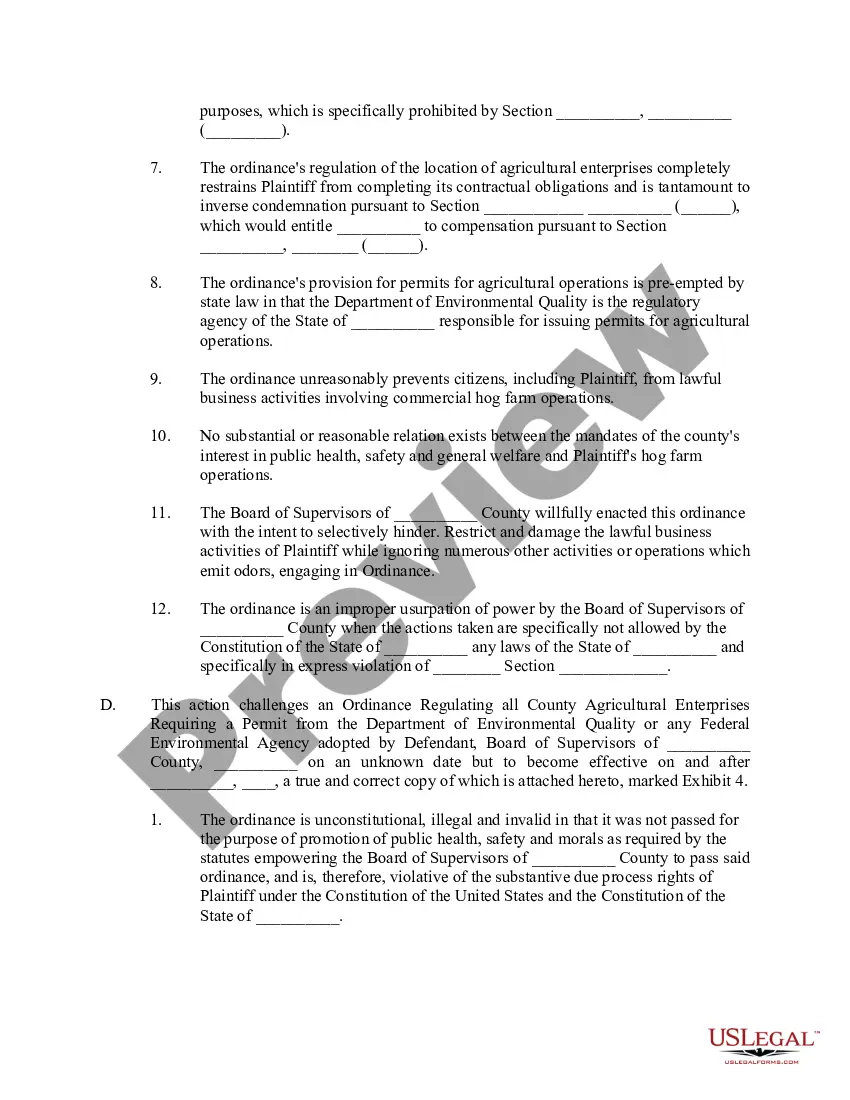
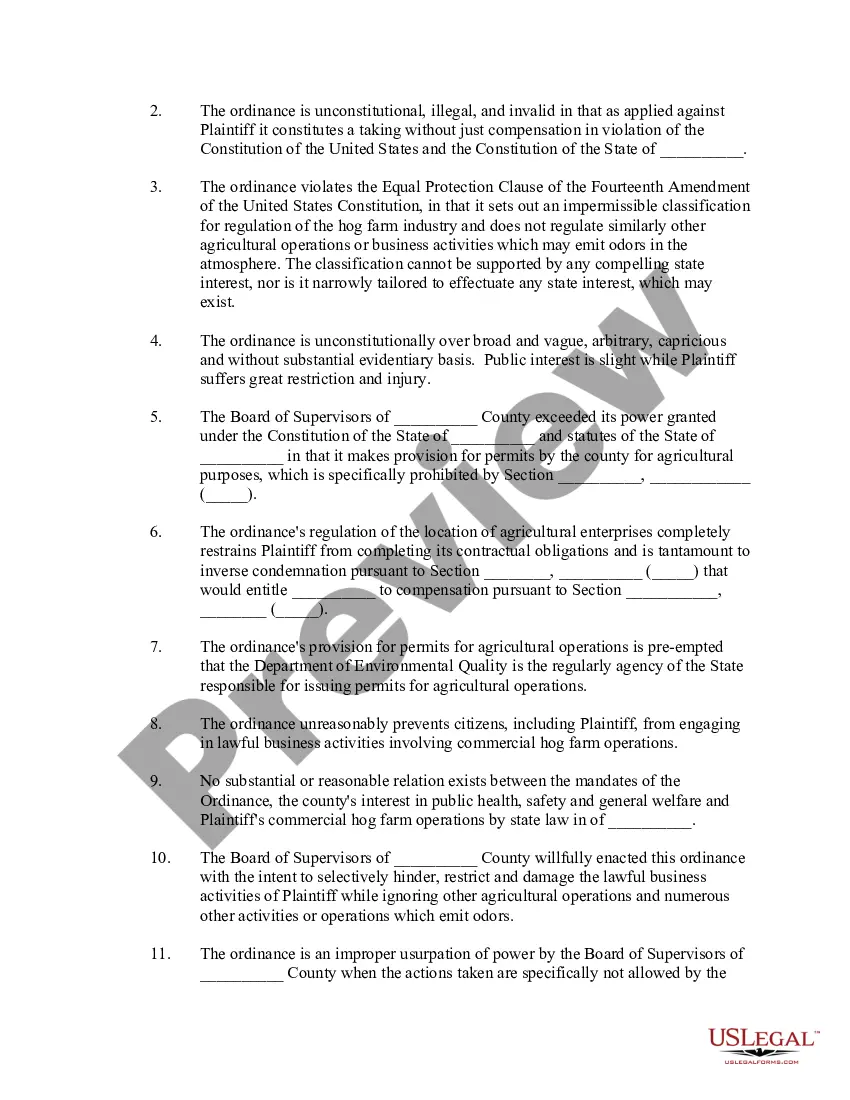
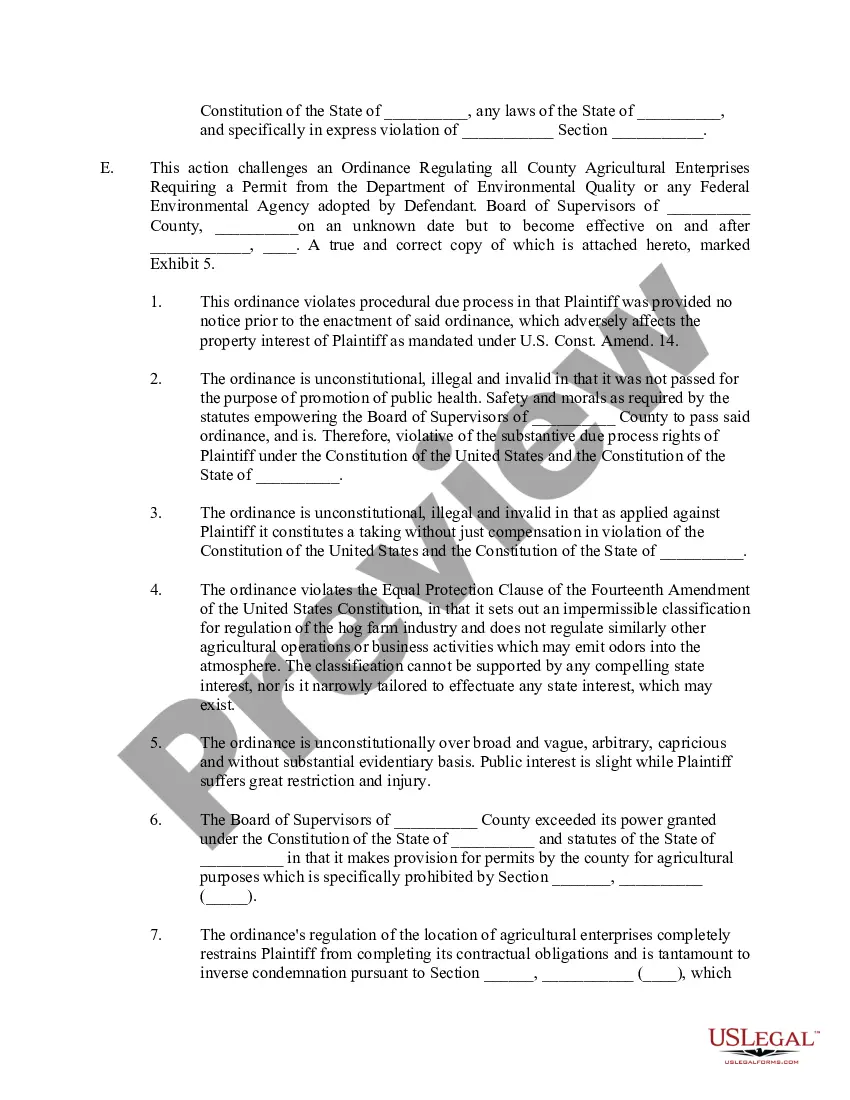






Get your form ready online
Our built-in tools help you complete, sign, share, and store your documents in one place.
Make edits, fill in missing information, and update formatting in US Legal Forms—just like you would in MS Word.
Download a copy, print it, send it by email, or mail it via USPS—whatever works best for your next step.
Sign and collect signatures with our SignNow integration. Send to multiple recipients, set reminders, and more. Go Premium to unlock E-Sign.
If this form requires notarization, complete it online through a secure video call—no need to meet a notary in person or wait for an appointment.
We protect your documents and personal data by following strict security and privacy standards.

Make edits, fill in missing information, and update formatting in US Legal Forms—just like you would in MS Word.

Download a copy, print it, send it by email, or mail it via USPS—whatever works best for your next step.

Sign and collect signatures with our SignNow integration. Send to multiple recipients, set reminders, and more. Go Premium to unlock E-Sign.

If this form requires notarization, complete it online through a secure video call—no need to meet a notary in person or wait for an appointment.

We protect your documents and personal data by following strict security and privacy standards.
Looking for another form?




Form popularity
FAQ
As per Article 113 of Limitation Act, the period of limitation for filing a suit for mandatory injunction is three years.
There are two types of an injunction. There is a temporary and a permanent injunction. The temporary injunction can last no longer than 15 days without the consent of both parties. A permanent injunction can last forever unless the judge modifies that injunction at the request of either party.
Injunctions can last a week, a month, 6 months, a year, 2 years, 5 years, or forever. How long an injunction lasts is really up to the judge.
Upon a proper showing by clear and convincing evidence, a permanent or preliminary injunction, restraining order, or writ of mandate shall be granted.
Examples: Permanent injunctions are often issued in cases involving ongoing nuisances, such as a factory emitting harmful pollutants, or in cases of trademark infringement, where a company is permanently prohibited from using a trademark that belongs to another business.
An injunction generally may be temporary or permanent. A temporary injunction preserves the status quo and the rights of the parties until the court issues further orders. A permanent (or final) injunction may continue after an action concludes, either perpetually or until a specified date.
He also established all three ingredients for the relief of injunctions, prima facie case, balance of convenience, and irreparable injury if the prayer is not granted. Thus, the plaintiff was rightly granted a permanent injunction against the defendant in relation to the said suit land.
Permanent injunctions are issued as a final judgment in a case, where monetary damages will not suffice. Failure to comply with an injunction may result in being held in contempt of court , which in turn may result in either criminal or civil liability .
Write a short and plain statement of the claim. Do not make legal arguments. State as briefly as possible the facts showing that each plaintiff is entitled to the injunction or other relief sought.
The party seeking a preliminary injunction must demonstrate that they will suffer irreparable harm if the injunction is not granted. Irreparable harm means that the harm cannot be adequately compensated by monetary damages or any other remedy except an injunction.
