Injunction Vs Court Order In Wake
Description

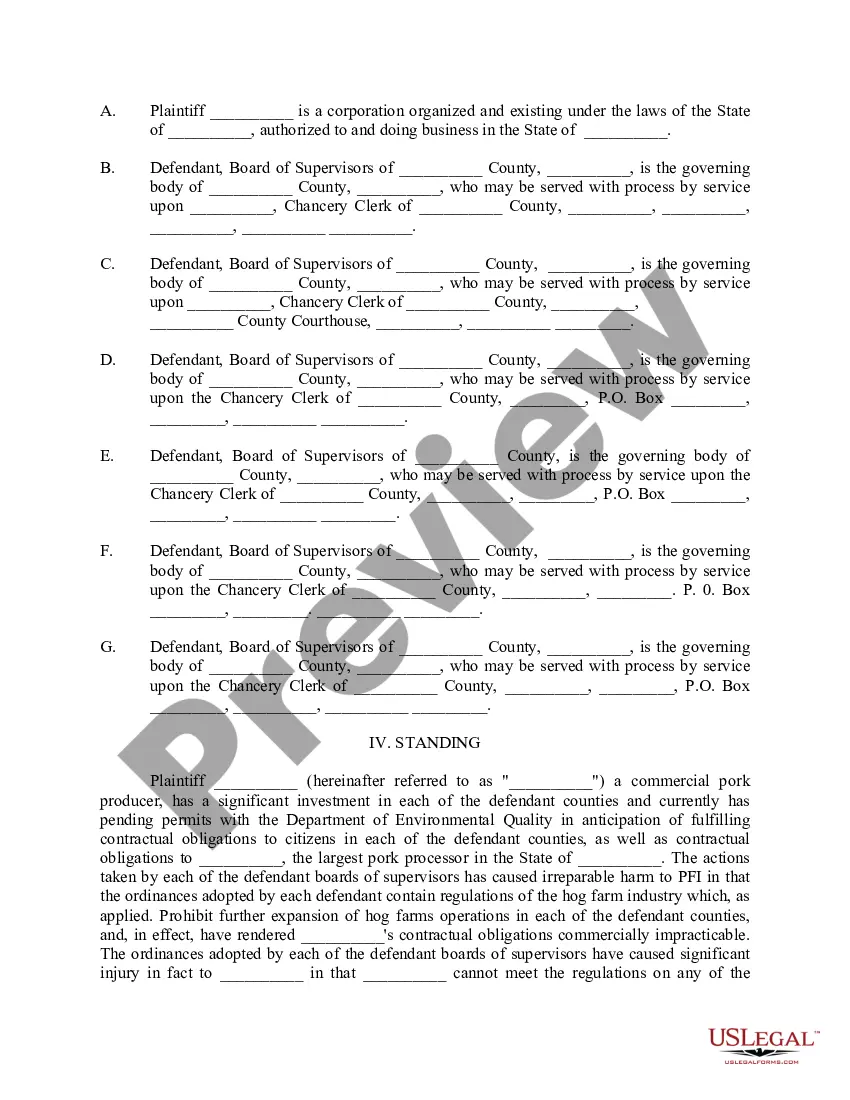
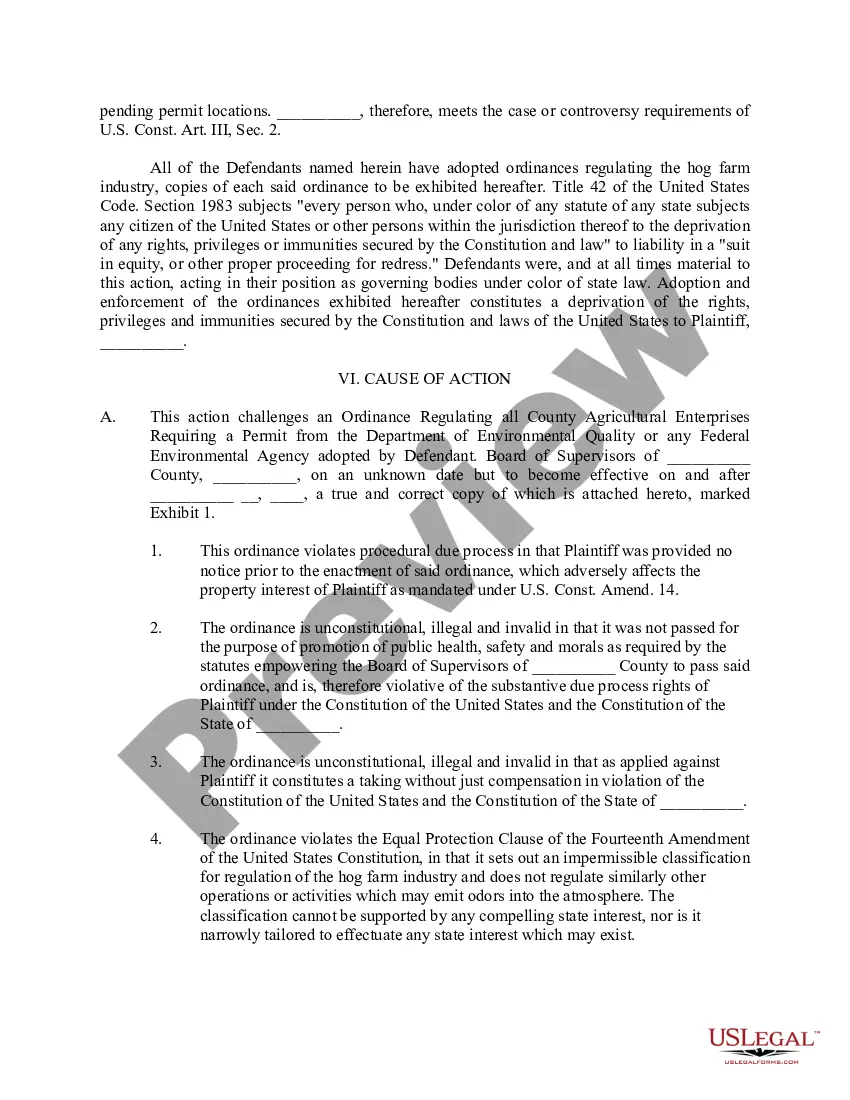
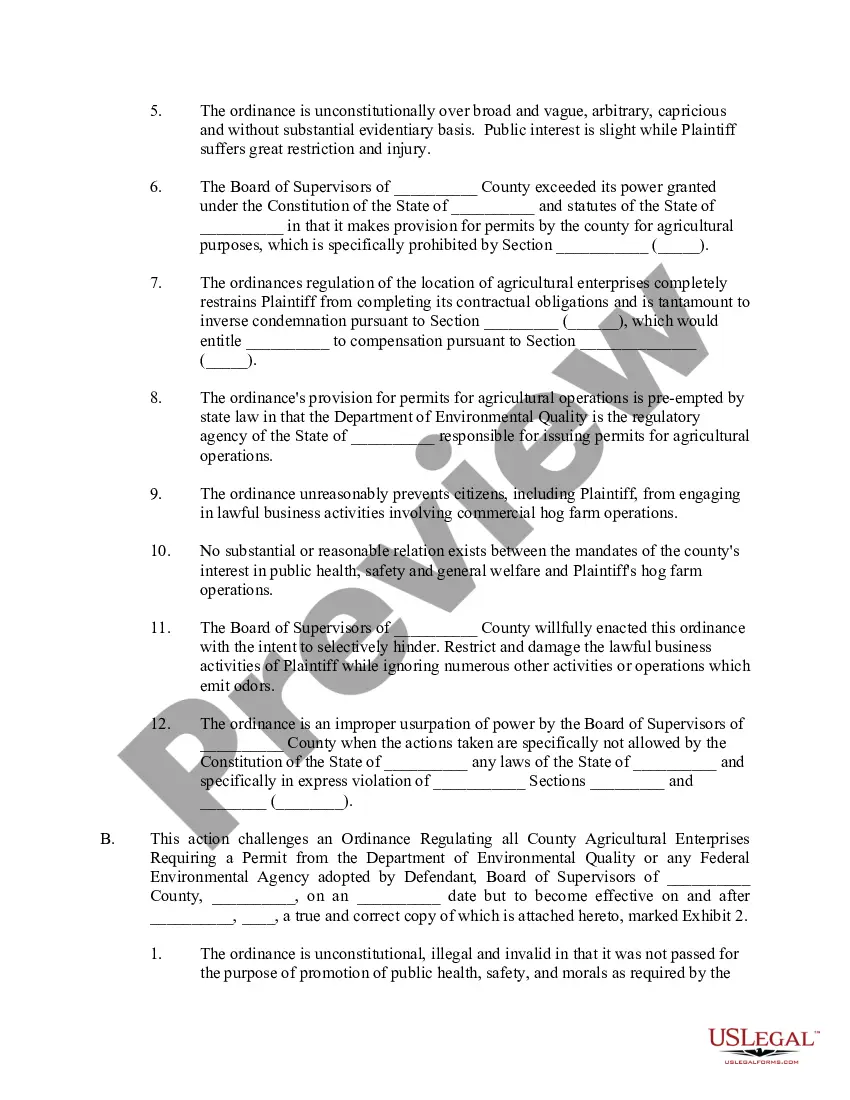
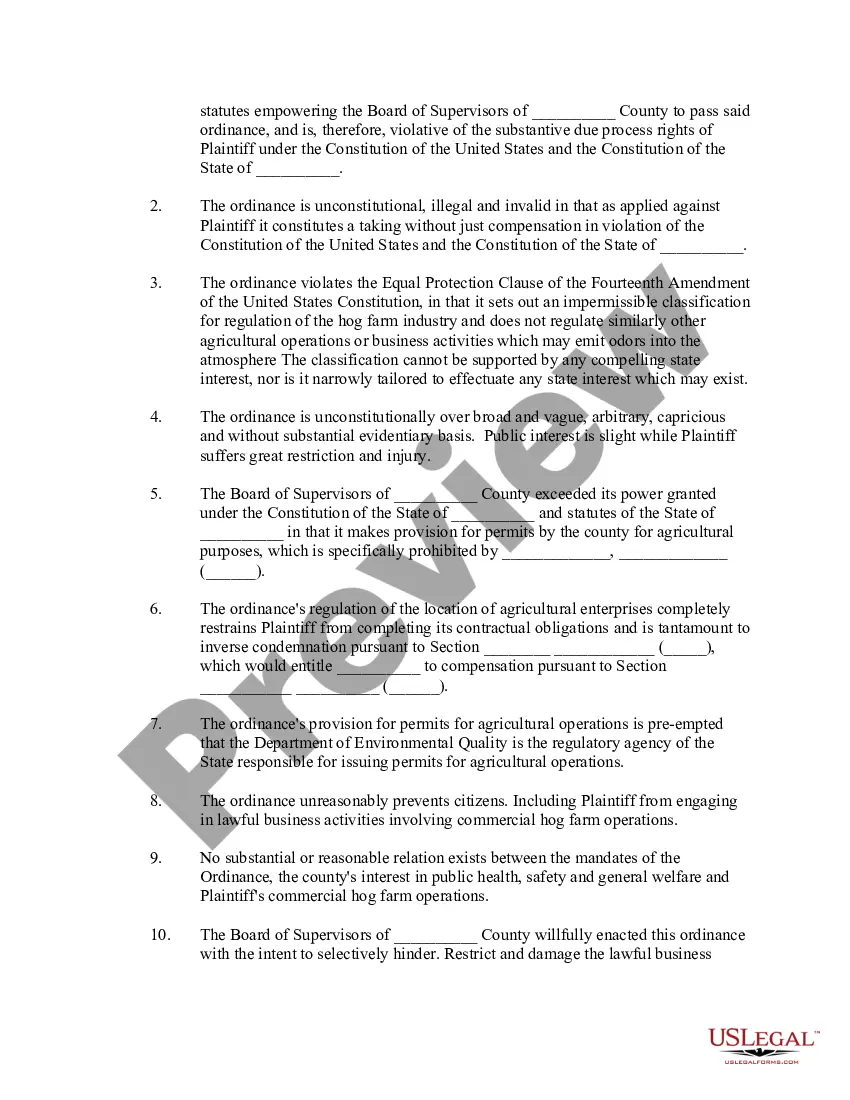
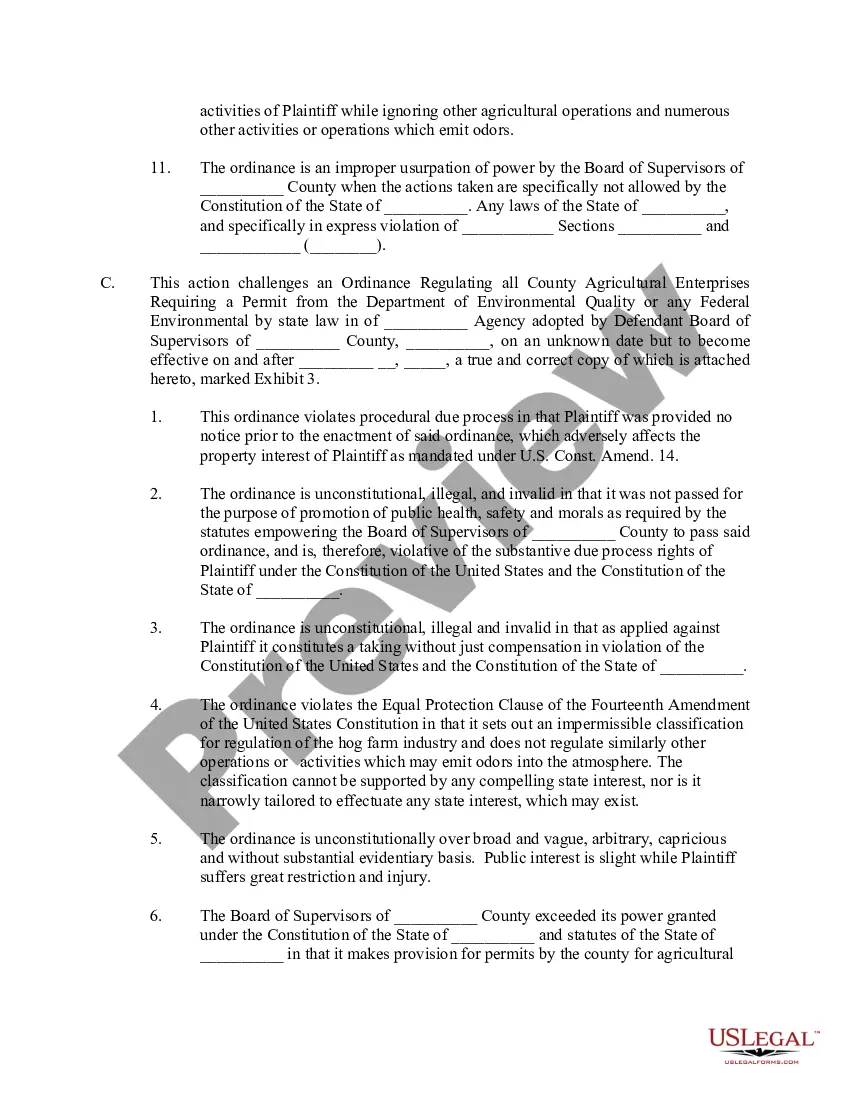
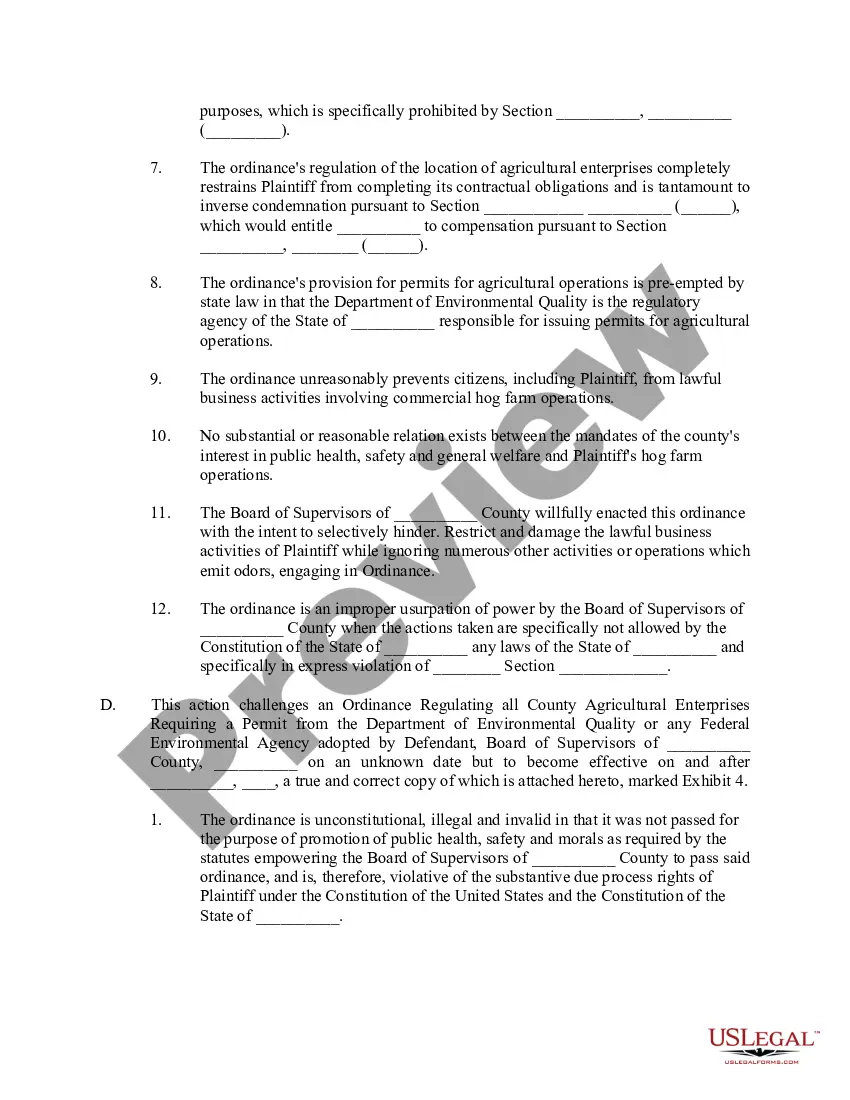
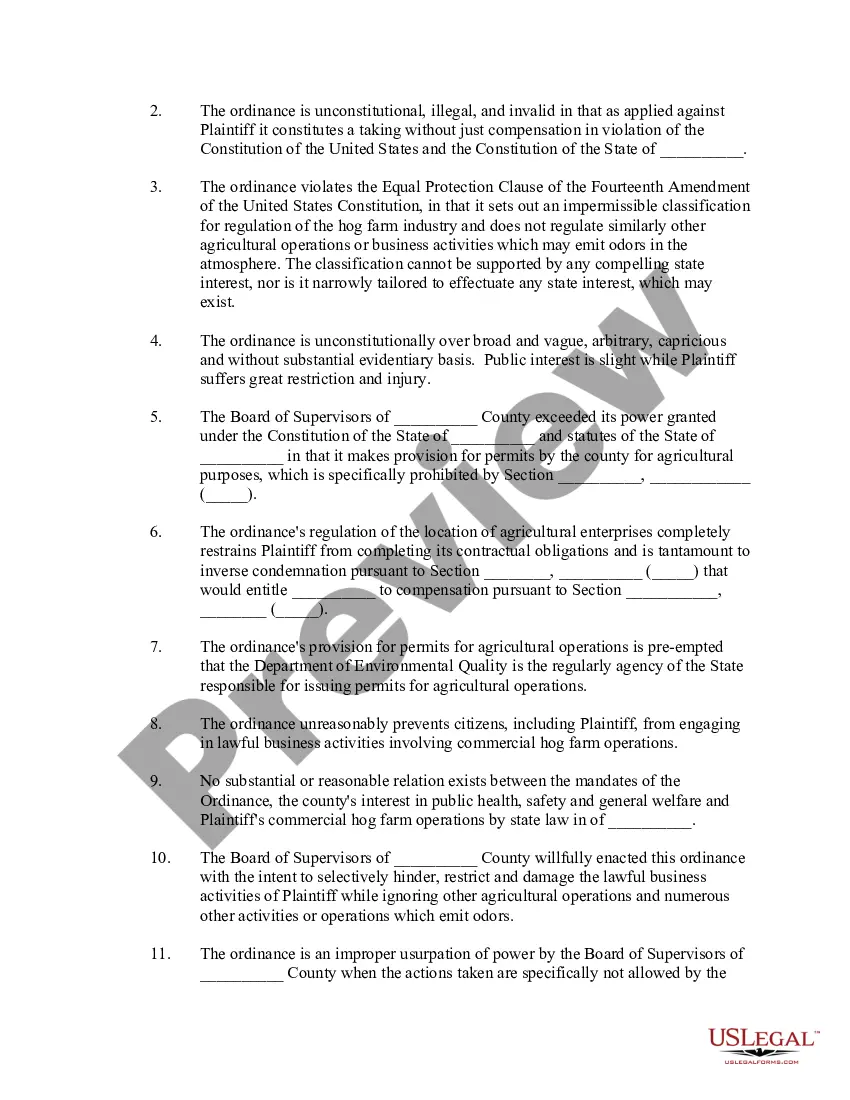
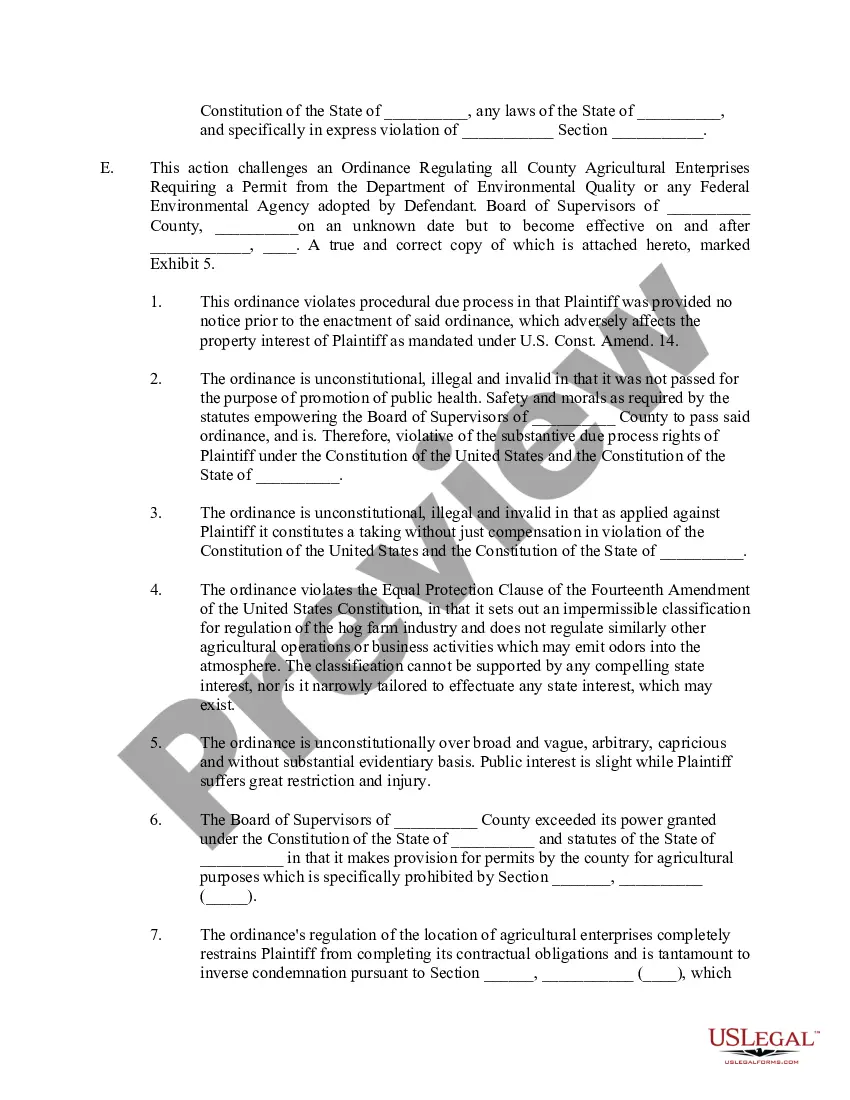






Get your form ready online
Our built-in tools help you complete, sign, share, and store your documents in one place.
Make edits, fill in missing information, and update formatting in US Legal Forms—just like you would in MS Word.
Download a copy, print it, send it by email, or mail it via USPS—whatever works best for your next step.
Sign and collect signatures with our SignNow integration. Send to multiple recipients, set reminders, and more. Go Premium to unlock E-Sign.
If this form requires notarization, complete it online through a secure video call—no need to meet a notary in person or wait for an appointment.
We protect your documents and personal data by following strict security and privacy standards.

Make edits, fill in missing information, and update formatting in US Legal Forms—just like you would in MS Word.

Download a copy, print it, send it by email, or mail it via USPS—whatever works best for your next step.

Sign and collect signatures with our SignNow integration. Send to multiple recipients, set reminders, and more. Go Premium to unlock E-Sign.

If this form requires notarization, complete it online through a secure video call—no need to meet a notary in person or wait for an appointment.

We protect your documents and personal data by following strict security and privacy standards.
Looking for another form?









Form popularity
FAQ
An injunction will show up on a person's criminal background check in spite of being a civil proceeding, which can carry some hefty consequences. This means that any potential landlords, employers, schools and organizations will be able to obtain a record of your criminal convictions.
The injunction is something ordered by the judge that can either be permanent or for a specific period of time. The restraining order usually only happens at the beginning of the case, once the person is served with a temporary restraining order and that will only last until the injunction hearing.
Using an injunction carries disadvantages as well. For one, courts generally use injunctions only to prevent a party from doing something. Aside from specific performance, where a court forces a party to fulfill a contractual obligation, it is more difficult to use an injunction to force another party to do something.
Florida Injunctions for Protection. An injunction (sometimes referred to as a restraining order) is a court order that tells one person to stay away from and not contact another person. Unless the court order says otherwise, this means no contact by phone, email, text messages, letter, in person, or other method.
An injunction is a court order requiring a person to do or cease doing a specific action. There are three types of injunctions: Permanent injunctions, Temporary restraining orders and preliminary injunctions.
Using an injunction carries disadvantages as well. For one, courts generally use injunctions only to prevent a party from doing something. Aside from specific performance, where a court forces a party to fulfill a contractual obligation, it is more difficult to use an injunction to force another party to do something.
Permanent injunctions are issued as a final judgment in a case, where monetary damages will not suffice. Failure to comply with an injunction may result in being held in contempt of court, which in turn may result in either criminal or civil liability.
For example, the complaint must adequately state a legal claim against the defendant, and the proof offered in support of the preliminary injunction motion must demonstrate that the defendant's conduct entitles the plaintiff to relief under each legal theory alleged.
Whereas many court orders concern themselves with administrative matters, like continuing a case, assessing costs or attorneys fees, or appointing a personal representative, an injunction is generally an order granted at the request of one party requiring another party to do or refrain from doing an act: it may ...