Permanent Injunction Order With Example In Utah
Description
















Get your form ready online
Our built-in tools help you complete, sign, share, and store your documents in one place.
Make edits, fill in missing information, and update formatting in US Legal Forms—just like you would in MS Word.
Download a copy, print it, send it by email, or mail it via USPS—whatever works best for your next step.
Sign and collect signatures with our SignNow integration. Send to multiple recipients, set reminders, and more. Go Premium to unlock E-Sign.
If this form requires notarization, complete it online through a secure video call—no need to meet a notary in person or wait for an appointment.
We protect your documents and personal data by following strict security and privacy standards.

Make edits, fill in missing information, and update formatting in US Legal Forms—just like you would in MS Word.

Download a copy, print it, send it by email, or mail it via USPS—whatever works best for your next step.

Sign and collect signatures with our SignNow integration. Send to multiple recipients, set reminders, and more. Go Premium to unlock E-Sign.

If this form requires notarization, complete it online through a secure video call—no need to meet a notary in person or wait for an appointment.

We protect your documents and personal data by following strict security and privacy standards.
Looking for another form?
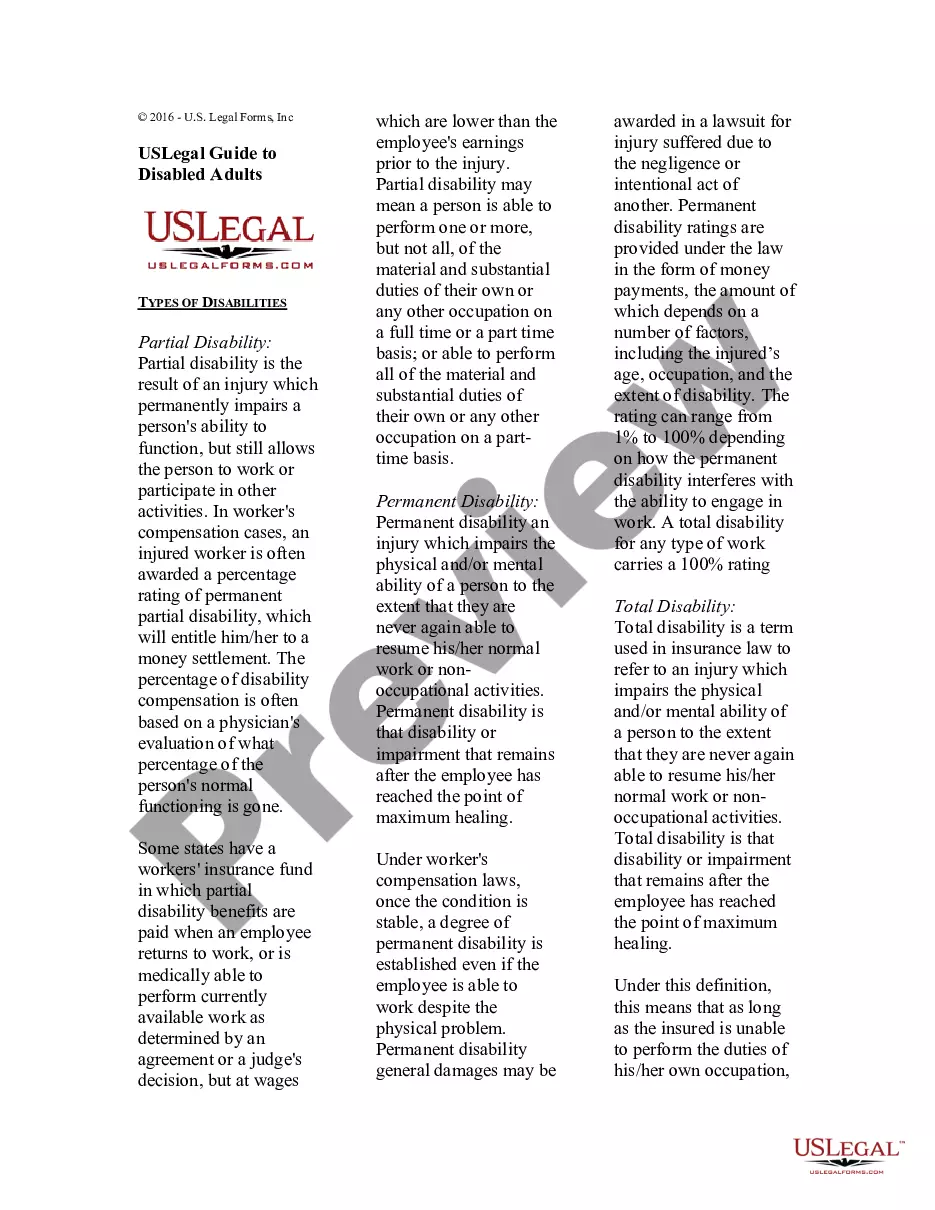


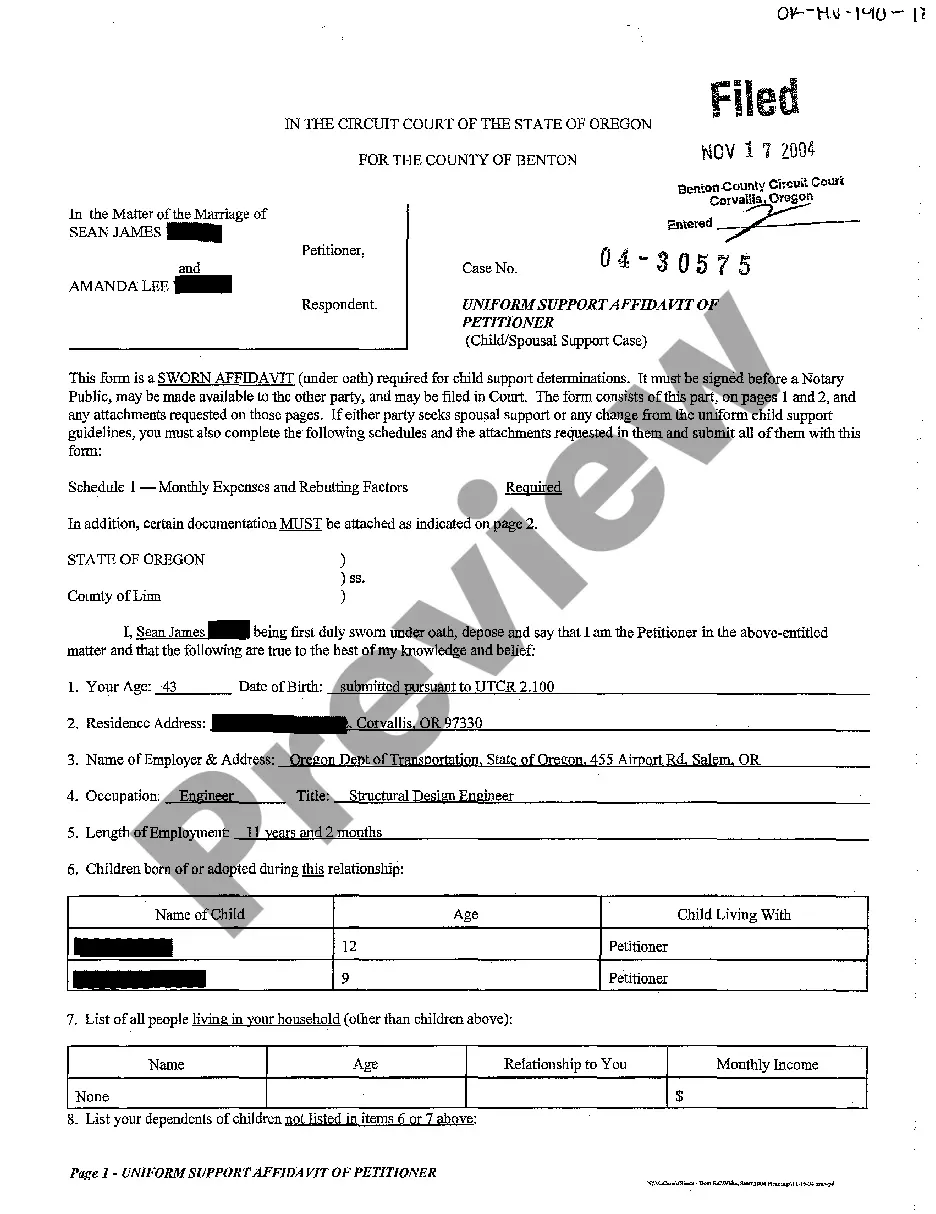

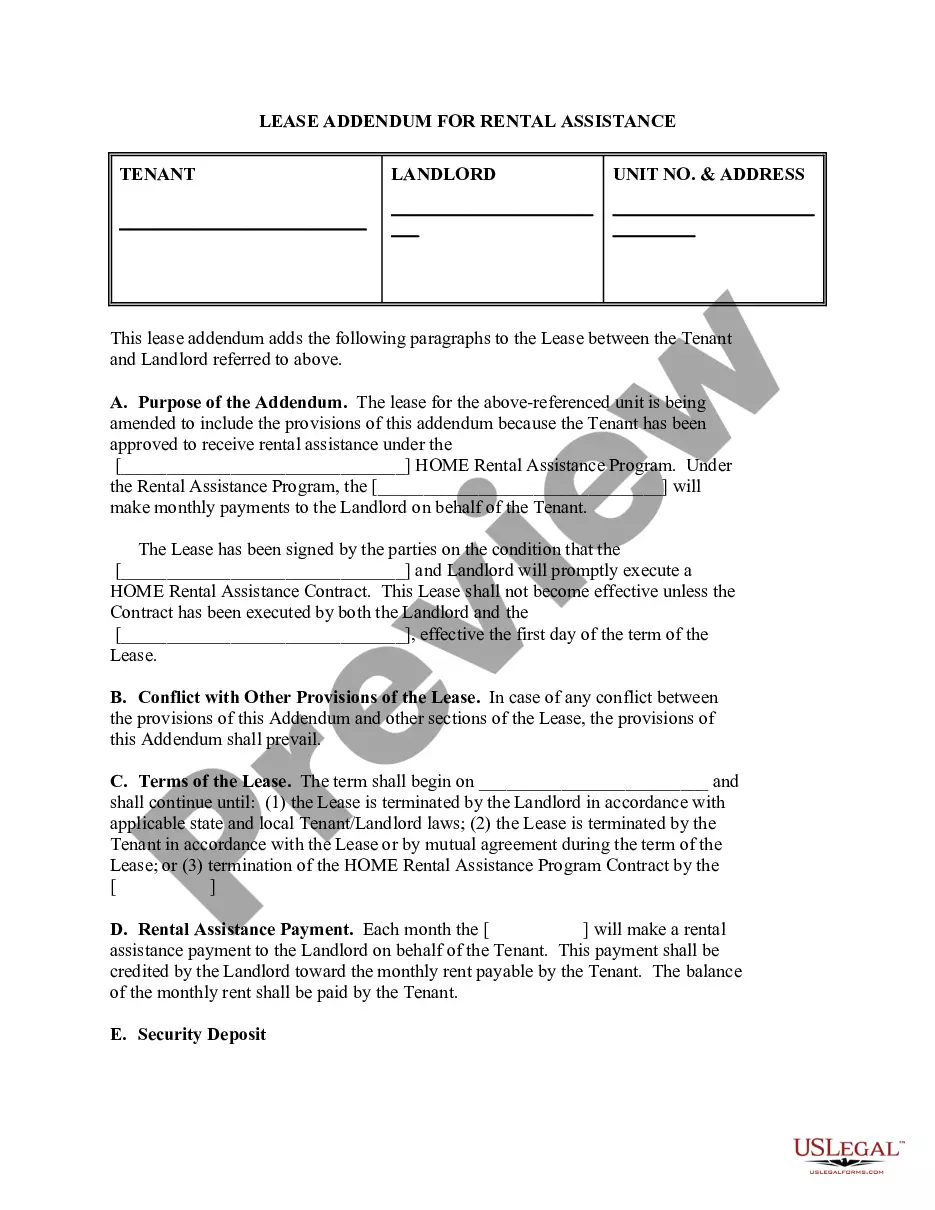




Form popularity
FAQ
Natural Resources Defense Council, Inc., 555 U.S. 7 (2008), is applicable to all other litigants seeking preliminary injunctions, and requires that a party seeking a preliminary injunction must establish: (1) it is likely to succeed on the merits, (2) it is likely to suffer irreparable harm in the absence of ...
These courts consider: (1) the likelihood of success on the merits; (2) irreparable harm if the injunction is not granted; (3) whether a balancing of the relevant equities favors the injunction; and (4) whether the issuance of the injunction is in the public interest.
To seek a permanent injunction, the plaintiff must pass the four-step test: (1) that the plaintiff has suffered an irreparable injury; (2) that remedies available at law, such as monetary damages, are inadequate to compensate for the injury; (3) that the remedy in equity is warranted upon consideration of the balance ...
First, an injunction is a court order delivered in a civil trial or suit. This court order stops the defendant from pursuing a certain activity. This can include constructing a new building, pursuing a business venture, or making transactions that are harmful to the plaintiff.
For example, in addition to making a financial judgment against a defendant, a court might issue a permanent injunction ordering that the defendant does not participate in a certain activity or business.
Legal Standards: To obtain a preliminary injunction, the requesting party must demonstrate: The likelihood of success on the merits of the case. That irreparable harm is likely to occur if the injunction is not granted. The balance of harms weighs in favor of the injunction being issued.
The civil stalking injunction will be in effect for three years from the date of service of the temporary injunction.
There are two types of an injunction. There is a temporary and a permanent injunction. The temporary injunction can last no longer than 15 days without the consent of both parties. A permanent injunction can last forever unless the judge modifies that injunction at the request of either party.
Procedure to Obtain a No Contact Order in Utah: The person seeking protection must file a petition in court. A judge reviews the petition and may grant a temporary order. A hearing is scheduled where both parties can present their cases. If necessary, a long-term order is granted.
To seek a permanent injunction, the plaintiff must pass the four-step test: (1) that the plaintiff has suffered an irreparable injury; (2) that remedies available at law, such as monetary damages, are inadequate to compensate for the injury; (3) that the remedy in equity is warranted upon consideration of the balance ...
