Motion For Temporary Order Sample With No Experience In Philadelphia
Description
















Get your form ready online
Our built-in tools help you complete, sign, share, and store your documents in one place.
Make edits, fill in missing information, and update formatting in US Legal Forms—just like you would in MS Word.
Download a copy, print it, send it by email, or mail it via USPS—whatever works best for your next step.
Sign and collect signatures with our SignNow integration. Send to multiple recipients, set reminders, and more. Go Premium to unlock E-Sign.
If this form requires notarization, complete it online through a secure video call—no need to meet a notary in person or wait for an appointment.
We protect your documents and personal data by following strict security and privacy standards.

Make edits, fill in missing information, and update formatting in US Legal Forms—just like you would in MS Word.

Download a copy, print it, send it by email, or mail it via USPS—whatever works best for your next step.

Sign and collect signatures with our SignNow integration. Send to multiple recipients, set reminders, and more. Go Premium to unlock E-Sign.

If this form requires notarization, complete it online through a secure video call—no need to meet a notary in person or wait for an appointment.

We protect your documents and personal data by following strict security and privacy standards.
Looking for another form?
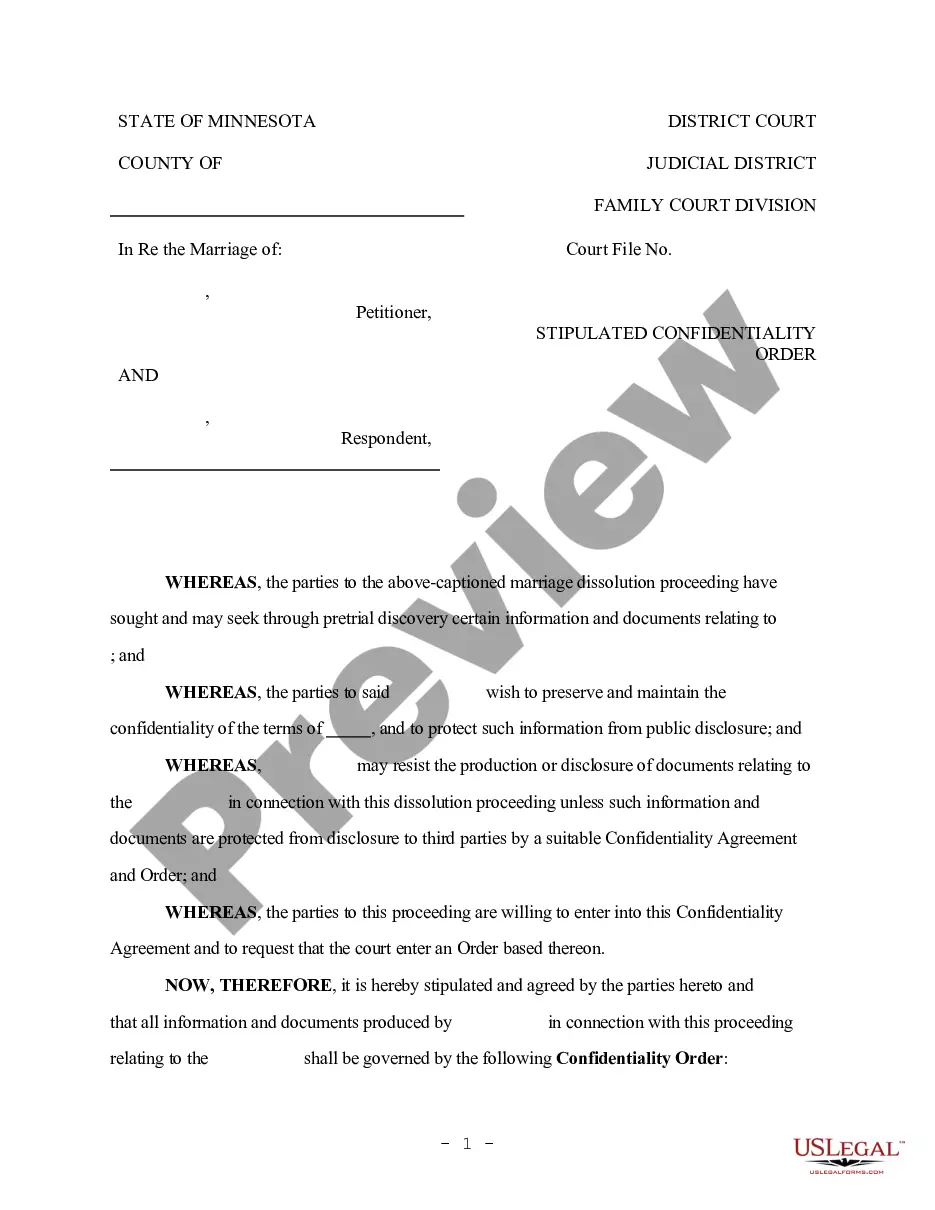







Form popularity
FAQ
A party seeking temporary custody or special relief shall present a Special Relief Petition and a proposed Order of Court to the Family Motion Court Judge. Such requests shall normally only be decided following a hearing in Motion Court with all parties present.
Temporary orders They remain in effect until a judge modifies them or issues a final order. If parents can't agree on a temporary order during conciliation, the conference officer recommends one to the court, and the parties must follow it until the court rules otherwise.
Before a party can request temporary custody or special relief, a Complaint for Custody must have been filed OR a Court Order must be in effect. A party seeking temporary custody or special relief shall present a Special Relief Petition and a proposed Order of Court to the Family Motion Court Judge.
Emergency custody is utilized in situations where a child faces imminent harm or danger that requires immediate intervention by the court. In Pennsylvania, you must show the court that there are compelling reasons for taking immediate action to protect a child's best interests.
In most states, you will need to file: an application for order to show cause. a supporting declaration that relays your reasons for the request. a proposed temporary order and. a proof of service.
The thing to do is file an emergency petition with your court. If the family court judge determines that an emergency truly exists, then a judge will probably be able to give you relief much more quickly than a judge would give you on a normal case where an emergency doesn't exist.
If you are able to demonstrate some sort of imminent harm/danger/threat, then the court will grant the emergency custody order. If the order is granted, then the court will have a more formal hearing, usually ten days later, and the other custodian will then get notice to show up so they can tell their side.
Insufficient Evidence: The court requires compelling evidence to grant emergency custody. While you mentioned having videos, pictures, and text messages, the court might have found the evidence insufficient to demonstrate an immediate threat.
Mothers historically have won more custody battles due to traditional roles and perceptions of mothers as the primary caregivers. However, this trend is changing as courts increasingly focus on the best interests of the child, considering many factors beyond traditional roles.
Henceforth the rights and responsibilities of the parents in the absence of misconduct shall be equal, and one parent shall be as fully entitled to the custody, control and earnings of the children as the other parent, and in case of one parent's death, the other parent shall come into full and complete control of the ...
