Declaratory Judgment Complaint With Usps In New York
Description
















Get your form ready online
Our built-in tools help you complete, sign, share, and store your documents in one place.
Make edits, fill in missing information, and update formatting in US Legal Forms—just like you would in MS Word.
Download a copy, print it, send it by email, or mail it via USPS—whatever works best for your next step.
Sign and collect signatures with our SignNow integration. Send to multiple recipients, set reminders, and more. Go Premium to unlock E-Sign.
If this form requires notarization, complete it online through a secure video call—no need to meet a notary in person or wait for an appointment.
We protect your documents and personal data by following strict security and privacy standards.

Make edits, fill in missing information, and update formatting in US Legal Forms—just like you would in MS Word.

Download a copy, print it, send it by email, or mail it via USPS—whatever works best for your next step.

Sign and collect signatures with our SignNow integration. Send to multiple recipients, set reminders, and more. Go Premium to unlock E-Sign.

If this form requires notarization, complete it online through a secure video call—no need to meet a notary in person or wait for an appointment.

We protect your documents and personal data by following strict security and privacy standards.
Looking for another form?


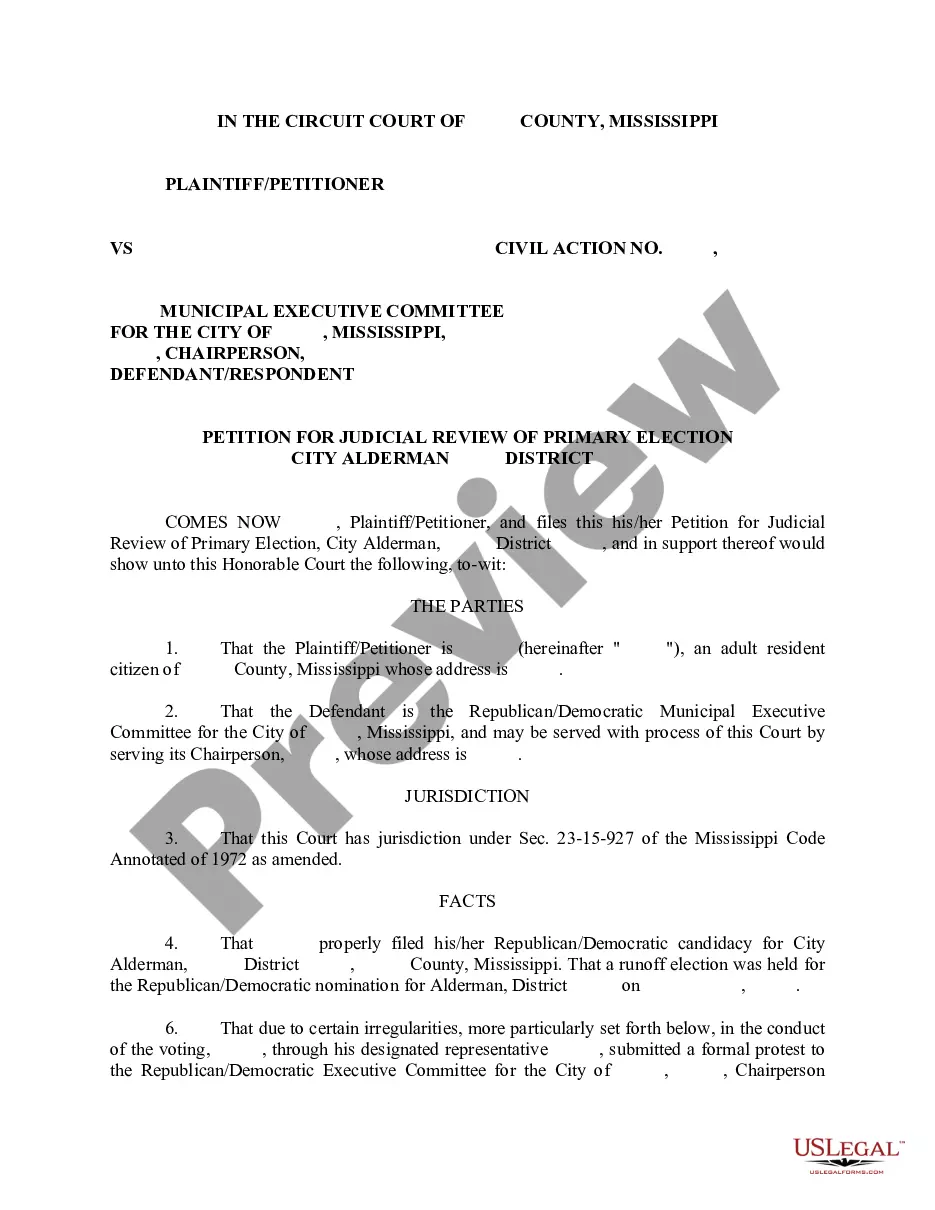




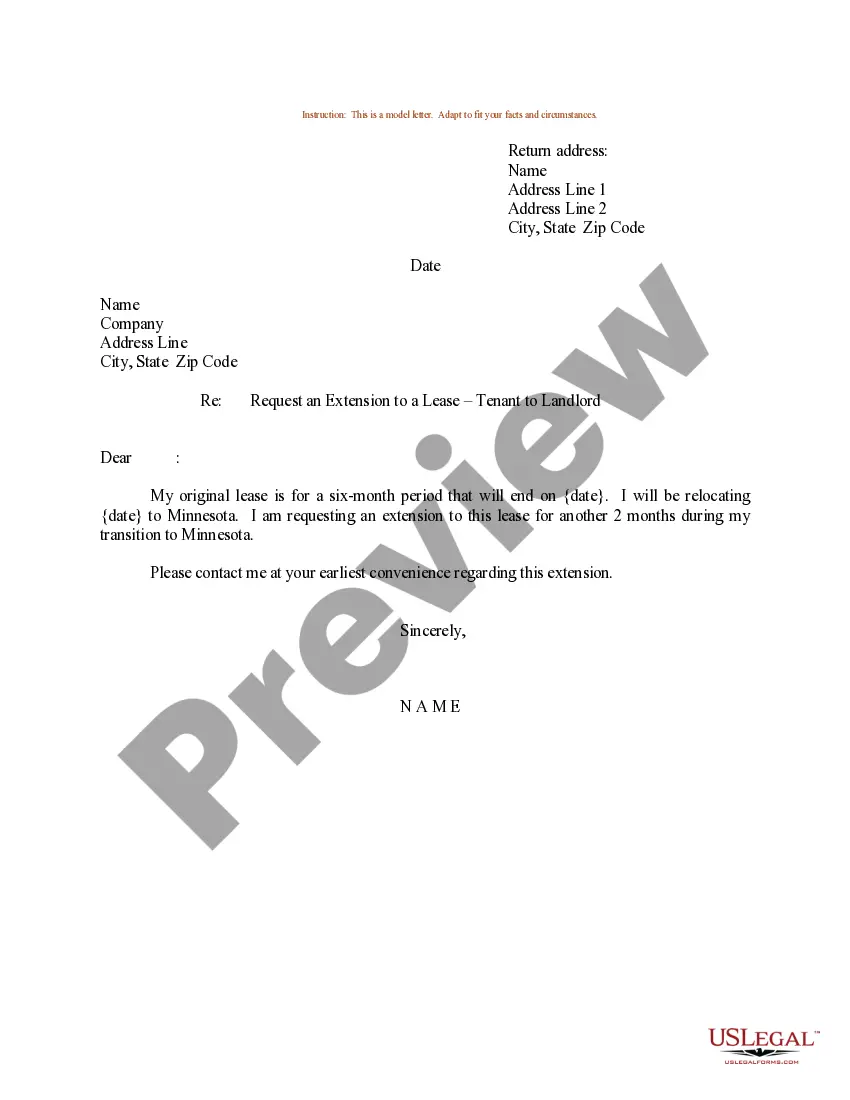


Form popularity
FAQ
Claims for Loss or Damage Online: Go to ps⁄help⁄claims.htm for information on USPS domestic insurance. By mail: Call 800-ASK-USPS (800-275-8777) to have a claim form mailed to you. Evidence of Insurance. Proof of Value. Proof of Damage or Partial Loss of Contents.
The OIG plays a key role in maintaining the integrity and accountability of America's postal service, its revenue and assets, and its employees. With more than $78 billion in revenue, the Postal Service is at the core of a nearly $1.6 trillion U.S. mailing industry that employs approximately 7.3 million people.
1-800-ASK-USPS They also can contact Postal officials nationwide electronically and immediately refer your issue to the appropriate local Postal manager who is in the best position to deal with your concerns.
If you are contacting us from a Congressional office, please email us at congressional@uspsoig.
A declaratory judgment is typically requested when a party is threatened with a lawsuit but the lawsuit has not yet been filed; or when a party or parties believe that their rights under law and/or contract might conflict; or as part of a counterclaim to prevent further lawsuits from the same plaintiff (for example, ...
A declaratory judgment is a ruling of the court to clarify something (usually a contract provision) that is in dispute. A summary judgment is a ruling that a case or portion of a case must be dismissed because there are no triable issues of material fact in dispute.
A declaratory judgment is a binding judgment from a court defining the legal relationship between parties and their rights in a matter before the court. When there is uncertainty as to the legal obligations or rights between two parties, a declaratory judgment offers an immediate means to resolve this uncertainty.
Declaratory judgment. The supreme court may render a declaratory judgment having the effect of a final judgment as to the rights and other legal relations of the parties to a justiciable controversy whether or not further relief is or could be claimed.
A plaintiff seeking declaratory relief must show that there is an actual controversy even though declaratory relief will not order enforceable action against the defendant. An actual controversy means there is a connection between the challenged conduct and injury, and redressability that the court could order.
Example of Declaratory Judgment For example, a policyholder believes that their denied claim is unjust. As a result, they inform the insurer that they are considering a lawsuit to recover losses. The insurer seeks a declaratory judgment to clarify its rights and obligations with hopes of preventing the lawsuit.
