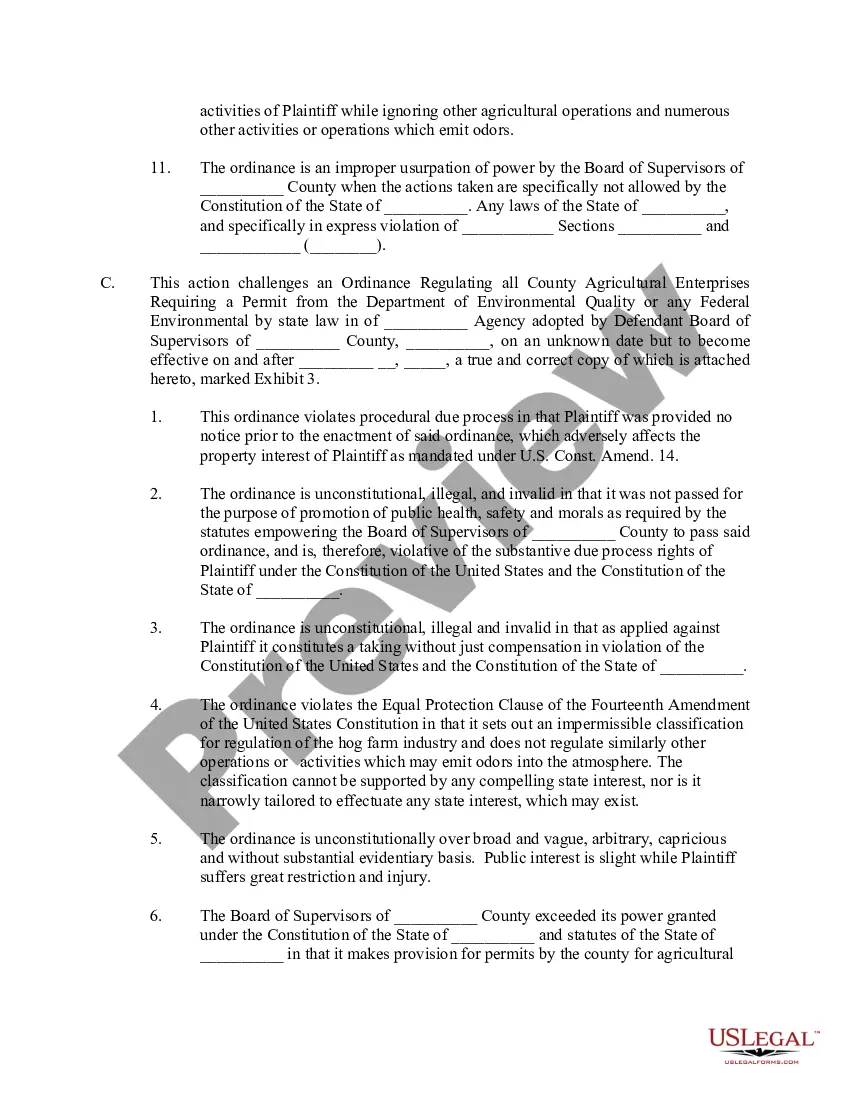
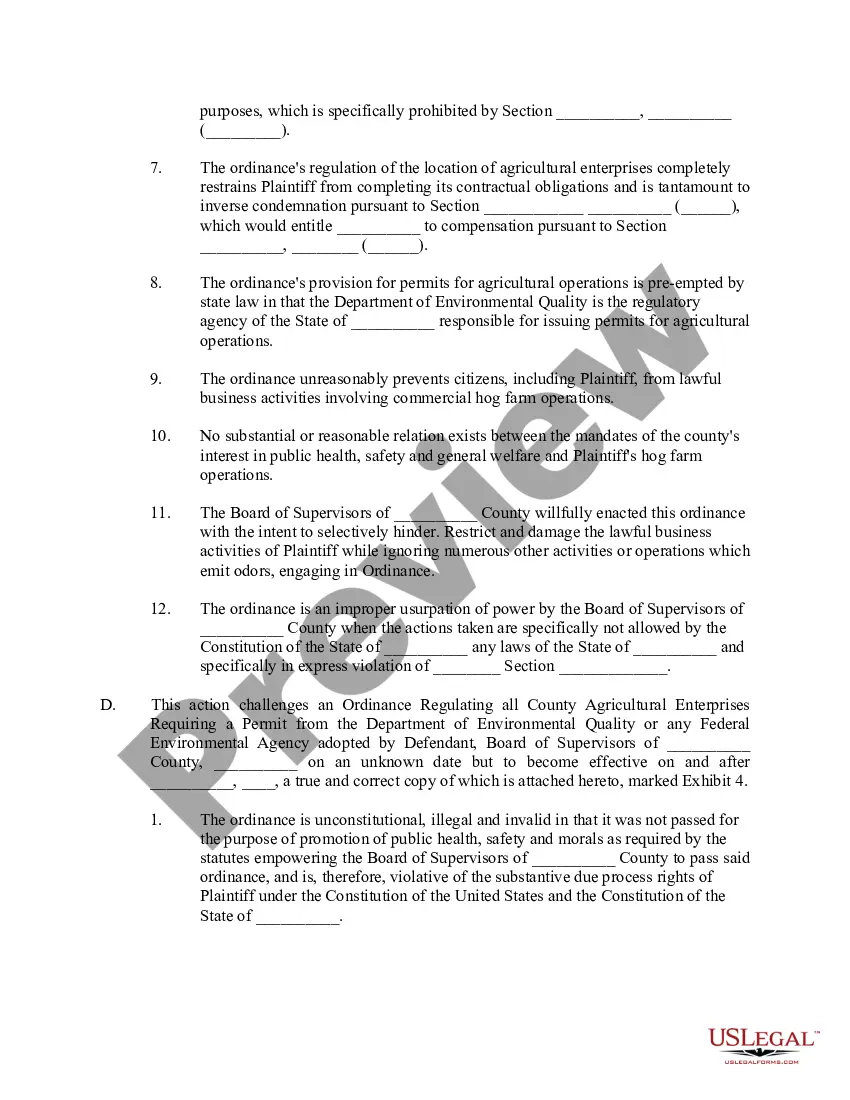
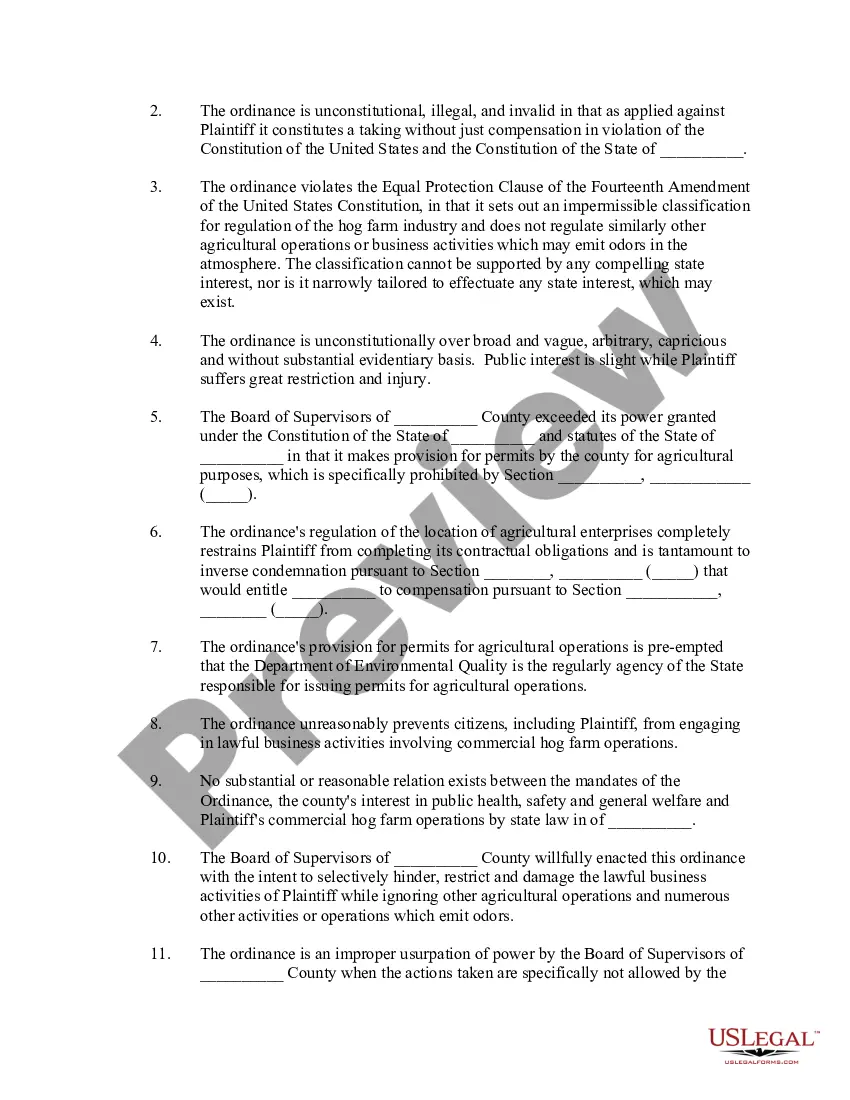
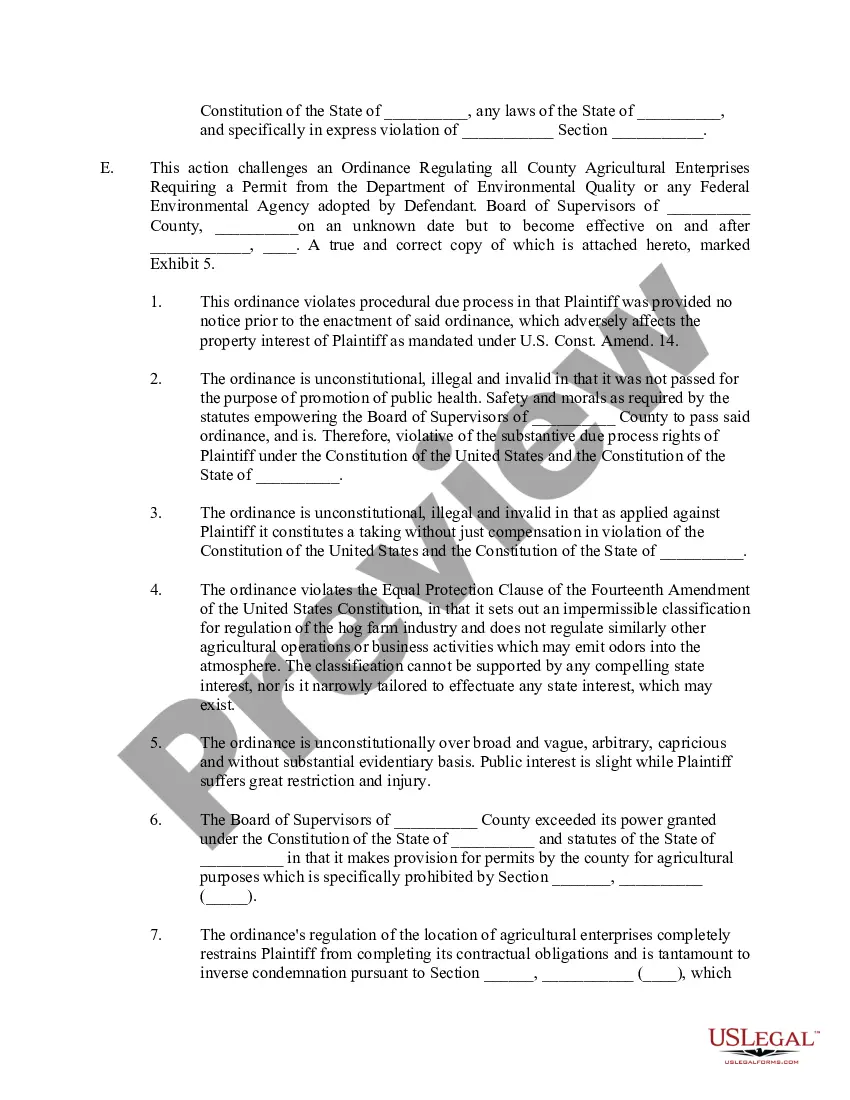
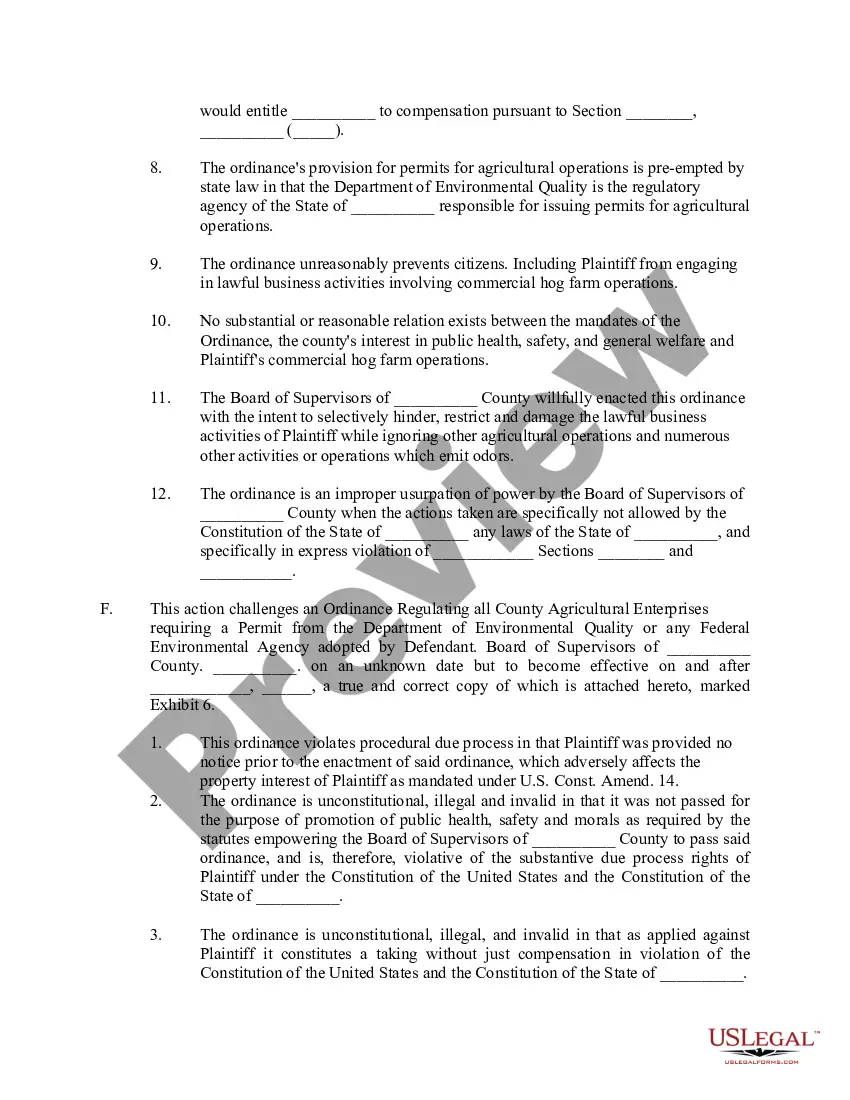
Complaint For Declaratory Judgment Ohio In New York
Description

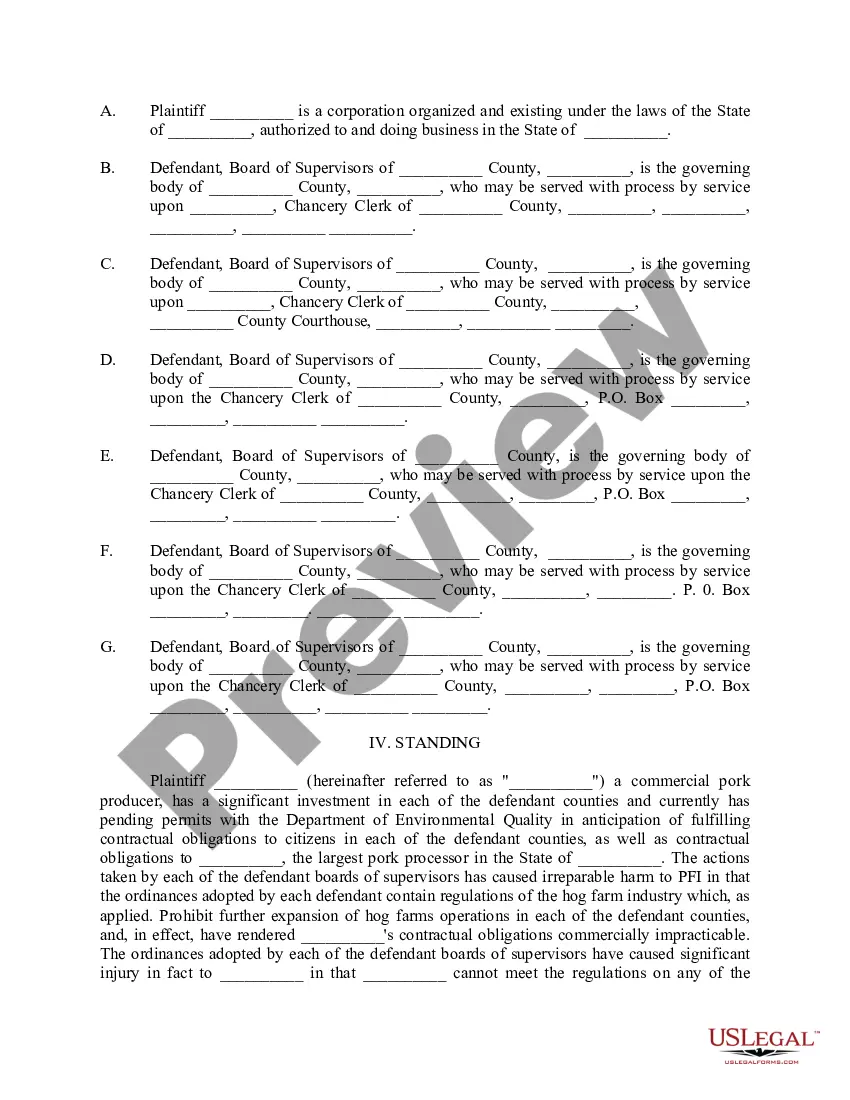
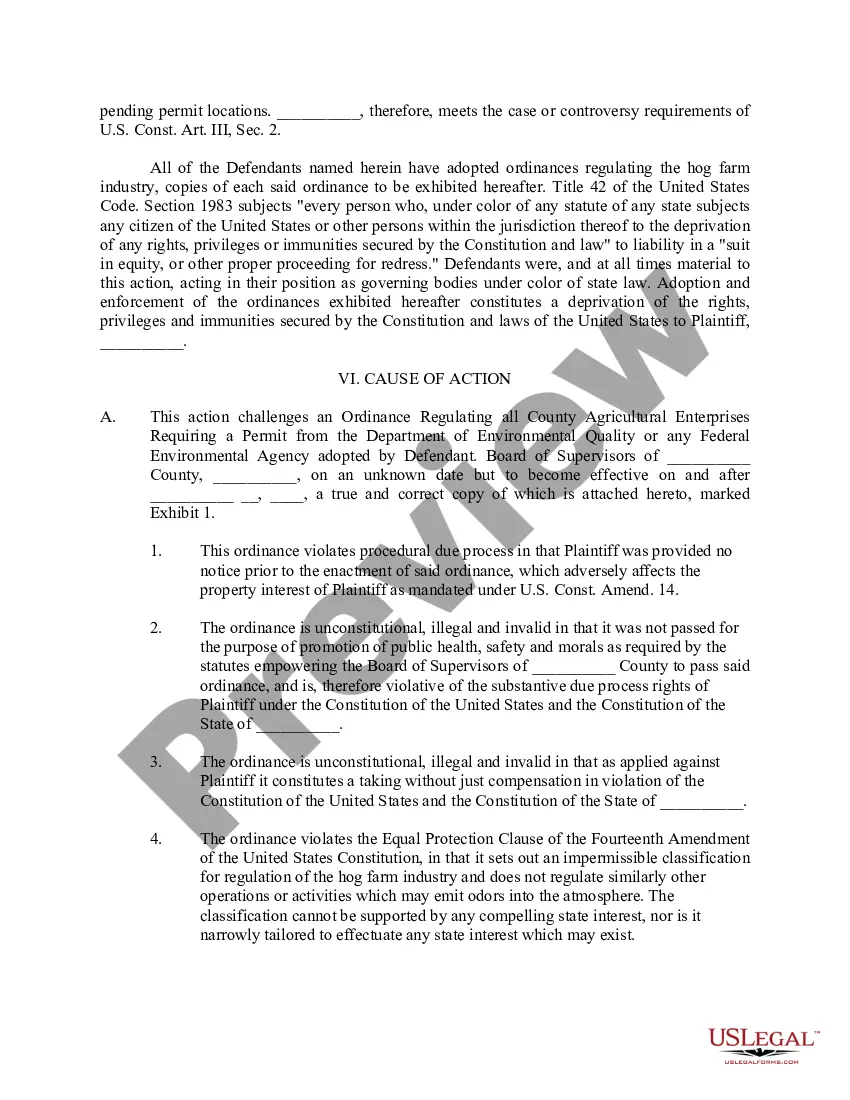
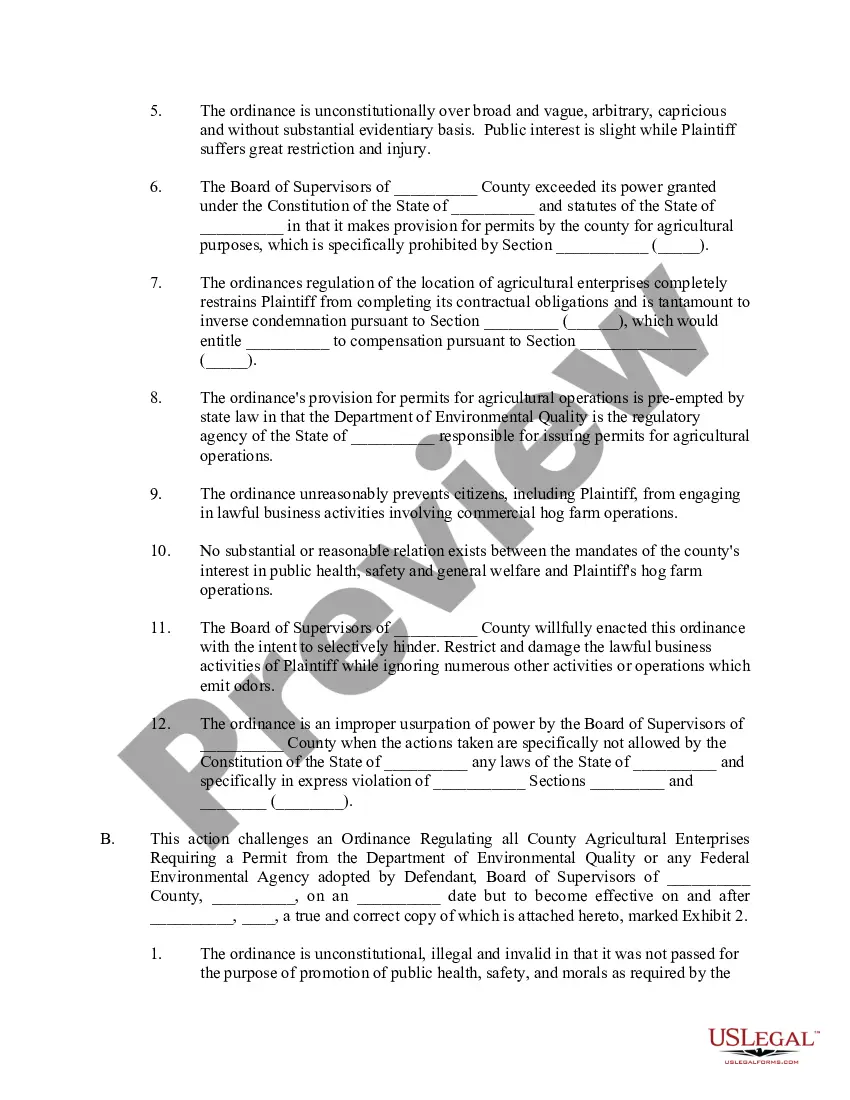
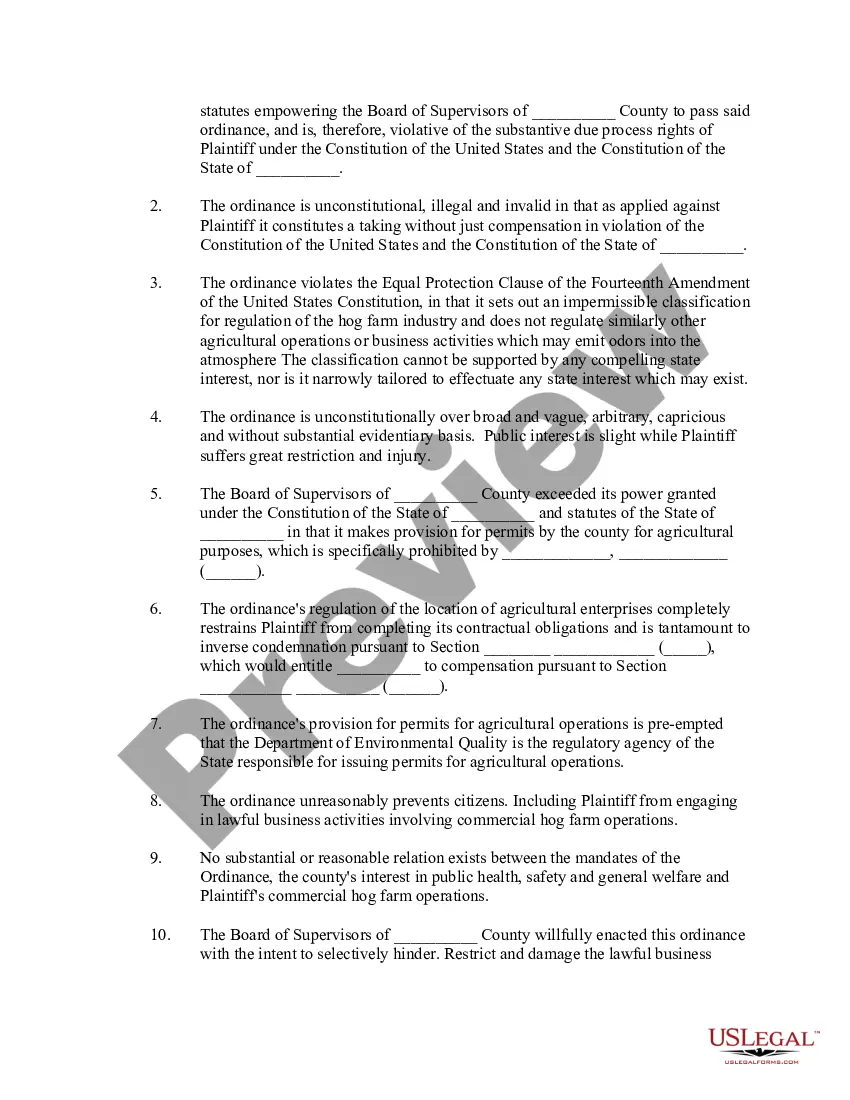






Get your form ready online
Our built-in tools help you complete, sign, share, and store your documents in one place.
Make edits, fill in missing information, and update formatting in US Legal Forms—just like you would in MS Word.
Download a copy, print it, send it by email, or mail it via USPS—whatever works best for your next step.
Sign and collect signatures with our SignNow integration. Send to multiple recipients, set reminders, and more. Go Premium to unlock E-Sign.
If this form requires notarization, complete it online through a secure video call—no need to meet a notary in person or wait for an appointment.
We protect your documents and personal data by following strict security and privacy standards.

Make edits, fill in missing information, and update formatting in US Legal Forms—just like you would in MS Word.

Download a copy, print it, send it by email, or mail it via USPS—whatever works best for your next step.

Sign and collect signatures with our SignNow integration. Send to multiple recipients, set reminders, and more. Go Premium to unlock E-Sign.

If this form requires notarization, complete it online through a secure video call—no need to meet a notary in person or wait for an appointment.

We protect your documents and personal data by following strict security and privacy standards.
Looking for another form?







Form popularity
FAQ
Example of Declaratory Judgment For example, a policyholder believes that their denied claim is unjust. As a result, they inform the insurer that they are considering a lawsuit to recover losses. The insurer seeks a declaratory judgment to clarify its rights and obligations with hopes of preventing the lawsuit.
Your legal representative can appeal a judge's decision to a higher court if you disagree with his/her decision.
It may sometimes be necessary to get a declaratory judgment to clear the air regarding policy-related issues. A party typically files a petition or complaint with the court to obtain a declaratory judgment, asking for a declaration or ruling on the specific legal issue in question.
To bring a claim for declaratory judgment in a situation where a patent dispute may exist or develop, the claimant must establish that an actual controversy exists. If there is a substantial controversy of sufficient immediacy and reality, the court will generally proceed with the declaratory-judgment action.
Obvious examples are violations of criminal law, sexual misconduct with staff/attorneys/parties, joining discriminatory organizations and using the judicial position to enhance a private interest.
The New York State Commission on Judicial Conduct investigates complaints against judges of the NY State Unified Court System. Complaints should be in writing and signed. Complaints do not have to be sworn or notarized. Please do not submit original records.
The New York State Commission on Judicial Conduct is the independent state agency that reviews complaints of ethical misconduct against the 3,350 judges and justices of the State Unified Court System filling 3,500 positions and, where appropriate, renders public disciplinary Determinations.
Call 311 or 212-NEW-YORK (212-639-9675) for help. Download and mail a completed complaint form or mail a written letter that includes: Your name. Address.
A declaratory judgment is a binding judgment from a court defining the legal relationship between parties and their rights in a matter before the court. When there is uncertainty as to the legal obligations or rights between two parties, a declaratory judgment offers an immediate means to resolve this uncertainty.
