Judgment On Injunction Against Co-owner In Maricopa
Description
















Get your form ready online
Our built-in tools help you complete, sign, share, and store your documents in one place.
Make edits, fill in missing information, and update formatting in US Legal Forms—just like you would in MS Word.
Download a copy, print it, send it by email, or mail it via USPS—whatever works best for your next step.
Sign and collect signatures with our SignNow integration. Send to multiple recipients, set reminders, and more. Go Premium to unlock E-Sign.
If this form requires notarization, complete it online through a secure video call—no need to meet a notary in person or wait for an appointment.
We protect your documents and personal data by following strict security and privacy standards.

Make edits, fill in missing information, and update formatting in US Legal Forms—just like you would in MS Word.

Download a copy, print it, send it by email, or mail it via USPS—whatever works best for your next step.

Sign and collect signatures with our SignNow integration. Send to multiple recipients, set reminders, and more. Go Premium to unlock E-Sign.

If this form requires notarization, complete it online through a secure video call—no need to meet a notary in person or wait for an appointment.

We protect your documents and personal data by following strict security and privacy standards.
Looking for another form?




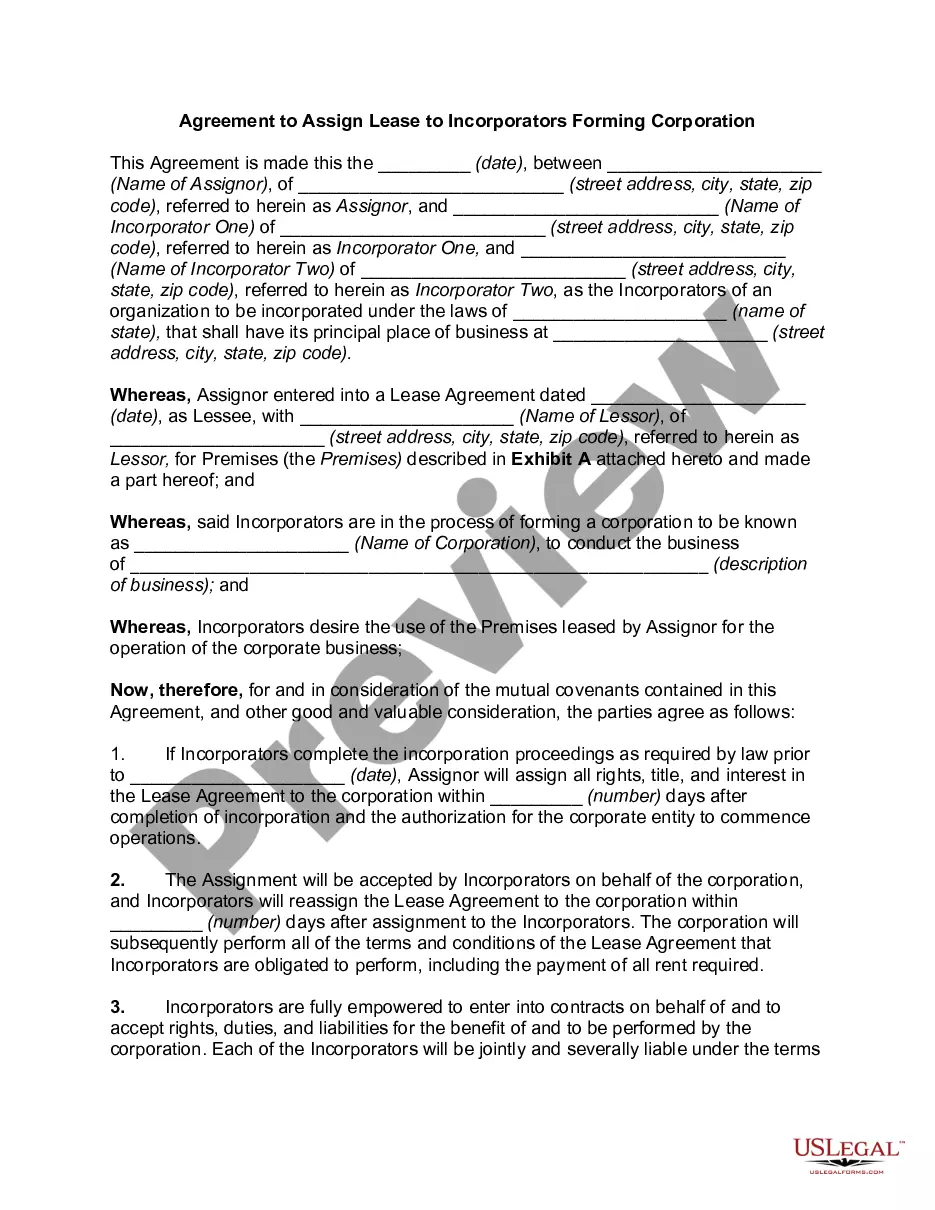




Form popularity
FAQ
State as briefly as possible the facts showing that each plaintiff is entitled to the injunction or other relief sought. State how each defendant was involved and what each defendant did that caused the plaintiff harm or violated the plaintiff's rights, including the dates and places of that involvement or conduct.
Step 1: Go to the district court to begin the filing process. Step 2: Fill out the petition. Step 3: A judge reviews your petition and may grant you a temporary restraining order. Step 4: Service of process. Step 5: The TRO/injunction hearing.
Mandatory Injunction: Considered as the most rigorous of all injunctions, a mandatory injunction directs the defendant to perform an act. For example, if a court orders the removal of a building or structure due to misplaced construction, then it fits the description of a mandatory injunction.
Permanent injunctions are issued as a final judgment in a case, where monetary damages will not suffice. Failure to comply with an injunction may result in being held in contempt of court, which in turn may result in either criminal or civil liability.
(1) The judicial officer must issue an Injunction Against Harassment upon finding: (A) reasonable evidence that the defendant has committed harassment as defined in Rule 3(c), against the plaintiff, and that the defendant committed the most recent act of harassment against the plaintiff during the year preceding the ...
Natural Resources Defense Council, Inc., 555 U.S. 7 (2008), is applicable to all other litigants seeking preliminary injunctions, and requires that a party seeking a preliminary injunction must establish: (1) it is likely to succeed on the merits, (2) it is likely to suffer irreparable harm in the absence of ...
To seek a permanent injunction, the plaintiff must pass the four-step test: (1) that the plaintiff has suffered an irreparable injury; (2) that remedies available at law, such as monetary damages, are inadequate to compensate for the injury; (3) that the remedy in equity is warranted upon consideration of the balance ...
Primary tabs. Final judgment is the last decision from a court that resolves all issues in dispute and settles the parties' rights with respect to those issues. A final judgment leaves nothing to be decided except decisions on how to enforce the judgment, whether to award costs, and whether to file an appeal.
An Injunction Against Harassment orders a person to stop harassing, annoying or alarming another person. A relationship does not have to exist between the two parties, as is required with an Order of Protection. Provided is a sample form for both the Order of Protection and the Injunction Against Harassment.
