Injunction Vs Court Order In Maricopa
Description

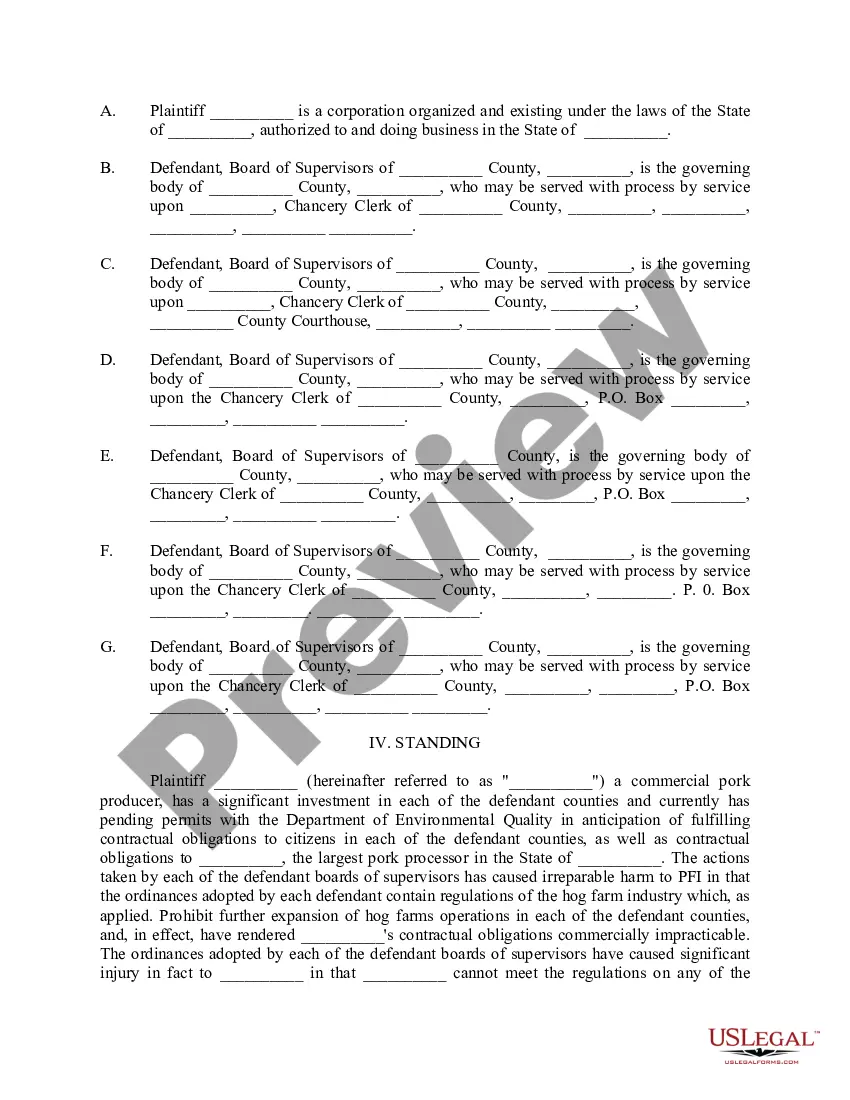
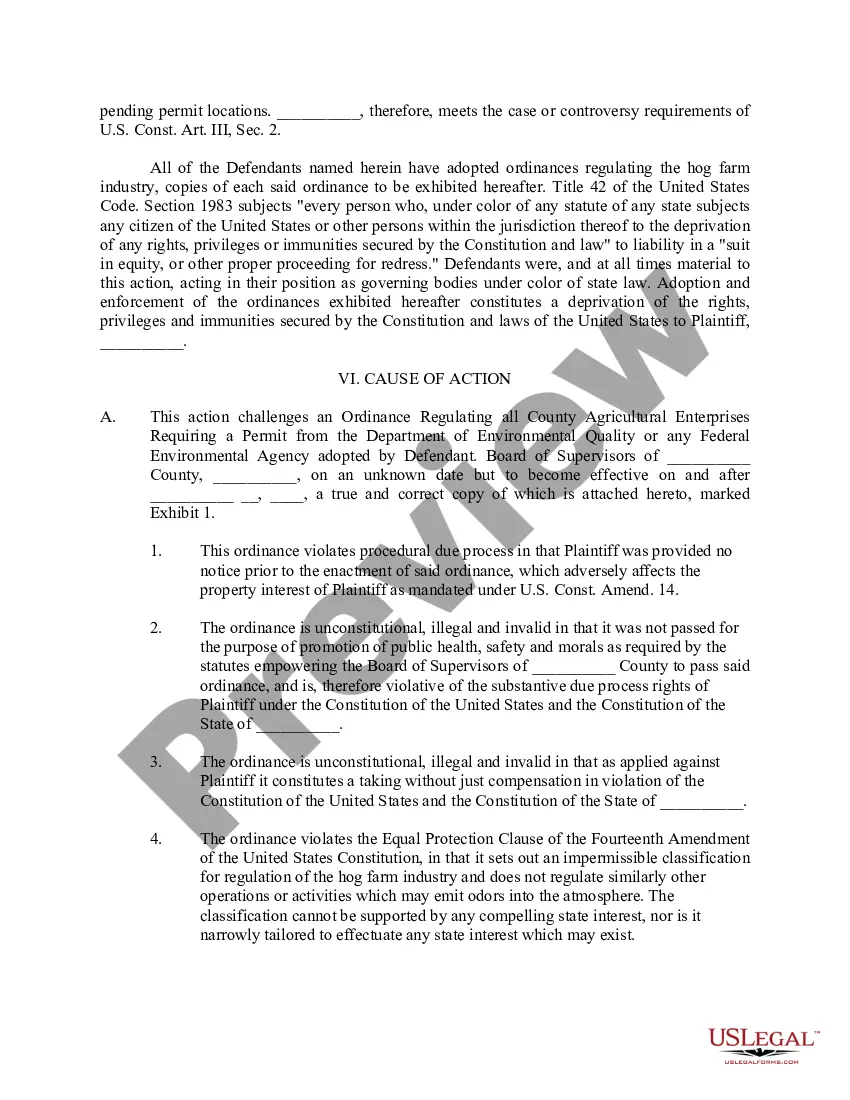
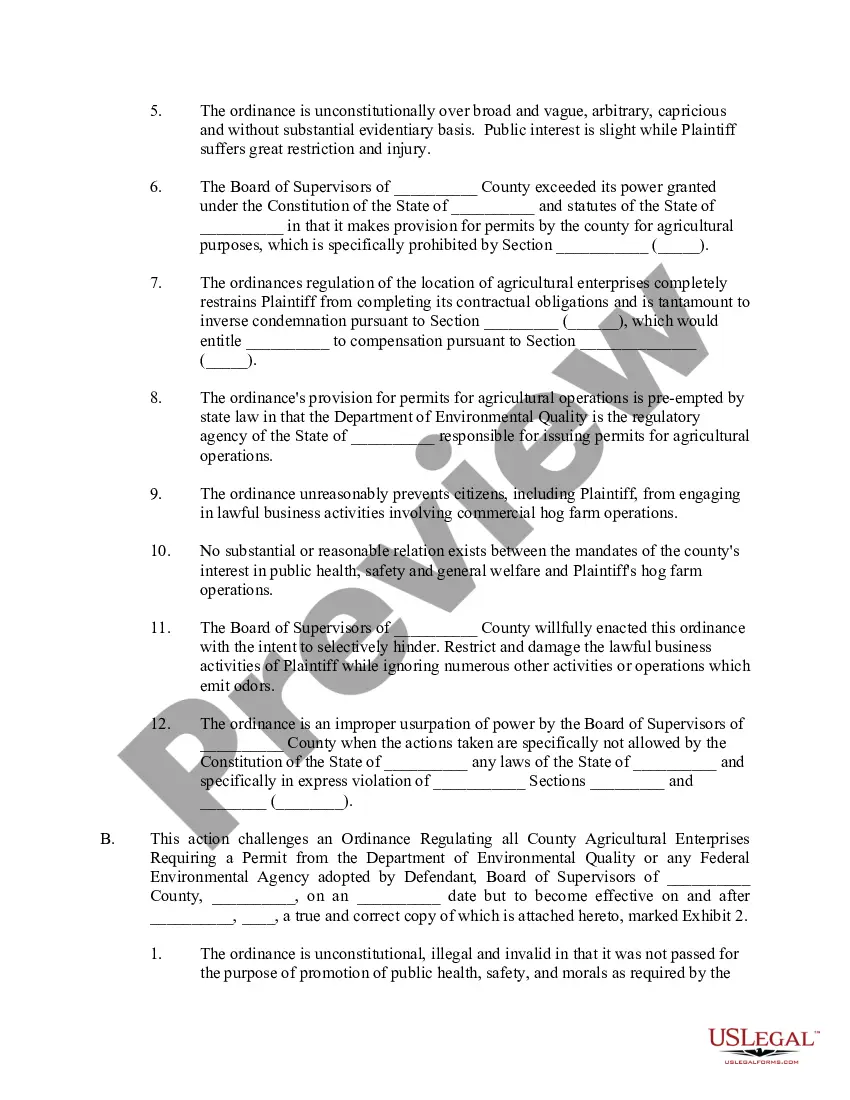
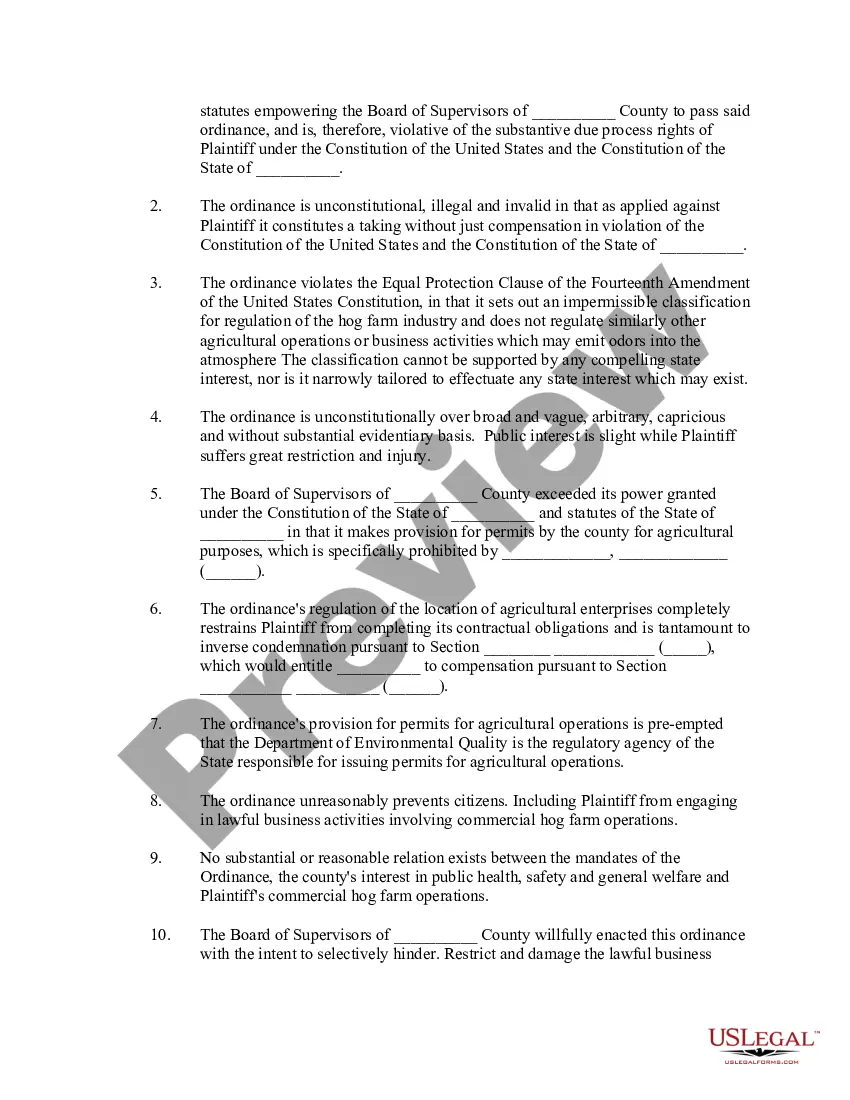






Get your form ready online
Our built-in tools help you complete, sign, share, and store your documents in one place.
Make edits, fill in missing information, and update formatting in US Legal Forms—just like you would in MS Word.
Download a copy, print it, send it by email, or mail it via USPS—whatever works best for your next step.
Sign and collect signatures with our SignNow integration. Send to multiple recipients, set reminders, and more. Go Premium to unlock E-Sign.
If this form requires notarization, complete it online through a secure video call—no need to meet a notary in person or wait for an appointment.
We protect your documents and personal data by following strict security and privacy standards.

Make edits, fill in missing information, and update formatting in US Legal Forms—just like you would in MS Word.

Download a copy, print it, send it by email, or mail it via USPS—whatever works best for your next step.

Sign and collect signatures with our SignNow integration. Send to multiple recipients, set reminders, and more. Go Premium to unlock E-Sign.

If this form requires notarization, complete it online through a secure video call—no need to meet a notary in person or wait for an appointment.

We protect your documents and personal data by following strict security and privacy standards.
Looking for another form?






Form popularity
FAQ
They can be issued by the judge early in a lawsuit to stop the defendant from continuing their allegedly harmful actions. Choosing whether to grant temporary injunctive relief is up to the discretion of the court. Permanent injunctions are issued as a final judgment in a case, where monetary damages will not suffice.
An injunction or temporary restraining order is an order from the court prohibiting a party from performing or ordering a specified act, either temporarily or permanently.
The injunction is something ordered by the judge that can either be permanent or for a specific period of time. The restraining order usually only happens at the beginning of the case, once the person is served with a temporary restraining order and that will only last until the injunction hearing.
Using an injunction carries disadvantages as well. For one, courts generally use injunctions only to prevent a party from doing something. Aside from specific performance, where a court forces a party to fulfill a contractual obligation, it is more difficult to use an injunction to force another party to do something.
An Injunction Against Harassment orders a person to stop harassing, annoying or alarming another person. A relationship does not have to exist between the two parties, as is required with an Order of Protection. Provided is a sample form for both the Order of Protection and the Injunction Against Harassment.
An injunction is a legal ruling by a judge that mandates an individual or other entity to either stop or start some action. The three main instances of an injunction are restraining orders, preliminary (temporary) injunctions, and permanent injunctions.
Also, the court may issue a protective order, including restraining orders or injunctions, to preserve the availability of property subject to civil forfeiture and to protect the interest of the United States in property subject to forfeiture.
Permanent injunctions are issued as a final judgment in a case, where monetary damages will not suffice. Failure to comply with an injunction may result in being held in contempt of court, which in turn may result in either criminal or civil liability.
Step 1: Go to the district court to begin the filing process. Step 2: Fill out the petition. Step 3: A judge reviews your petition and may grant you a temporary restraining order. Step 4: Service of process. Step 5: The TRO/injunction hearing.
An Injunction Against Harassment orders a person to stop harassing, annoying or alarming another person. A relationship does not have to exist between the two parties, as is required with an Order of Protection. Provided is a sample form for both the Order of Protection and the Injunction Against Harassment.