Permanent Injunction Order With Example In Houston
Description
















Get your form ready online
Our built-in tools help you complete, sign, share, and store your documents in one place.
Make edits, fill in missing information, and update formatting in US Legal Forms—just like you would in MS Word.
Download a copy, print it, send it by email, or mail it via USPS—whatever works best for your next step.
Sign and collect signatures with our SignNow integration. Send to multiple recipients, set reminders, and more. Go Premium to unlock E-Sign.
If this form requires notarization, complete it online through a secure video call—no need to meet a notary in person or wait for an appointment.
We protect your documents and personal data by following strict security and privacy standards.

Make edits, fill in missing information, and update formatting in US Legal Forms—just like you would in MS Word.

Download a copy, print it, send it by email, or mail it via USPS—whatever works best for your next step.

Sign and collect signatures with our SignNow integration. Send to multiple recipients, set reminders, and more. Go Premium to unlock E-Sign.

If this form requires notarization, complete it online through a secure video call—no need to meet a notary in person or wait for an appointment.

We protect your documents and personal data by following strict security and privacy standards.
Looking for another form?
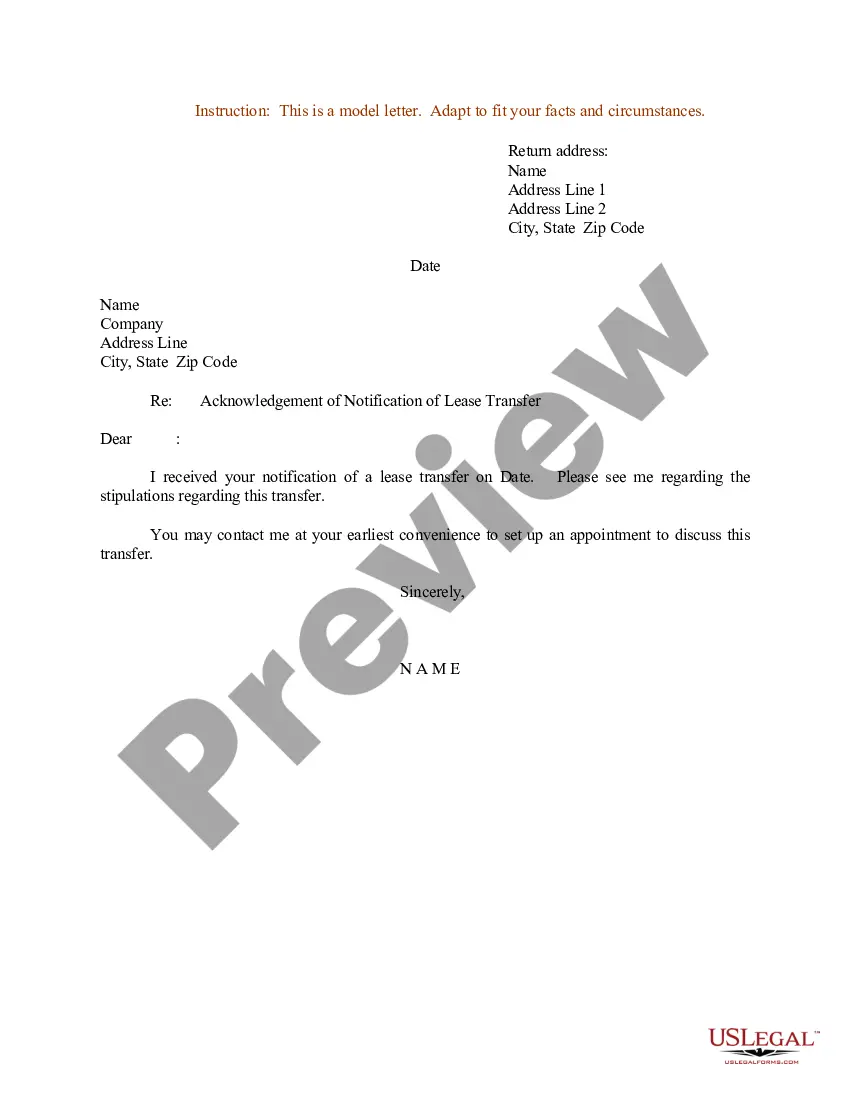






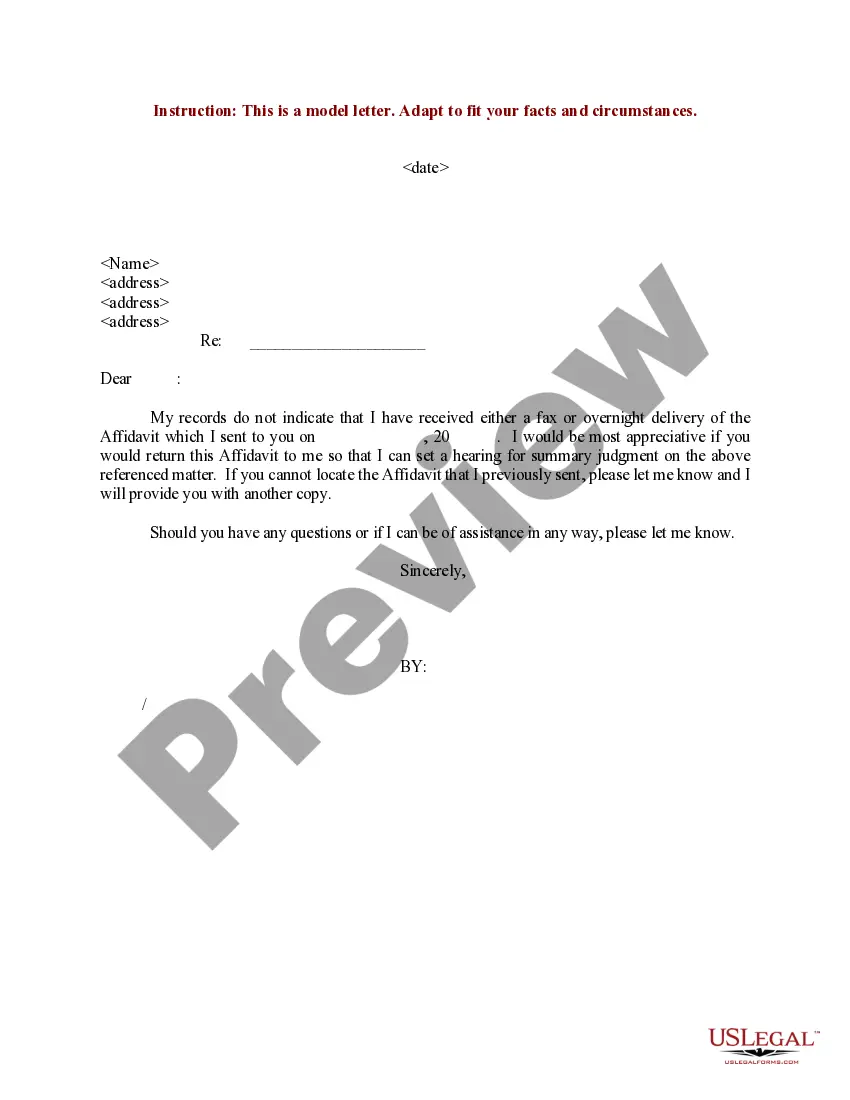

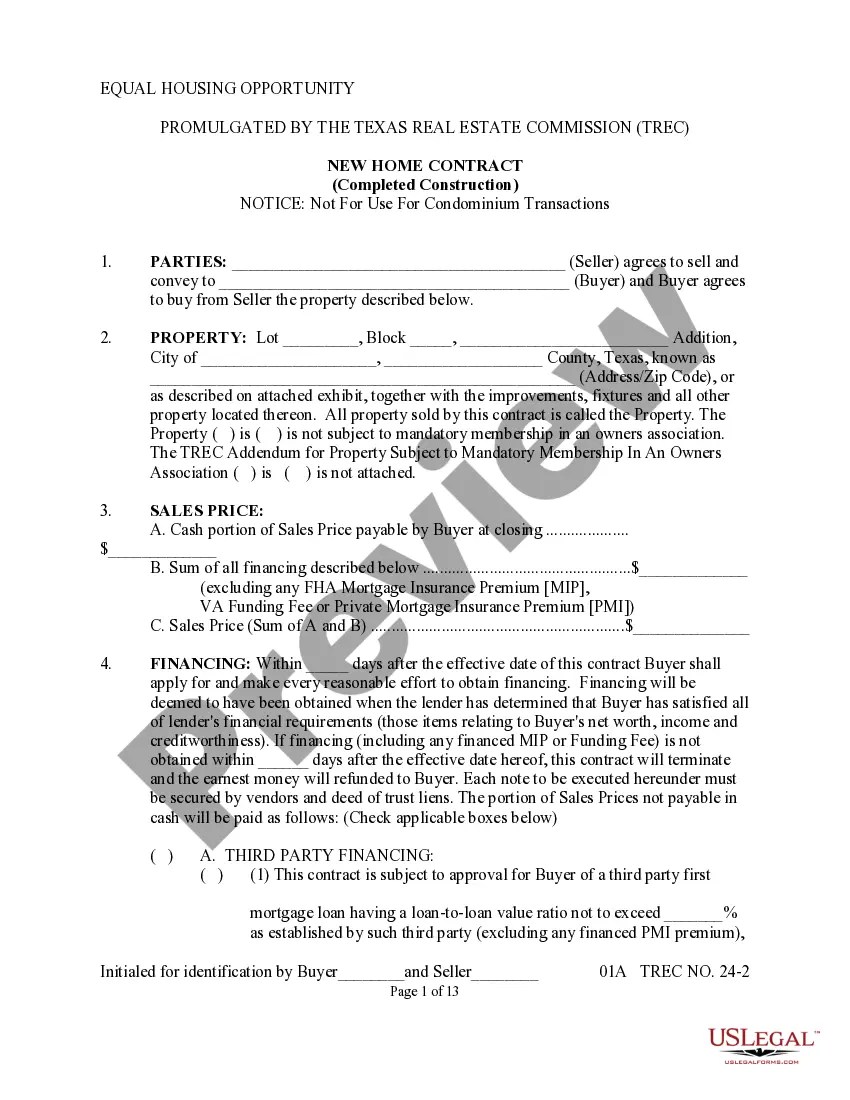
Form popularity
FAQ
Permanent injunction. n. a final order of a court that a person or entity refrain from certain activities permanently or take certain actions (usually to correct a nuisance) until completed.
For example, in addition to making a financial judgment against a defendant, a court might issue a permanent injunction ordering that the defendant does not participate in a certain activity or business.
Definitions of permanent injunction. noun. injunction issued on completion of a trial. synonyms: final injunction. cease and desist order, enjoining, enjoinment, injunction, restraining order.
Generally speaking, there are two kinds of relief available through an injunction: prohibitory and mandatory. A prohibitory injunction is the most common form of injunction, and directs a party to refrain from acting in a certain manner.
For instance, if a new company wants to build overtop an old gravesite, the owner of the land could file an injunction against the company. The landowner would be the plaintiff and the company trying to build would be the defendant. An injunction would be appropriate in this case because it prevents irreparable harm.
Permanent Injunctions In order to obtain a Permanent Injunction, a hearing is required with both Parties present. The Court must find that the injunction is in the Best Interest of the Child or that significant harm could exist in the absence of the injunction.
A permanent injunction is allowed by the decree of the Court. It is allowed on the evaluation of the facts and circumstances of the case. Order 39 (Rules 1 to 5) of the Code of Civil Procedure, 1908 regulates temporary injunction. Permanent injunction is regulated by Sections 38 to 42 of the Specific Relief Act, 1963.
An injunction is a court order requiring a person to do or cease doing a specific action. There are three types of injunctions: Permanent injunctions, Temporary restraining orders and preliminary injunctions.
A prohibitory injunction, meanwhile, is an injunction of the court that prohibits or prevents a party from doing something specific. For example, this could be to prevent a breach of contract, or to prevent a party from dissipating their assets.
