Online Restraining Order Forms With Google Docs In Georgia
Description
















Get your form ready online
Our built-in tools help you complete, sign, share, and store your documents in one place.
Make edits, fill in missing information, and update formatting in US Legal Forms—just like you would in MS Word.
Download a copy, print it, send it by email, or mail it via USPS—whatever works best for your next step.
Sign and collect signatures with our SignNow integration. Send to multiple recipients, set reminders, and more. Go Premium to unlock E-Sign.
If this form requires notarization, complete it online through a secure video call—no need to meet a notary in person or wait for an appointment.
We protect your documents and personal data by following strict security and privacy standards.

Make edits, fill in missing information, and update formatting in US Legal Forms—just like you would in MS Word.

Download a copy, print it, send it by email, or mail it via USPS—whatever works best for your next step.

Sign and collect signatures with our SignNow integration. Send to multiple recipients, set reminders, and more. Go Premium to unlock E-Sign.

If this form requires notarization, complete it online through a secure video call—no need to meet a notary in person or wait for an appointment.

We protect your documents and personal data by following strict security and privacy standards.
Looking for another form?





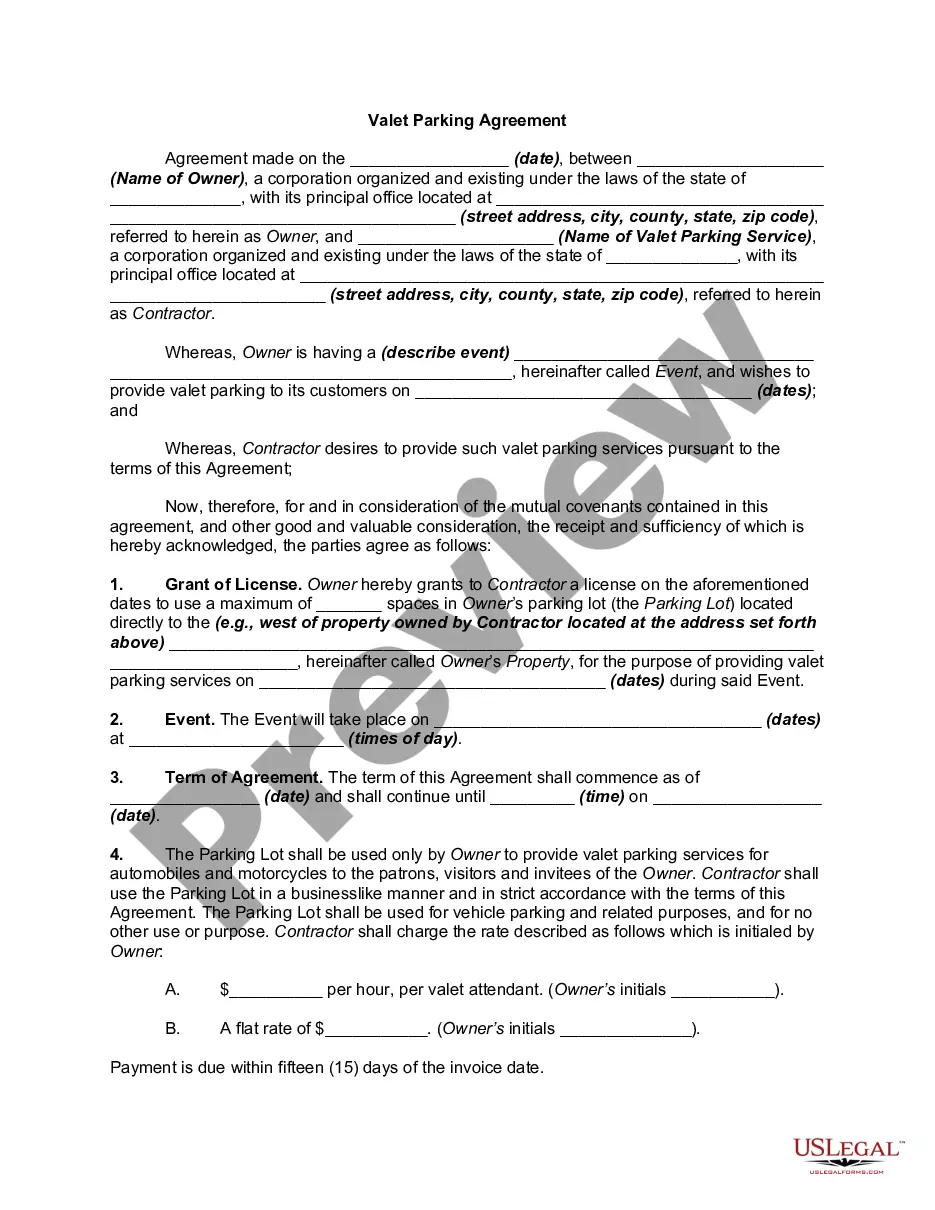
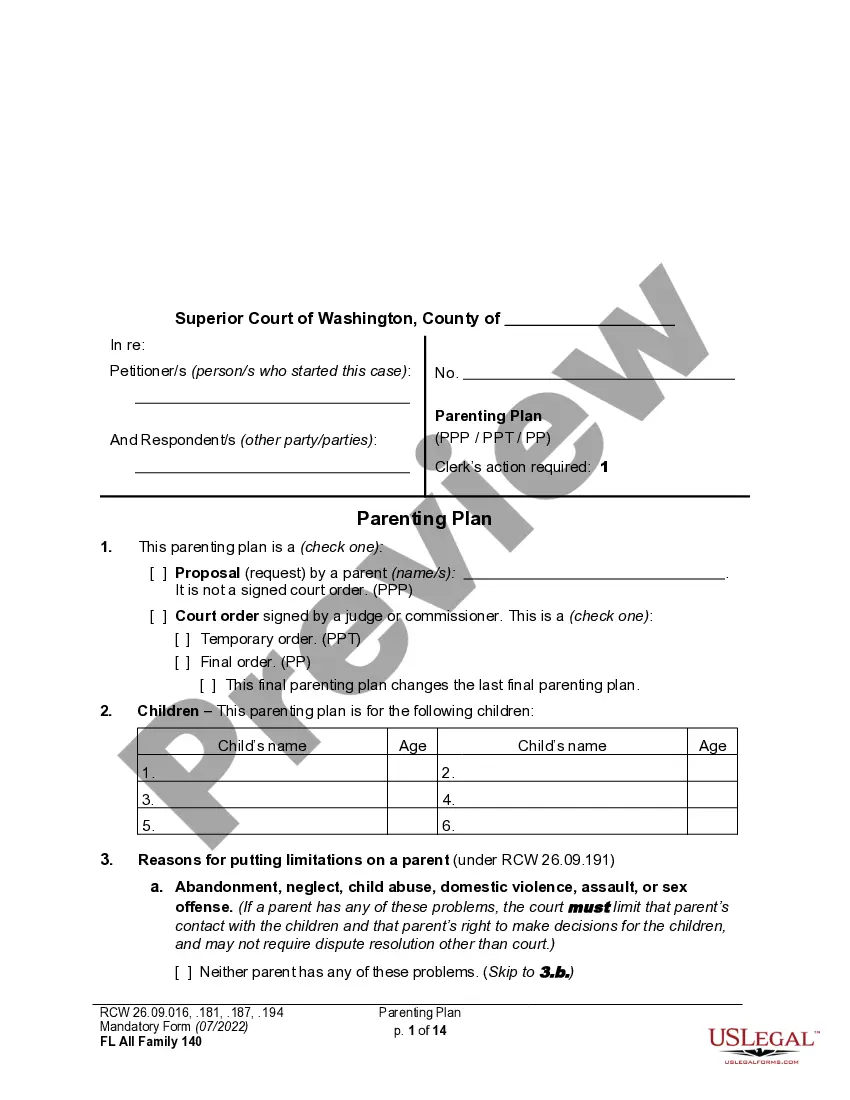
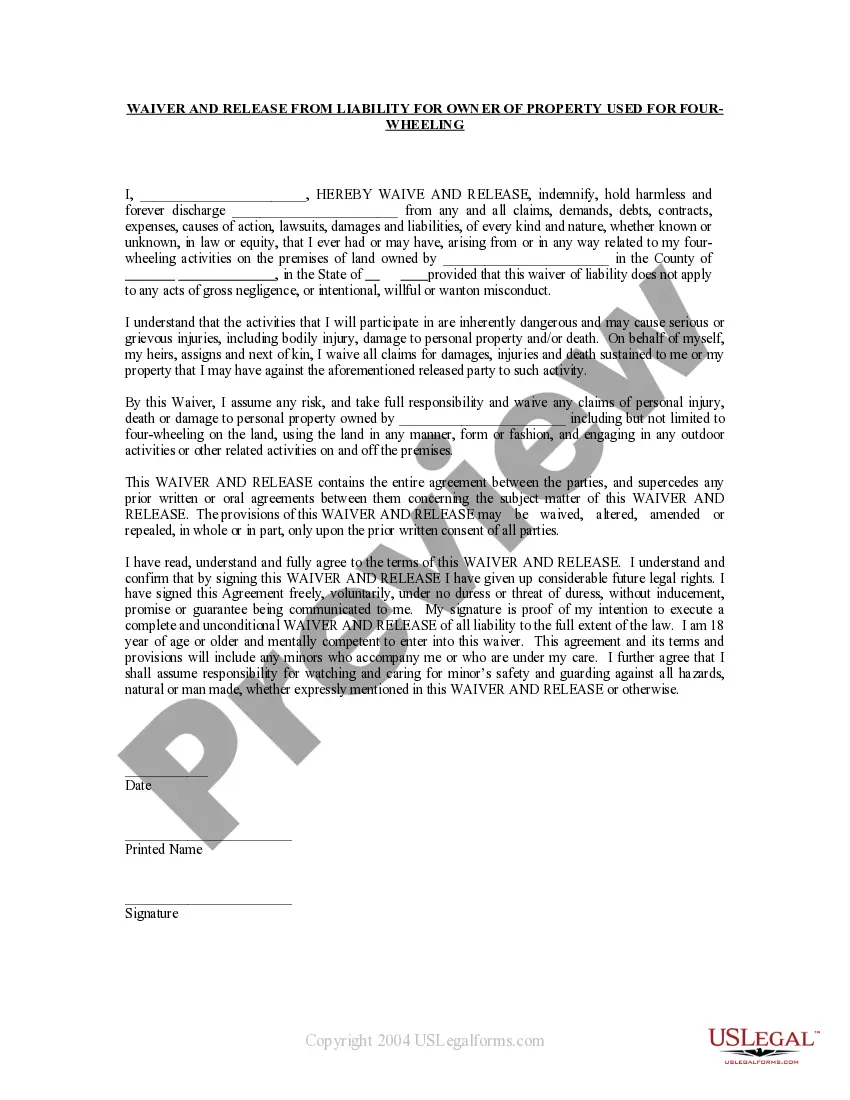

Form popularity
FAQ
After the hearing, a judge can issue a protective order that lasts up to 18 months, and can later be renewed after a hearing in front of a judge. The parts of the protective order that tell the abuser to not abuse, harass, or interfere with you can last forever.
If the judge decides that there was abuse and that there is also a credible threat to the plaintiff's safety, a final order of protection will be granted and will last for up to one year.
Family violence protective orders may include several legal remedies designed to protect the petitioner. One such remedy is a “no-contact” order. In simple terms, a no-contact order prohibits the respondent–the person accused of domestic violence–from having any contact with the petitioner.
What if I want to drop (dismiss) my permanent restraining order? If you want to drop your restraining order, you need to go back to the court that issued your order and fill out a request (motion) to dismiss the order. You may have to talk to the judge and tell him/her why you want to drop the restraining order.
The specific elements you need to prove to get a restraining order vary from state to state, but in general, you need to show: A specific instance or instances of abuse or harassment (such as sexual assault by an intimate partner) The threat of violence or of further abusive behavior or harassment.
Since a TPO case is like every other civil case, the documents relating to the case will be available at the county clerk's office for in-person viewing. Therefore, in this regard, TPO records are public information in Georgia.
Georgia Felon Search allows you to easily submit a request through the Georgia Crime Information Center to verify whether someone has been convicted of felony offenses in Georgia. It only takes five minutes, and the results are instant.
Key Differences A Harassment Order addresses unwanted behavior that may not necessarily involve physical harm but still causes significant distress to the victim. In contrast, a Restraining Order is typically sought in cases involving a history of violence, physical threat, or other forms of serious harm.
The Georgia Protective Order Registry is an online service that stores all Protective Orders issued by the Superior Courts of Georgia as authorized by the Family Violence statutes of the state.
If I get a protection order, will it show up in an internet search? ing to federal law, which applies to all states, territories, and tribal lands, the courts are not supposed to make available publicly on the internet any information that would be likely to reveal your identity or location.
