Temporary Injunction Form For Florida In Collin
Description

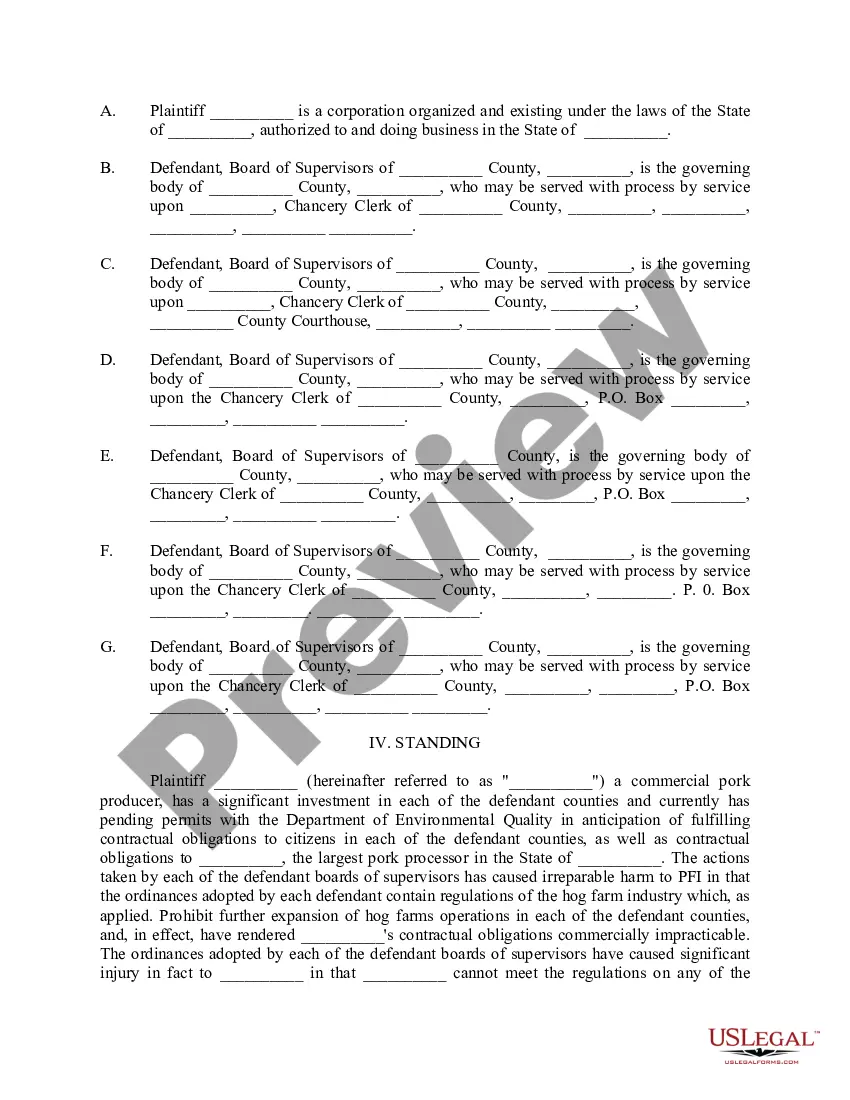
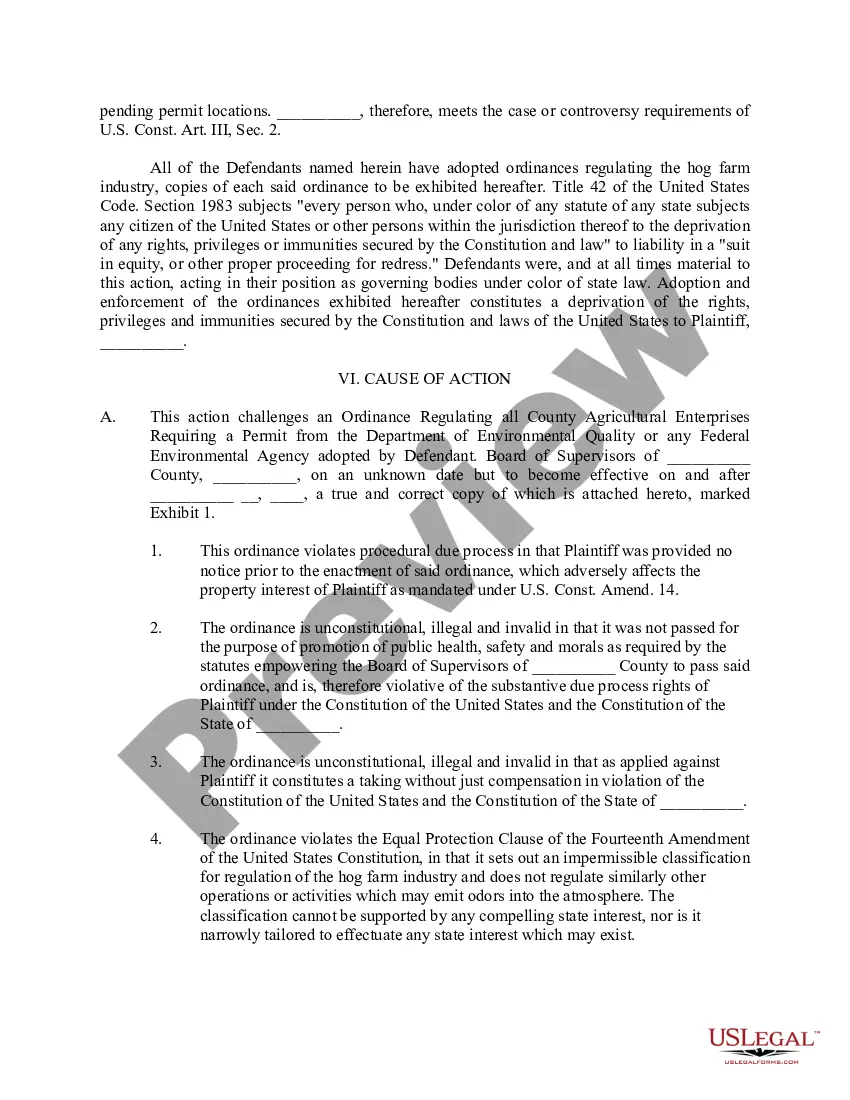
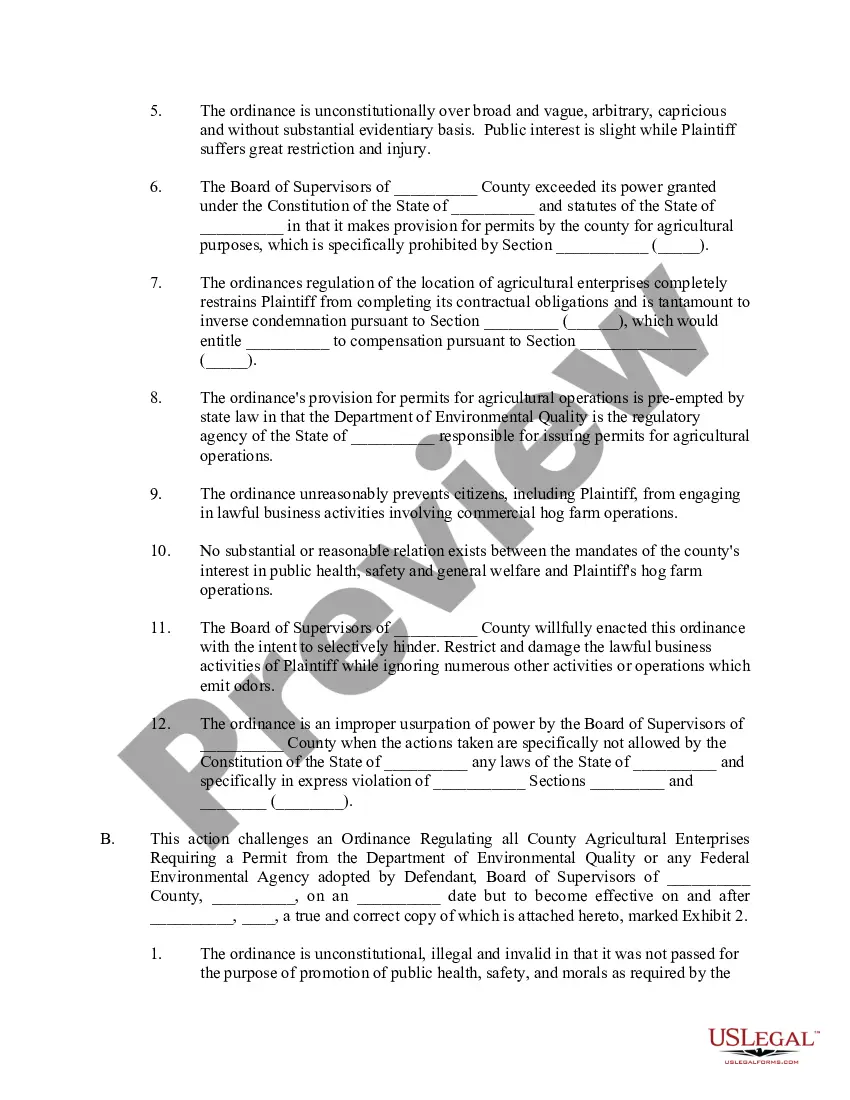
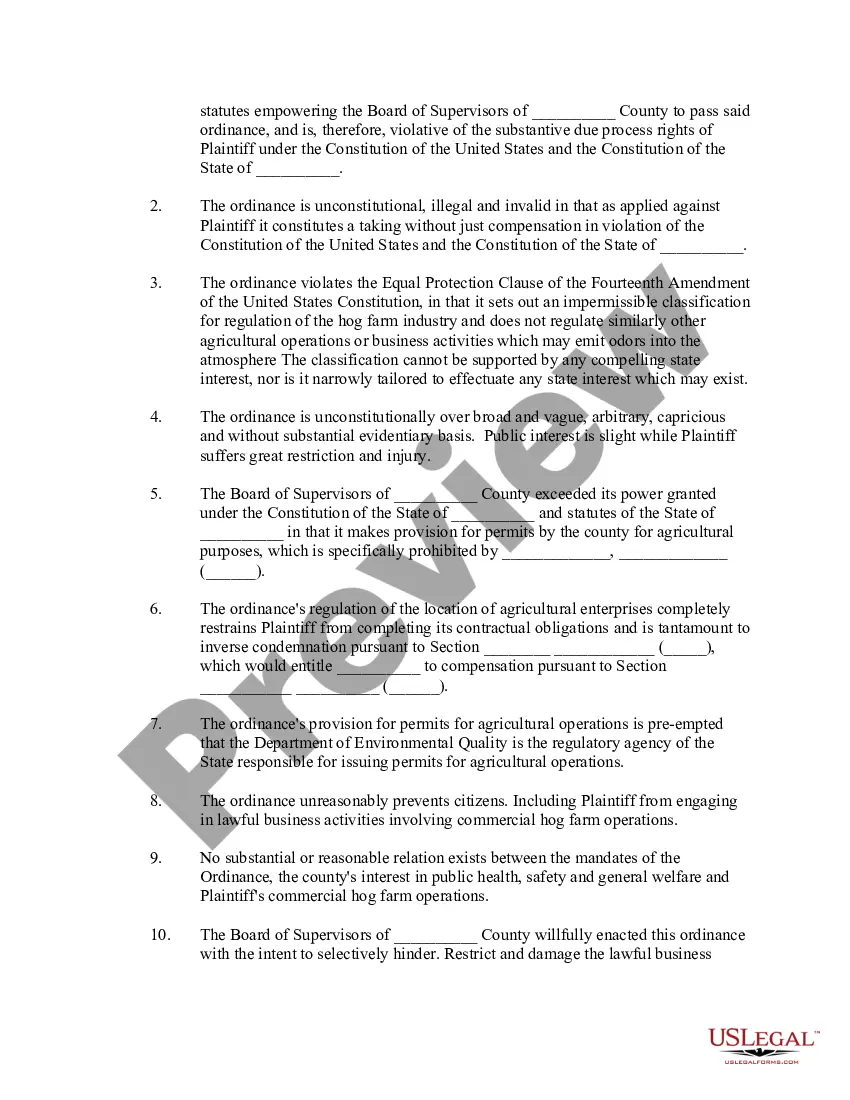






Get your form ready online
Our built-in tools help you complete, sign, share, and store your documents in one place.
Make edits, fill in missing information, and update formatting in US Legal Forms—just like you would in MS Word.
Download a copy, print it, send it by email, or mail it via USPS—whatever works best for your next step.
Sign and collect signatures with our SignNow integration. Send to multiple recipients, set reminders, and more. Go Premium to unlock E-Sign.
If this form requires notarization, complete it online through a secure video call—no need to meet a notary in person or wait for an appointment.
We protect your documents and personal data by following strict security and privacy standards.

Make edits, fill in missing information, and update formatting in US Legal Forms—just like you would in MS Word.

Download a copy, print it, send it by email, or mail it via USPS—whatever works best for your next step.

Sign and collect signatures with our SignNow integration. Send to multiple recipients, set reminders, and more. Go Premium to unlock E-Sign.

If this form requires notarization, complete it online through a secure video call—no need to meet a notary in person or wait for an appointment.

We protect your documents and personal data by following strict security and privacy standards.
Looking for another form?









Form popularity
FAQ
State as briefly as possible the facts showing that each plaintiff is entitled to the injunction or other relief sought. State how each defendant was involved and what each defendant did that caused the plaintiff harm or violated the plaintiff's rights, including the dates and places of that involvement or conduct.
A temporary restraining order serves to provide emergency relief and to preserve the status quo until a hearing may be had on a temporary injunction. The purpose of a temporary injunction is to preserve the status quo pending a full trial on the merits.
Standard of Proof In Florida, a petitioner for an injunction must establish by “preponderance of the evidence” (i.e. greater weight of the evidence) that he or she is either a victim of domestic violence or is in imminent danger of being a victim of domestic violence.
To warrant preliminary injunctive relief, the moving party must show (1) a substantial likelihood of success on the merits, (2) that it would suffer irrepa- rable injury if the injunction were not granted, (3) that an injunction would not substantially injure other interested parties, and (4) that the public interest ...
Order IX, rule 1(c) provides that temporary injunction may be granted where, in any suit, it is proved by the affidavit or otherwise, that the defendant threatens to disposses the plaintiff or otherwise cause injury to the plaintiff in relation to any property in dispute in the suit, the Court may by order grant a ...
If the court grants the injunction: There will be a hearing on the extension of that injunction generally within 15 days from the date the Temporary Injunction was issued. You must attend the hearing or the hearing may be rescheduled or the injunction may be dismissed.
Temporary Injunction Plaintiff will suffer irreparable harm; Plaintiff has no adequate remedy at law; Plaintiff has a substantial likelihood of success on the merits; and. A temporary injunction will serve the public interest.
The party asking for an injunctive relief must prove three things: 1) that there is a cause of action against the defendant; 2) that the party seeking the injunction has a right to the property in question; and 3) that the objects in question are in danger of “probable, imminent, and irreparable injury.” In the Strube ...
Legal Standards: To obtain a preliminary injunction, the requesting party must demonstrate: The likelihood of success on the merits of the case. That irreparable harm is likely to occur if the injunction is not granted. The balance of harms weighs in favor of the injunction being issued.
