Physical Assault On A Woman In Utah
Description


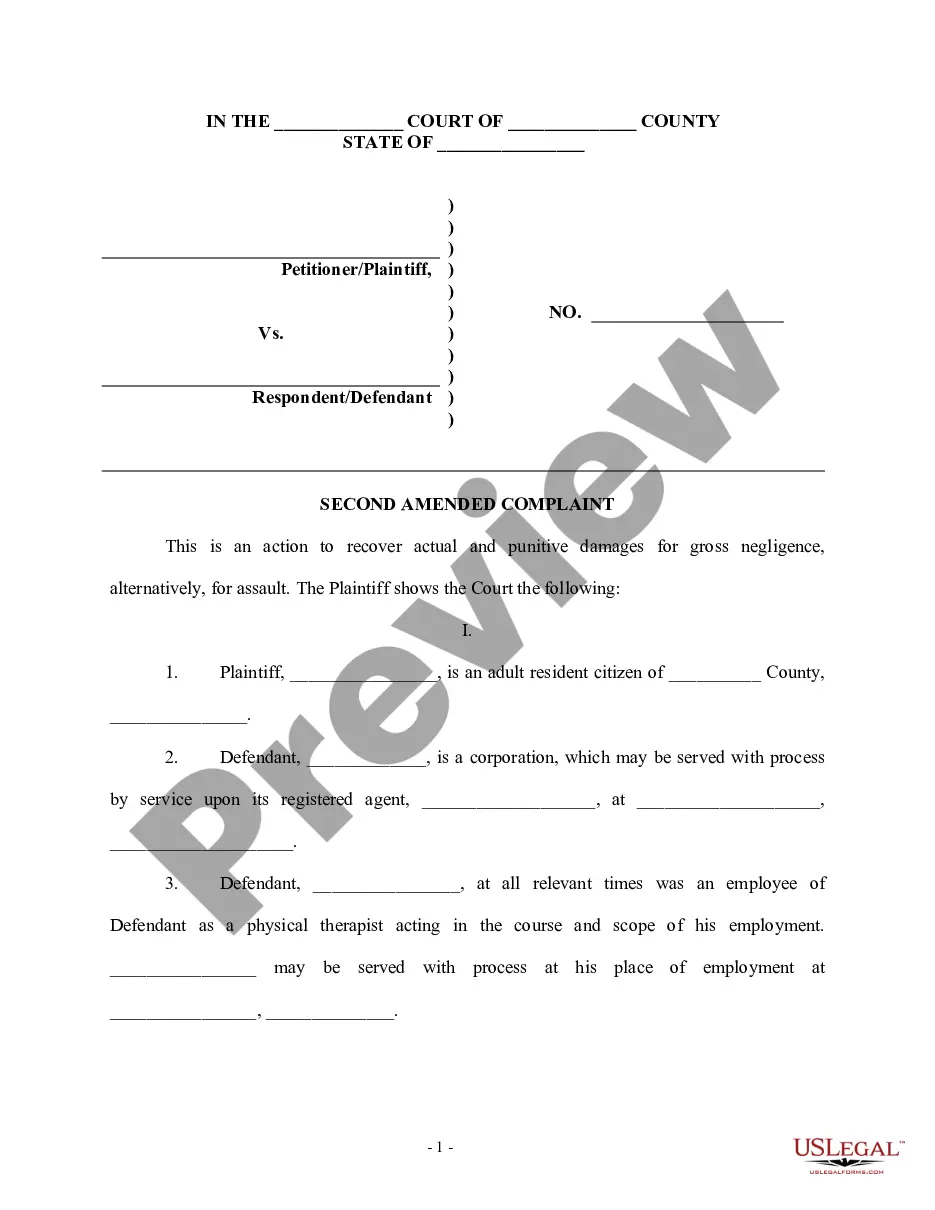
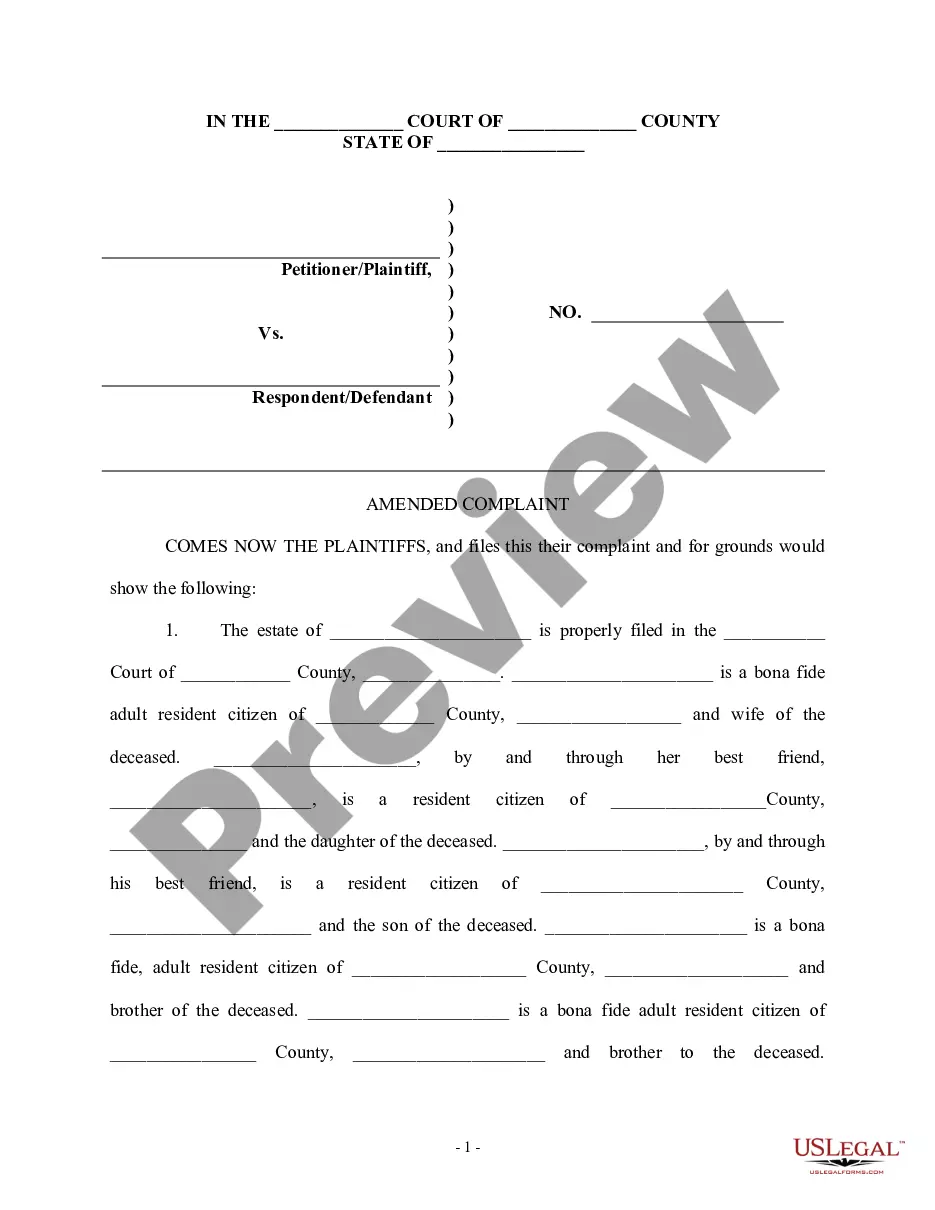
Get your form ready online
Our built-in tools help you complete, sign, share, and store your documents in one place.
Make edits, fill in missing information, and update formatting in US Legal Forms—just like you would in MS Word.
Download a copy, print it, send it by email, or mail it via USPS—whatever works best for your next step.
Sign and collect signatures with our SignNow integration. Send to multiple recipients, set reminders, and more. Go Premium to unlock E-Sign.
If this form requires notarization, complete it online through a secure video call—no need to meet a notary in person or wait for an appointment.
We protect your documents and personal data by following strict security and privacy standards.

Make edits, fill in missing information, and update formatting in US Legal Forms—just like you would in MS Word.

Download a copy, print it, send it by email, or mail it via USPS—whatever works best for your next step.

Sign and collect signatures with our SignNow integration. Send to multiple recipients, set reminders, and more. Go Premium to unlock E-Sign.

If this form requires notarization, complete it online through a secure video call—no need to meet a notary in person or wait for an appointment.

We protect your documents and personal data by following strict security and privacy standards.
Looking for another form?
Form popularity
FAQ
Make sure all your documentation is stored in a place that your abuser is unable or unlikely to look. Be creative in how and where you store evidence. Examples of ways to safely and creatively store digital evidence include: Creating a separate email address for the sole purpose of documenting abuse.
Ways to document abuse include: Keeping a journal of what you experience, including descriptions of how the incident made you feel. Writing down statements you, your partner, or any witnesses make before, during, or after the abuse. Recording dates, times, and descriptions of incidents.
Document abuse occurs when an employer does not permit a worker to use any combination of documents that are legally acceptable but, instead, specifies which documents s/he must use, or requires more documents than are legally required by the Form I-9.
What abuser DID to you. What abuser SAID to you. How you felt as a result of incident. List of witnesses, pictures, medical records, or any other information you have about the incident.
Class B misdemeanor convictions can result in up to 180 days in jail and fines up to $1,000. Class A misdemeanor convictions can result in up to 364 days in jail and fines up to $2,500. Third-degree felony convictions can result in up to 5 years in prison, with fines as large as $5,000.
Domestic violence is a pattern of abusive behavior in any relationship that is used by one partner to gain or maintain power and control over another intimate partner.
If committed by an individual who is under age 18, any of the following: Causing serious physical injury to another child that indicates a significant risk to other children. Sexual behavior with or upon another child that indicates a significant risk to other children.
Assault charges in Utah range from misdemeanors, with penalties including jail time up to one year and fines up to $2,500, to felonies with more severe penalties such as up to 15 years in prison and fines up to $10,000.
A few of the most common types of assault experienced are verbal, simple, aggravated, and sexual. This is one of the most common types of assault experienced by adults in the United States. Verbal assault occurs when you are threatened verbally. Physical assault may or may not occur at the same time.
What are the Different Types of Assault and Punishment Ranges? Class C Assault. The lowest form of assault is considered a Class C Misdemeanor. Class A Assault. 3rd Degree Felony Assault. 2nd Degree Aggravated Assault. 1st Degree Aggravated Assault.
