Physical Assault In School Uk In Tarrant
Description


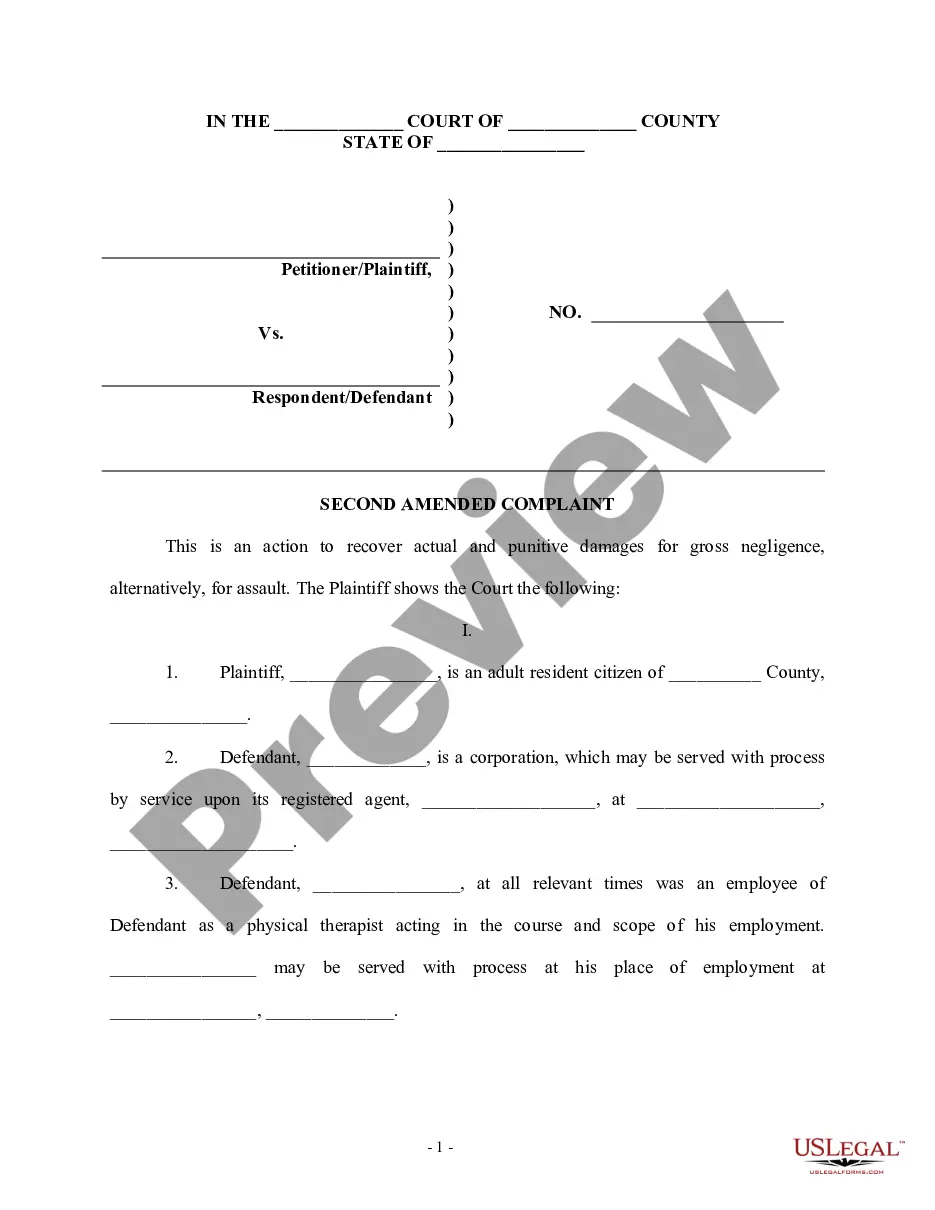
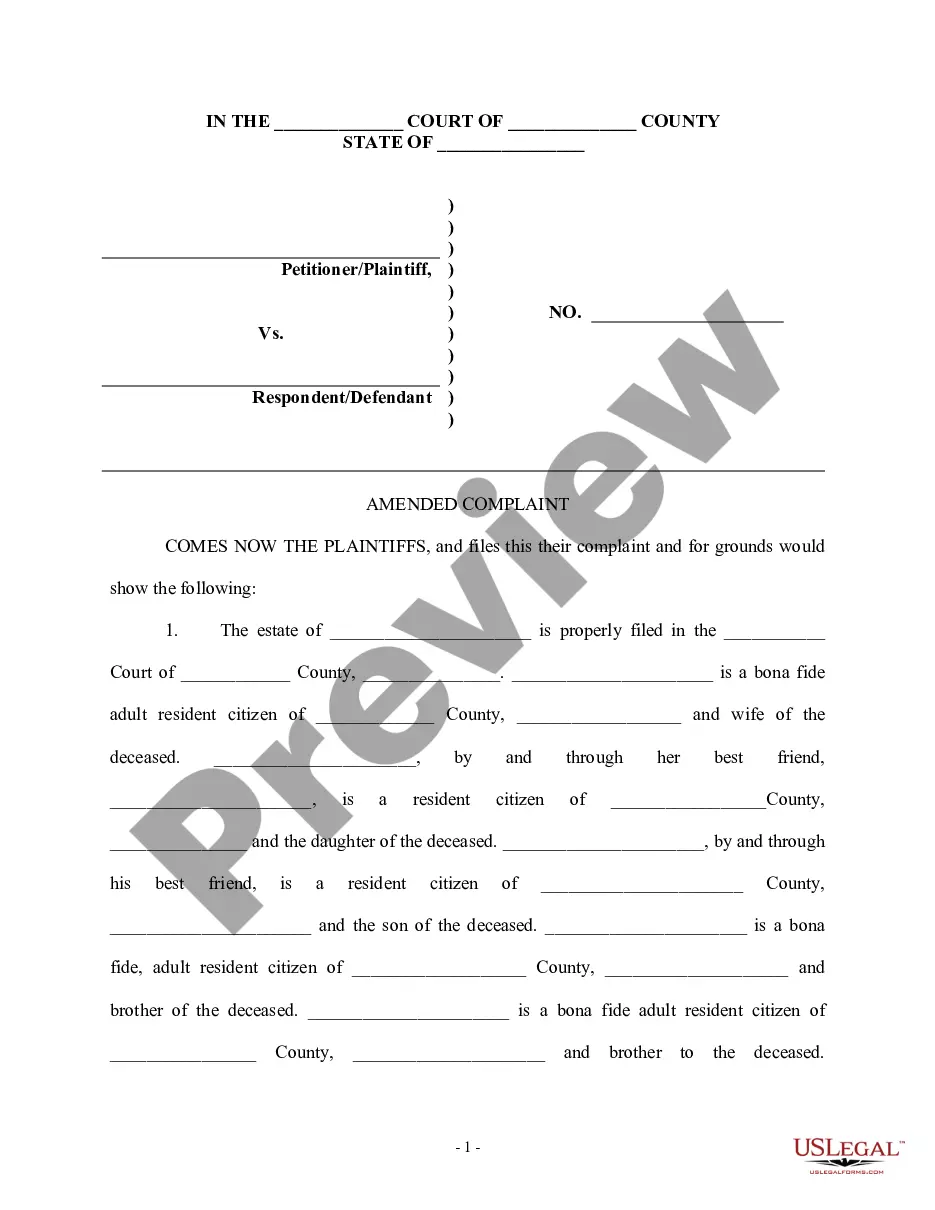
Get your form ready online
Our built-in tools help you complete, sign, share, and store your documents in one place.
Make edits, fill in missing information, and update formatting in US Legal Forms—just like you would in MS Word.
Download a copy, print it, send it by email, or mail it via USPS—whatever works best for your next step.
Sign and collect signatures with our SignNow integration. Send to multiple recipients, set reminders, and more. Go Premium to unlock E-Sign.
If this form requires notarization, complete it online through a secure video call—no need to meet a notary in person or wait for an appointment.
We protect your documents and personal data by following strict security and privacy standards.

Make edits, fill in missing information, and update formatting in US Legal Forms—just like you would in MS Word.

Download a copy, print it, send it by email, or mail it via USPS—whatever works best for your next step.

Sign and collect signatures with our SignNow integration. Send to multiple recipients, set reminders, and more. Go Premium to unlock E-Sign.

If this form requires notarization, complete it online through a secure video call—no need to meet a notary in person or wait for an appointment.

We protect your documents and personal data by following strict security and privacy standards.
Looking for another form?








Form popularity
FAQ
If you're taken to court You could get a fine of up to £2,500, a community order or a jail sentence up to 3 months. The court could also give you a Parenting Order.
Children who are on roll at a school but are not in regular attendance. In this case, referrals should be made to the Education Welfare Service, or the school's Attendance and Welfare Officer.
Fines per parent will be capped to two fines within any three-year period. Once this limit has been reached, other action like a parenting order or prosecution will be considered. If you're prosecuted and attend court because your child hasn't been attending school, you could get a fine of up to £2,500.
Britain itself outlawed the practice in 1987 for state schools and more recently, in 1998, for all private schools.
It is banned in all of Europe and most of South America and East Asia. Three industrialized countries are outliers that continue to allow school corporal punishment: Australia, the Republic of South Korea, and the United States.
1987 EDUCATION ACT EDUCATION ACT 1985 (SECTION 48A) OUTLAWED PHYSICAL PUNISHMENT IN UK STATE SCHOOLS.
Physical punishment cannot be used on children younger than 2 or older than 12. Physical punishment cannot be used on a child in anger or in retaliation for something a child did. Nothing more than a bare hand may be used to physically discipline a child. Objects, such as belts or rulers, must never be used on a child.
Schools. Corporal punishment was prohibited in all state-supported education in 1986. The prohibition was extended to cover private schools in England and Wales in 1998, in Scotland in 2000, and in Northern Ireland in 2003.
In 2014, a student was struck in a U.S. public school an average of once every 30 seconds. As of 2024, corporal punishment is still legal in private schools in every U.S. state except Illinois, Iowa, Maryland, New Jersey and New York, legal in public schools in 17 states, and practiced in 12 of the states..
States Not Allowing Corporal Punishment StateYear banned California 1986 Connecticut 1989 Delaware 2003 Hawaii 197326 more rows
