Assault With Physical Injury In Orange
Description

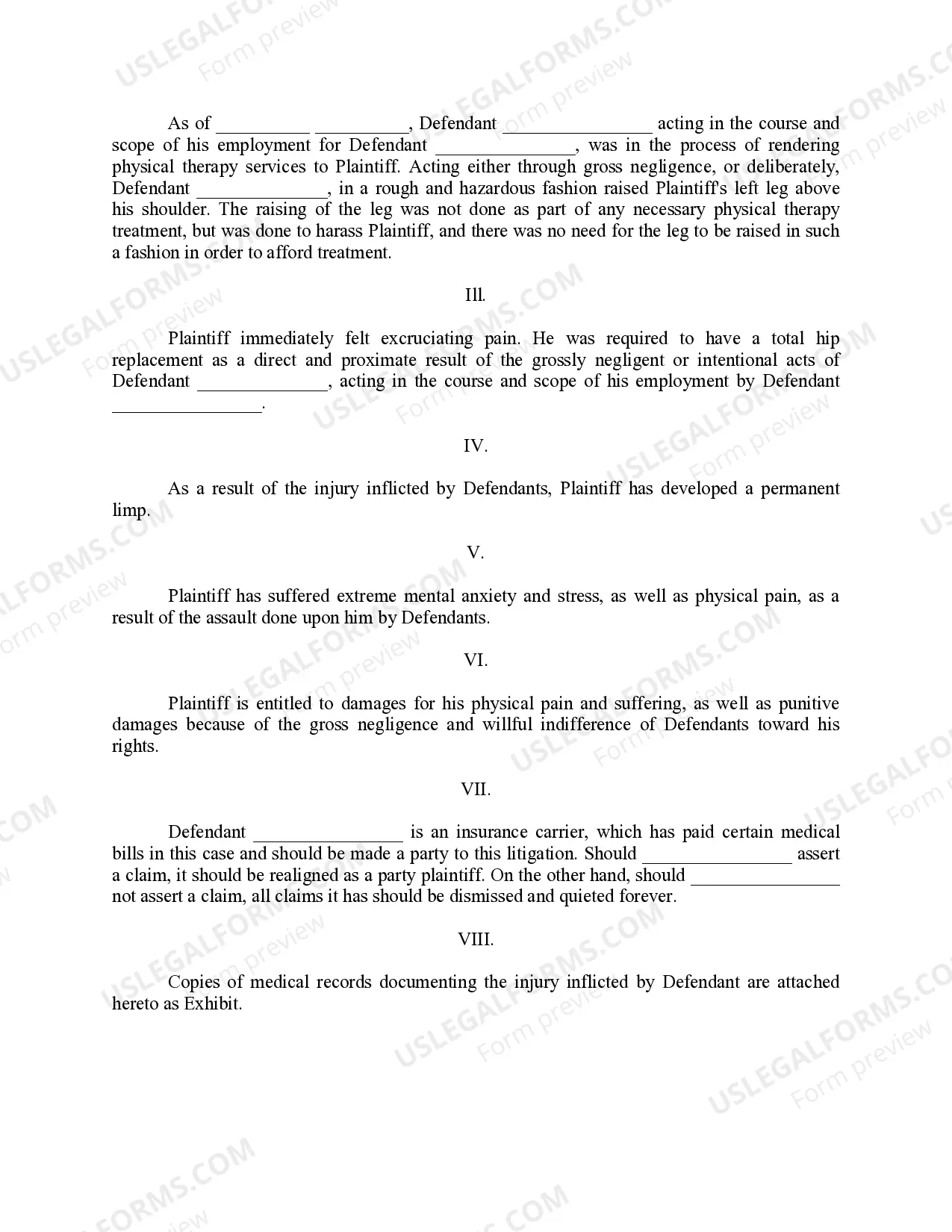


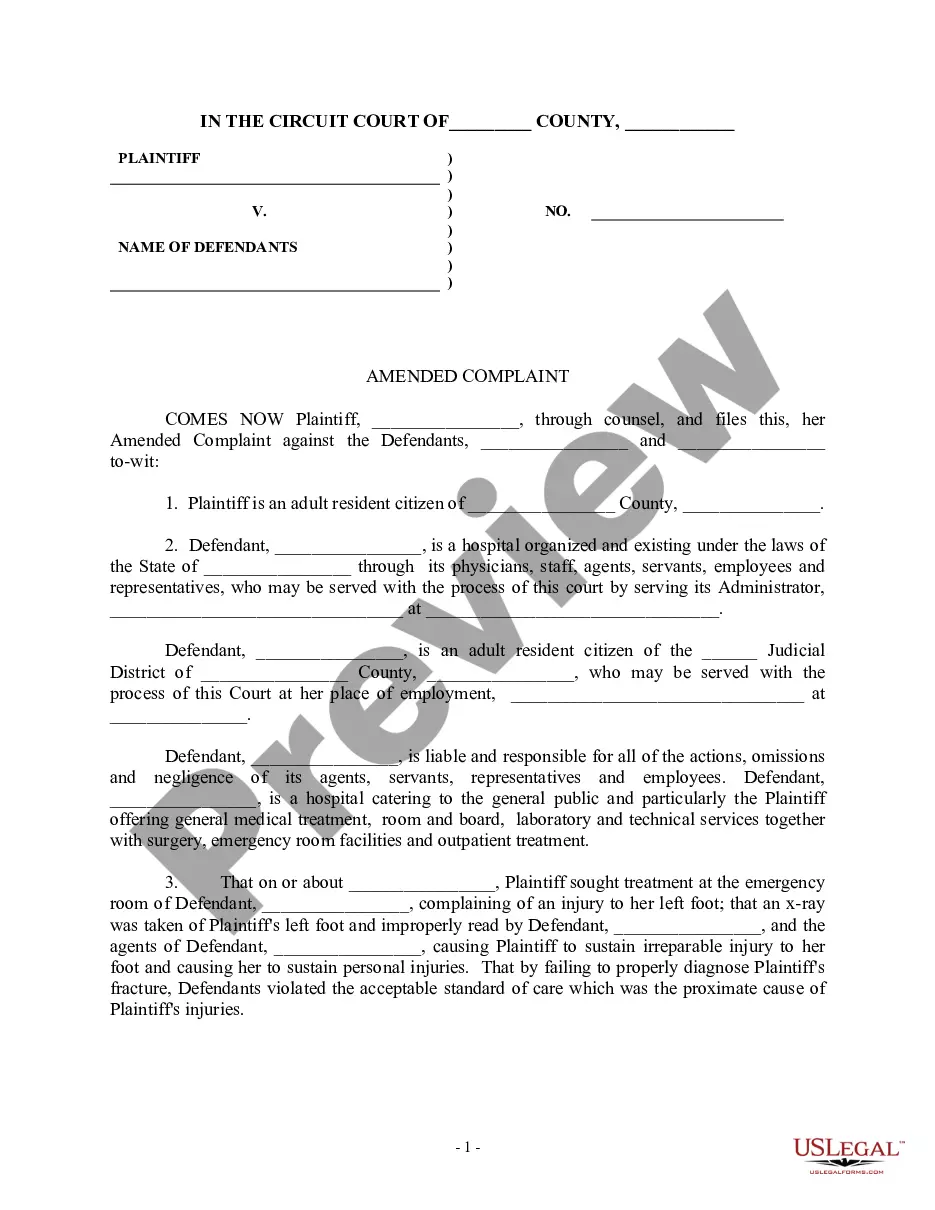
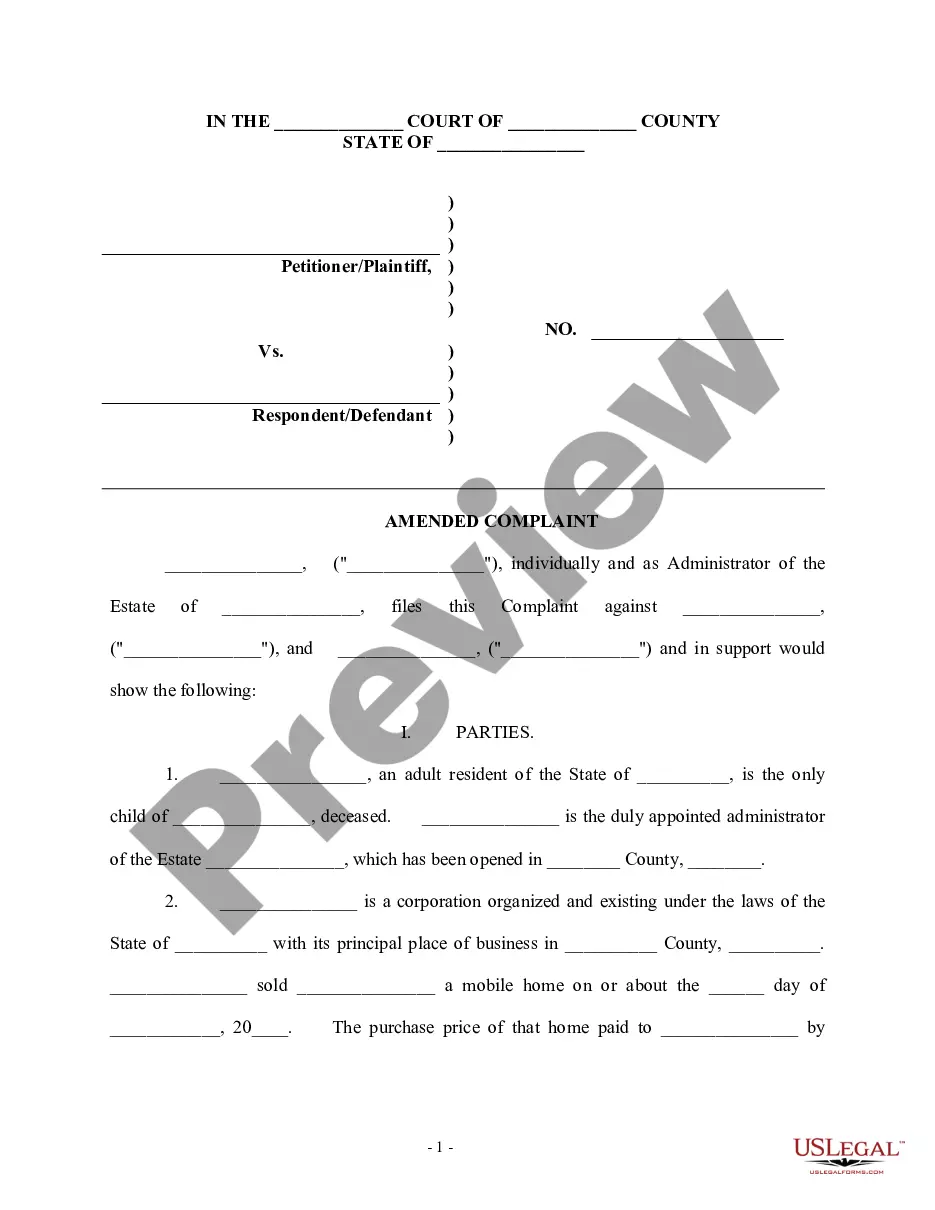
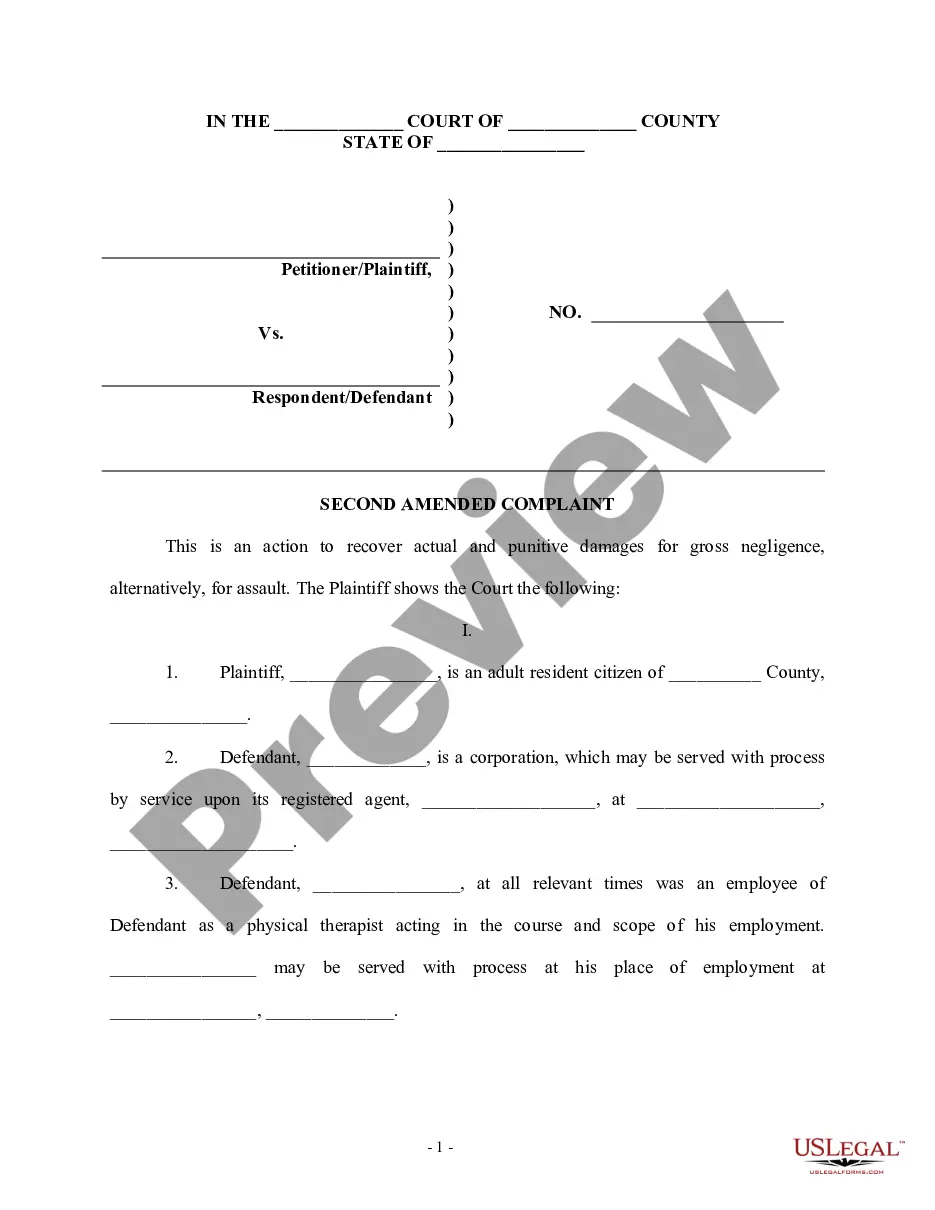
Get your form ready online
Our built-in tools help you complete, sign, share, and store your documents in one place.
Make edits, fill in missing information, and update formatting in US Legal Forms—just like you would in MS Word.
Download a copy, print it, send it by email, or mail it via USPS—whatever works best for your next step.
Sign and collect signatures with our SignNow integration. Send to multiple recipients, set reminders, and more. Go Premium to unlock E-Sign.
If this form requires notarization, complete it online through a secure video call—no need to meet a notary in person or wait for an appointment.
We protect your documents and personal data by following strict security and privacy standards.

Make edits, fill in missing information, and update formatting in US Legal Forms—just like you would in MS Word.

Download a copy, print it, send it by email, or mail it via USPS—whatever works best for your next step.

Sign and collect signatures with our SignNow integration. Send to multiple recipients, set reminders, and more. Go Premium to unlock E-Sign.

If this form requires notarization, complete it online through a secure video call—no need to meet a notary in person or wait for an appointment.

We protect your documents and personal data by following strict security and privacy standards.
Looking for another form?









Form popularity
FAQ
Simple assault is usually the least severe assault crime, and it is generally charged as misdemeanor assault. Further, the laws of some jurisdictions set forth different degrees of simple assault.
Apart from eyewitness testimonies, physical evidence, medical records, and digital communications can also be used. However, witness testimonies often become the deciding factor in these cases.
If you are attacked, YES you can press charges even if coming out on top. It is probably advisable to press charges, particularly if the evidence is on your side, because your assailant may otherwise claim that you were the aggressor and sue you. Can you sue someone for assaulting you?
A few of the most common types of assault experienced are verbal, simple, aggravated, and sexual. This is one of the most common types of assault experienced by adults in the United States. Verbal assault occurs when you are threatened verbally. Physical assault may or may not occur at the same time.
What are the Different Types of Assault and Punishment Ranges? Class C Assault. The lowest form of assault is considered a Class C Misdemeanor. Class A Assault. 3rd Degree Felony Assault. 2nd Degree Aggravated Assault. 1st Degree Aggravated Assault.
While it may seem a bit backwards to some people, the lower the degree of an offense (1st Degree, 2nd Degree, or 3rd Degree), the more serious charges. Likewise the higher the degree (4th Degree or 5th Degree) means the offense is of a less serious nature.
The prosecution must prove beyond a reasonable doubt each of these 3 elements: Intent to cause harm or fear. Fear or apprehension of imminent harm. Actual or attempted physical contact.
Conviction can result in six months in a county jail, a fine of up to $1,000, or both jail time and a fine.
To be convicted, you have to have the present ability to apply force and you can't have acted in self-defense or defense of another. Simple Assault is a Misdemeanor crime. Conviction can result in six months in a county jail, a fine of up to $1,000, or both jail time and a fine.
Aggravated assault in Texas is a first-degree felony when it is done against a family member, dating partner, or resident of the household and serious bodily injury is caused.
