Physical Abuse For Elderly In North Carolina
Description

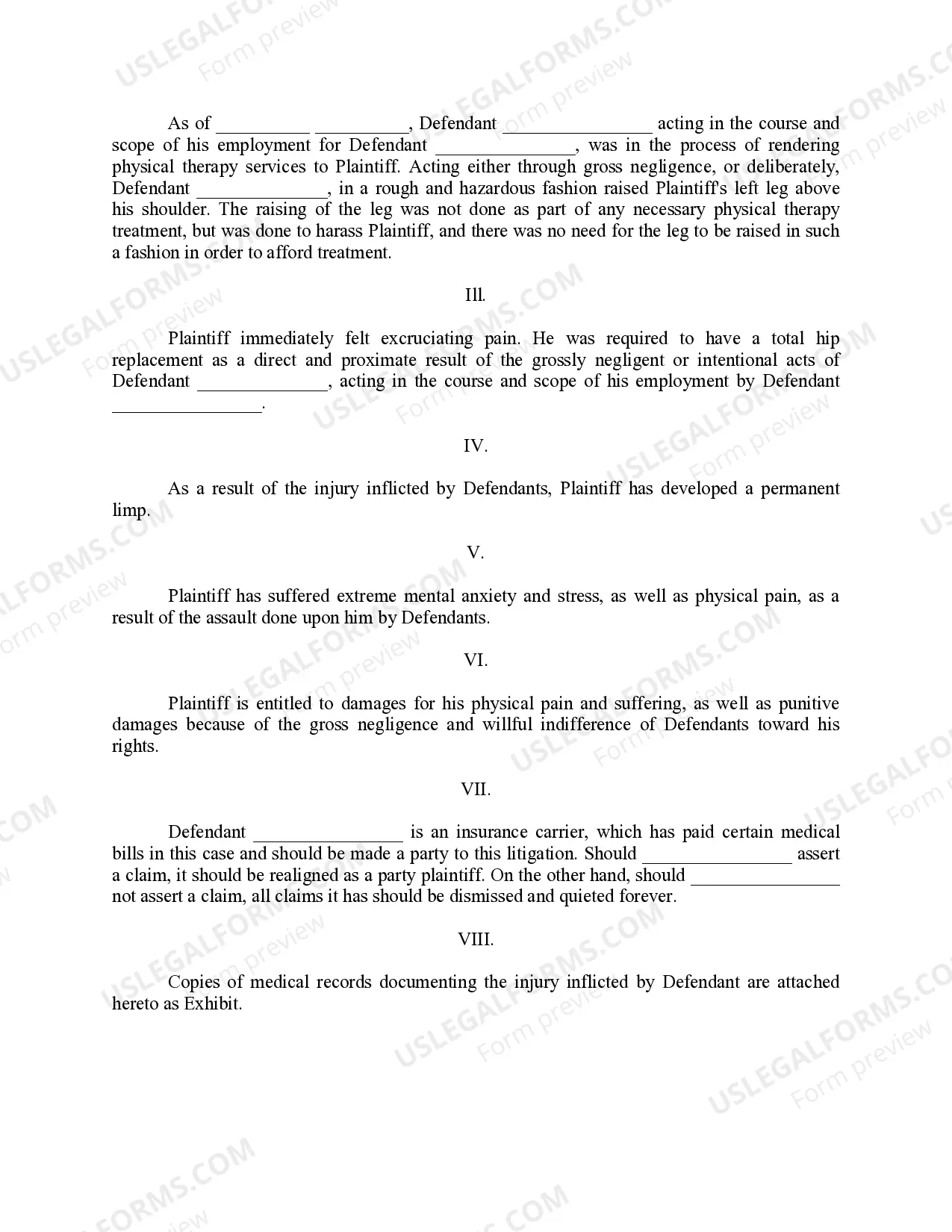

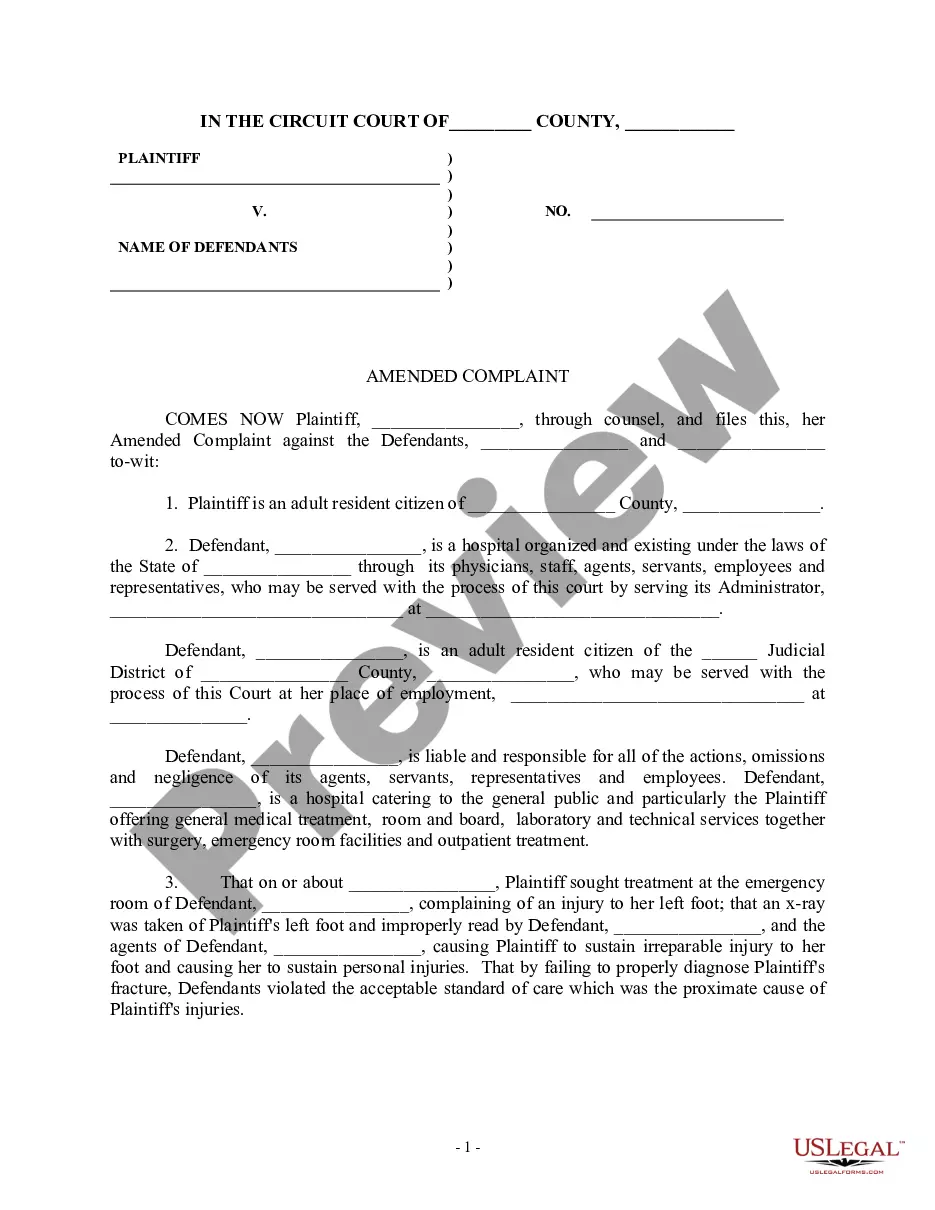
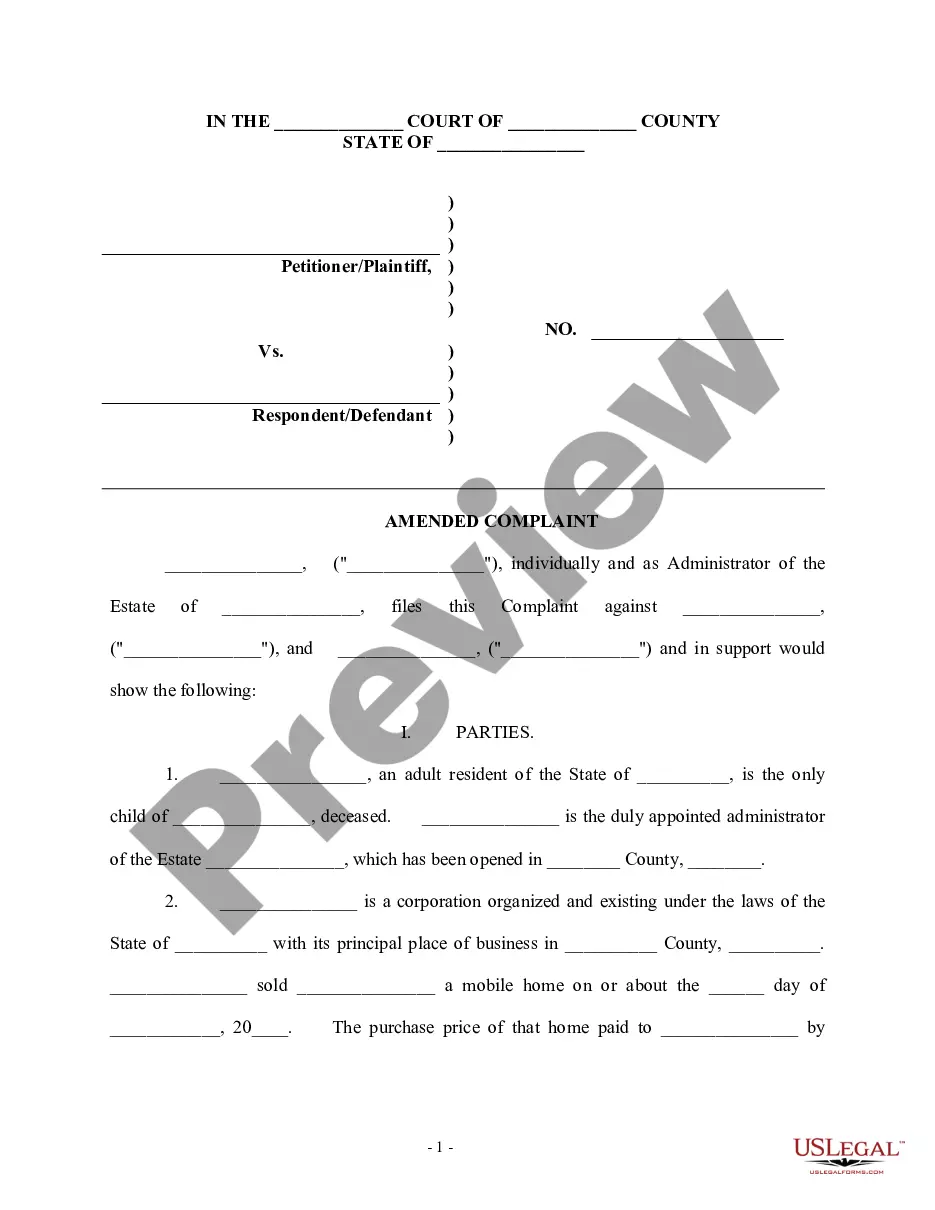
Get your form ready online
Our built-in tools help you complete, sign, share, and store your documents in one place.
Make edits, fill in missing information, and update formatting in US Legal Forms—just like you would in MS Word.
Download a copy, print it, send it by email, or mail it via USPS—whatever works best for your next step.
Sign and collect signatures with our SignNow integration. Send to multiple recipients, set reminders, and more. Go Premium to unlock E-Sign.
If this form requires notarization, complete it online through a secure video call—no need to meet a notary in person or wait for an appointment.
We protect your documents and personal data by following strict security and privacy standards.

Make edits, fill in missing information, and update formatting in US Legal Forms—just like you would in MS Word.

Download a copy, print it, send it by email, or mail it via USPS—whatever works best for your next step.

Sign and collect signatures with our SignNow integration. Send to multiple recipients, set reminders, and more. Go Premium to unlock E-Sign.

If this form requires notarization, complete it online through a secure video call—no need to meet a notary in person or wait for an appointment.

We protect your documents and personal data by following strict security and privacy standards.
Looking for another form?








Form popularity
FAQ
Self Neglect - Characterized as the behavior of an elderly person that threatens his/her own health or safety and generally manifests itself by failure to provide himself/herself with adequate food, water, clothing, shelter, personal hygiene, medication (when indicated), and safety precautions.
Every state, with the exception of New York, has mandated reporters but the list of who is included varies considerably. For example, fifteen states have universal reporting. This means that everyone in that state is required to report abuse, neglect and exploitation as defined by that state's statute.
Once you have reported elder abuse, the appropriate authorities will investigate the situation to gather evidence and assess the severity of the abuse. This may involve interviews with the victim, the alleged perpetrator, and any witnesses.
Encourage the contact of the elderly person with people and frequent outings Provide the elderly with a notebook where they can write their experiences and express their concerns Provide phone access and the numbers of a trusted person in case of an emergency Remind caregivers of their rights and obligations.
Adult Protective Services (APS) is the most widely used intervention to address elder mistreatment and neglect. This social services agency is charged with investigating allegations of abuse and neglect and facilitating appropriate remedies.
Elder abuse is a term referring to any knowing or intentional act by a caregiver or any other person that causes harm or a serious risk of harm to a vulnerable adult. Elder abuse can show up in families, as a form of domestic violence, but is just as often perpetrated by bad actors.
If someone is living alone, then family members can step in to assist until finances can be set up, medicaid put in place and aides can be placed in the home or the person can move into a nursing home or assisted living facility, depending upon their needs. This is not a quick process, but it can be done.
North Carolina law requires reporting when anyone suspects that an older or disabled adult is being abused, neglected or exploited. The reporter's name is always kept confidential and reporters are protected from civil and criminal liability for good faith reports.
In most cases, the caseworker then has 30 days to complete a comprehensive assessment to determine if elder abuse occurred and what services or interventions the victim may need.
If appropriate, an arrest is made and criminal charges are brought. A trial begins if the prosecutor files charges. A prison sentence of up to 15 years follows upon conviction. Knowingly filing a false claim of elder abuse comes with legal consequences.
