Jury Trial Fee In Nassau
Description


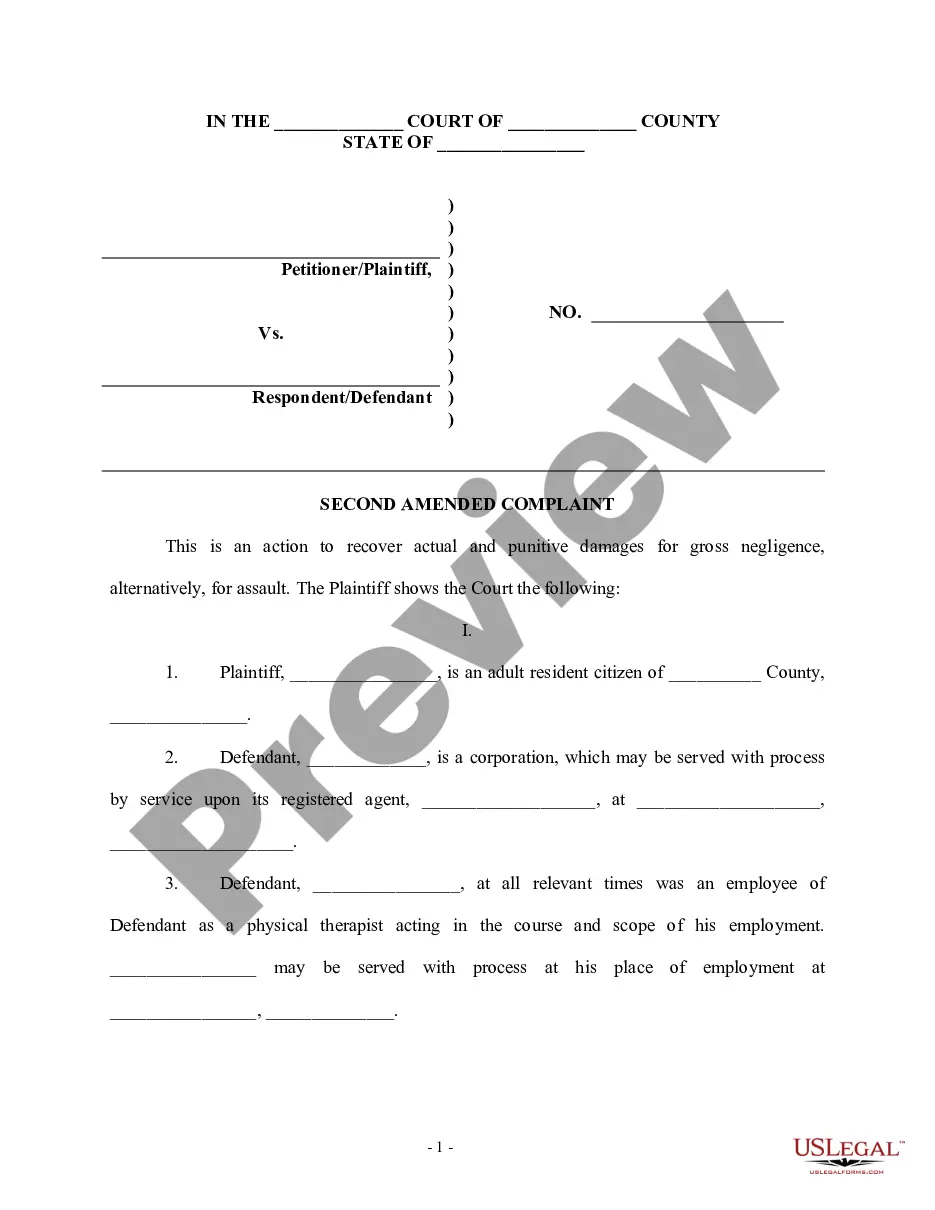
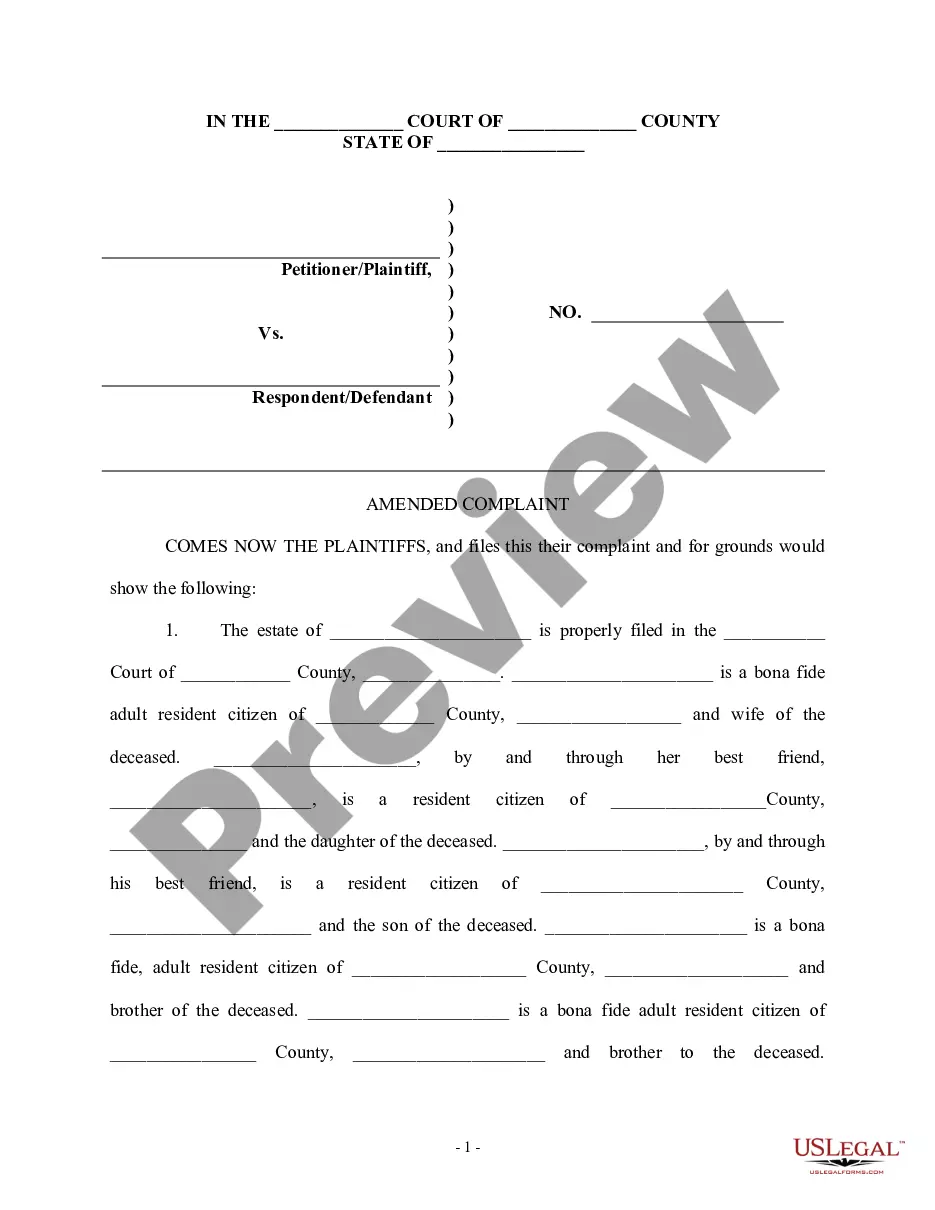
Get your form ready online
Our built-in tools help you complete, sign, share, and store your documents in one place.
Make edits, fill in missing information, and update formatting in US Legal Forms—just like you would in MS Word.
Download a copy, print it, send it by email, or mail it via USPS—whatever works best for your next step.
Sign and collect signatures with our SignNow integration. Send to multiple recipients, set reminders, and more. Go Premium to unlock E-Sign.
If this form requires notarization, complete it online through a secure video call—no need to meet a notary in person or wait for an appointment.
We protect your documents and personal data by following strict security and privacy standards.

Make edits, fill in missing information, and update formatting in US Legal Forms—just like you would in MS Word.

Download a copy, print it, send it by email, or mail it via USPS—whatever works best for your next step.

Sign and collect signatures with our SignNow integration. Send to multiple recipients, set reminders, and more. Go Premium to unlock E-Sign.

If this form requires notarization, complete it online through a secure video call—no need to meet a notary in person or wait for an appointment.

We protect your documents and personal data by following strict security and privacy standards.
Looking for another form?









Form popularity
FAQ
In Nassau County, jurors who are not involved in a voir dire or trial are excused after one or two days. Those who are selected on a jury are required to serve on only one trial. On average, the length of a civil trial ranges from one or two days. Criminal trials average slightly longer.
If you are requesting a medical excuse, you must furnish a doctors note stating what your condition is and if it is permanent or temporary. Please send the doctors note back to the above address together with your original summons.
A grand jury is bigger (hence “grand” - the name comes from French and means “big”) and it decides on indictments. It does not try cases, it only hears the prosecution evidence in serious cases and decides whether there is enough evidence to take the case to trial.
Nassau County Grand Jury The grand jury must determine if there is enough evidence to indict a person. Decisions do not have to be unanimous for an indictment. However, there must be at least twelve votes in favor of an indictment. The grand jury consists of twenty-three jurors.
It should be remembered that at least 16 jurors must be present and 12 members must vote in favor of the indictment before it may be returned. The foreperson of the grand jury must keep a record of the number of jurors concurring in the finding of every indictment and file the record with the Clerk of the Court.
You must follow the directions in the “Juror Excusal Statement” portion of your summons in order to be excused for either category. Potential jurors who have a request for exemption, or other hardship/conflict/deferral, MUST submit that request BEFORE the registration date deadline.
Nassau County Grand Jury Grand Jurors serve for a term of four weeks. The function of a grand jury is to hear evidence concerning alleged crimes. The grand jury does not have to determine issues of guilt or innocence.
Sole parents, main breadwinners, leader on a big project at work, physical or mental disabilities that may impede your attendance... these things will almost always get you out of Jury Duty, though you should try to bring documentation of some kind to prove it.
You have a medical condition or disability A diagnosis of your mental or physical condition. A prognosis of how long the condition is expected to exist. A conclusion stating that you are incapable of serving as a juror currently or in the future.
You must follow the directions in the “Juror Excusal Statement” portion of your summons in order to be excused for either category. Potential jurors who have a request for exemption, or other hardship/conflict/deferral, MUST submit that request BEFORE the registration date deadline.
