Physical Abuse For Elderly In Miami-Dade
Description



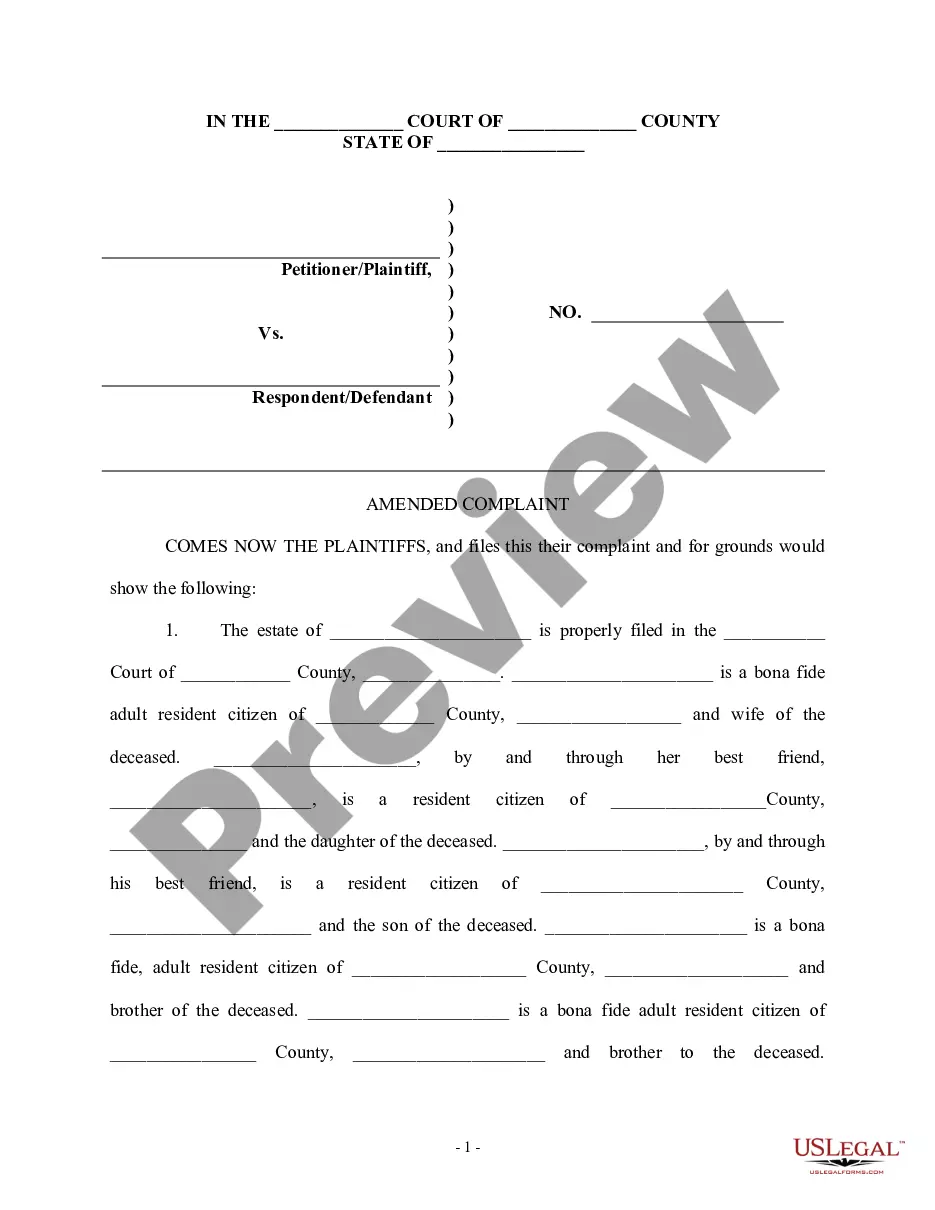
Get your form ready online
Our built-in tools help you complete, sign, share, and store your documents in one place.
Make edits, fill in missing information, and update formatting in US Legal Forms—just like you would in MS Word.
Download a copy, print it, send it by email, or mail it via USPS—whatever works best for your next step.
Sign and collect signatures with our SignNow integration. Send to multiple recipients, set reminders, and more. Go Premium to unlock E-Sign.
If this form requires notarization, complete it online through a secure video call—no need to meet a notary in person or wait for an appointment.
We protect your documents and personal data by following strict security and privacy standards.

Make edits, fill in missing information, and update formatting in US Legal Forms—just like you would in MS Word.

Download a copy, print it, send it by email, or mail it via USPS—whatever works best for your next step.

Sign and collect signatures with our SignNow integration. Send to multiple recipients, set reminders, and more. Go Premium to unlock E-Sign.

If this form requires notarization, complete it online through a secure video call—no need to meet a notary in person or wait for an appointment.

We protect your documents and personal data by following strict security and privacy standards.
Looking for another form?


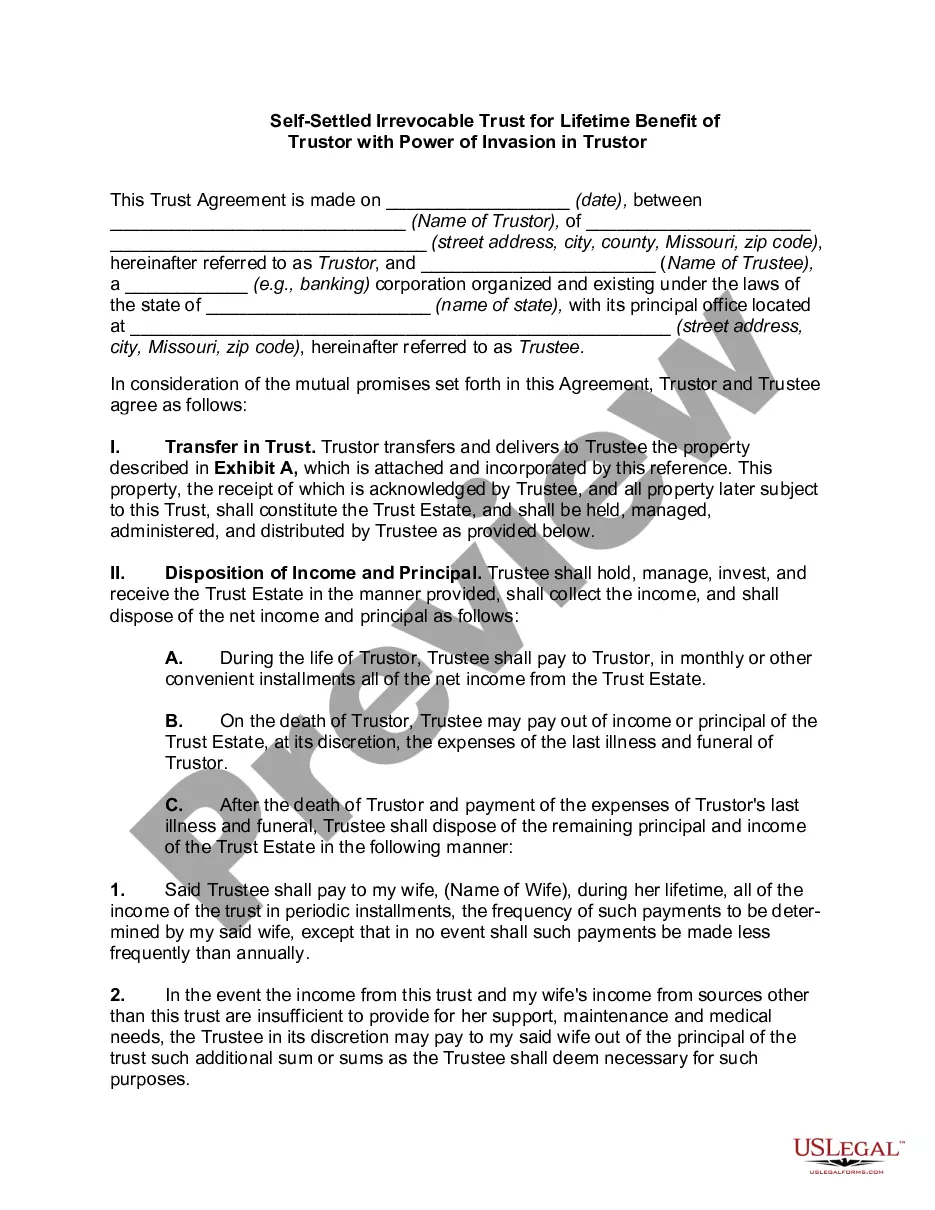







Form popularity
FAQ
In California, elder abuse charges can lead to the following: A fine of $2,500 or to six-digit values. Imprisonment in county jail (for misdemeanors) Incarceration in state prison (for felonies)
California Adult Protective Service Agency: call (833) 401-0832 or visit the APS website for a list of county APS contacts. Attorney General's Elder and Dependent Adult Abuse Hotline: (888) 436-3600. Long-Term Care Ombudsman/CRISISline: (800) 231-4024.
Action on Elder Abuse (AEA) Est 1993. AEA challenges the abuse of older adults, and influences the experience of other adults at risk of abuse, by raising awareness, seeking to raise standards of care, influencing the development of health and social policy, providing training and working with the media.
Learn 5 Ways to Help Prevent Elder Abuse Learn the signs. Be on the lookout for physical and emotional abuse, as well as signs of financial abuse, neglect, or abandonment. Prevent isolation. Call or visit your loved ones and check on them regularly. Provide information. Be a friend. Spread the message.
Adult Protective Services (APS) is the most widely used intervention to address elder mistreatment and neglect. This social services agency is charged with investigating allegations of abuse and neglect and facilitating appropriate remedies.
Elder Abuse Is a Crime in California Misdemeanor elder abuse can be punished by up to one year in county jail and a maximum fine of $6,000 as well as restitution. Felony elder abuse in California can be punished by up to four years in prison and up to seven additional years if the victim suffered great bodily harm.
If someone is living alone, then family members can step in to assist until finances can be set up, medicaid put in place and aides can be placed in the home or the person can move into a nursing home or assisted living facility, depending upon their needs. This is not a quick process, but it can be done.
Steps to Proving Financial Elder Abuse Hire an elder financial abuse attorney. Prove the victim is an elder. Identify the suspect. Gather as much evidence as possible. Identify where and how the financial abuse took place. Prove it is “more likely than not” that there was abuse.
A person who knowingly or willfully abuses an elderly person or disabled adult without causing great bodily harm, permanent disability, or permanent disfigurement to the elderly person or disabled adult commits a felony of the third degree, punishable as provided in s. 775.082, s. 775.083, or s. 775.084.
