Negligence Assault Complaint Form In Massachusetts
Description

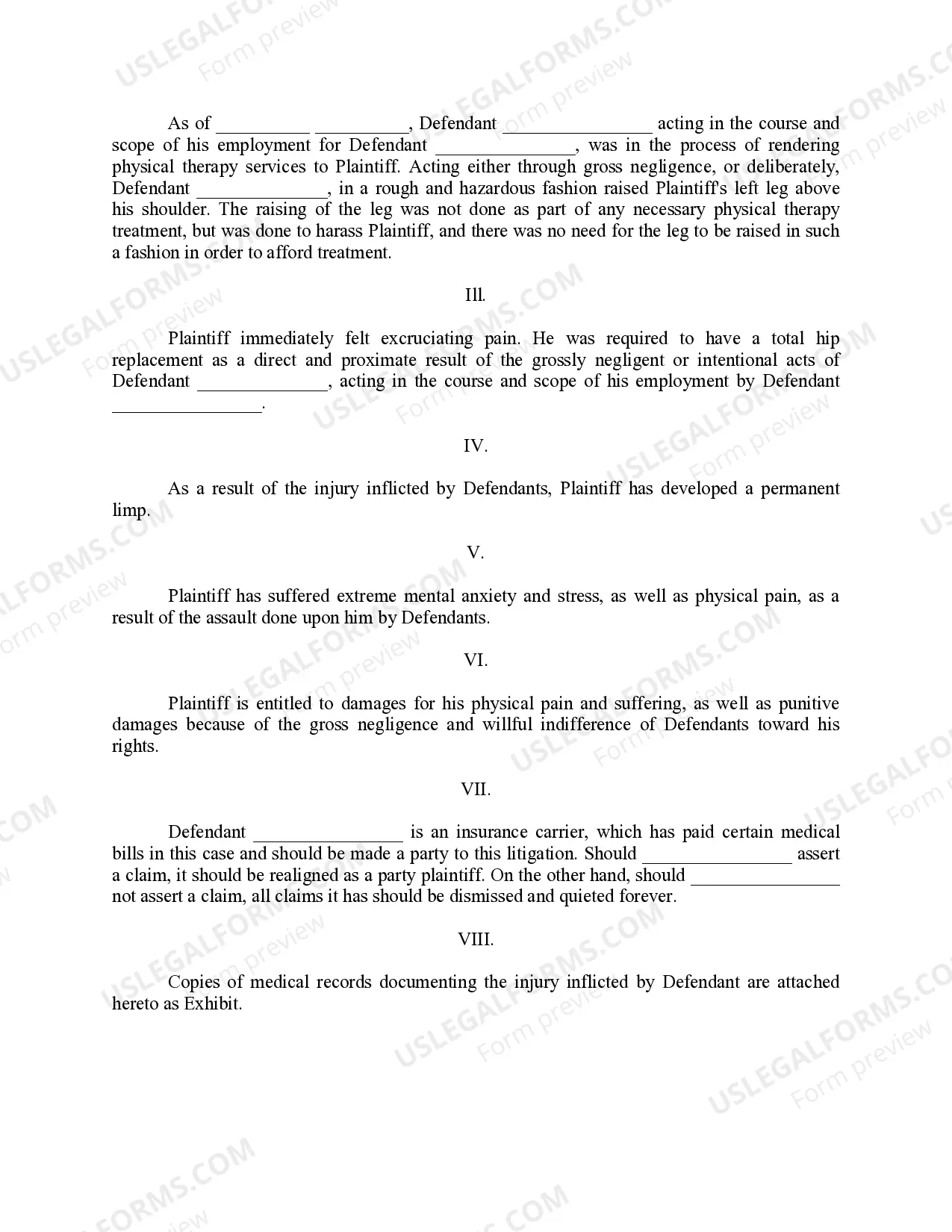
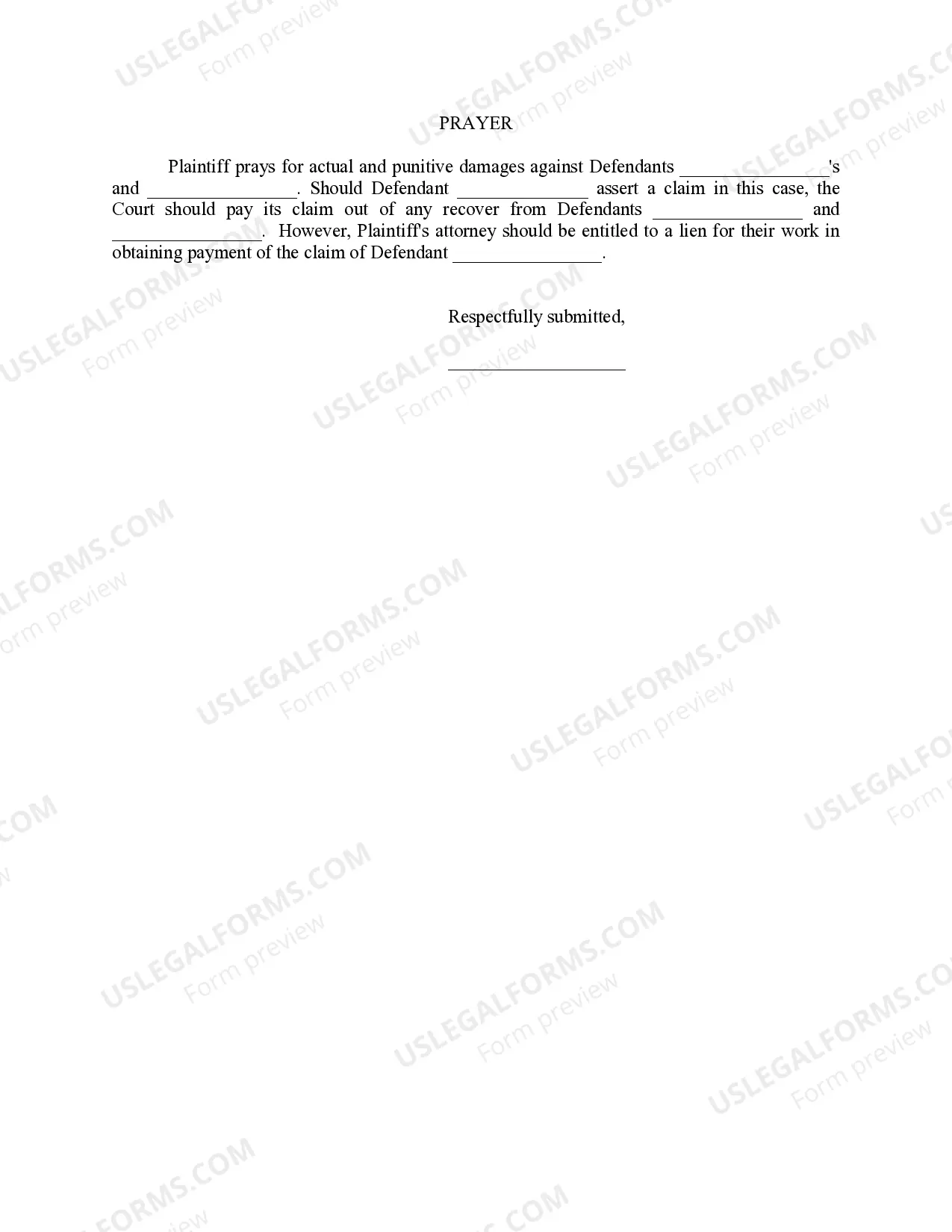

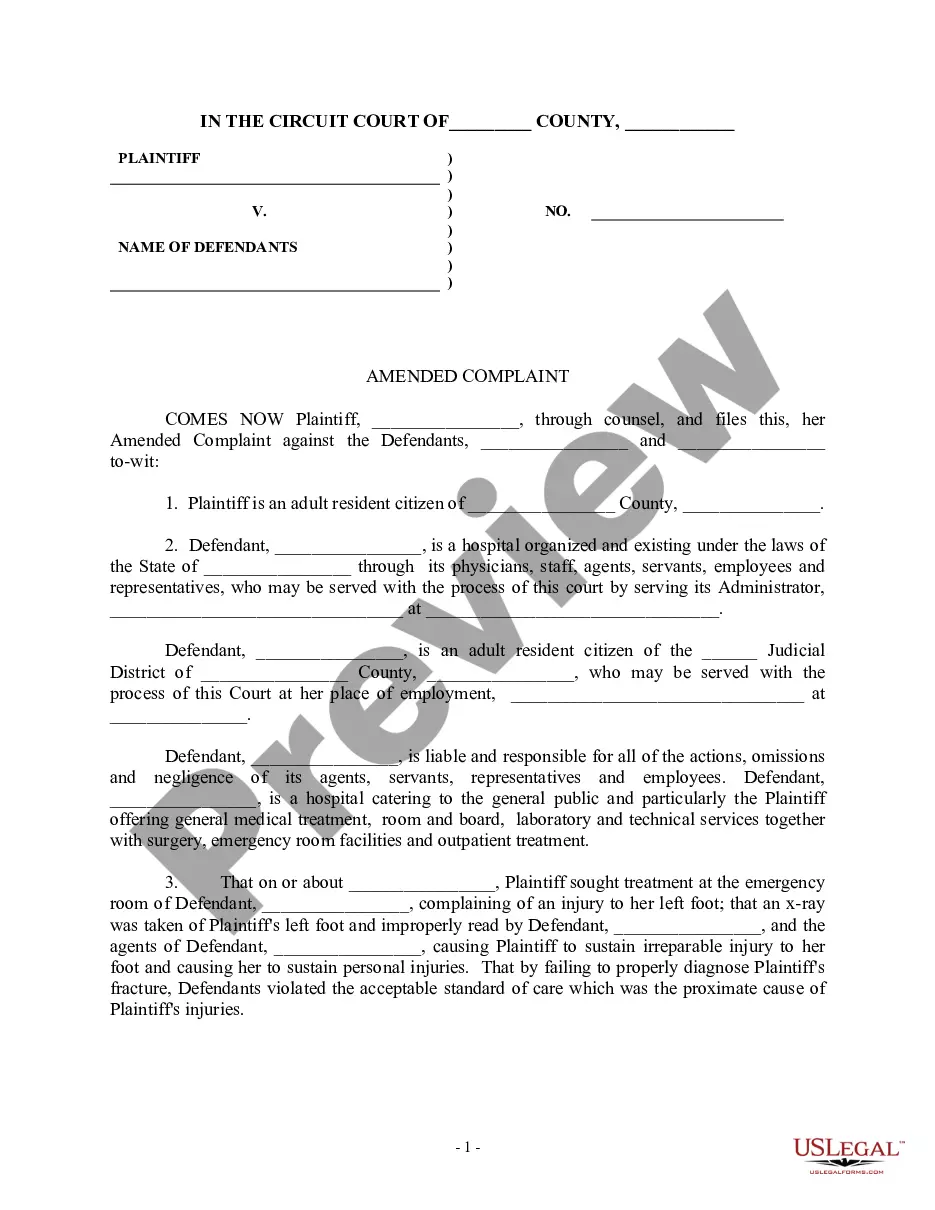
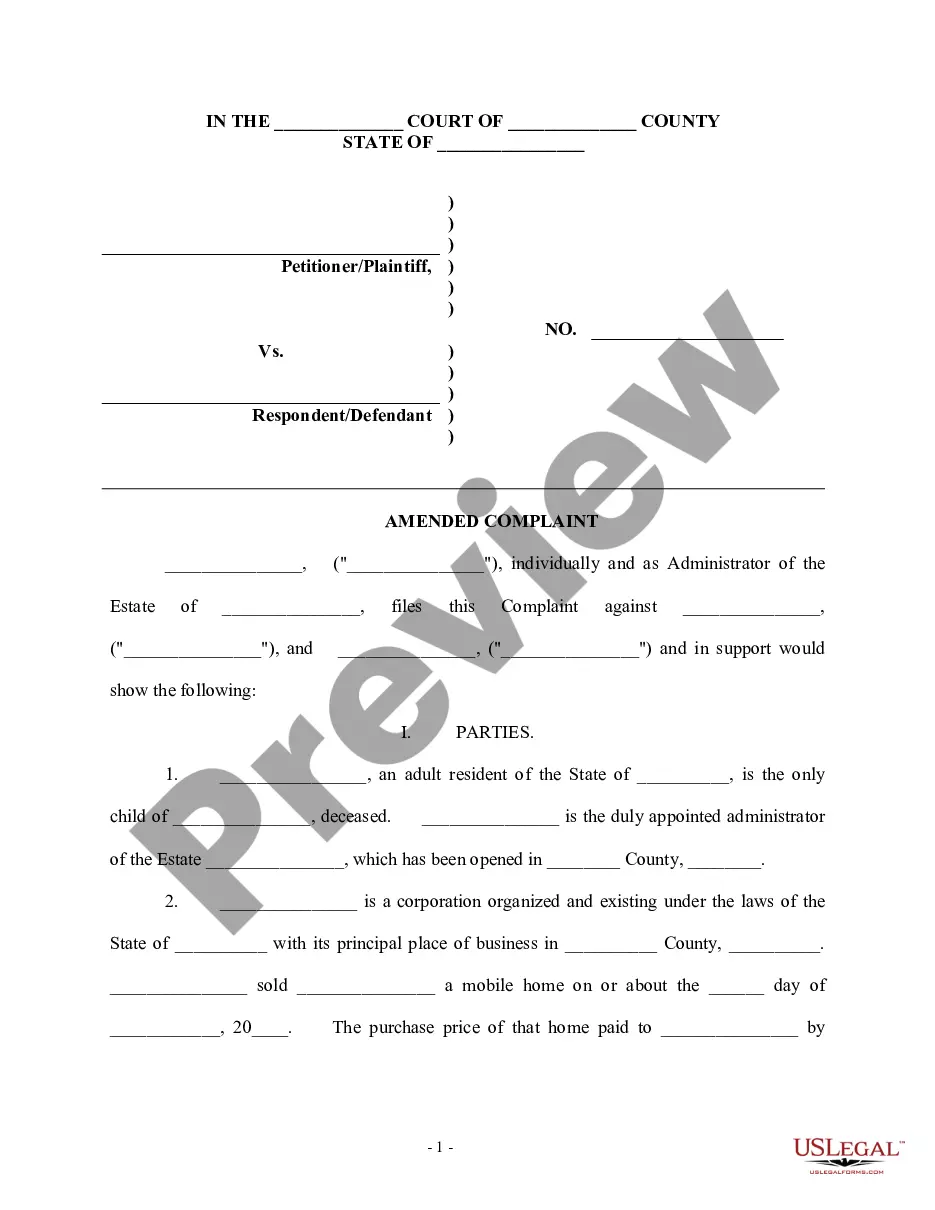
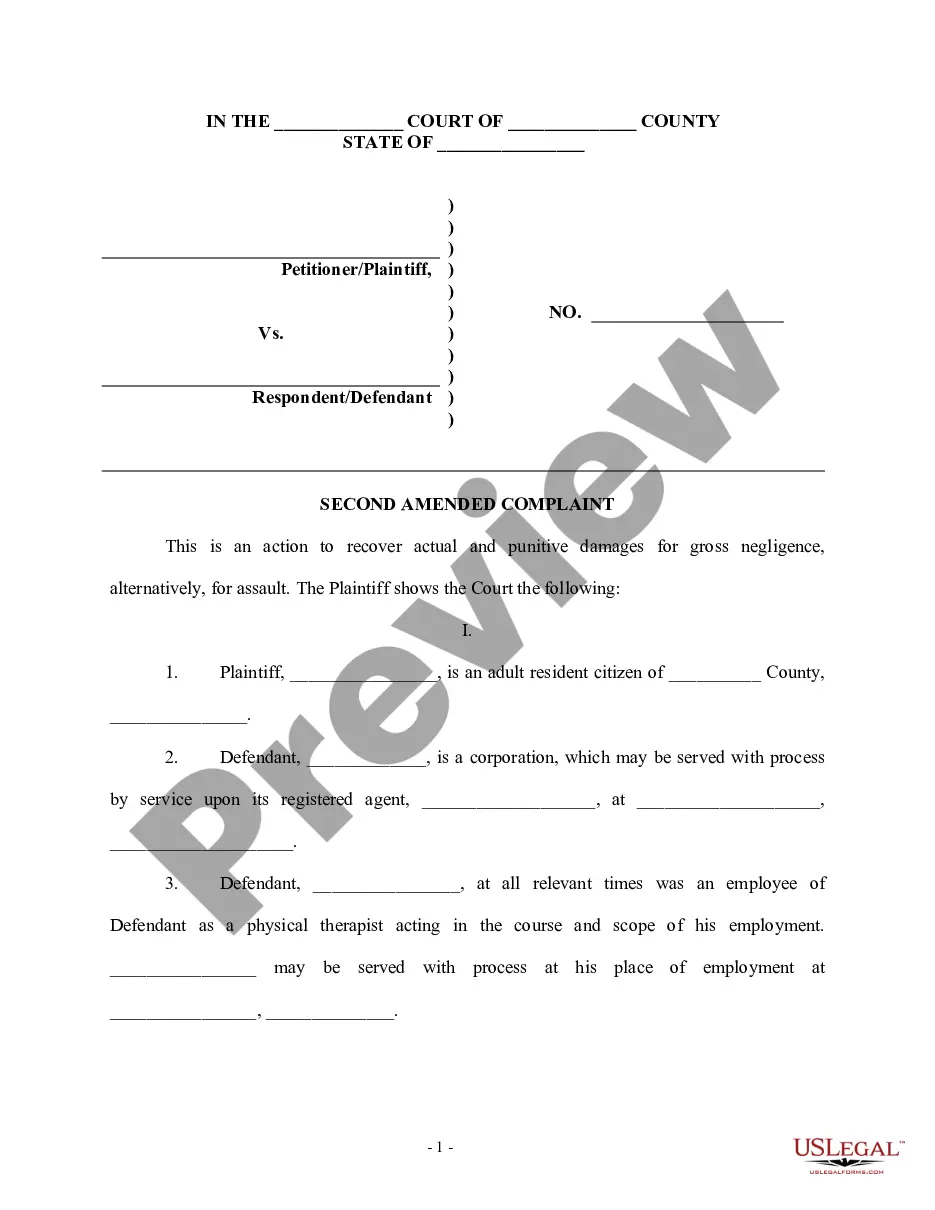
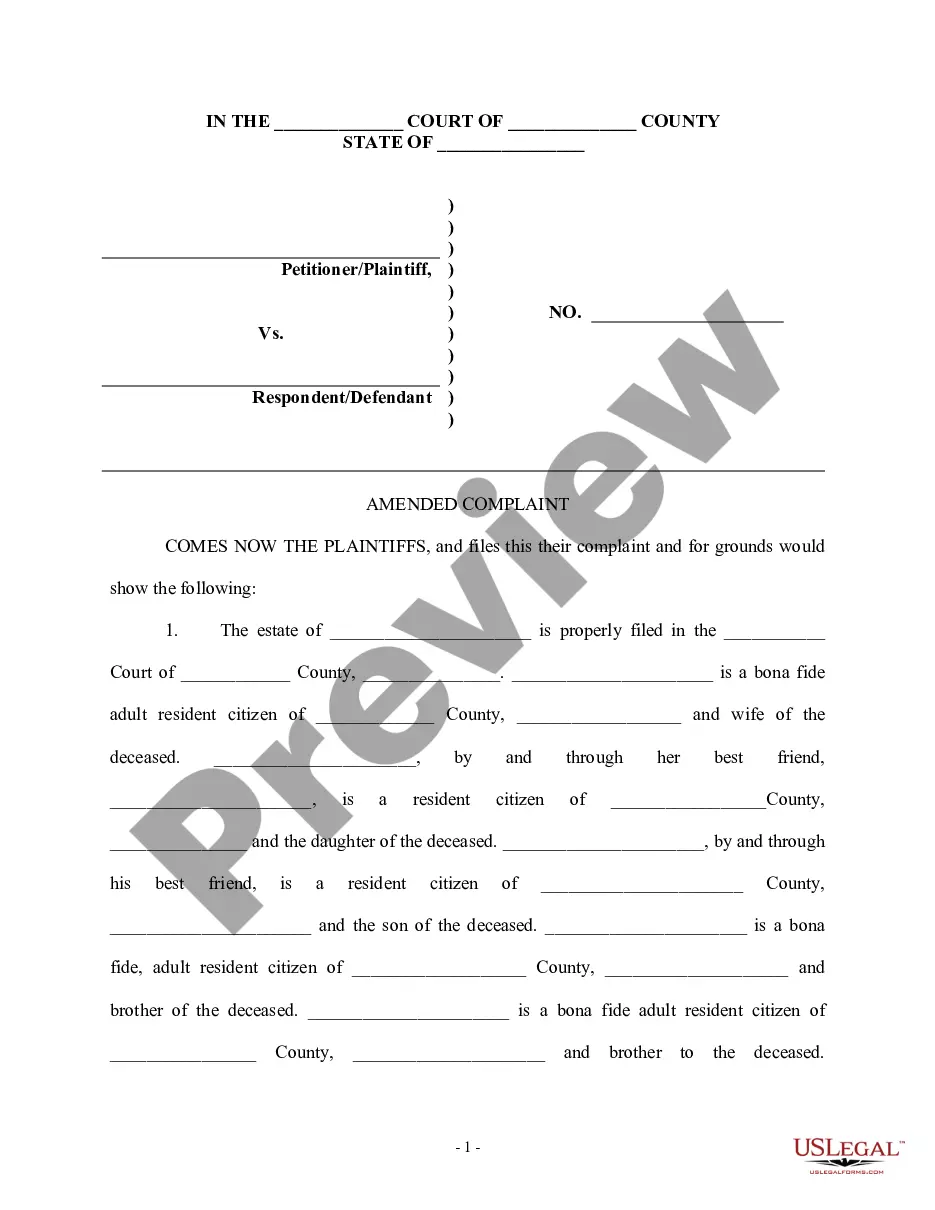
Get your form ready online
Our built-in tools help you complete, sign, share, and store your documents in one place.
Make edits, fill in missing information, and update formatting in US Legal Forms—just like you would in MS Word.
Download a copy, print it, send it by email, or mail it via USPS—whatever works best for your next step.
Sign and collect signatures with our SignNow integration. Send to multiple recipients, set reminders, and more. Go Premium to unlock E-Sign.
If this form requires notarization, complete it online through a secure video call—no need to meet a notary in person or wait for an appointment.
We protect your documents and personal data by following strict security and privacy standards.

Make edits, fill in missing information, and update formatting in US Legal Forms—just like you would in MS Word.

Download a copy, print it, send it by email, or mail it via USPS—whatever works best for your next step.

Sign and collect signatures with our SignNow integration. Send to multiple recipients, set reminders, and more. Go Premium to unlock E-Sign.

If this form requires notarization, complete it online through a secure video call—no need to meet a notary in person or wait for an appointment.

We protect your documents and personal data by following strict security and privacy standards.
Looking for another form?







Form popularity
FAQ
For successful service on a defendant who is a person, the sheriff or constable must personally hand a copy of the summons and complaint to the defendant, leave the copies at the defendant's last and usual place of abode (last known residence), or deliver the copies to an agent authorized to receive service of process ...
Primary tabs. A complaint is the pleading that starts a case. Essentially, a document that sets forth a jurisdictional basis for the court's power, the plaintiff's cause of action, and a demand for judicial relief. A plaintiff starts a civil action by filing a pleading called a complaint.
In essence, a legal complaint initiates a lawsuit, while a lawsuit encompasses the entire process of resolving the dispute in court. The existence of a lawsuit and its course through the judicial process is also referred to as “litigation.”
To begin a lawsuit, the original copy of the complaint is filed in the clerk's office of the court where you can file your case. The clerk does not have to accept complaints that do not comply with court rules. You should keep at least three copies of your complaint.
Settlement: At any time after the filing of the Complaint, the parties may engage in settlement discussions. A settlement occurs when the parties resolve their civil dispute, usually after negotiating among themselves rather than the court or a jury deciding the case.
Filing your complaint starts your case, but the summons is the document that is issued under the court's authority that notifies your defendant they are being sued and that they need to take action.
Determine the Venue of Your Case. You also need to decide where your case needs to be heard, i.e. the courthouse's geographic location. The proper venue could be the place (i.e., municipality or county) where a piece of land is located, or the place where one of the parties lives or has their business, for example.
File a complaint by calling the Intake Investigator at (617) 371-9500 or (888) 485-4766.
There are no general rules related to the time period to file a case. However, you almost always have at least a year to file a civil lawsuit. Depending on the type of case or civil action, it could be much longer. Different statutes of limitations apply to different types of cases and causes of action.
Massachusetts' civil statute of limitations laws set a three-year time limit for most cases. Examples include: Personal injury.