Amended Trial Information In Massachusetts
Description


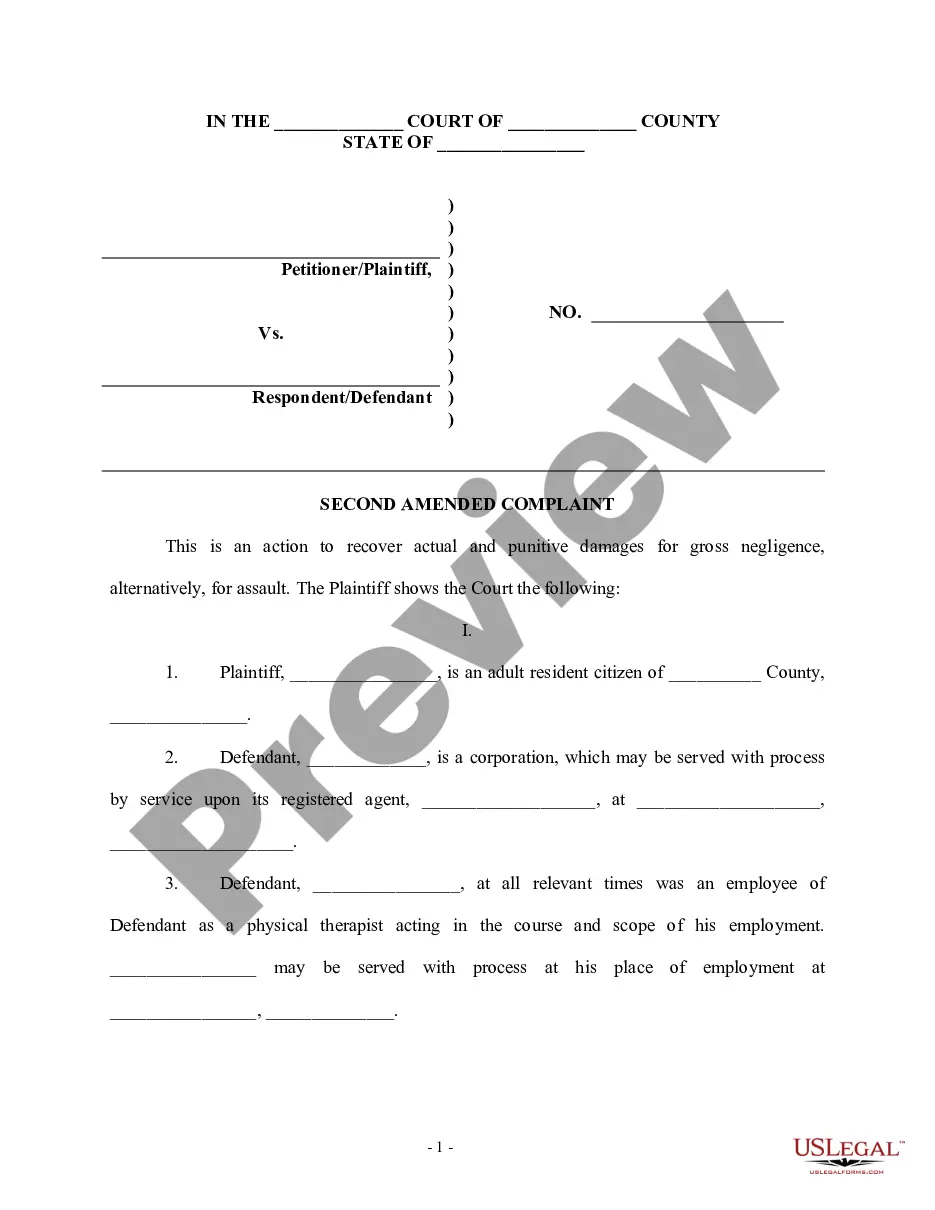
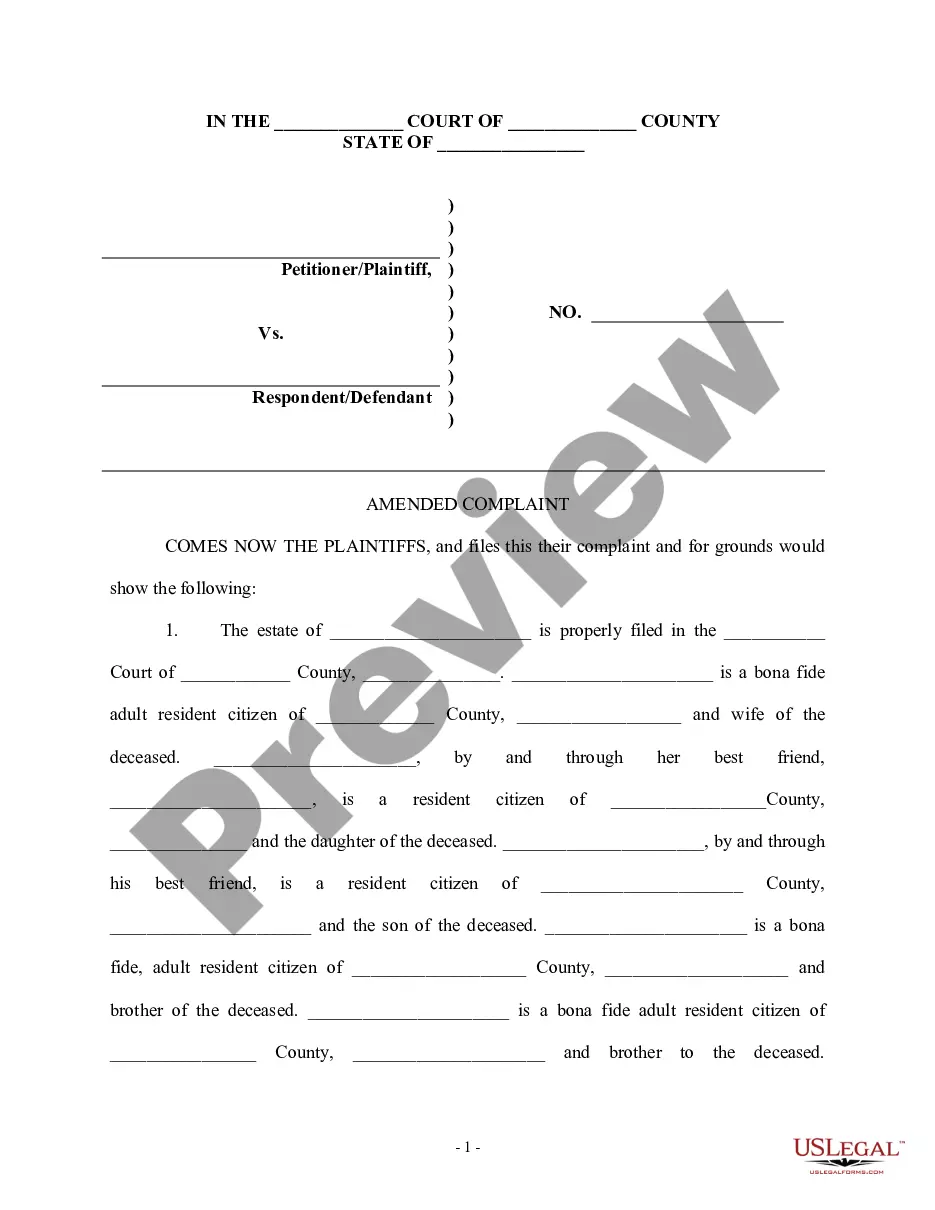
Get your form ready online
Our built-in tools help you complete, sign, share, and store your documents in one place.
Make edits, fill in missing information, and update formatting in US Legal Forms—just like you would in MS Word.
Download a copy, print it, send it by email, or mail it via USPS—whatever works best for your next step.
Sign and collect signatures with our SignNow integration. Send to multiple recipients, set reminders, and more. Go Premium to unlock E-Sign.
If this form requires notarization, complete it online through a secure video call—no need to meet a notary in person or wait for an appointment.
We protect your documents and personal data by following strict security and privacy standards.

Make edits, fill in missing information, and update formatting in US Legal Forms—just like you would in MS Word.

Download a copy, print it, send it by email, or mail it via USPS—whatever works best for your next step.

Sign and collect signatures with our SignNow integration. Send to multiple recipients, set reminders, and more. Go Premium to unlock E-Sign.

If this form requires notarization, complete it online through a secure video call—no need to meet a notary in person or wait for an appointment.

We protect your documents and personal data by following strict security and privacy standards.
Looking for another form?








Form popularity
FAQ
Rule 56 - Summary Judgment (a)Motions for Summary Judgment. A party may move for summary judgment subsequent to the commencement of any proceeding under these rules except in actions for divorce or in actions for custody or visitation or for criminal contempt.
Rule 56 - Summary Judgment (a)Motions for Summary Judgment. A party may move for summary judgment subsequent to the commencement of any proceeding under these rules except in actions for divorce or in actions for custody or visitation or for criminal contempt.
At this hearing the judge listens to testimony from witnesses and determines whether the evidence presented is sufficient to send the case to the Superior Court. Again, it is necessary for all summoned (subpoenaed) witnesses to appear at the Probable Cause Hearing .
The court may permit an information to be amended at any time before verdict or finding if no additional or different offense is charged and if substantial rights of the defendant are not prejudiced. Leave of court is required for the prosecutor to amend.
Rule 59 - New Trials: Amendment of Judgments (a) Grounds. A new trial may be granted to all or any of the parties and on all or part of the issues for any of the reasons for which rehearings have heretofore been granted in suits in equity in the courts of the Commonwealth.
In essence, Rule 36 means that all defendants are guaranteed a trial within one year of their arraignment.
Summary Judgment. (a) Motion for Summary Judgment or Partial Summary Judgment. A party may move for summary judgment, identifying each claim or defense – or the part of each claim or defense – on which summary judgment is sought.
2. Opposition: An opposition is due within fourteen (14) days of service of the motion, except as to motions for summary judgment, where oppositions may be filed within twenty-one (21) days. See Local Rules 7.1, 56.1.
Rule 59 - New Trials: Amendment of Judgments (a) Grounds. A new trial may be granted to all or any of the parties and on all or part of the issues for any of the reasons for which rehearings have heretofore been granted in suits in equity in the courts of the Commonwealth.
