Second Amendment Rights For Felons In Maricopa
Description


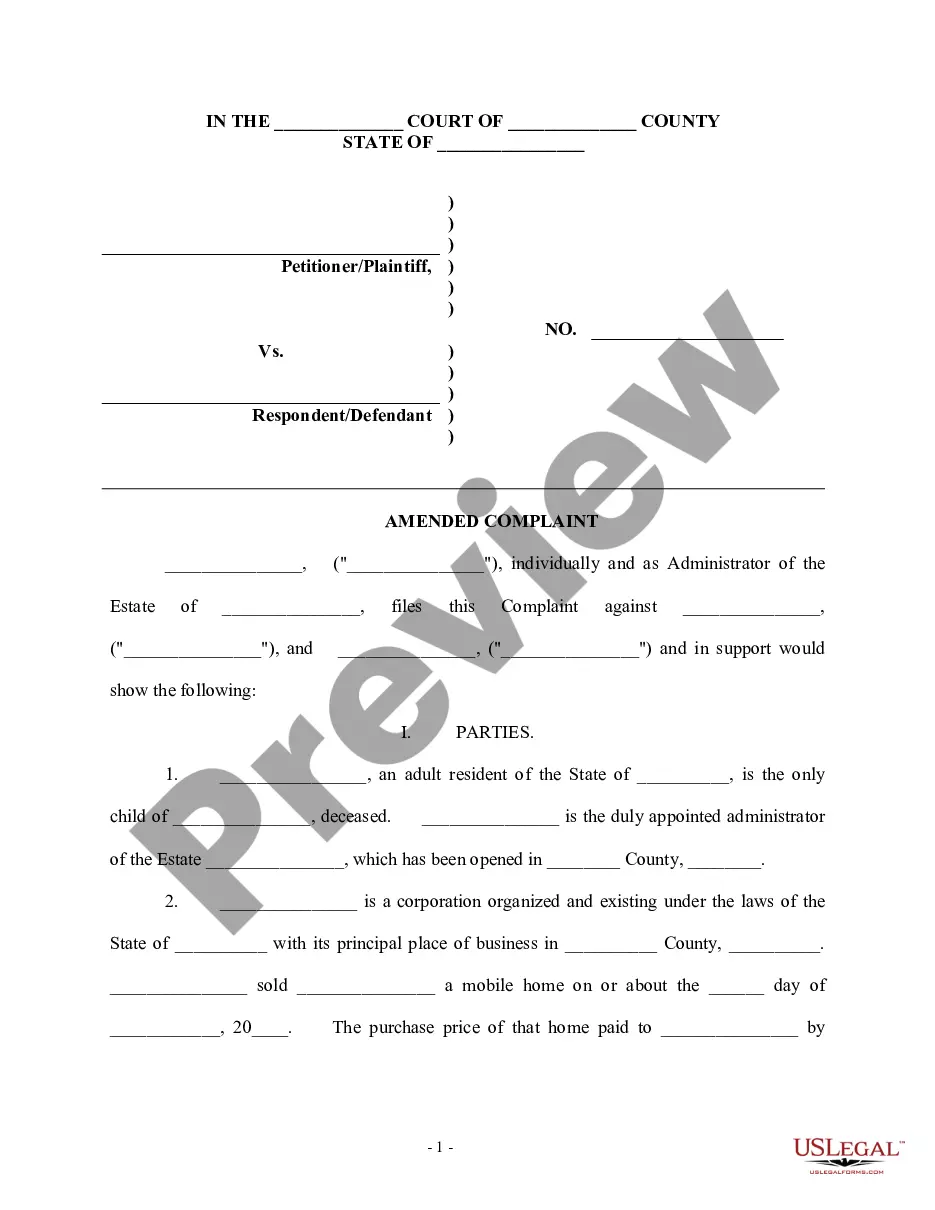
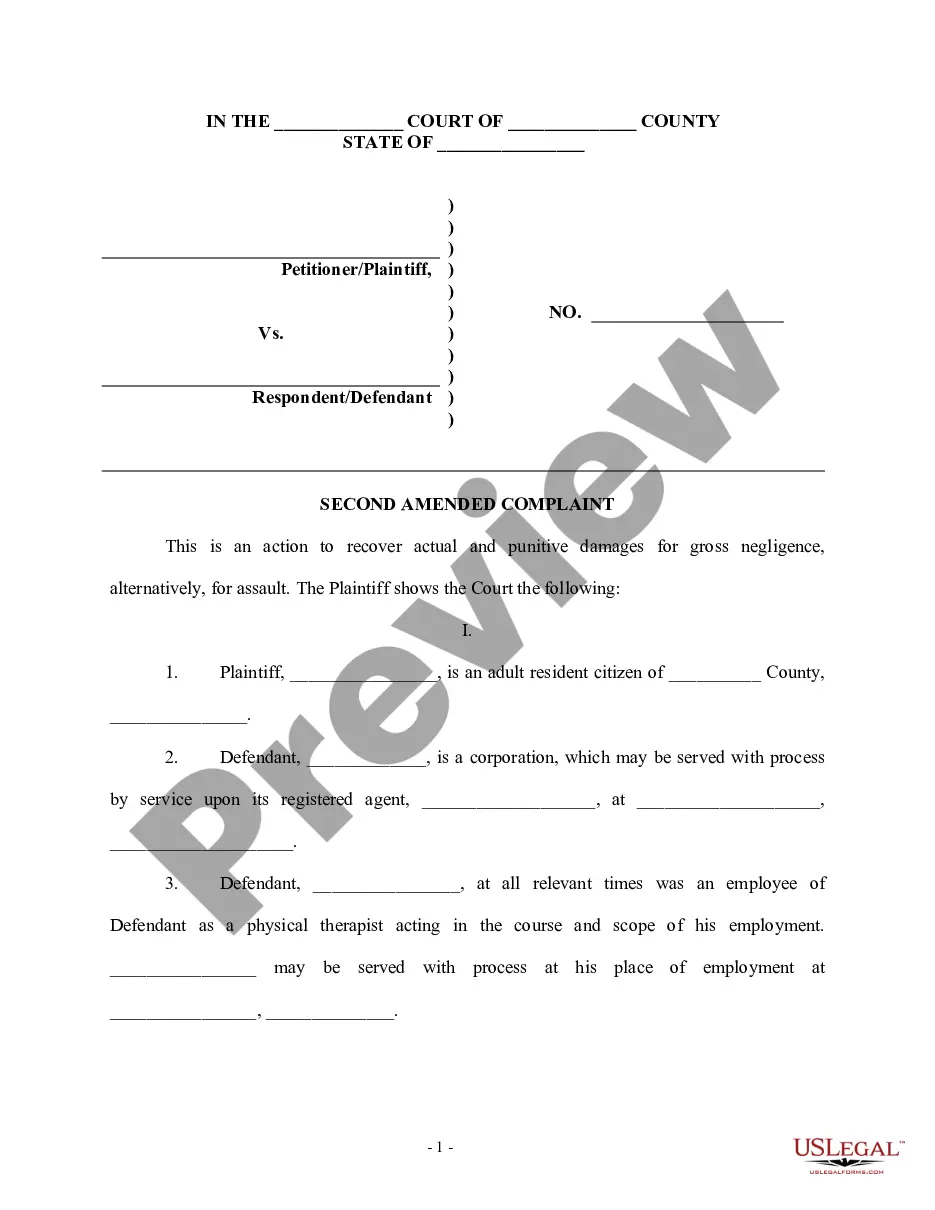
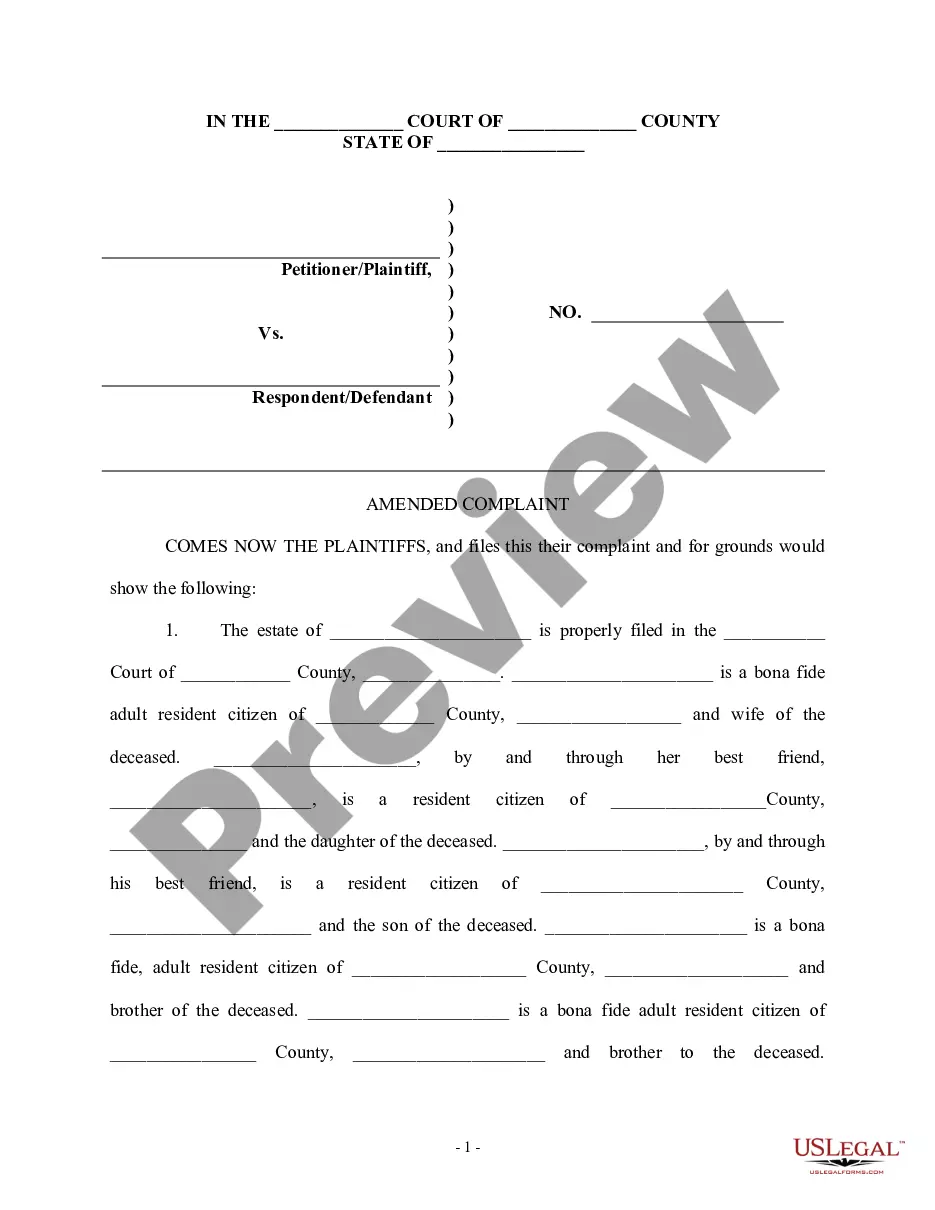
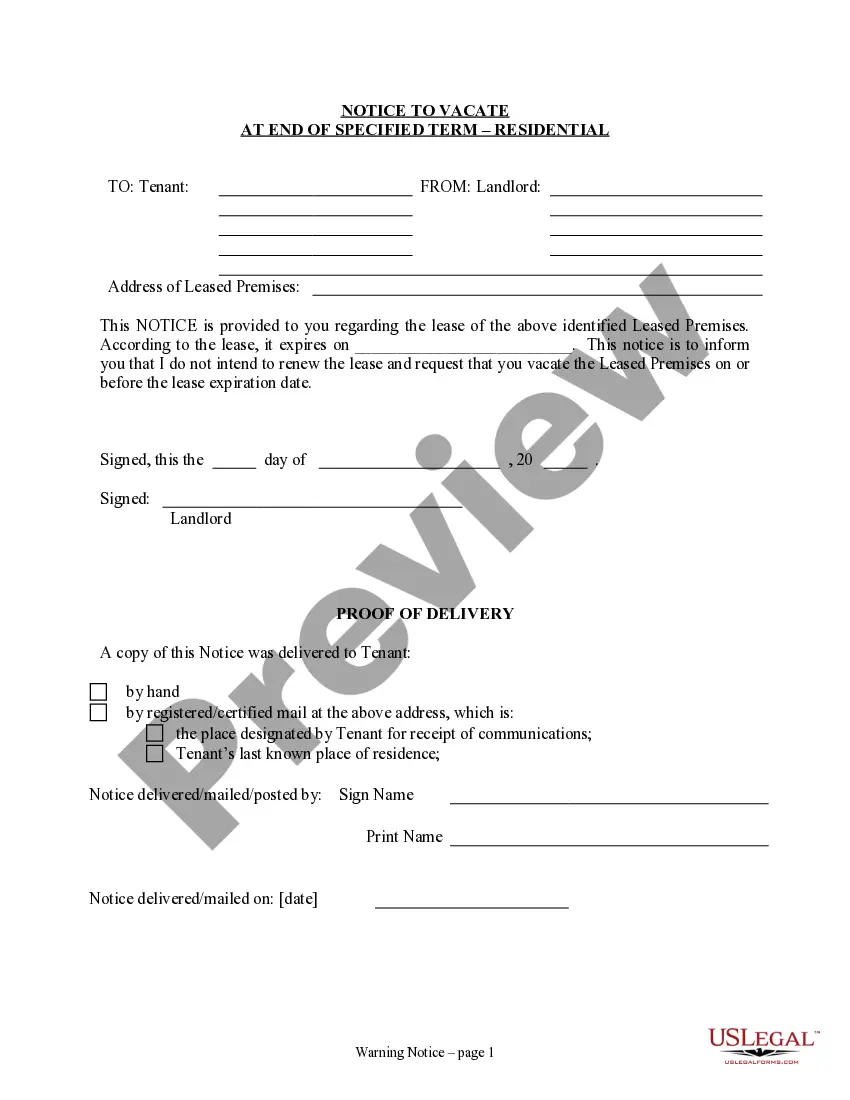
Get your form ready online
Our built-in tools help you complete, sign, share, and store your documents in one place.
Make edits, fill in missing information, and update formatting in US Legal Forms—just like you would in MS Word.
Download a copy, print it, send it by email, or mail it via USPS—whatever works best for your next step.
Sign and collect signatures with our SignNow integration. Send to multiple recipients, set reminders, and more. Go Premium to unlock E-Sign.
If this form requires notarization, complete it online through a secure video call—no need to meet a notary in person or wait for an appointment.
We protect your documents and personal data by following strict security and privacy standards.

Make edits, fill in missing information, and update formatting in US Legal Forms—just like you would in MS Word.

Download a copy, print it, send it by email, or mail it via USPS—whatever works best for your next step.

Sign and collect signatures with our SignNow integration. Send to multiple recipients, set reminders, and more. Go Premium to unlock E-Sign.

If this form requires notarization, complete it online through a secure video call—no need to meet a notary in person or wait for an appointment.

We protect your documents and personal data by following strict security and privacy standards.
Looking for another form?







Form popularity
FAQ
In Arizona, you are prohibited from knowingly possessing a firearm where you've been convicted of a felony or adjudicated delinquent for a felony and your civil right to possess or carry a firearm hasn't been restored.
If you are a felon who has not had their rights restored, it is unlawful to own or have access to a gun—that includes being in the same house as one. ing to A.R.S. 13-3102, possessing a deadly weapon as a prohibited possessor is considered misconduct involving weapons and is a class four felony.
The court found that the word “people” in the Second Amendment means all people within the “national community.” Individuals, for example, do not forfeit their First and Fourth Amendment rights because of a felony conviction. Further, the phrase “law-abiding citizen” does not appear anywhere in the Second Amendment.
To restore the right to possess a weapon the person must file an application with Superior Court in the county where you were convicted. A person with two or more Arizona felony convictions must file the applications to restore their civil liberties with Superior Court in the county where you were convicted.
Under ARS 13-3102, a “prohibited possessor” is anyone who is or has been: 1. Found to constitute a danger to self or to others or to be persistently or acutely disabled or gravely disabled pursuant to a court order under ARS 36-540, and whose right to possess a firearm has not be restored pursuant to ARS 13-925.
To restore the right to possess a weapon the person must file an application with Superior Court in the county where you were convicted. A person with two or more Arizona felony convictions must file the applications to restore their civil liberties with Superior Court in the county where you were convicted.
In Arizona, you are prohibited from knowingly possessing a firearm where you've been convicted of a felony or adjudicated delinquent for a felony and your civil right to possess or carry a firearm hasn't been restored.
A person may not vote, serve on a jury, obtain commercial driver's licenses, possess a gun or join the U.S. armed forces. Even if a person's right to carry a weapon is restored he/she will be permanently banned from receiving a concealed weapon's permit.
The right to bear arms is one of multiple civil rights that a convicted felon loses in Arizona, as well as the right to vote and travel to certain countries. However, you may be able to restore your right to own a gun in Arizona by having your record expunged or set aside.
The court found that the word “people” in the Second Amendment means all people within the “national community.” Individuals, for example, do not forfeit their First and Fourth Amendment rights because of a felony conviction. Further, the phrase “law-abiding citizen” does not appear anywhere in the Second Amendment.