Physical Assault In The Military In Maricopa
Description

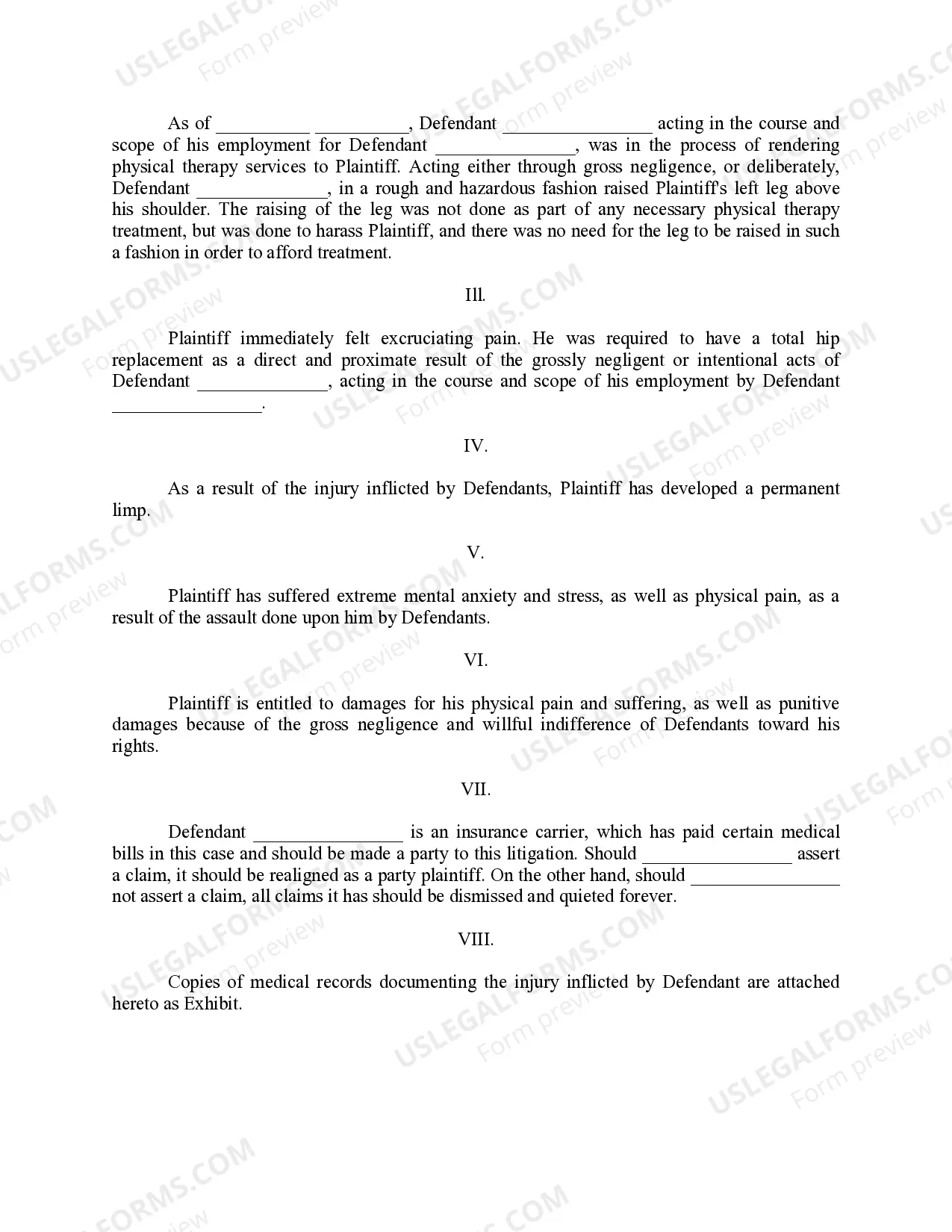
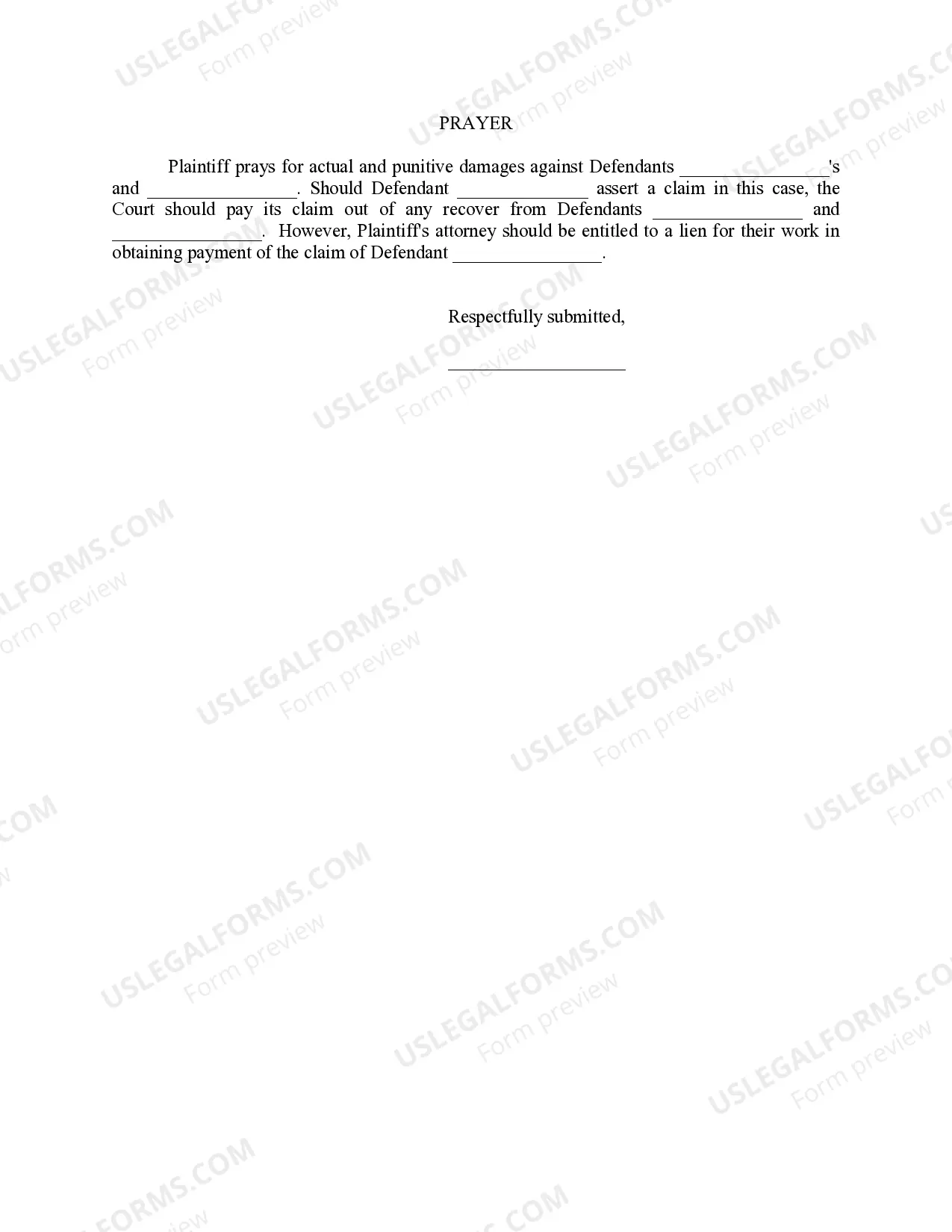

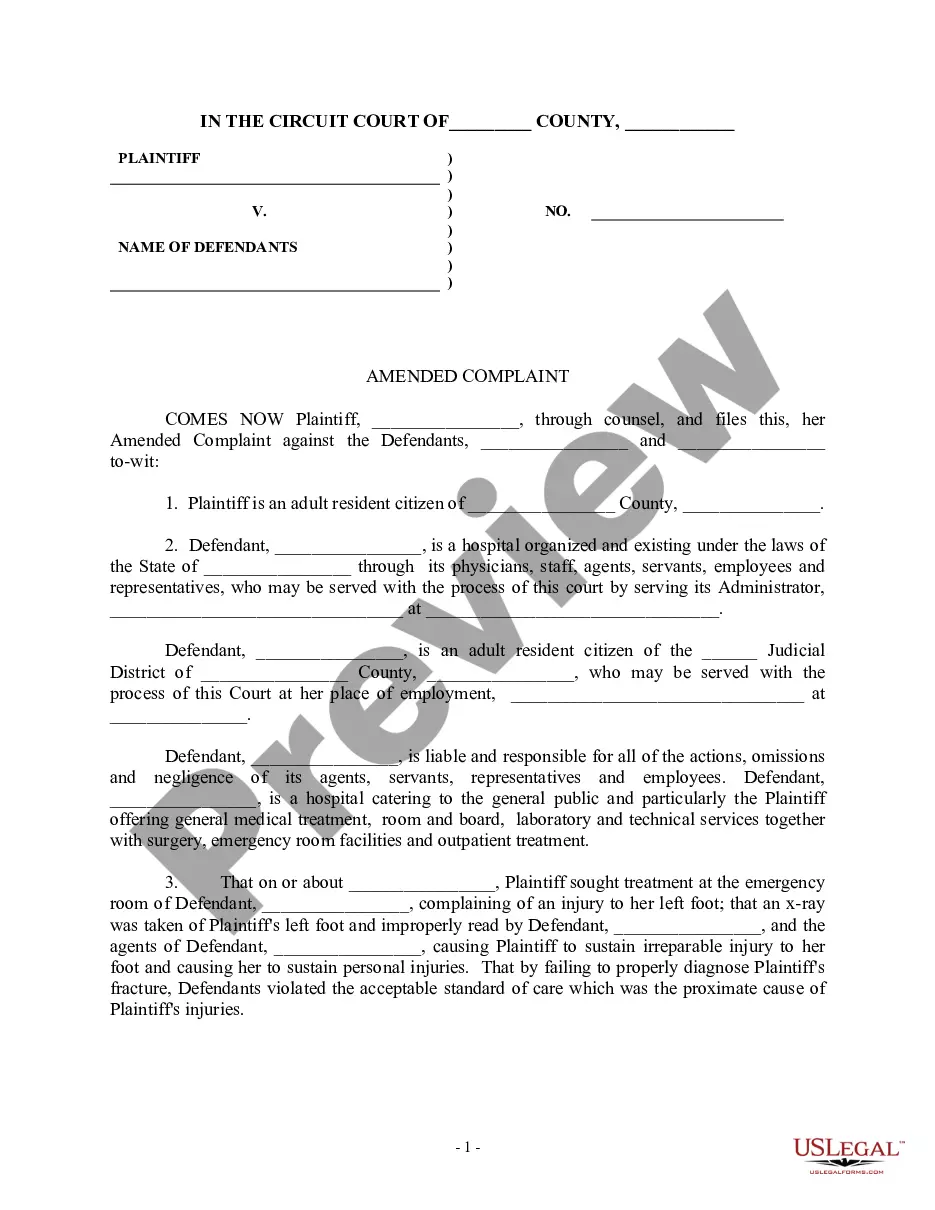
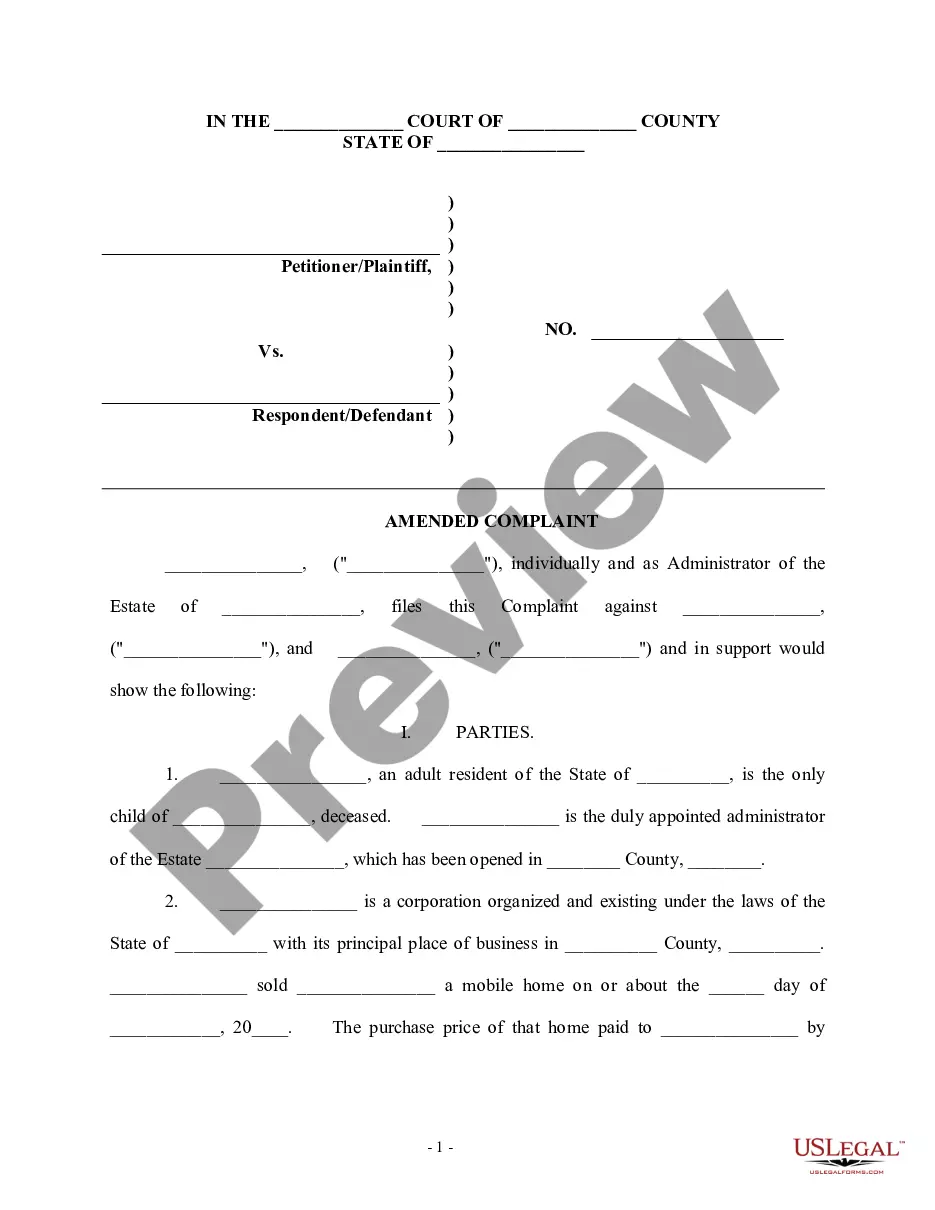
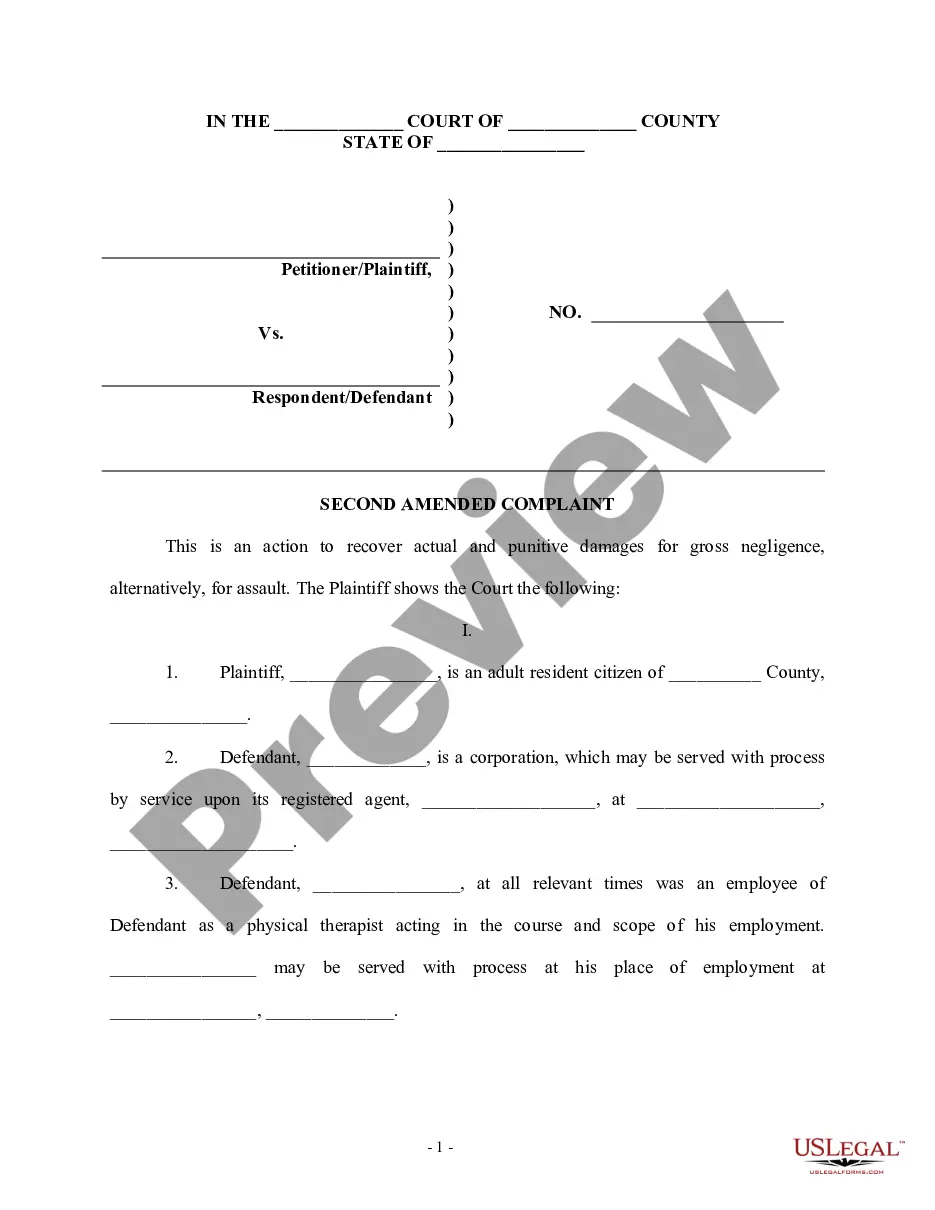
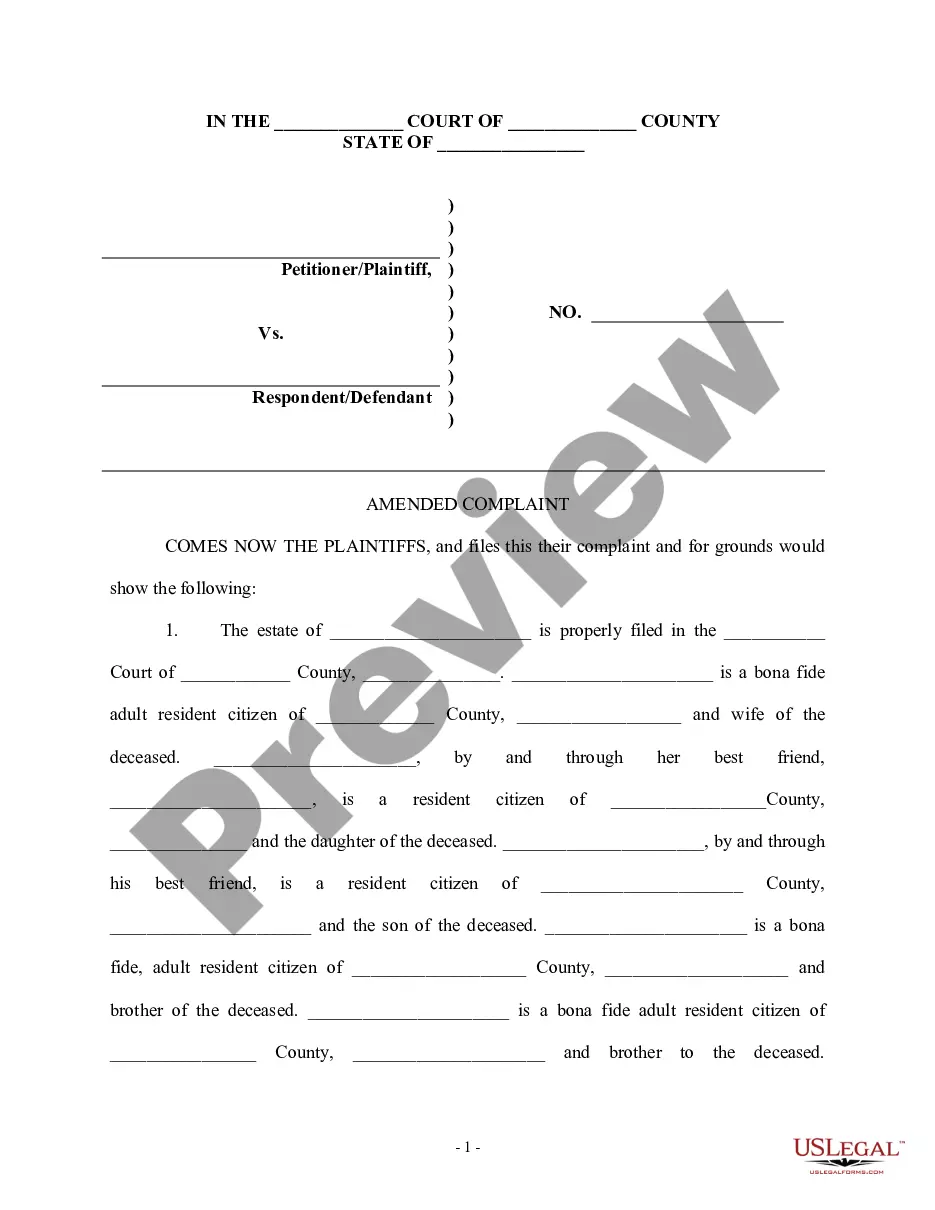
Get your form ready online
Our built-in tools help you complete, sign, share, and store your documents in one place.
Make edits, fill in missing information, and update formatting in US Legal Forms—just like you would in MS Word.
Download a copy, print it, send it by email, or mail it via USPS—whatever works best for your next step.
Sign and collect signatures with our SignNow integration. Send to multiple recipients, set reminders, and more. Go Premium to unlock E-Sign.
If this form requires notarization, complete it online through a secure video call—no need to meet a notary in person or wait for an appointment.
We protect your documents and personal data by following strict security and privacy standards.

Make edits, fill in missing information, and update formatting in US Legal Forms—just like you would in MS Word.

Download a copy, print it, send it by email, or mail it via USPS—whatever works best for your next step.

Sign and collect signatures with our SignNow integration. Send to multiple recipients, set reminders, and more. Go Premium to unlock E-Sign.

If this form requires notarization, complete it online through a secure video call—no need to meet a notary in person or wait for an appointment.

We protect your documents and personal data by following strict security and privacy standards.
Looking for another form?






Form popularity
FAQ
In most cases, you must have evidence to convince the judge that the person seeking a restraining order is in danger of harm. The danger or harm can include domestic violence, threats, criminal trespass, stalking, and harassment. An adult can file for a restraining order when they believe their safety is in danger.
Restraining orders are designed to protect victims against violence. People file them for many reasons, including domestic violence, stalking, threats, harassment, criminal trespassing, and crimes against children.
The specific elements you need to prove to get a restraining order vary from state to state, but in general, you need to show: A specific instance or instances of abuse or harassment (such as sexual assault by an intimate partner) The threat of violence or of further abusive behavior or harassment.
The plaintiff has the burden of proving the allegations to be true based on the preponderance of the evidence. The purpose of an Injunction Against Harassment is to restrain a person from committing acts of harassment.
Arizona Restraining Orders assault or aggravated assault, such as hitting or kicking you; threatening or intimidating you, as defined by law; sexual assault; use of an electronic communication to terrify, intimidate, threaten or harass; harassment or aggravated harassment; stalking;
In Arizona, assault charges can result from many different scenarios. Pushing, hitting, pinching, biting, and slapping are all examples of assault. Arizona's assault laws even include using fighting words or verbal threats. As such, swearing, taunting, and threatening can all result in assault charges in Arizona.
Arizona divides simple assault crimes into three misdemeanor categories, depending on the defendant's intent and whether the victim suffered injuries. Class 1 Misdemeanor Assault. Class 2 Misdemeanor Assault. Class 3 Misdemeanor Assaults. Aggravated Assault With a Deadly Weapon, Dangerous Instrument, or Simulated Weapon.
DOD Inspector General Hotline and Whistle Blower Protection Although you may contact the DOD Hotline at any time, a faster way to resolve your complaint is usually to first contact your local or command-level Inspector General's Office. Call the Inspector General Hotline at 800-424-9098.
Although you may contact the DOD Hotline at any time, a faster way to resolve your complaint is usually to first contact your local or command-level Inspector General's Office. Call the Inspector General Hotline at 800-424-9098.
Seek Support: Reach out to support services, such as a counselor or a legal advisor, to help you navigate the situation and understand your options. File a Formal Complaint: If the issue persists or is serious, you may need to file a formal complaint. Each branch of the military has specific procedures for this.
