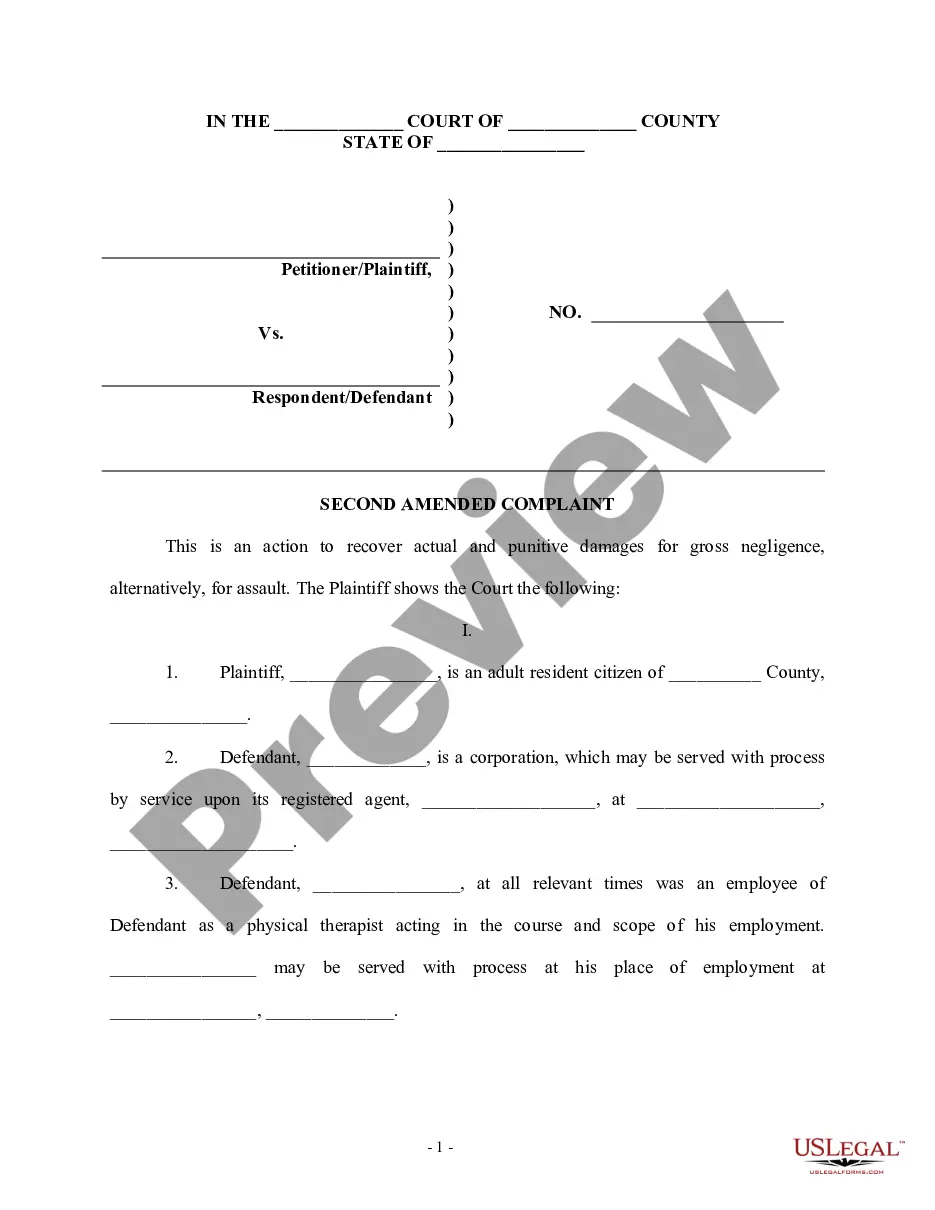
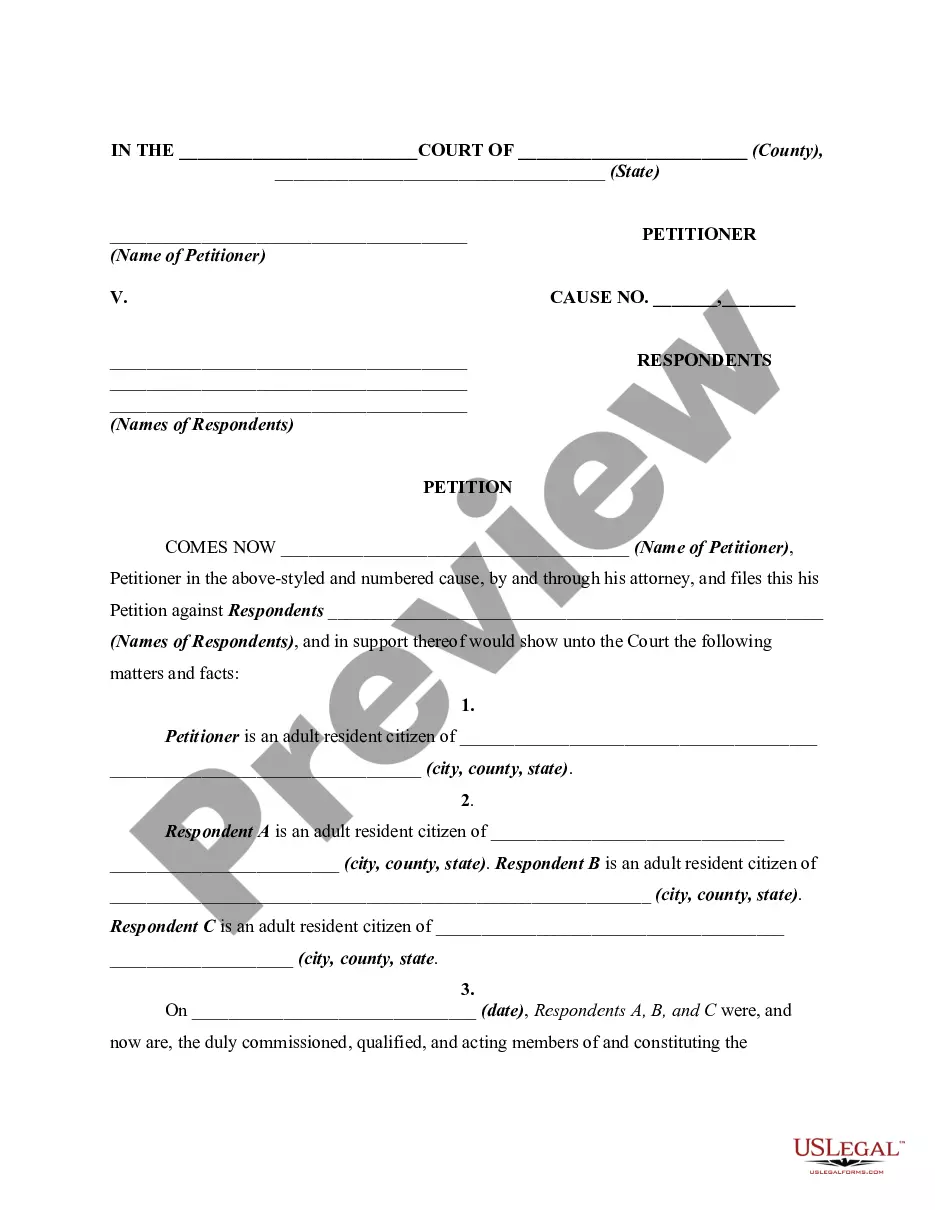
Physical Assault On A Woman In Kings
Description

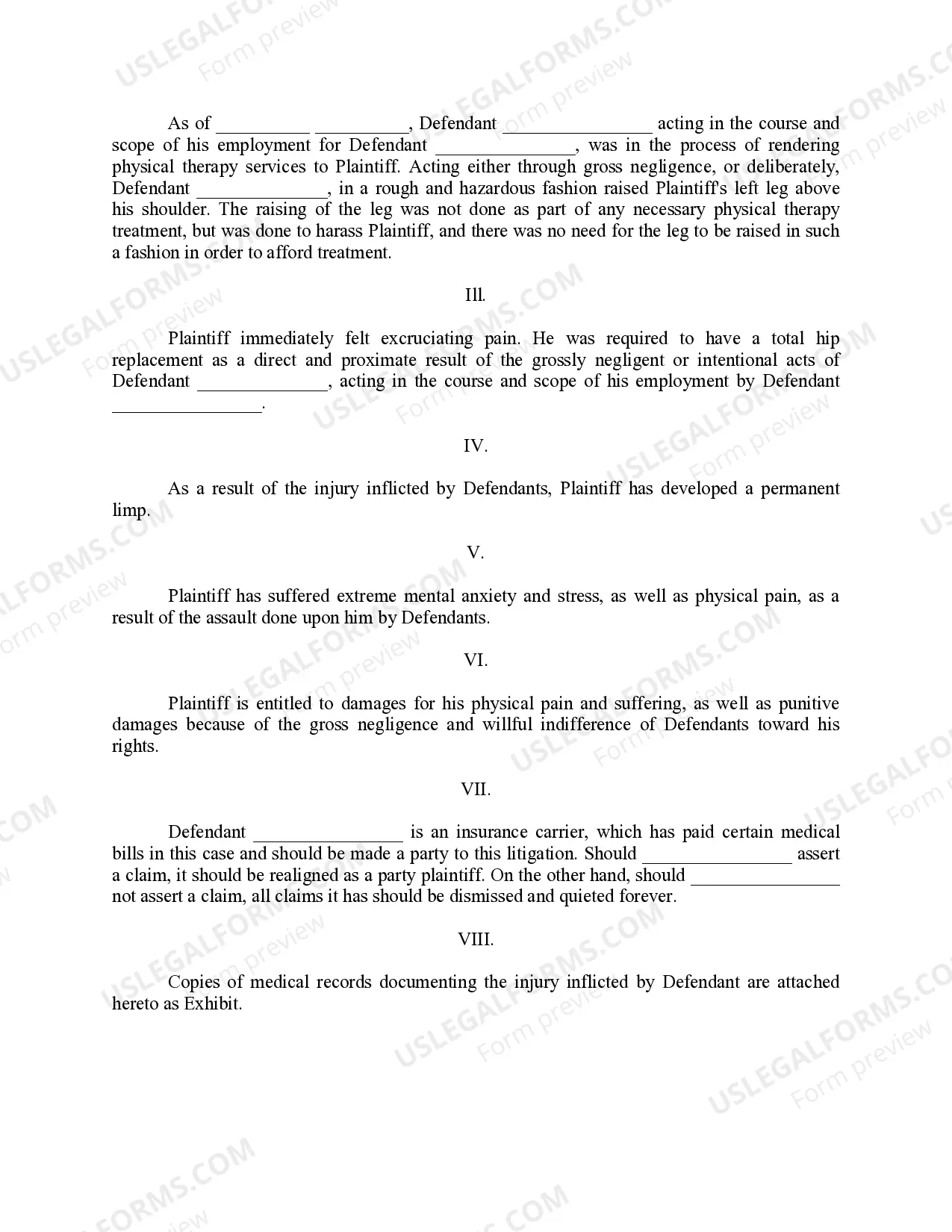
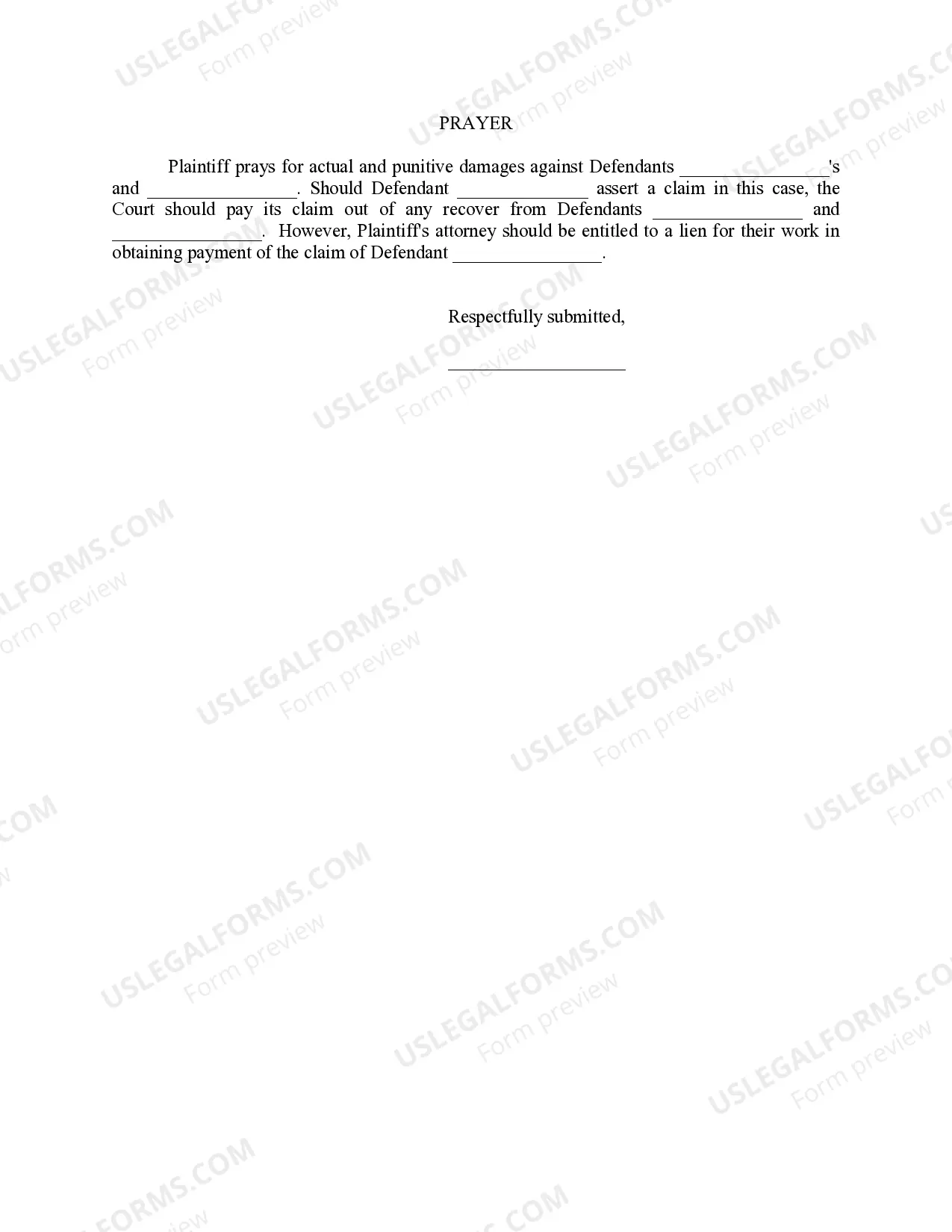

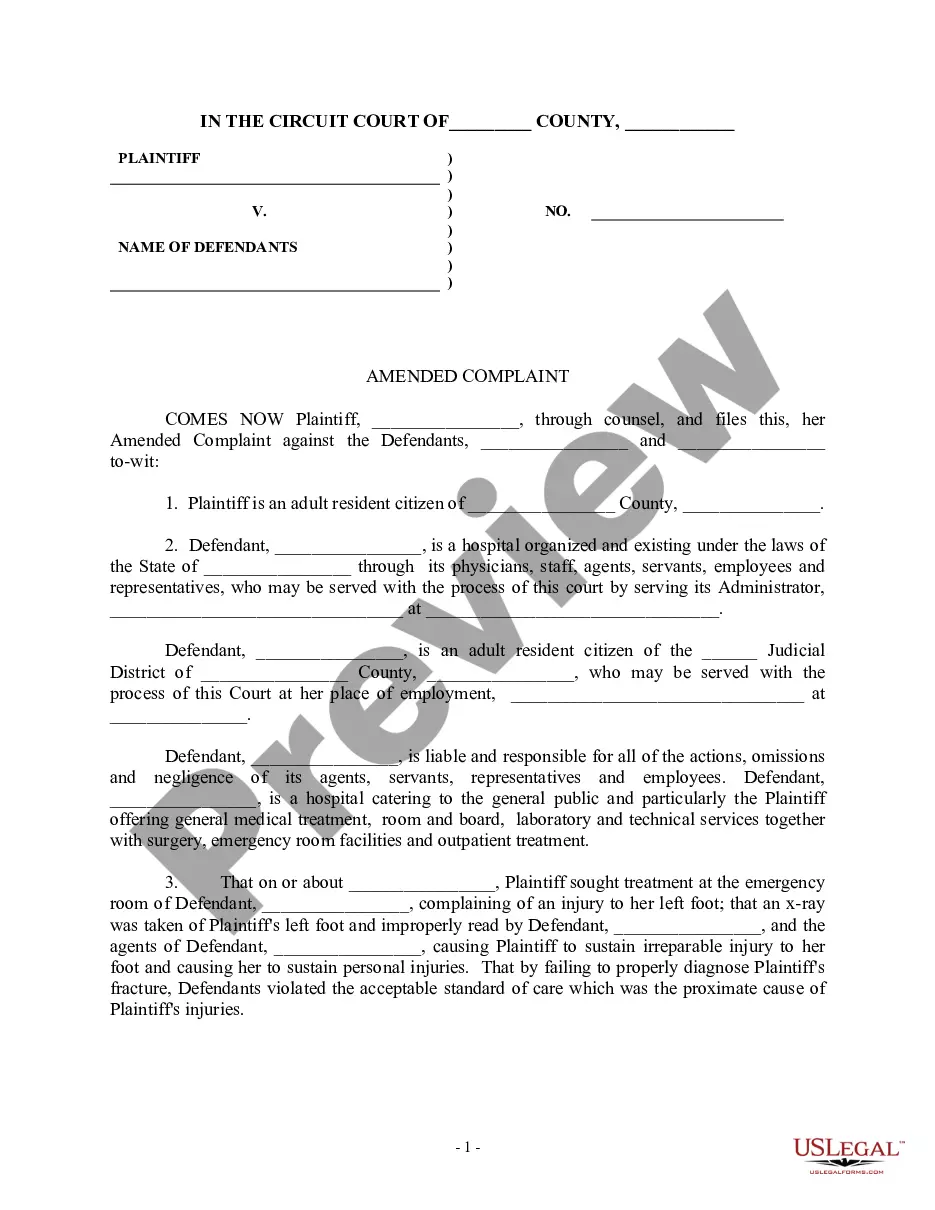
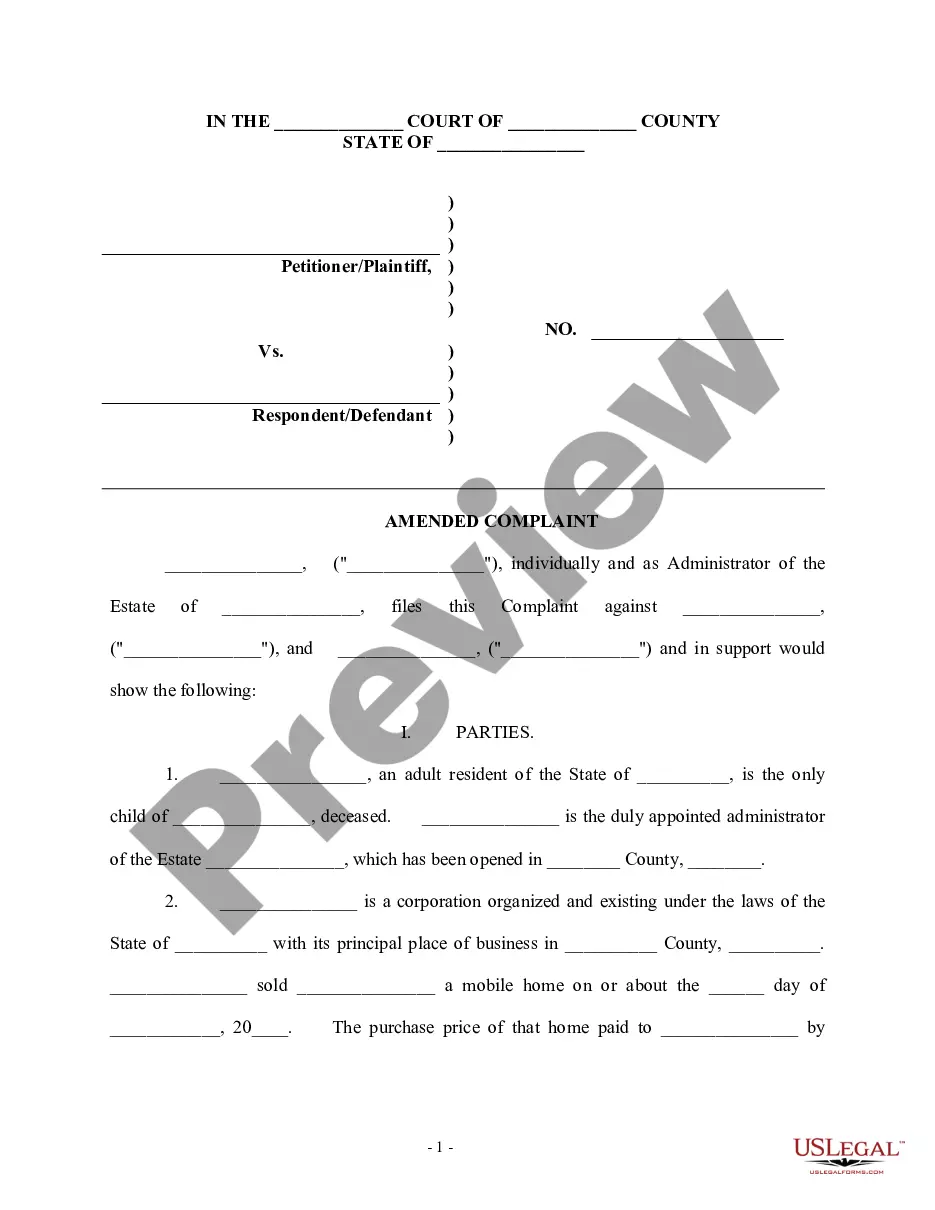
Get your form ready online
Our built-in tools help you complete, sign, share, and store your documents in one place.
Make edits, fill in missing information, and update formatting in US Legal Forms—just like you would in MS Word.
Download a copy, print it, send it by email, or mail it via USPS—whatever works best for your next step.
Sign and collect signatures with our SignNow integration. Send to multiple recipients, set reminders, and more. Go Premium to unlock E-Sign.
If this form requires notarization, complete it online through a secure video call—no need to meet a notary in person or wait for an appointment.
We protect your documents and personal data by following strict security and privacy standards.

Make edits, fill in missing information, and update formatting in US Legal Forms—just like you would in MS Word.

Download a copy, print it, send it by email, or mail it via USPS—whatever works best for your next step.

Sign and collect signatures with our SignNow integration. Send to multiple recipients, set reminders, and more. Go Premium to unlock E-Sign.

If this form requires notarization, complete it online through a secure video call—no need to meet a notary in person or wait for an appointment.

We protect your documents and personal data by following strict security and privacy standards.
Looking for another form?
Form popularity
FAQ
As its name indicates, the silent treatment is something that's done to somebody. It's done on purpose, and its purpose is to send the message, “I don't like what you did.” In contrast, while estrangement often feels punitive when you're on the receiving end, punishment is not necessarily the intent.
For survivors of childhood abuse, estrangement isn't merely a decision; it's a lifeline. It's a deliberate act of self-preservation, a refusal to remain shackled to toxic relationships that threaten to engulf them in a never-ending cycle of pain and trauma.
Some signs that a partner is being emotionally and psychologically abusive include: humiliating you in front of others; calling you insulting names, such as “stupid,” “disgusting,” or “worthless”; getting angry in a way that is frightening to you; threatening to hurt you, people you care about, or pets;
In the Bible, all violence is considered an offence against God and against humanity. Scripture is full of condemnations of violence – time and again violence is associated with wickedness and condemned as “detestable to the Lord” (Psalm 11, Proverbs 3 & 10). In particular, violence against women is condemned.
The lack of clarity freezes the process of grieving, blocks coping, and hinders decision-making. So it is with estrangement, when the person is physically absent but psychologically often intensely present.
Background. Being physically assaulted is known to increase the risk of the occurrence of post-traumatic stress disorder (PTSD) symptoms but it may also skew judgements about the intentions of other people.
Estrangement as Emotional Abuse: Estrangement can be a manipulation tactic to control or hurt others, especially when used by abusive family members or partners. It often leads to long-term emotional scars like anxiety and self-doubt.
If someone confides in you that they're suffering domestic abuse: listen, and take care not to blame them. acknowledge it takes strength to talk to someone about experiencing abuse. give them time to talk, but do not push them to talk if they do not want to. acknowledge they're in a frightening and difficult situation.
What are the do's and don'ts of dealing with an abusive situation? call 911, if you're in immediate danger. work with a therapist. contact a hotline or local shelter. strengthen your support network. attempt to keep interactions in public areas. reflect on why you want to stay connected to this person.
Distraction techniques can include reading, writing, drawing, exercise, watching a film, listening to music, walking, knitting, jigsaws or any other hobby that allows you to immerse yourself and focus on something other than the trauma.