Physical Assault In The Philippines In Hillsborough
Description
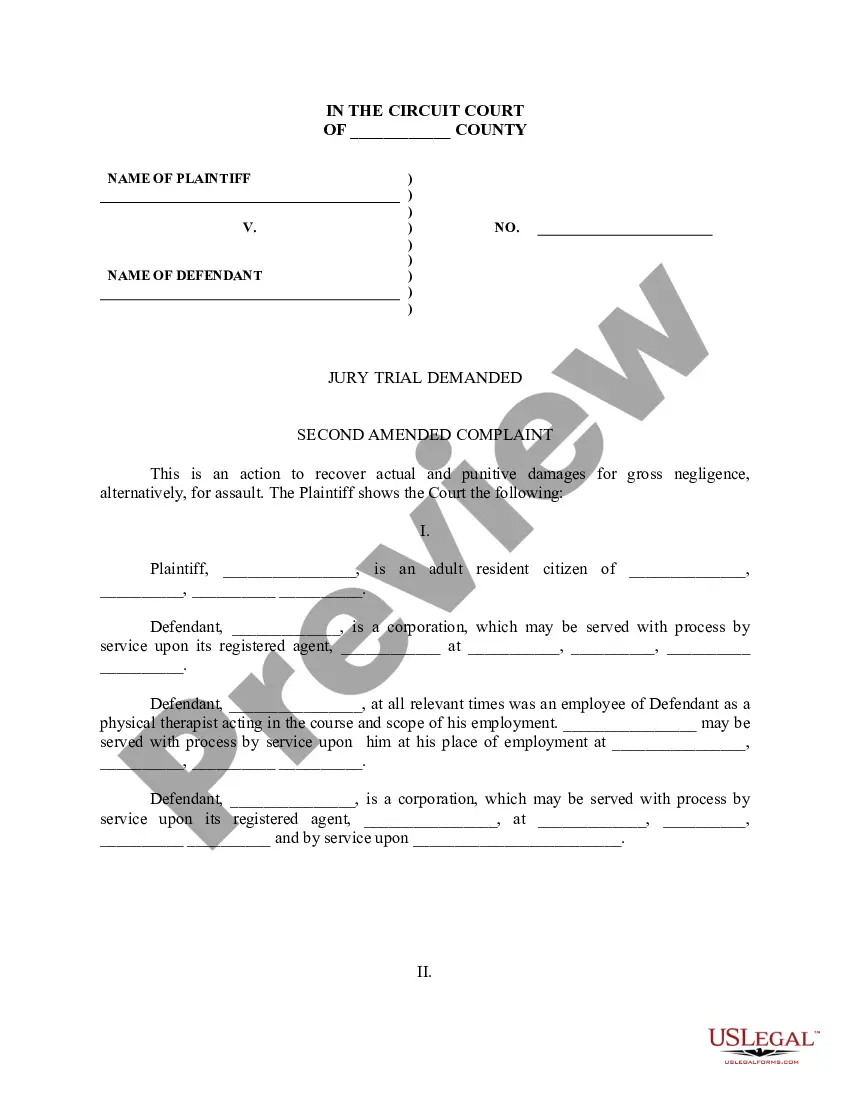
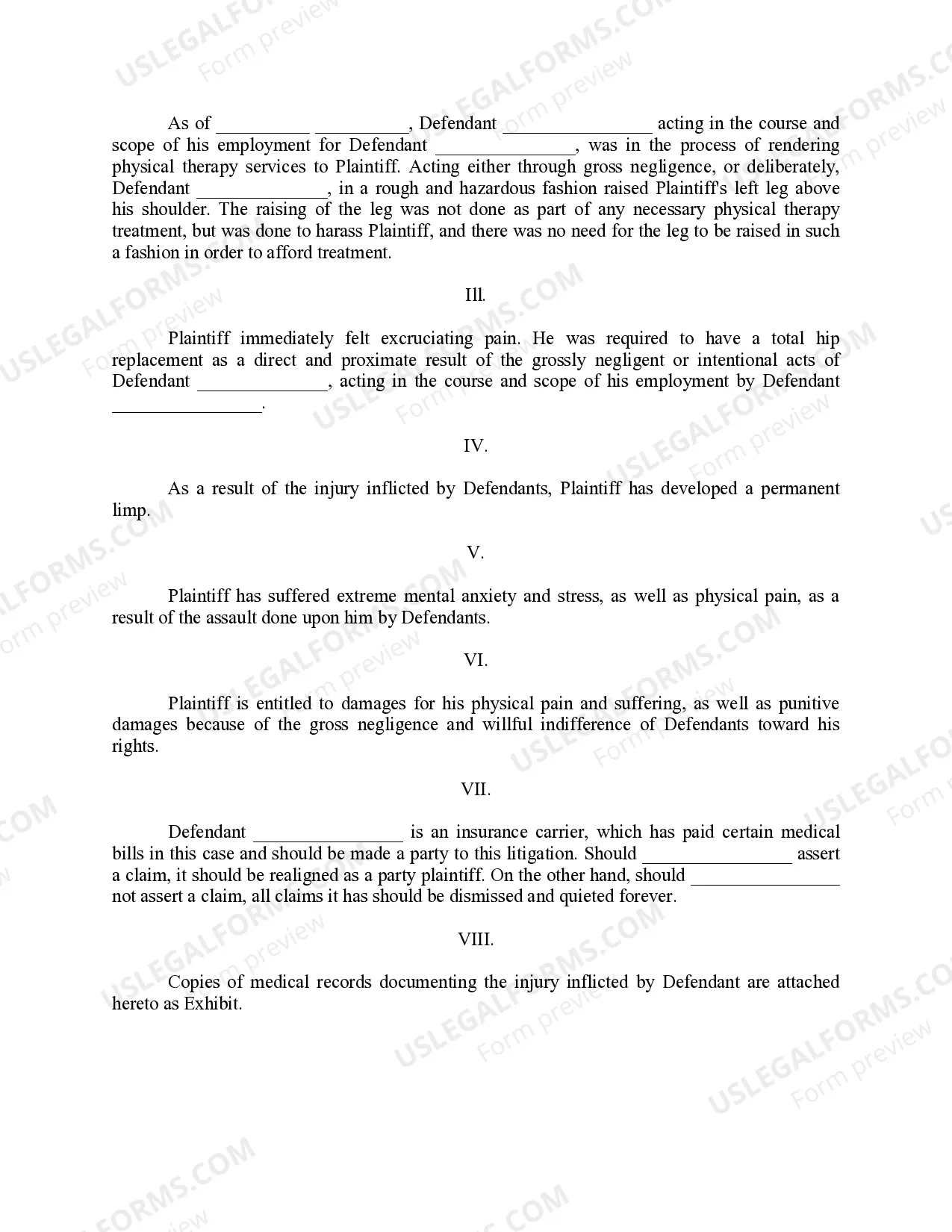
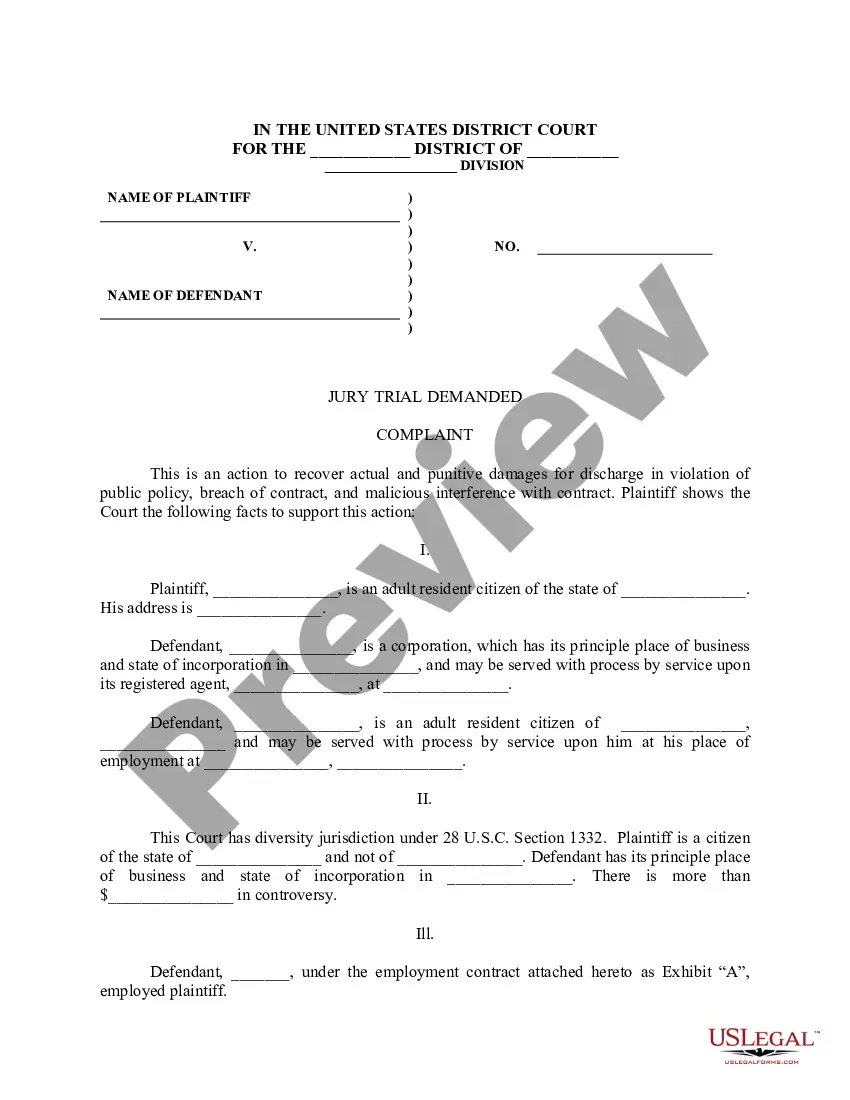
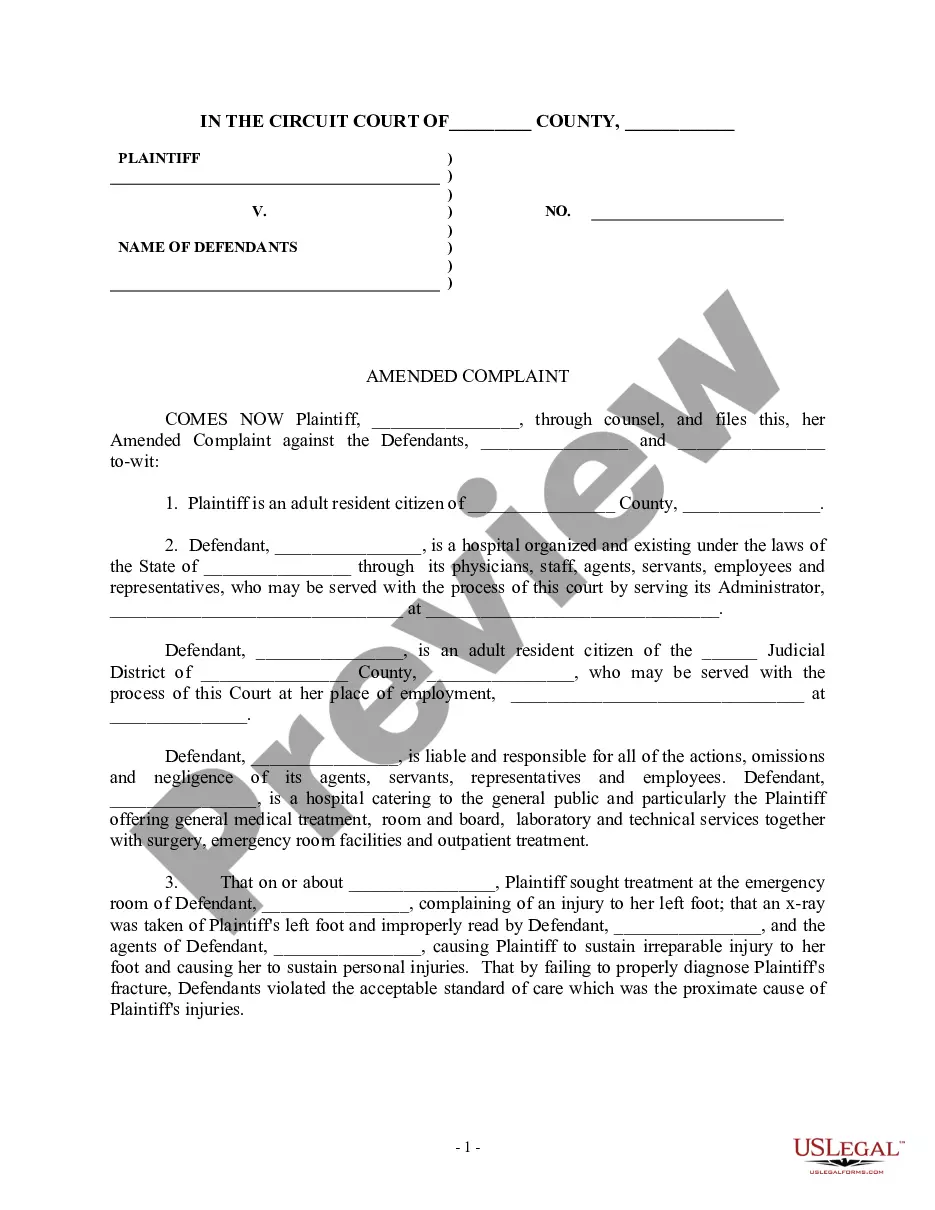
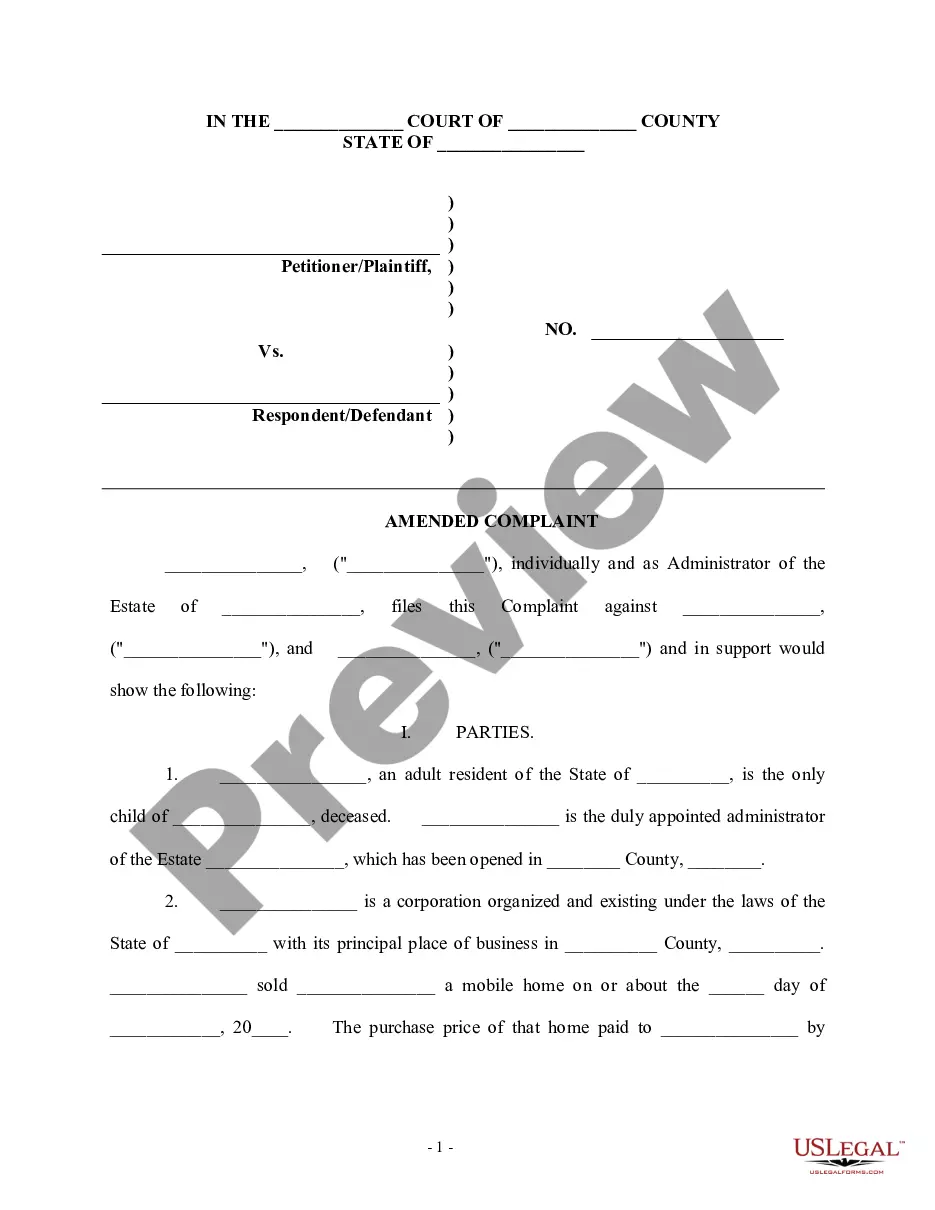
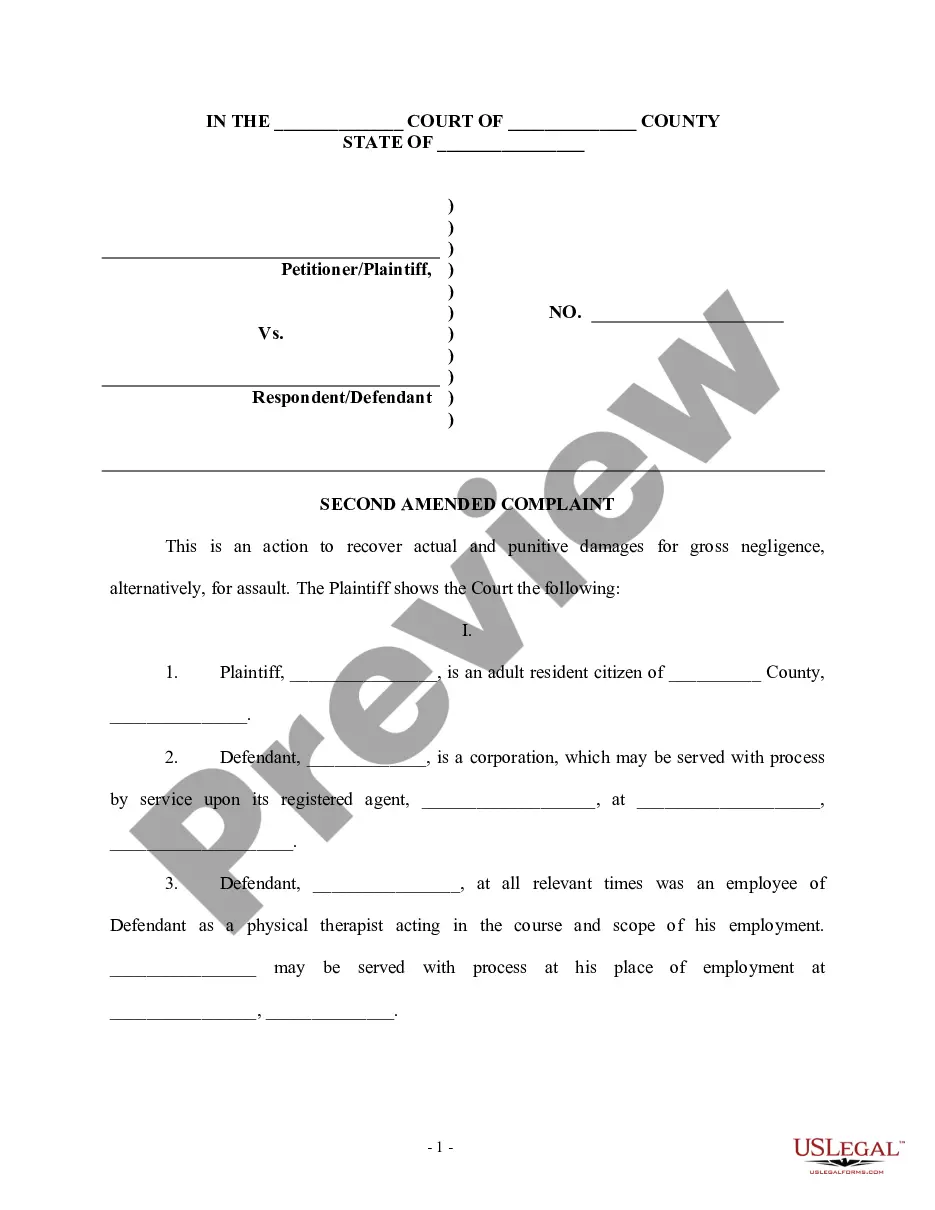
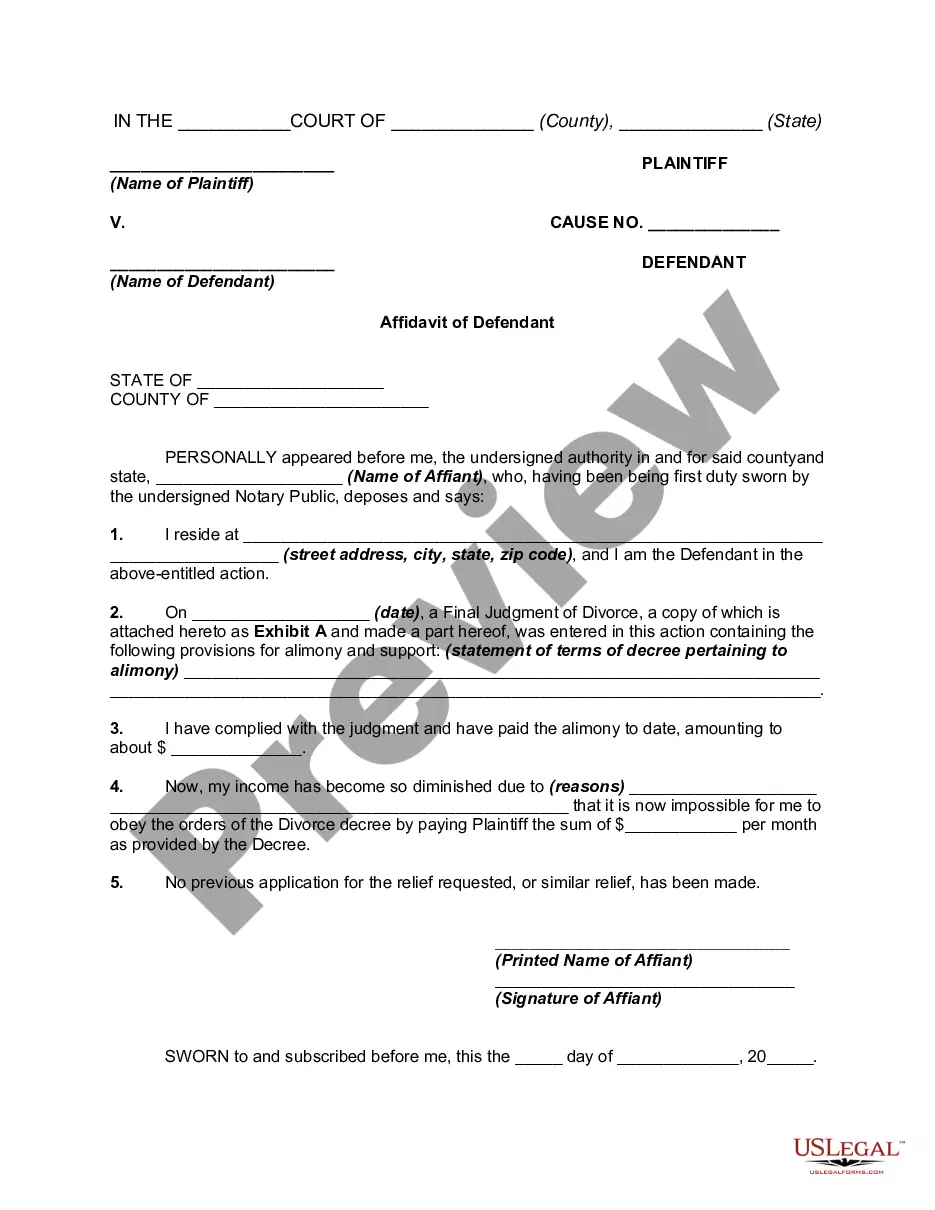
Get your form ready online
Our built-in tools help you complete, sign, share, and store your documents in one place.
Make edits, fill in missing information, and update formatting in US Legal Forms—just like you would in MS Word.
Download a copy, print it, send it by email, or mail it via USPS—whatever works best for your next step.
Sign and collect signatures with our SignNow integration. Send to multiple recipients, set reminders, and more. Go Premium to unlock E-Sign.
If this form requires notarization, complete it online through a secure video call—no need to meet a notary in person or wait for an appointment.
We protect your documents and personal data by following strict security and privacy standards.

Make edits, fill in missing information, and update formatting in US Legal Forms—just like you would in MS Word.

Download a copy, print it, send it by email, or mail it via USPS—whatever works best for your next step.

Sign and collect signatures with our SignNow integration. Send to multiple recipients, set reminders, and more. Go Premium to unlock E-Sign.

If this form requires notarization, complete it online through a secure video call—no need to meet a notary in person or wait for an appointment.

We protect your documents and personal data by following strict security and privacy standards.
Looking for another form?

Form popularity
FAQ
Homicide: The recommended bail is ₱40,000 to ₱200,000, depending on the circumstances. Serious Physical Injuries: The recommended bail is around ₱10,000 to ₱60,000, depending on the degree of injury and whether the crime was committed with any aggravating circumstances.
Definition: An unlawful attack by one person upon another.
The primary statute addressing domestic violence in the Philippines is Republic Act No. 9262 or the Anti-Violence Against Women and Their Children Act of 2004 ("VAWC Act") and its Implementing Rules and Regulations (IRR).
Serious Physical Injuries: If the injuries result in permanent incapacity, loss of a limb, or require more than 30 days of medical treatment, the punishment is prisión correccional or imprisonment from 6 months and 1 day to 6 years.
The penalty for assault and battery depends on the classification of the injuries: Serious Physical Injuries: If the injuries incapacitate the victim for more than 30 days or cause permanent disfigurement, the accused may face imprisonment ranging from 6 months to 6 years, depending on the circumstances.
By arresto menor or a fine not exceeding Forty thousand pesos (₱40,000) and censure when the offender has caused physical injuries which do not prevent the offended party from engaging in his habitual work nor require medical assistance.
The choice of venue—whether the case should be filed in a specific city or province—also depends on rules set out under Rule 4 of the Rules of Court. The general rule is that actions must be filed in the place where the defendant resides or where the property in question is located.
The most common injuries suffered by the patients are open wounds (54.85%), followed by multiple injuries (25.06%) and abrasion (21.58%). The most common external causes of injury reported are contact with sharp objects (39.39%), transport/vehicular crash (21.2%), and fall (9.7%).
Slight Physical Injuries: If the harm results in temporary incapacitation or requires medical treatment but does not cause lasting damage, the offender may face arresto menor, or imprisonment from 1 day to 30 days, along with a fine.
Elements of a Personal Injury Claim. The defendant must be shown to owe a duty of care to the plaintiff. In Philippine law, this duty is often gleaned from Article 2176, which presumes a general obligation not to cause harm to another person through negligent acts or omissions.