Physical Assault In The Philippines In Cook
Description


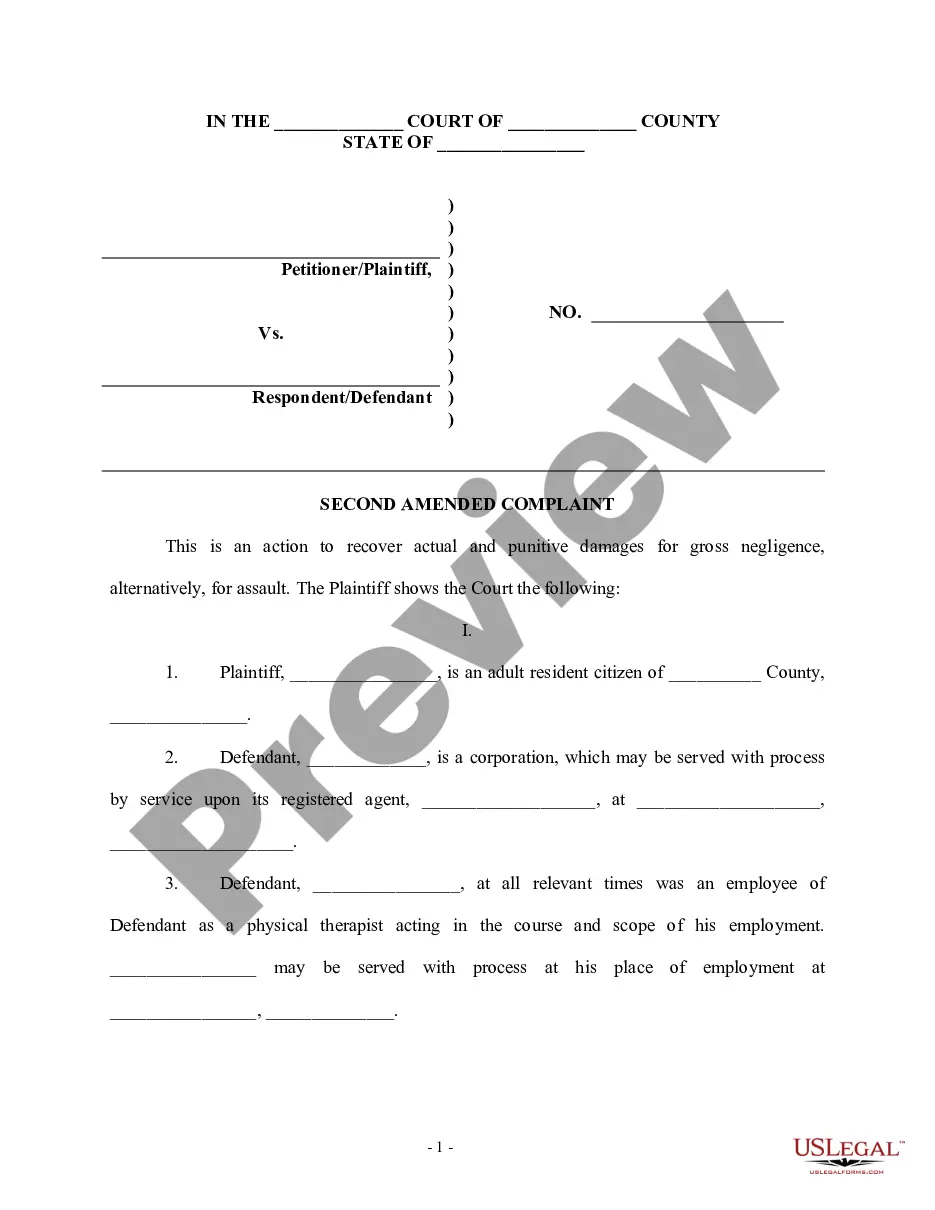
Get your form ready online
Our built-in tools help you complete, sign, share, and store your documents in one place.
Make edits, fill in missing information, and update formatting in US Legal Forms—just like you would in MS Word.
Download a copy, print it, send it by email, or mail it via USPS—whatever works best for your next step.
Sign and collect signatures with our SignNow integration. Send to multiple recipients, set reminders, and more. Go Premium to unlock E-Sign.
If this form requires notarization, complete it online through a secure video call—no need to meet a notary in person or wait for an appointment.
We protect your documents and personal data by following strict security and privacy standards.

Make edits, fill in missing information, and update formatting in US Legal Forms—just like you would in MS Word.

Download a copy, print it, send it by email, or mail it via USPS—whatever works best for your next step.

Sign and collect signatures with our SignNow integration. Send to multiple recipients, set reminders, and more. Go Premium to unlock E-Sign.

If this form requires notarization, complete it online through a secure video call—no need to meet a notary in person or wait for an appointment.

We protect your documents and personal data by following strict security and privacy standards.
Looking for another form?





Form popularity
FAQ
Penalties under this law range from prisión mayor (6 years and 1 day to 12 years of imprisonment) for less severe cases, up to reclusión perpetua (life imprisonment) if the abuse results in the death of the victim.
1. That the offender (a) makes an attack, (b) employs force, (c) makes a serious intimidation, or (d) makes a serious resistance. 2. That the person assaulted is a person in authority or his or her agent.
The penalty for assault and battery depends on the classification of the injuries: Serious Physical Injuries: If the injuries incapacitate the victim for more than 30 days or cause permanent disfigurement, the accused may face imprisonment ranging from 6 months to 6 years, depending on the circumstances.
The main difference is that assault is the intimidation portion or the act that makes another person believe they are going to cause you great bodily harm. The battery is the actual contact that occurred without consent.
Serious Physical Injuries: If the injuries result in permanent incapacity, loss of a limb, or require more than 30 days of medical treatment, the punishment is prisión correccional or imprisonment from 6 months and 1 day to 6 years.
How to File a Case in the Philippines Consult a Lawyer. The first step in filing a case is usually to consult with a lawyer. Prepare the Complaint. The complaint is a formal document that starts a lawsuit. Attach Supporting Documents. File the Case. Service of Summons. Await the Defendant's Response. Attend Hearings. Decision.
By arresto menor or a fine not exceeding Forty thousand pesos (₱40,000) and censure when the offender has caused physical injuries which do not prevent the offended party from engaging in his habitual work nor require medical assistance.
Under Article 148 of the RPC, the crime of direct assault is punishable with prision correccional in its minimum period and a fine not exceeding PHP 500.00 in the absence of qualifying aggravating circumstances, such as in this case.
The primary statute addressing domestic violence in the Philippines is Republic Act No. 9262 or the Anti-Violence Against Women and Their Children Act of 2004 ("VAWC Act") and its Implementing Rules and Regulations (IRR).
Assault refers to the wrong act of causing someone to reasonably fear imminent harm. This means that the fear must be something a reasonable person would foresee as threatening to them. Battery refers to the actual wrong act of physically harming someone.
