Second Amendment Rights And In Collin
Description


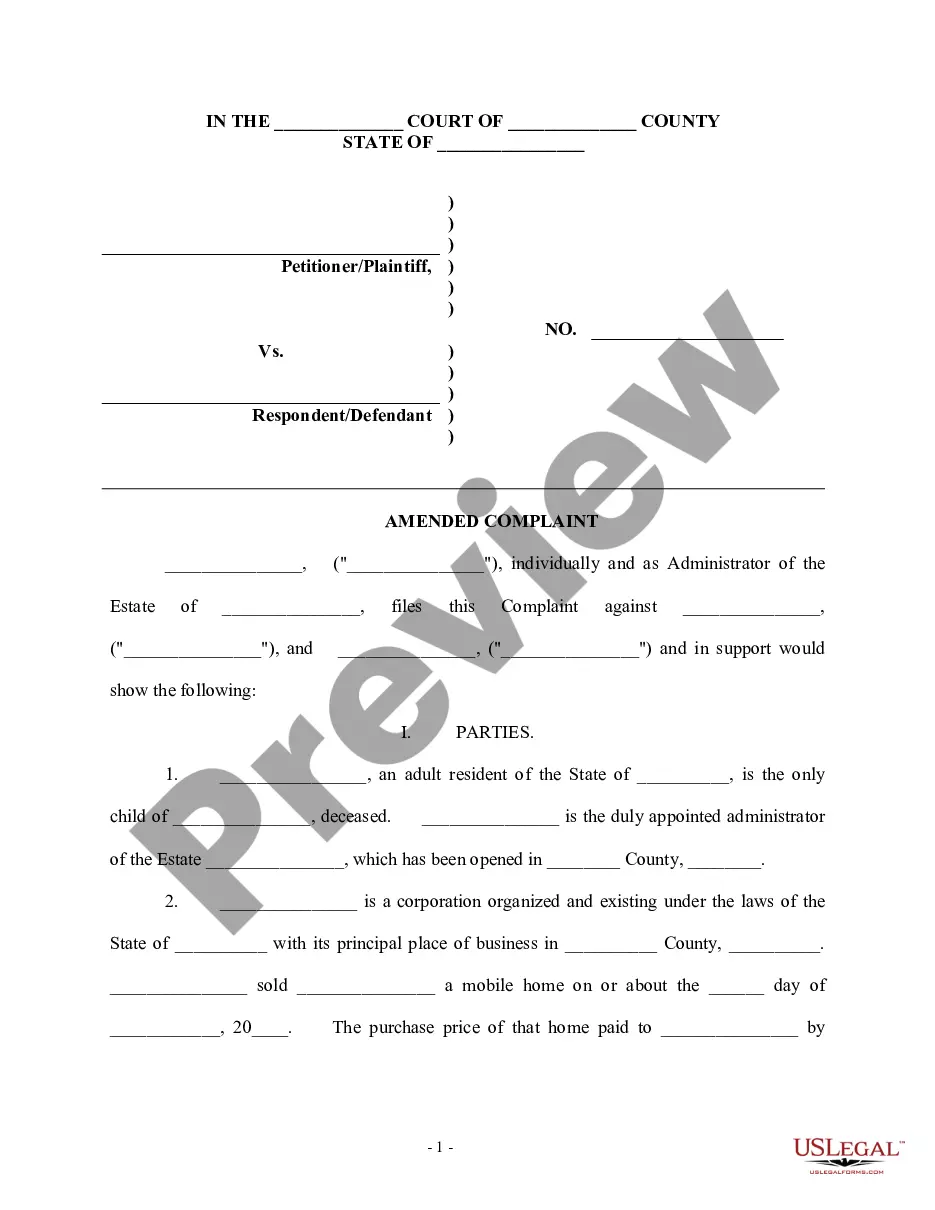
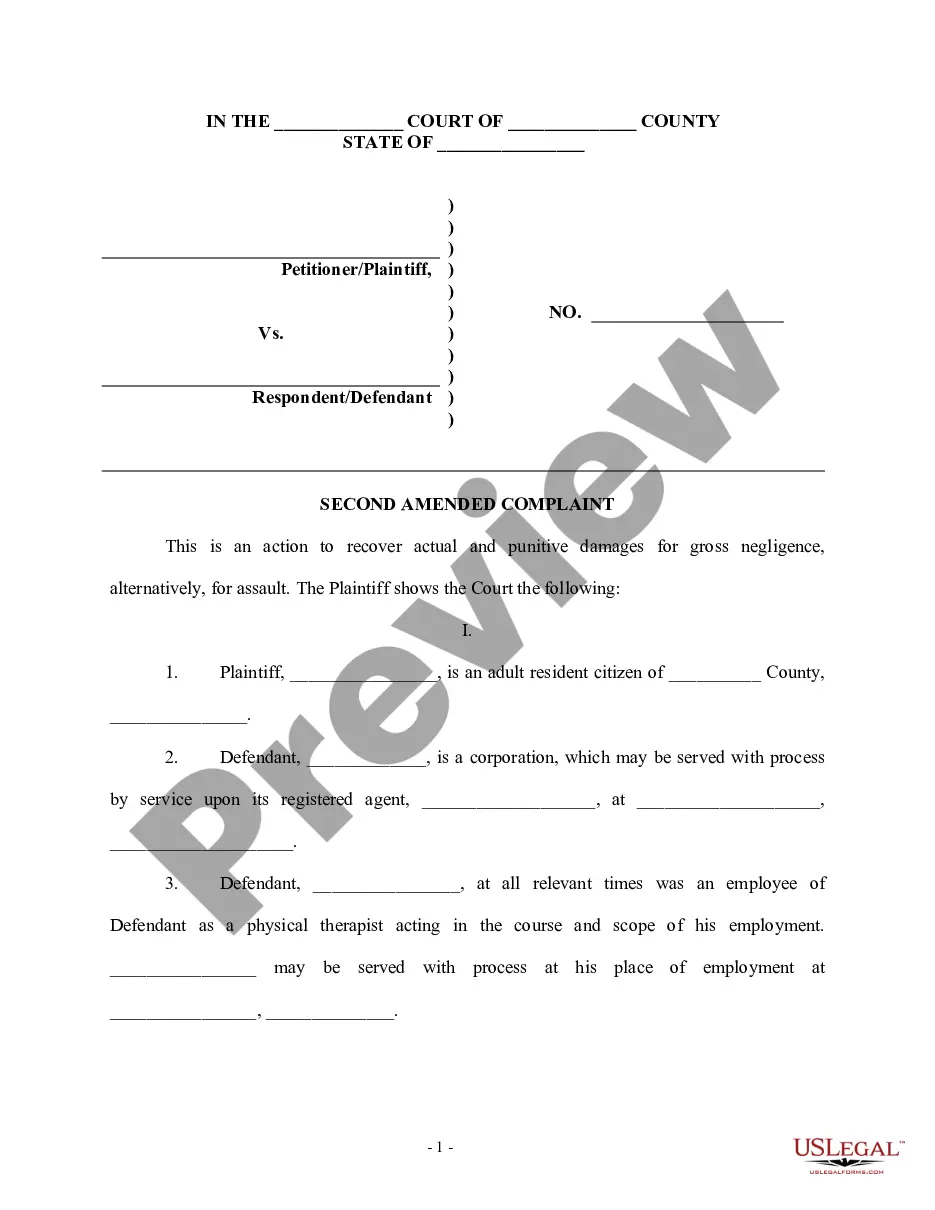
Get your form ready online
Our built-in tools help you complete, sign, share, and store your documents in one place.
Make edits, fill in missing information, and update formatting in US Legal Forms—just like you would in MS Word.
Download a copy, print it, send it by email, or mail it via USPS—whatever works best for your next step.
Sign and collect signatures with our SignNow integration. Send to multiple recipients, set reminders, and more. Go Premium to unlock E-Sign.
If this form requires notarization, complete it online through a secure video call—no need to meet a notary in person or wait for an appointment.
We protect your documents and personal data by following strict security and privacy standards.

Make edits, fill in missing information, and update formatting in US Legal Forms—just like you would in MS Word.

Download a copy, print it, send it by email, or mail it via USPS—whatever works best for your next step.

Sign and collect signatures with our SignNow integration. Send to multiple recipients, set reminders, and more. Go Premium to unlock E-Sign.

If this form requires notarization, complete it online through a secure video call—no need to meet a notary in person or wait for an appointment.

We protect your documents and personal data by following strict security and privacy standards.
Looking for another form?


Form popularity
FAQ
District of Columbia v. Heller, case in which the U.S. Supreme Court on June 26, 2008, held (5–4) that the Second Amendment guarantees an individual right to possess firearms independent of service in a state militia and to use firearms for traditionally lawful purposes, including self-defense within the home.
Since the Supreme Court ruled that citizens may keep a handgun at home for self-defense in District of Columbia v. Heller, courts across the country have reaffirmed that gun safety laws are constitutional and not in conflict with Second Amendment rights.
Cruikshank, one of the Court's holdings was that the Second Amendment only prevented the federal government from infringing on a person's right to bear arms. In other words, the Second Amendment's guarantees do not protect people from private actors or state governments that may try to prevent them from bearing arms.
Andd so, the flip side though is that weapons that are "dangerous and unusual" do not get protection. So even if you might think, oh well that's fairly common. if it's dangerous and unusual. usually meaning if it's mostly used by those who are intent on doing harm unlawfully, then they're not going to be protected.
Constitutional Amendments – Amendment 2 – “The Right to Keep and Bear Arms” Amendment Two to the Constitution was ratified on December 15, 1791. It protects the right for Americans to possess weapons for the protection of themselves, their rights, and their property.
Signs include, but are not limited to, denial of firearm permits without just cause, laws that make it impractical to own a firearm for self-defense, arbitrary restrictions or classifications on firearms, and excessive waiting periods or fees.
Then clearly. The second amendment covers all bearable arms. And automatic weapons machine guns areMoreThen clearly. The second amendment covers all bearable arms. And automatic weapons machine guns are in fact bearable arms first point. Okay second point the second amendment.
“Every citizen shall have the right to keep and bear arms in the lawful defense of himself or the State; but the Legislature shall have power, by law, to regulate the wearing of arms, with a view to prevent crime.”
Importantly, the Supreme Court has clearly stated that the Second Amendment does not protect assault weapons. District of Columbia v. Heller, 554 U.S. 570, 624-25, 627-28 (2008).