Physical Assault On A Child In Alameda
Description


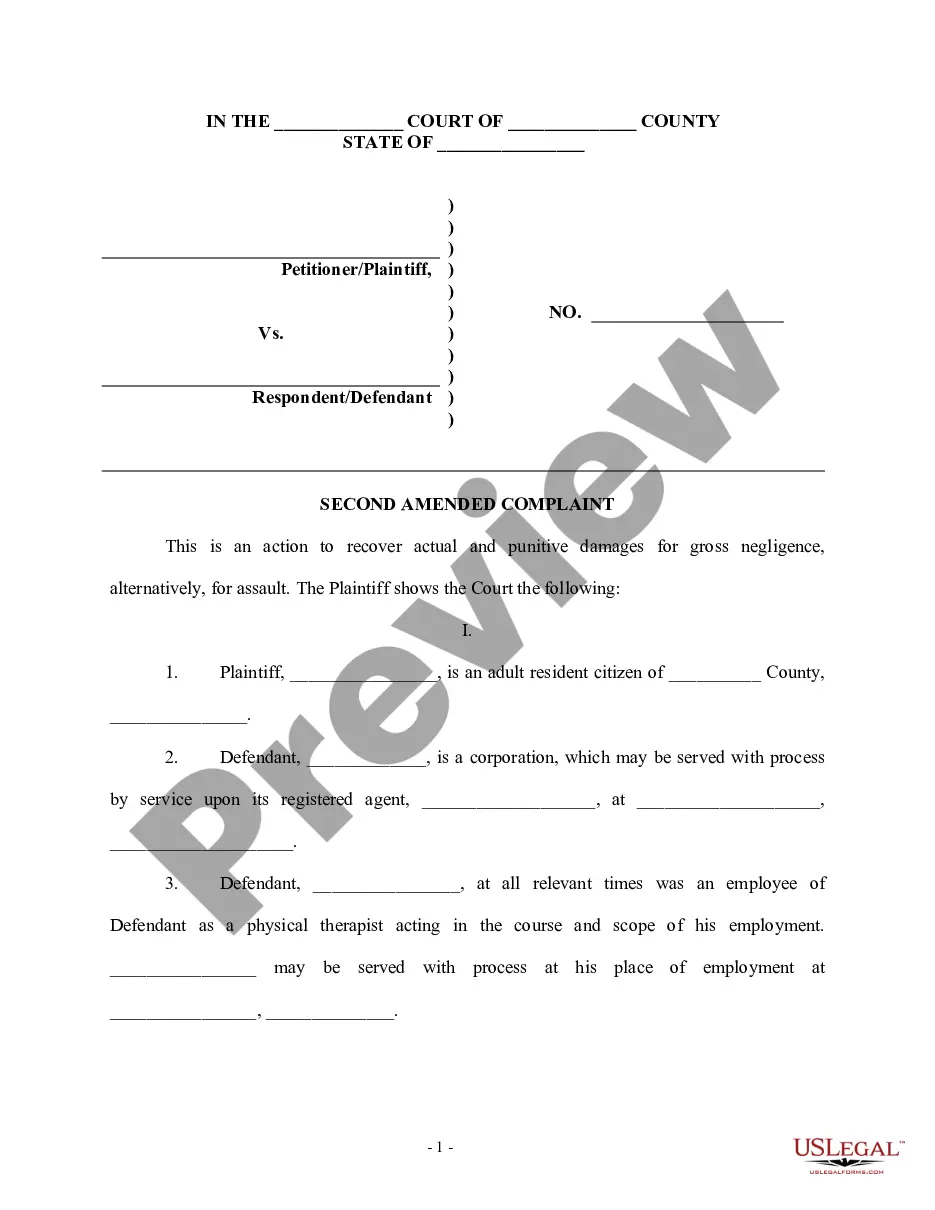
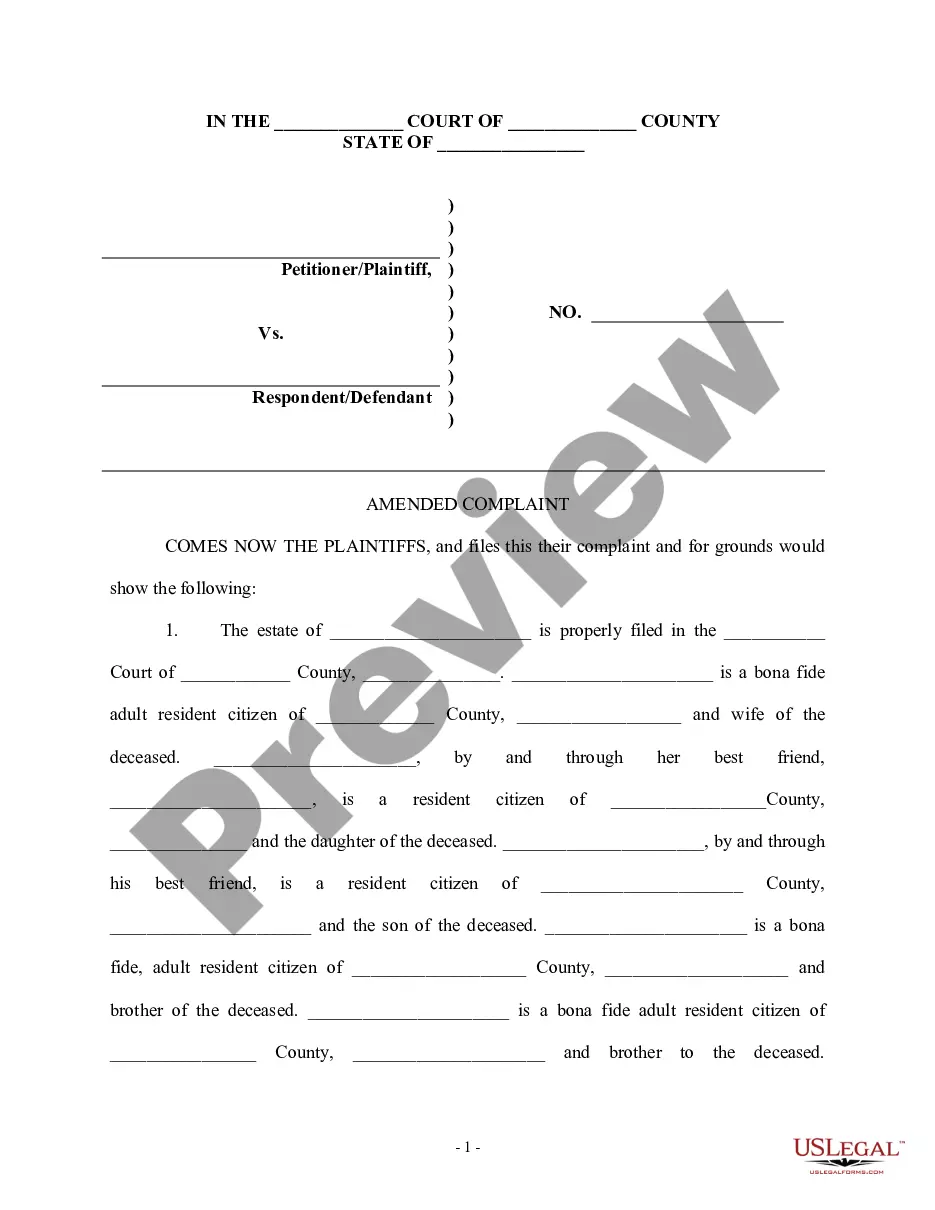
Get your form ready online
Our built-in tools help you complete, sign, share, and store your documents in one place.
Make edits, fill in missing information, and update formatting in US Legal Forms—just like you would in MS Word.
Download a copy, print it, send it by email, or mail it via USPS—whatever works best for your next step.
Sign and collect signatures with our SignNow integration. Send to multiple recipients, set reminders, and more. Go Premium to unlock E-Sign.
If this form requires notarization, complete it online through a secure video call—no need to meet a notary in person or wait for an appointment.
We protect your documents and personal data by following strict security and privacy standards.

Make edits, fill in missing information, and update formatting in US Legal Forms—just like you would in MS Word.

Download a copy, print it, send it by email, or mail it via USPS—whatever works best for your next step.

Sign and collect signatures with our SignNow integration. Send to multiple recipients, set reminders, and more. Go Premium to unlock E-Sign.

If this form requires notarization, complete it online through a secure video call—no need to meet a notary in person or wait for an appointment.

We protect your documents and personal data by following strict security and privacy standards.
Looking for another form?








Form popularity
FAQ
Generally, the initial investigation lasts 45 days. If the investigation extends beyond this period, the agency must notify the family, and document their justification for an extension past the initial 45 day period. At the conclusion of the investigation CPS will notify the parents in writing of their decision.
Report to authorities. If you know that your child has sexually assaulted or abused another child it is important to report these crimes to the proper authorities, such as Child Protective Services.
To remove a child from a home, without parental consent or exigent circumstances, CWS or law enforcement need to have attained a Warrant from a Judge. If CWS has removed your child, you should act quickly to seek out advice from an experienced attorney.
The term includes physical injury or death inflicted upon a child by another person by other than accidental means, sexual abuse as defined in Section 11165.1, neglect as defined in Section 11165.2, unlawful corporal punishment or injury as defined in Section 11165.4, or the willful harming or injuring of a child or ...
CPS does not have the power to remove a parent from the home. The court can order a parent from the home though if CPS recommends it.
The parent has abandoned the child. The parent has neglected or abused the child. The parent is unfit or incompetent.
CPS cases usually begin when someone makes a report to CPS about potential abuse or neglect. CPS will then investigate the allegations to determine whether or not they are founded. If CPS finds that the allegations are founded, the child will be placed in foster care, and a CPS case will be opened.
You would need to file a motion to dismiss and cite the reason as being a lack of jurisdiction. The court does need to have jurisdiction to process the case. With a CPS case, typically jurisdiction is going to follow the minor child.
The National Child Abuse and Neglect Data System (NCANDS) is a voluntary data collection system that gathers information from all 50 states, the District of Columbia, and Puerto Rico about reports of child abuse and neglect.
Five Criteria CPS Needs to Register a Report: IDENTITY AND LOCATION. Is there enough information known about the identity and location of the potentially abused child to permit an investigation? ... AGE OF THE CHILD. Is the child under 18 years of age? ... JURISDICTION. PERSONS LEGALLY. ALLEGATION OF ABUSE.
