Conveyance Cemetery Without A Will In North Carolina
Description

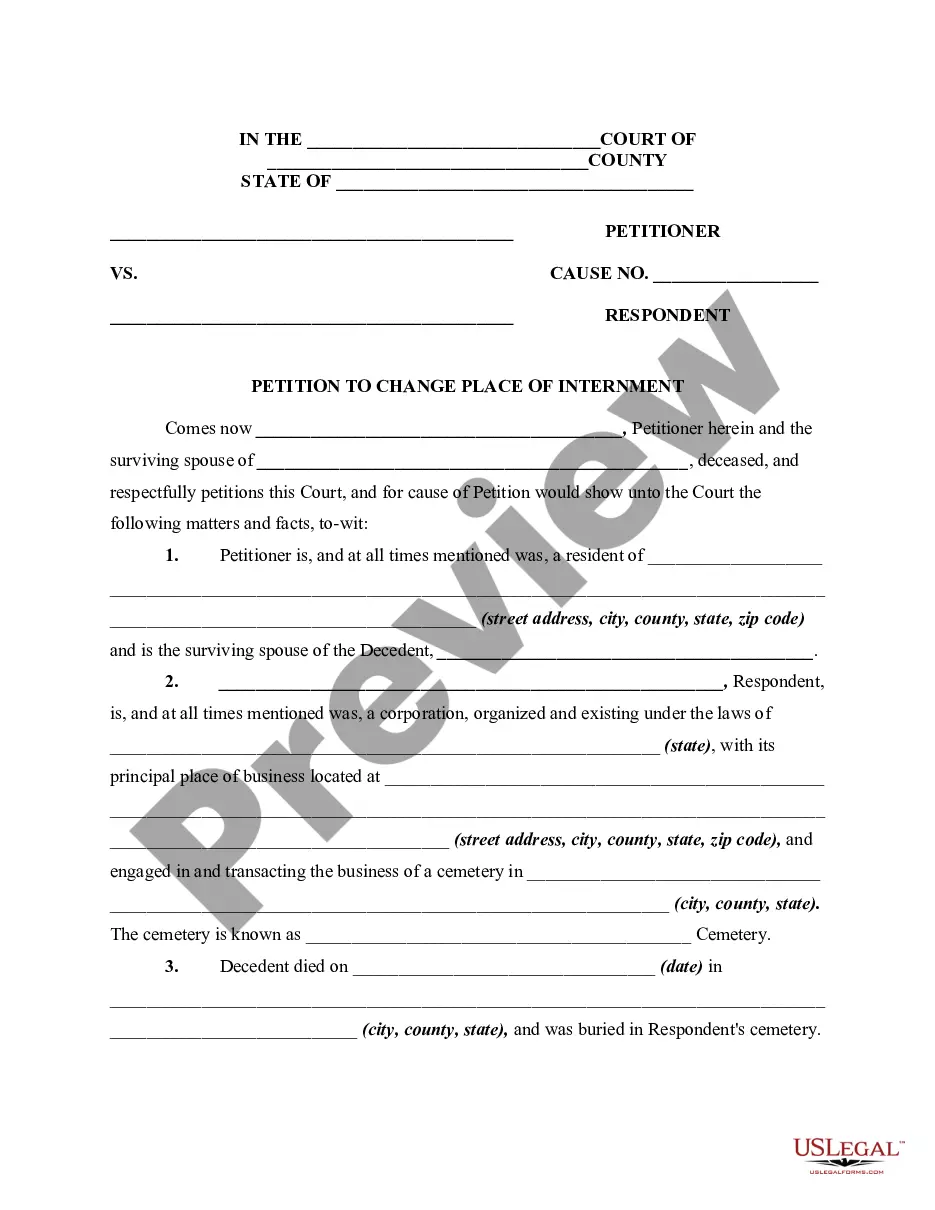
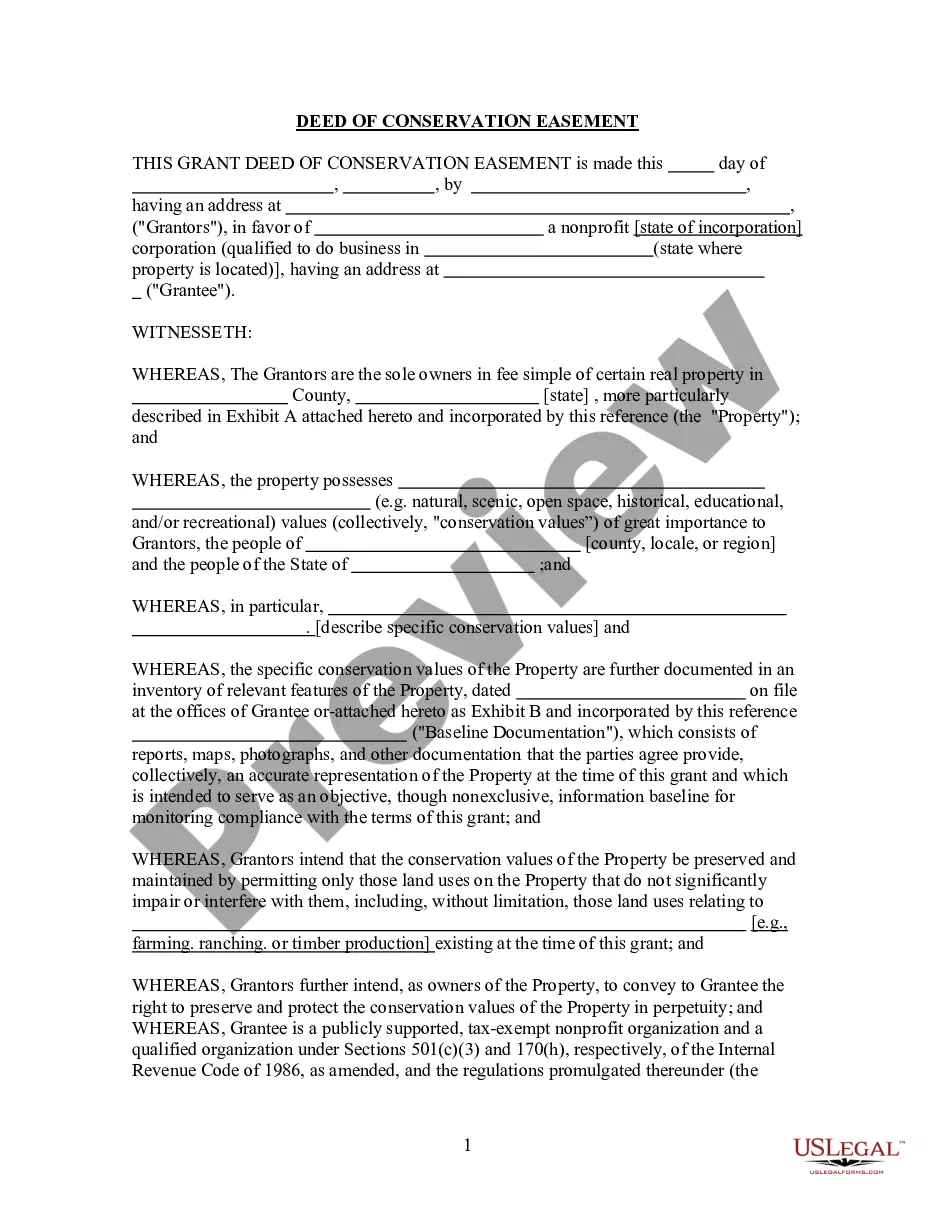
Get your form ready online
Our built-in tools help you complete, sign, share, and store your documents in one place.
Make edits, fill in missing information, and update formatting in US Legal Forms—just like you would in MS Word.
Download a copy, print it, send it by email, or mail it via USPS—whatever works best for your next step.
Sign and collect signatures with our SignNow integration. Send to multiple recipients, set reminders, and more. Go Premium to unlock E-Sign.
If this form requires notarization, complete it online through a secure video call—no need to meet a notary in person or wait for an appointment.
We protect your documents and personal data by following strict security and privacy standards.

Make edits, fill in missing information, and update formatting in US Legal Forms—just like you would in MS Word.

Download a copy, print it, send it by email, or mail it via USPS—whatever works best for your next step.

Sign and collect signatures with our SignNow integration. Send to multiple recipients, set reminders, and more. Go Premium to unlock E-Sign.

If this form requires notarization, complete it online through a secure video call—no need to meet a notary in person or wait for an appointment.

We protect your documents and personal data by following strict security and privacy standards.
Looking for another form?








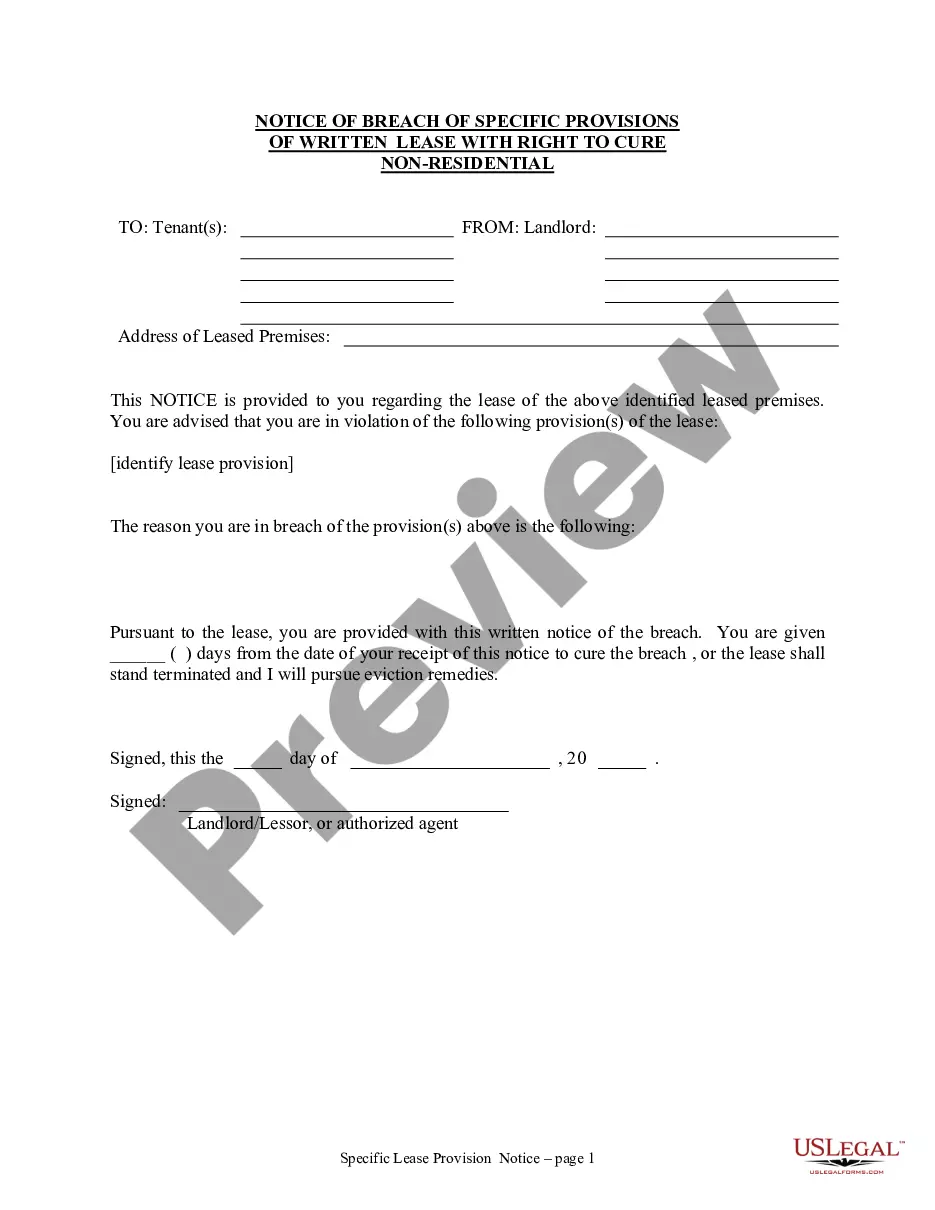

Form popularity
FAQ
The law contemplates generally two categories of cemeteries, public and private. A public cemetery is one used by the general community, a neighborhood, or a church, while a private cemetery is one used only by a family or a small portion of the community.
However, actual public use rather than ownership determines whether a cemetery is public. Thus, a cemetery, though privately owned or maintained, may be deemed a public cemetery if it is open, under reasonable regulations, to the use of the public for the burial of the dead.
Owned and managed by local government entities like a city or town, municipal cemeteries are typically operated as non-profits. Revenue from interments and memorials covers the costs of upkeep and maintenance.
If the decedent has none of these relatives, assets generally are distributed to family members in the following order of priority: 1) parents; 2) siblings and the children, grandchildren, etc., of deceased siblings; 3) grandparents; 4) aunts and uncles and, if deceased, their descendants.
Cemetery property is owned by the cemetery corporation. The real property is not sold. The lot “owner” receives three privileges: the right of burial, the right to memorialize and the right to vote at lot owner meetings.
And public records. Let's get started can a cemetery move a grave without permission. No a cemeteryMoreAnd public records. Let's get started can a cemetery move a grave without permission. No a cemetery cannot move a grave without permission.
Do All Estates Have to Go Through Probate in North Carolina? Smaller estates with probate-qualified assets valued at less than $20,000 can avoid the formal probate proceeding.
When a person dies without a will, the property may be divided between the surviving spouse and children (or spouse and parents if there are no children) depending on the value and type of property.
There are no laws that prohibit home burial. You must check local zoning laws before establishing a home cemetery or burying on private land. It is legally required to hire a Funeral Director to handle certain parts of the funeral.
However, if you do die intestate, the probate court estate administrator takes an inventory of your assets, paying off any outstanding tax debts or other collectors, covering the costs of your funeral and burial expenses, and distributing any remaining assets to the applicable family members ing to the North ...