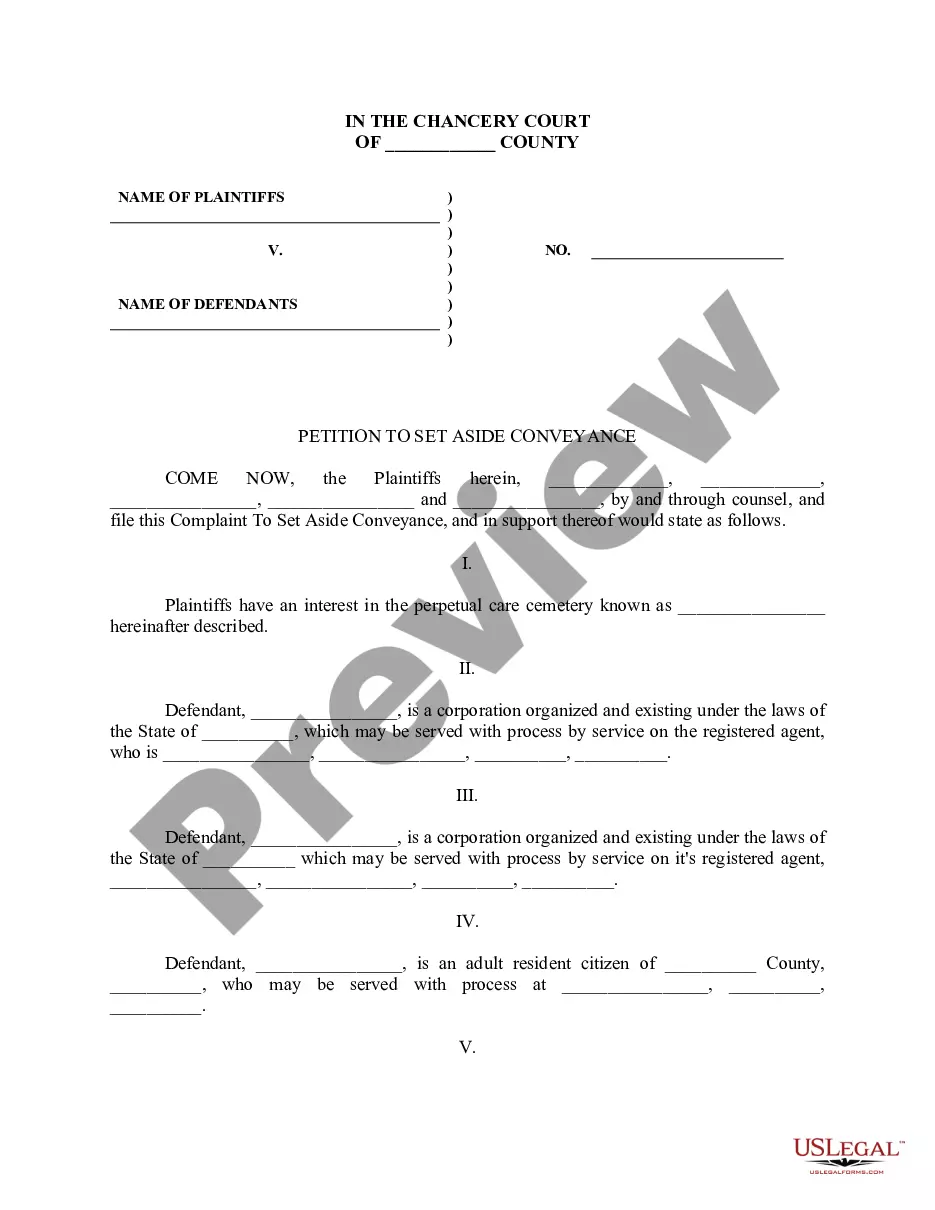
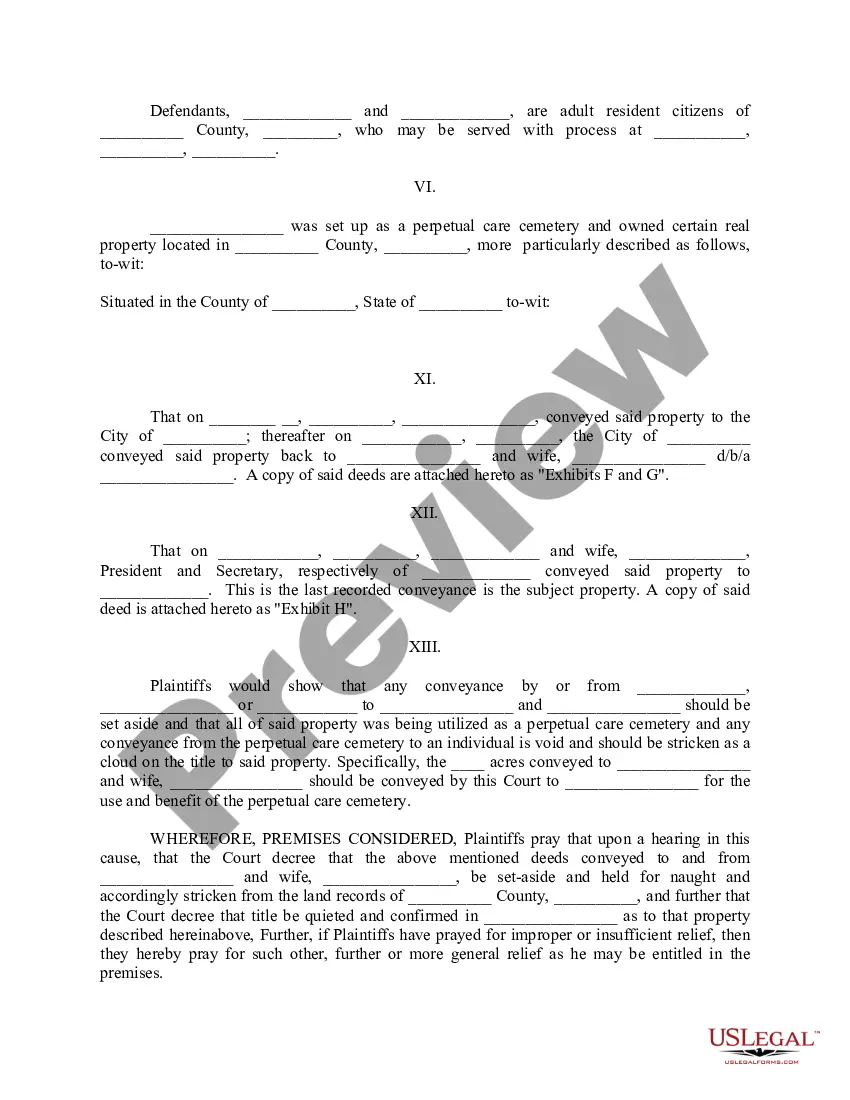
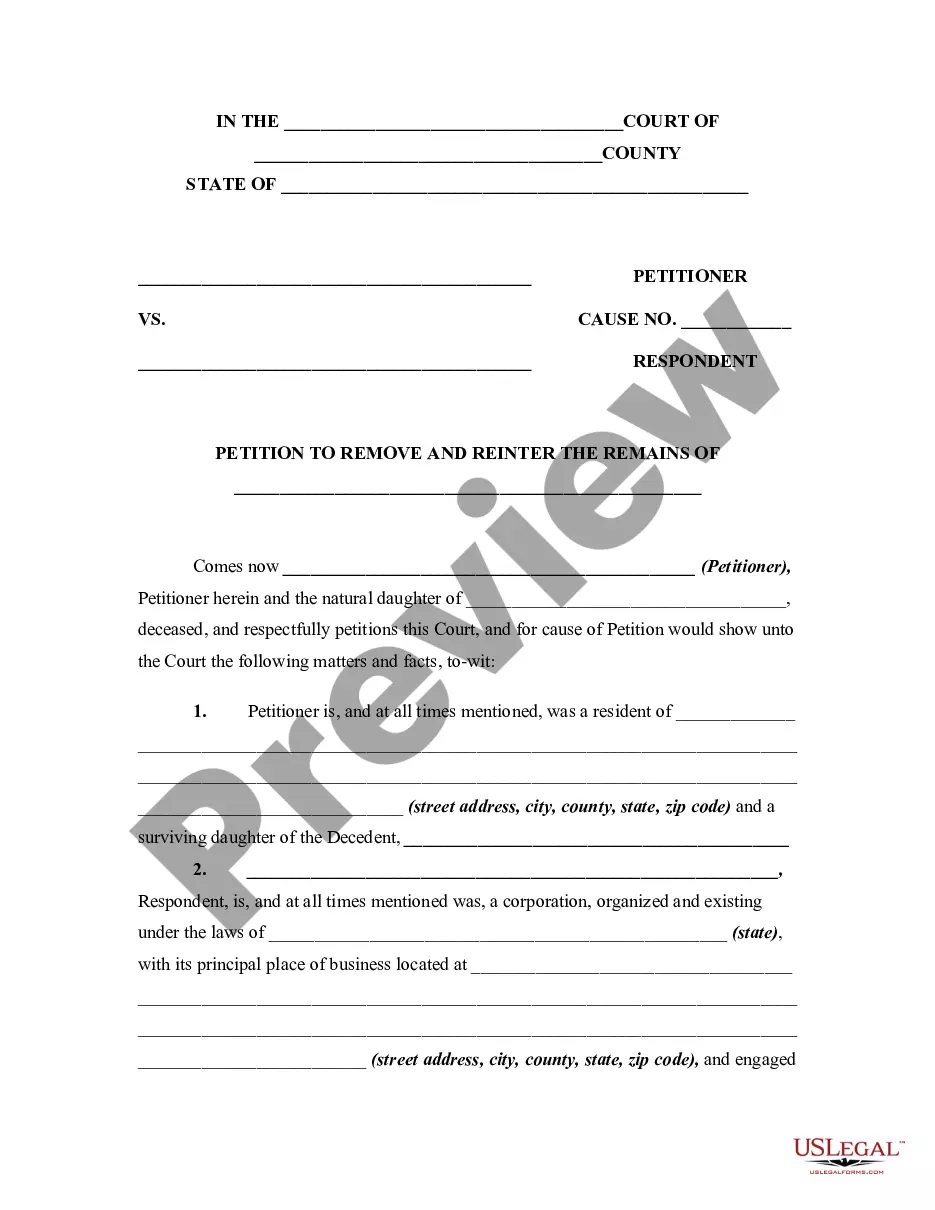
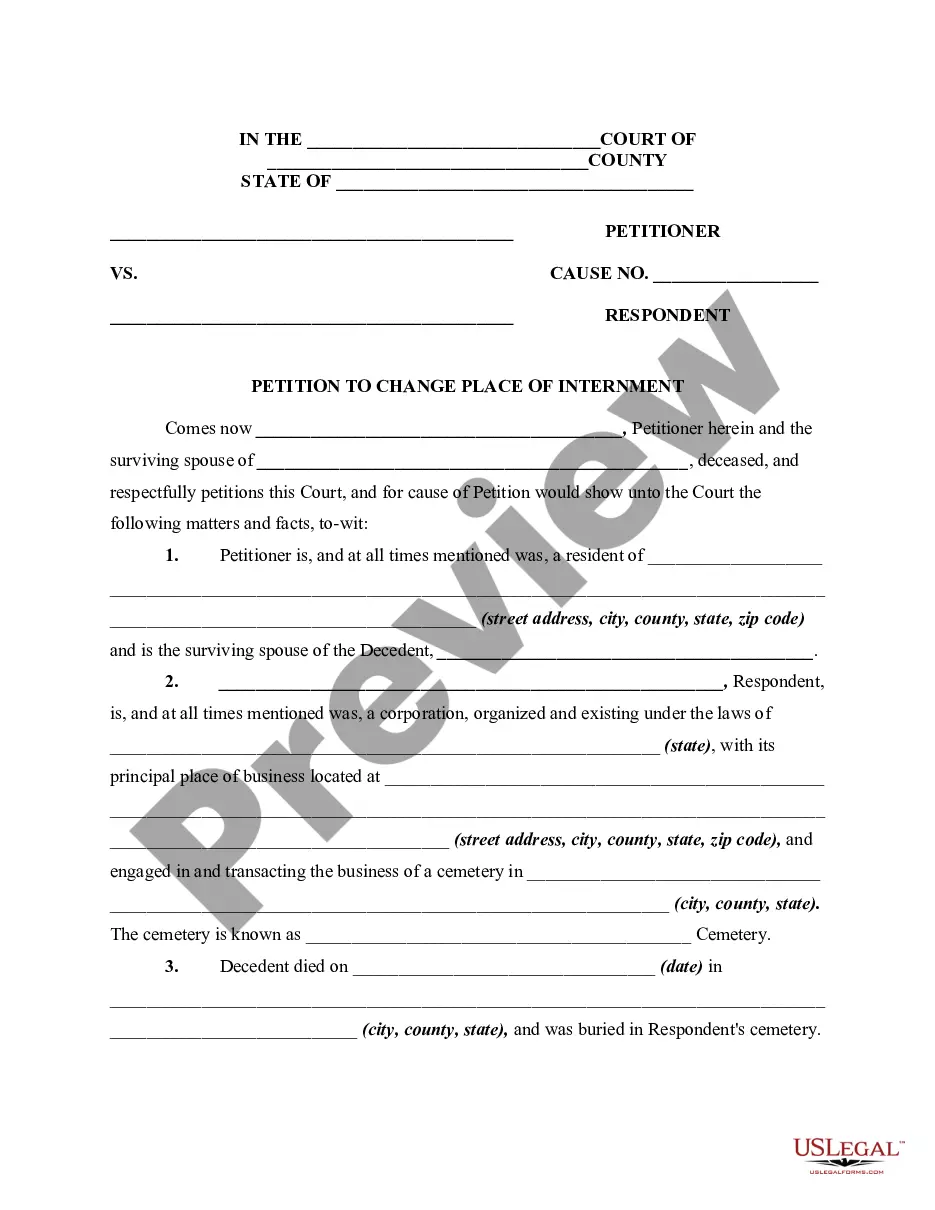
Set Aside Petition Format In Tamil In Minnesota
Description

Get your form ready online
Our built-in tools help you complete, sign, share, and store your documents in one place.
Make edits, fill in missing information, and update formatting in US Legal Forms—just like you would in MS Word.
Download a copy, print it, send it by email, or mail it via USPS—whatever works best for your next step.
Sign and collect signatures with our SignNow integration. Send to multiple recipients, set reminders, and more. Go Premium to unlock E-Sign.
If this form requires notarization, complete it online through a secure video call—no need to meet a notary in person or wait for an appointment.
We protect your documents and personal data by following strict security and privacy standards.

Make edits, fill in missing information, and update formatting in US Legal Forms—just like you would in MS Word.

Download a copy, print it, send it by email, or mail it via USPS—whatever works best for your next step.

Sign and collect signatures with our SignNow integration. Send to multiple recipients, set reminders, and more. Go Premium to unlock E-Sign.

If this form requires notarization, complete it online through a secure video call—no need to meet a notary in person or wait for an appointment.

We protect your documents and personal data by following strict security and privacy standards.
Looking for another form?


Form popularity
FAQ
The public can also access court documents from public access computer terminals at any Minnesota district (county) courthouse or at the Minnesota State Law Library. The availability of court records is governed by the Minnesota Rules of Public Access to Records of the Judicial Branch.
Some examples of permanently disqualifying offenses are felony domestic assault, felony crimes against a child and criminal sexual conduct. A full list can be found in Minnesota Statutes 245C.
An individual is permanently disqualified if he or she has been convicted of any of the following offenses: Violation of the predatory offender registration law. Murder or manslaughter. First- or second-degree assault, domestic assault, or spousal abuse.
Expungement Process in Minnesota for DWI You may only seek to expunge your DWI record in the county in which the DWI occurred. To seek an expungement for a DWI in Minnesota, you must first compile your entire criminal history – for cases in state and federal court – including cases in which you were not convicted.
Make a “Set-Aside” Request You usually have 30 days after getting your disqualification notice to send DHS proof that you are not a risk to the patients you care for. You must explain what happened, how you have changed, and show why you can be trusted around patients.
Make a “Set-Aside” Request You must explain what happened, how you have changed, and show why you can be trusted around patients. Instructions for how to do this are in your disqualification notice. If successful, you can go back to work at the job that you were disqualified from and work without supervision.