Burial Plot Transfer Fee In Michigan
Description

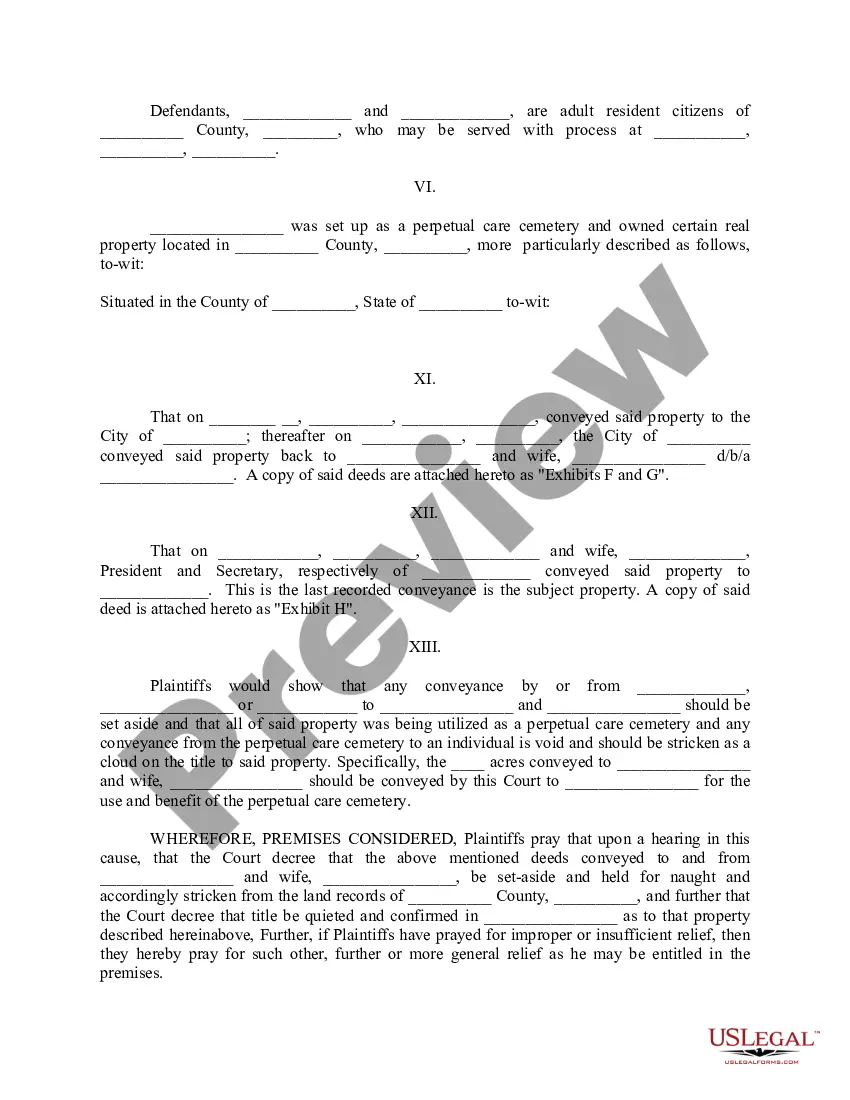

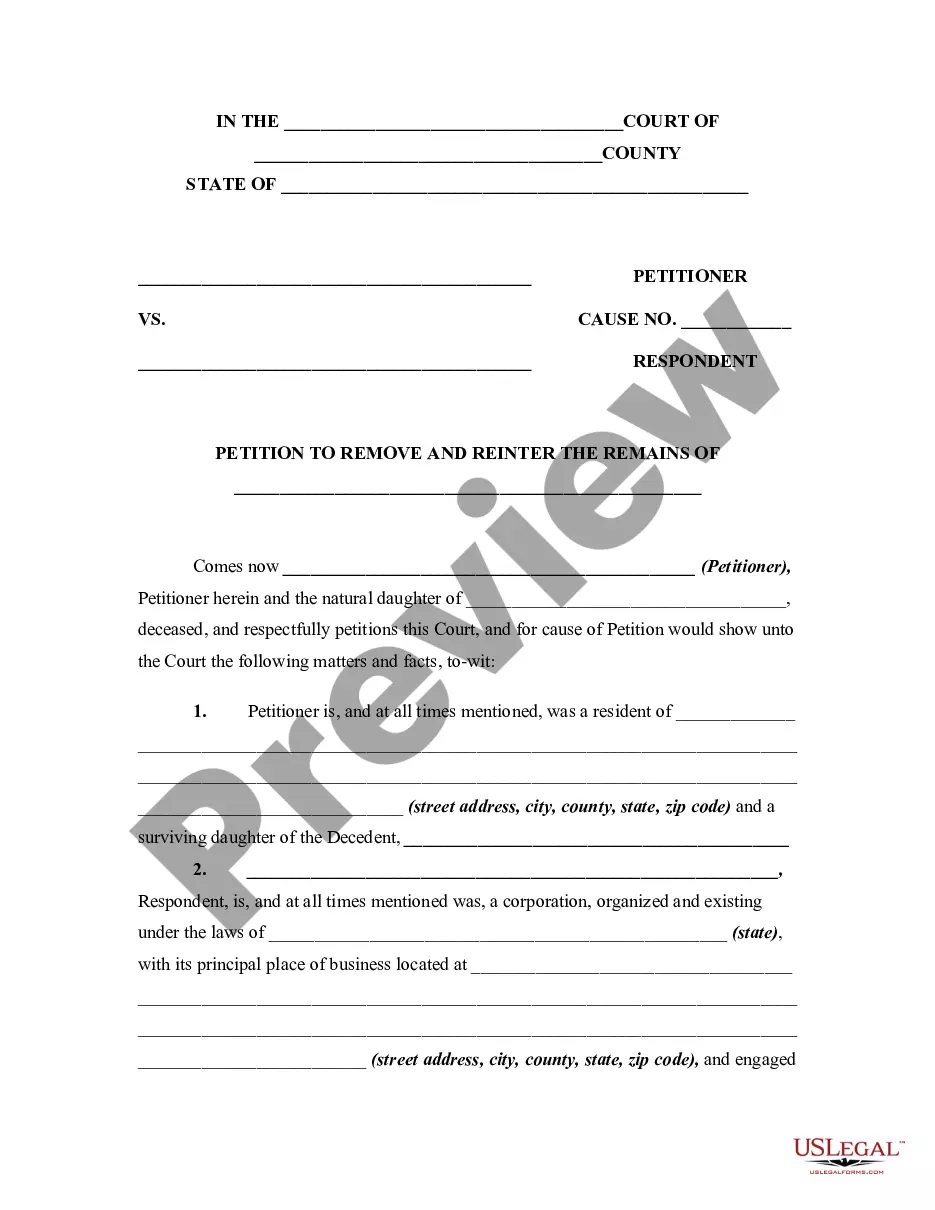
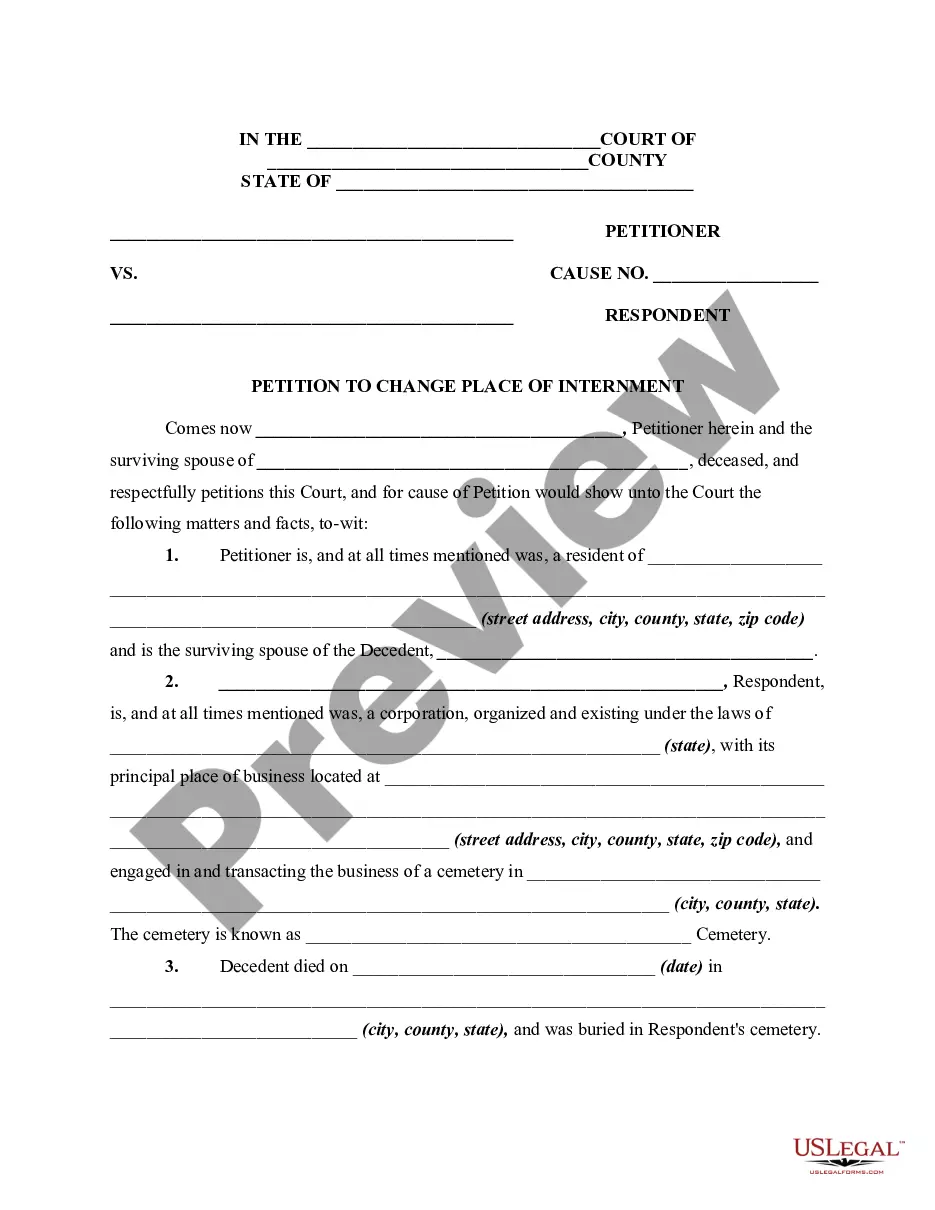
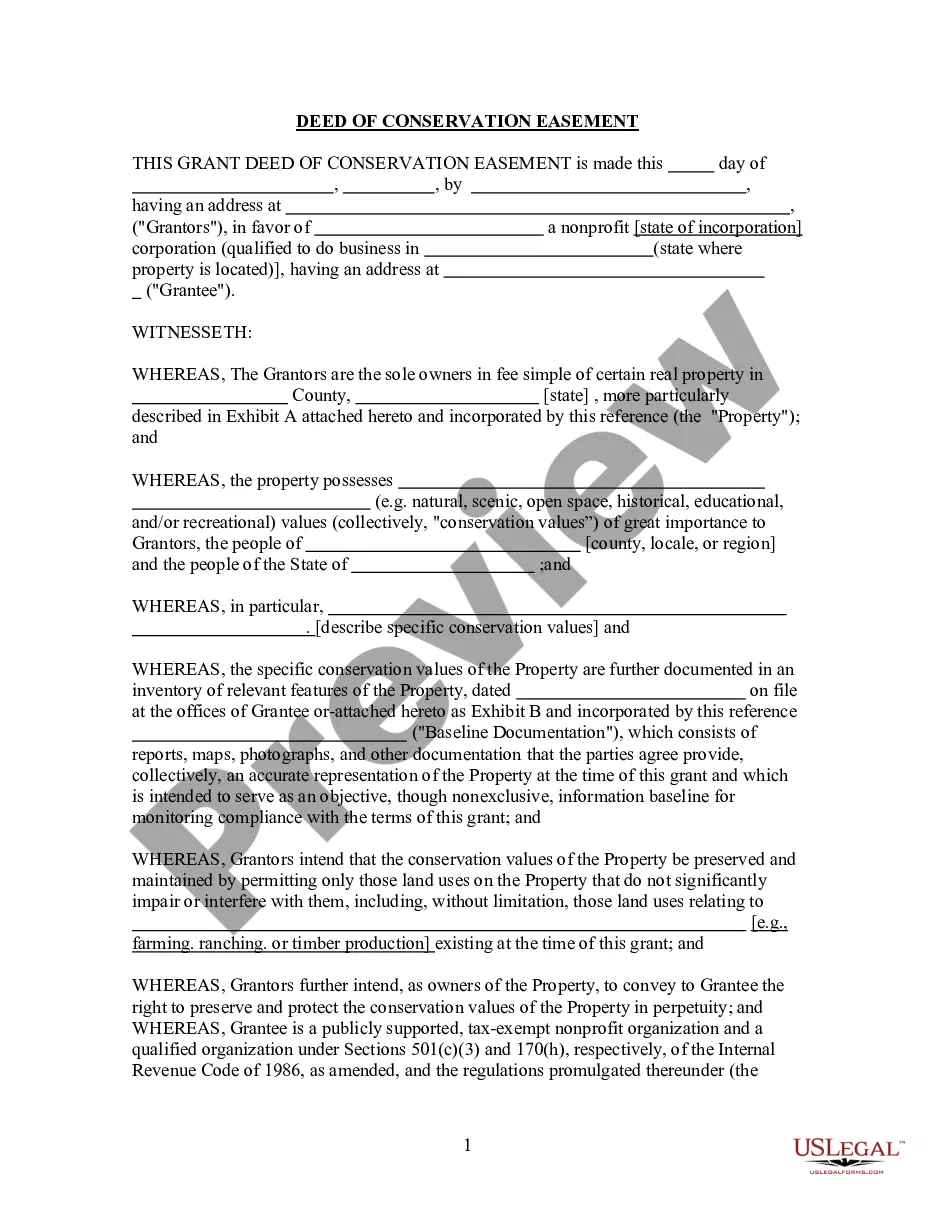
Get your form ready online
Our built-in tools help you complete, sign, share, and store your documents in one place.
Make edits, fill in missing information, and update formatting in US Legal Forms—just like you would in MS Word.
Download a copy, print it, send it by email, or mail it via USPS—whatever works best for your next step.
Sign and collect signatures with our SignNow integration. Send to multiple recipients, set reminders, and more. Go Premium to unlock E-Sign.
If this form requires notarization, complete it online through a secure video call—no need to meet a notary in person or wait for an appointment.
We protect your documents and personal data by following strict security and privacy standards.

Make edits, fill in missing information, and update formatting in US Legal Forms—just like you would in MS Word.

Download a copy, print it, send it by email, or mail it via USPS—whatever works best for your next step.

Sign and collect signatures with our SignNow integration. Send to multiple recipients, set reminders, and more. Go Premium to unlock E-Sign.

If this form requires notarization, complete it online through a secure video call—no need to meet a notary in person or wait for an appointment.

We protect your documents and personal data by following strict security and privacy standards.
Looking for another form?




Form popularity
FAQ
Buying and selling burial plots can become quite a lucrative source of income for those who don't shy away from the uncomfortable subject of death. There are a growing number of cemeteries and local authorities that are running out of burial space. As a result, the demand is growing.
Several factors determine ground burial prices, such as plot location, headstone material (marble or granite), garden setting, indoor or outdoor interment, etc. Mausoleum prices also depend on location, either inside the structure or outside in a garden setting.
Is It Possible To Sell A Cemetery Plot? Yes, selling a cemetery plot is possible, and this applies even to crypts and even wall spaces in outdoor tombs and mausoleums. In many cases, you may even stand to profit from selling a cemetery plot, which may, however, come with a waiting period of as much as 15 months.
You may not sell the final resting place through a broker and may not sell to a funeral director. A cemetery does not have to buy graves back from lot owners. Different rules can apply when a final resting place is owned by more than one person.
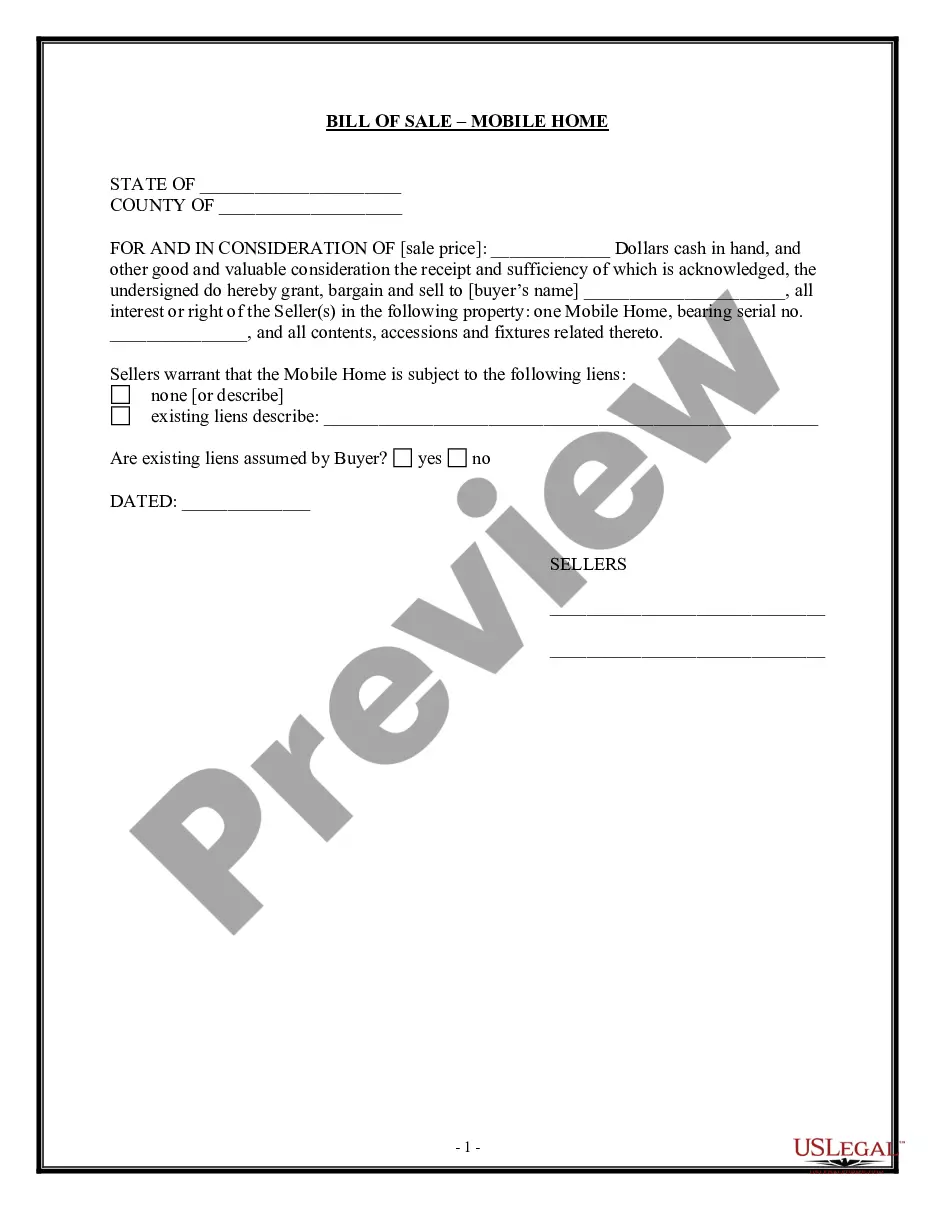
How to Transfer Ownership of a Burial Plot Step 1 – Get the Deed From the Cemetery. Step 2 – Review the State and Local Laws. Step 3 – Prove You Are the Current Owner. Step 4 – Fill Out the Cemetery Plot Deed Transfer Form. Step 5 – Complete the Transfer and Get the New Deed.
“Cemetery lot” or “burial plot” is a small piece of land in a cemetery used for the interment human remains. A crypt or group of crypts or burial vaults owned by one person in a public or community mausoleum is deemed a cemetery lot.
Contrary to popular belief, most funeral directors are willing to give discounts to families that ask in an appropriate manner.
Spouses know the history of the property's title and know the title's legitimate. Quitclaim deeds transfer the entire property to the other spouse while removing the grantor's name from the deed, allowing the parties to sever their relationship. Transfer process is quick, easy, and avoids probate.