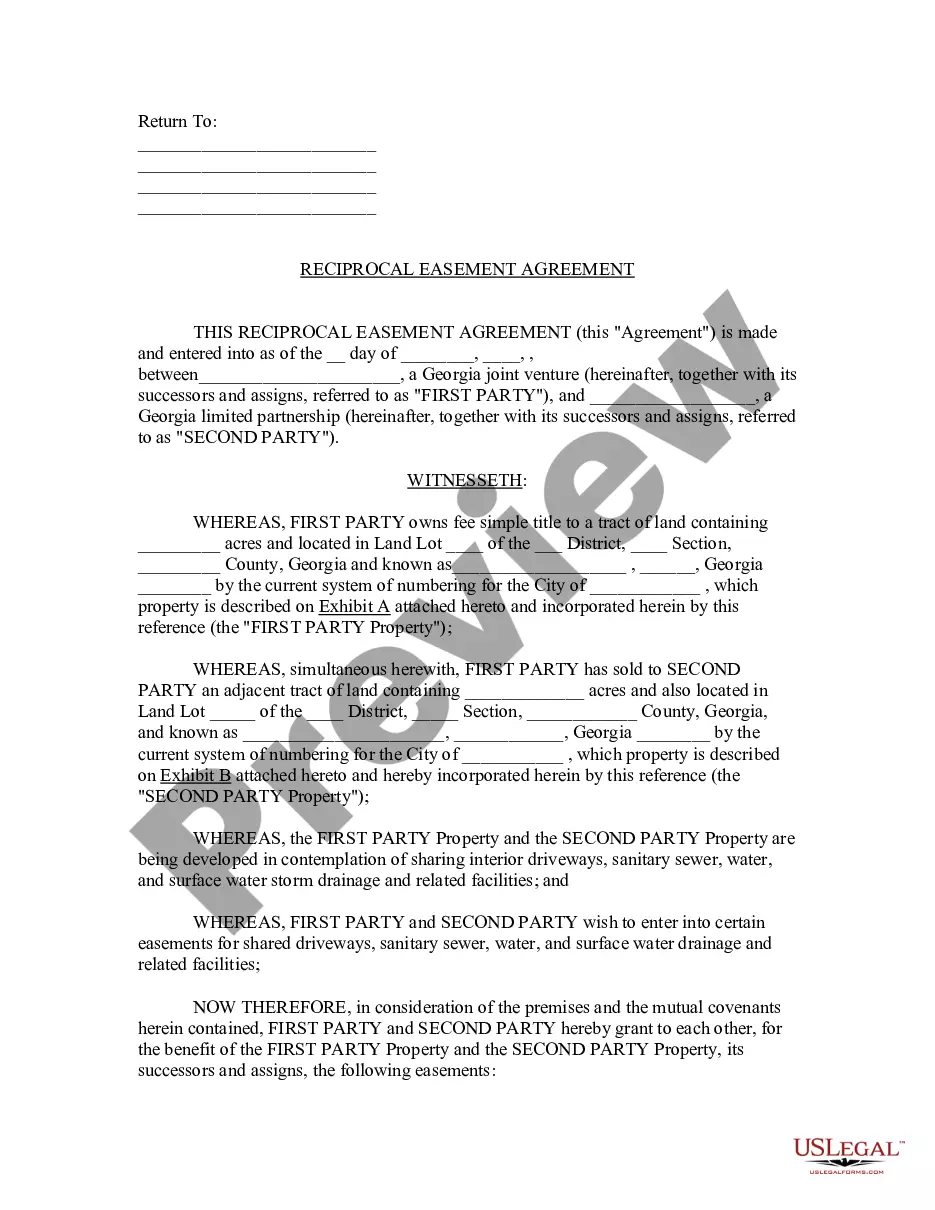
Petition To Set Aside Estate Without Administration In Massachusetts
Description


Get your form ready online
Our built-in tools help you complete, sign, share, and store your documents in one place.
Make edits, fill in missing information, and update formatting in US Legal Forms—just like you would in MS Word.
Download a copy, print it, send it by email, or mail it via USPS—whatever works best for your next step.
Sign and collect signatures with our SignNow integration. Send to multiple recipients, set reminders, and more. Go Premium to unlock E-Sign.
If this form requires notarization, complete it online through a secure video call—no need to meet a notary in person or wait for an appointment.
We protect your documents and personal data by following strict security and privacy standards.

Make edits, fill in missing information, and update formatting in US Legal Forms—just like you would in MS Word.

Download a copy, print it, send it by email, or mail it via USPS—whatever works best for your next step.

Sign and collect signatures with our SignNow integration. Send to multiple recipients, set reminders, and more. Go Premium to unlock E-Sign.

If this form requires notarization, complete it online through a secure video call—no need to meet a notary in person or wait for an appointment.

We protect your documents and personal data by following strict security and privacy standards.
Looking for another form?





Form popularity
FAQ
In an unsupervised probate, the appointed estate administrator manages assets, pays any debts, files required tax returns and various court documents, and distributes the estate assets.
Informal probate is an administrative proceeding, which means that it is processed by a Massachusetts Uniform Probate Code (MUPC) Magistrate instead of a judge. The court doesn't allow hearings for this process. Informal probate can be a faster process if you meet all the requirements.
Unsupervised probate, also known as independent administration, is a type of probate that does not require court supervision or approval for every action of the executor or administrator.
Typically, you have to probate the decedent's estate if you need to: Find out if the decedent's will is valid. Change the title (ownership) of real estate or personal property, such as bank accounts, stocks, or bonds, that is only in the decedent's name without any right of survivorship.
The decedent must have left an estate that consists entirely of personal property valued at $25,000 or less (excluding the value of a car). 30 days or more have passed since the decedent's death. The petitioner must be an interested person, but doesn't need to be a resident of Massachusetts.