Petition To Set Aside Estate Without Administration In Maryland
Description

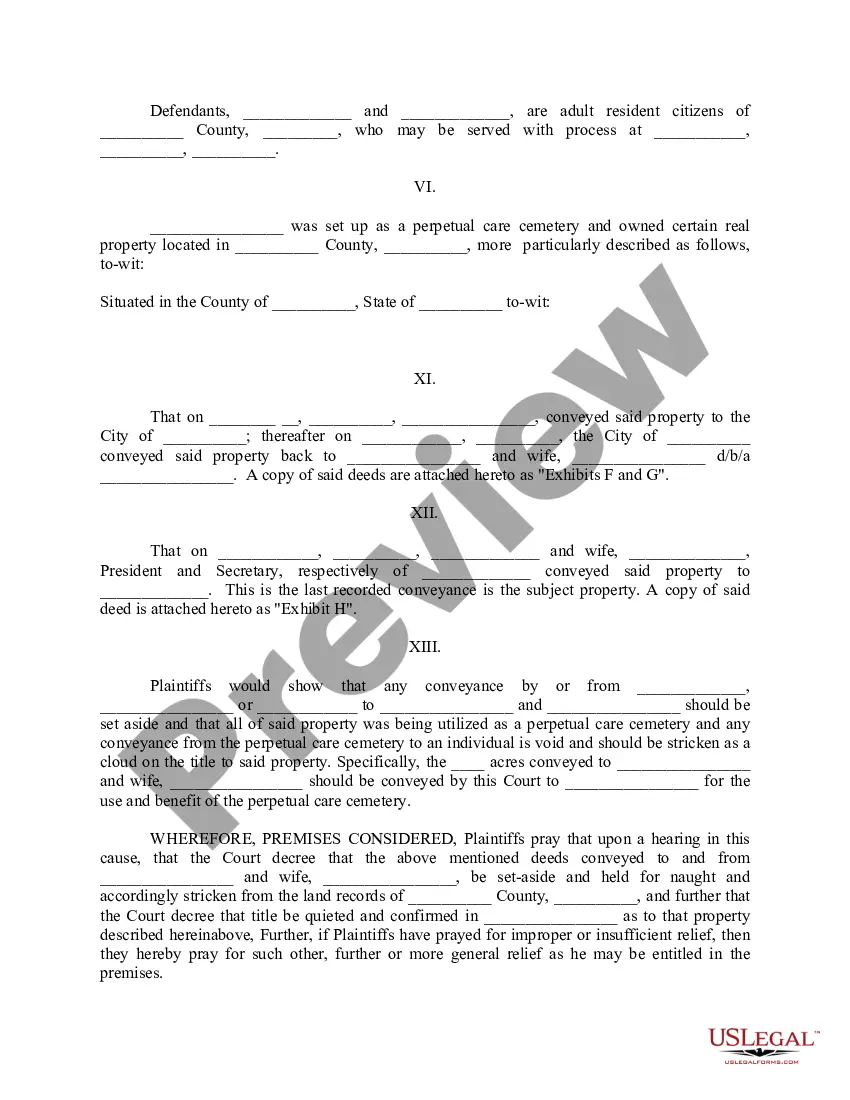

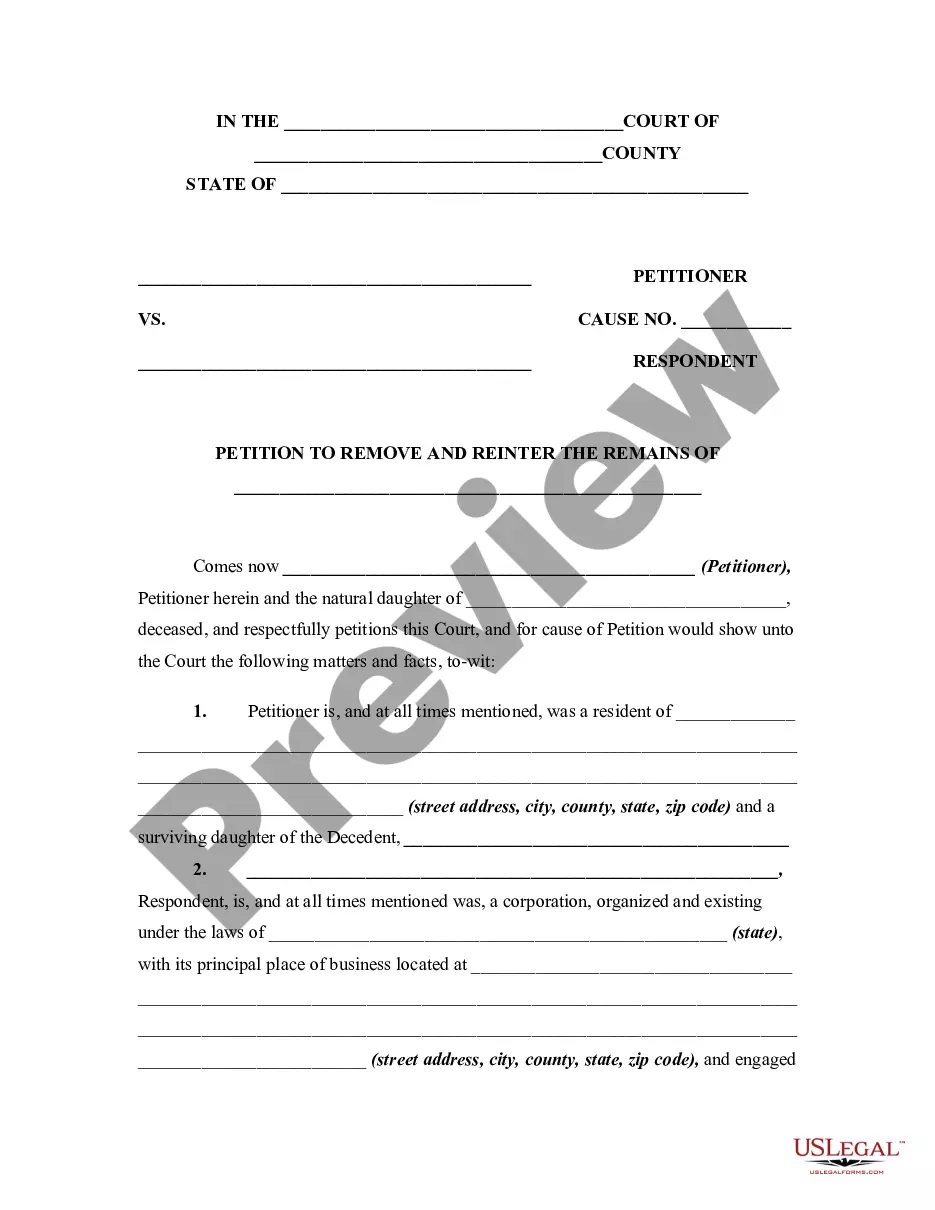
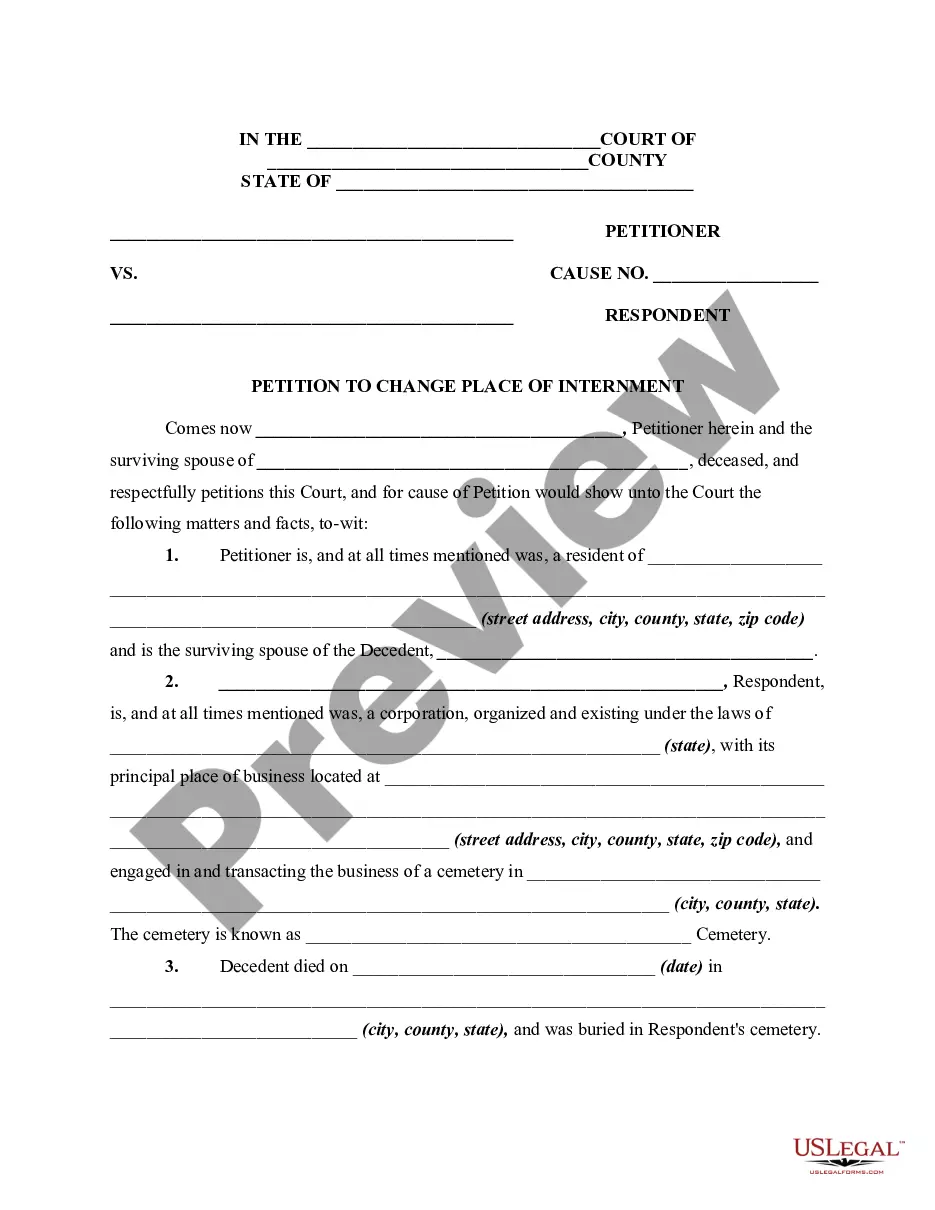
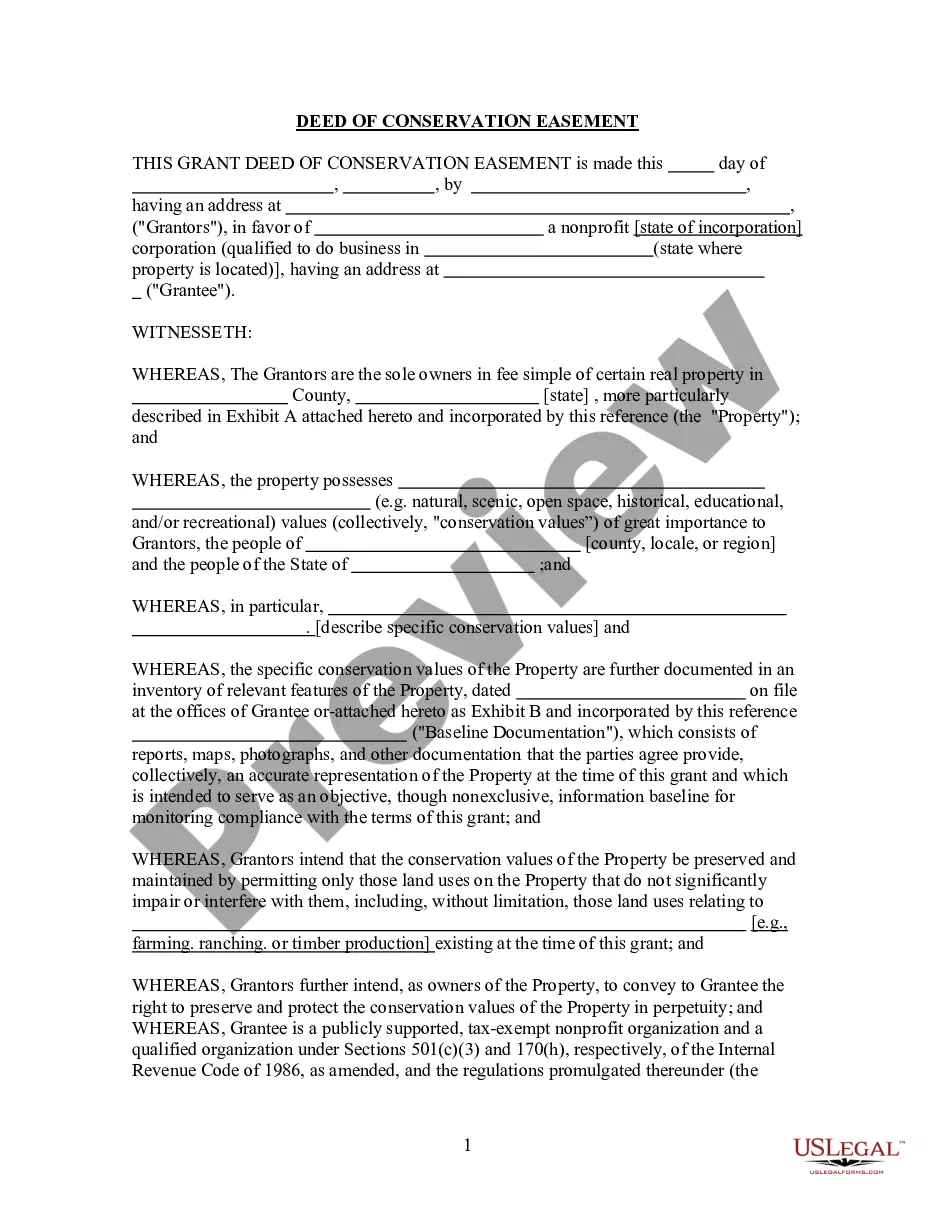
Get your form ready online
Our built-in tools help you complete, sign, share, and store your documents in one place.
Make edits, fill in missing information, and update formatting in US Legal Forms—just like you would in MS Word.
Download a copy, print it, send it by email, or mail it via USPS—whatever works best for your next step.
Sign and collect signatures with our SignNow integration. Send to multiple recipients, set reminders, and more. Go Premium to unlock E-Sign.
If this form requires notarization, complete it online through a secure video call—no need to meet a notary in person or wait for an appointment.
We protect your documents and personal data by following strict security and privacy standards.

Make edits, fill in missing information, and update formatting in US Legal Forms—just like you would in MS Word.

Download a copy, print it, send it by email, or mail it via USPS—whatever works best for your next step.

Sign and collect signatures with our SignNow integration. Send to multiple recipients, set reminders, and more. Go Premium to unlock E-Sign.

If this form requires notarization, complete it online through a secure video call—no need to meet a notary in person or wait for an appointment.

We protect your documents and personal data by following strict security and privacy standards.
Looking for another form?
Form popularity
FAQ
In Maryland there are two kinds of probate – Administrative and Judicial. Administrative probate is for uncontested wills and is handled by the Register of Wills. Judicial probate is usually for contested wills and is handled by the Orphans' Court.
In order to obtain Letters of Administration, you must first submit the following documents to the probate courts: The person's death certificate. Will (if available) Probate court petition. A brief statement of the person's assets. List of interested persons. A bond to serve as personal representative.
A personal representative who wishes to resign before the approval of the final account shall file with the register a statement of resignation and a certificate that a notice of intention to resign was served on all interested persons at least 20 days prior to the filing of the statement.
When an individual dies without a valid Last Will and Testament or other testamentary writing, they are deemed to have died “intestate.” Their probate estate will be distributed ing to Maryland's intestate succession law, which generally follows bloodlines and degrees of consanguinity to determine who has ...
Fortunately, there are ways to structure your estate to avoid probate in Maryland. Create a Revocable Living Trust. Utilize Joint Ownership with Right of Survivorship. Designate Beneficiaries on Accounts and Policies. Gift Assets Before Death. Establish a Small Estate. Use Maryland's Simplified Probate Options.
Contesting a Maryland will can be a complicated process. A will contest is often done through a caveat proceeding. There is a time for a caveat proceeding after – it is usually six months – an estate is opened, then that will can be caveated. A caveat or the challenge can be served for any number of reasons.
The notice shall state (1) that an account or affidavit has been filed, (2) that the recipient may file exceptions with the court within 20 days after the court's order approving the account is docketed, (3) that further information can be obtained by reviewing the estate file in the office of the Register of Wills or ...
CAVEAT. (a) Petition. A petition to caveat may be filed by an heir of the decedent or a legatee in any instrument purporting to be a will or codicil of the decedent.
Generally, the Intestacy statutes provide for property to be distributed to a decedent's closest living relatives, i.e., to a surviving spouse and children, if there are any; to children in equal shares if there is no surviving spouse; to parents if there are no spouse and children; and so on to more distant relatives.