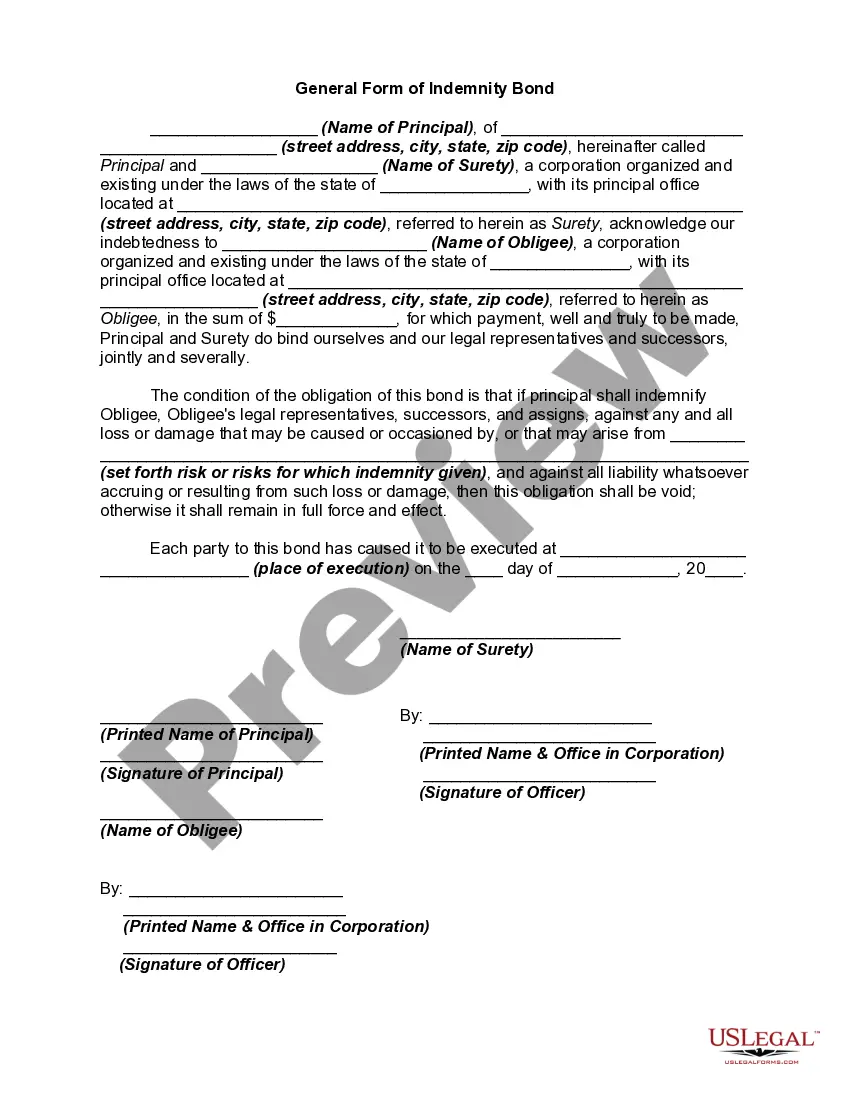
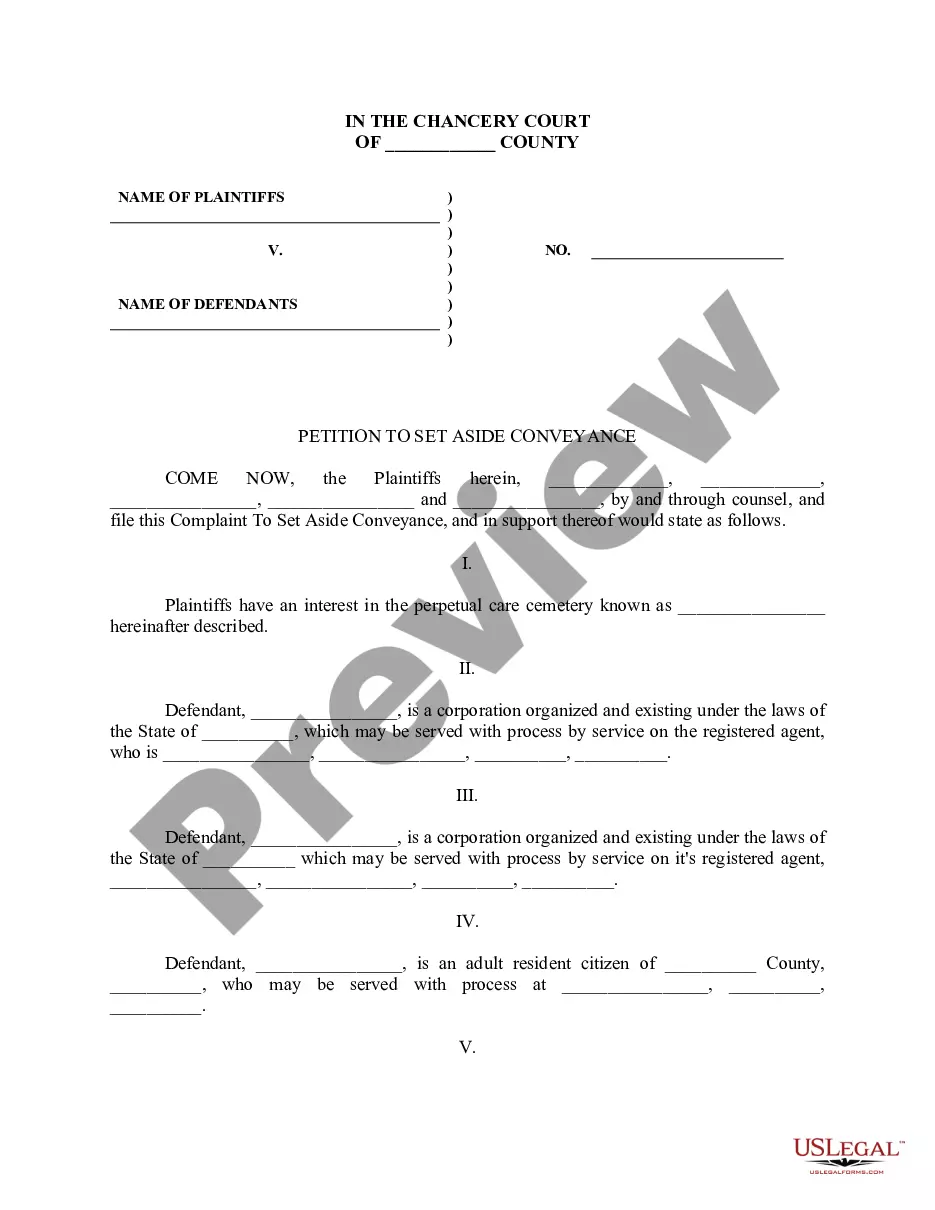
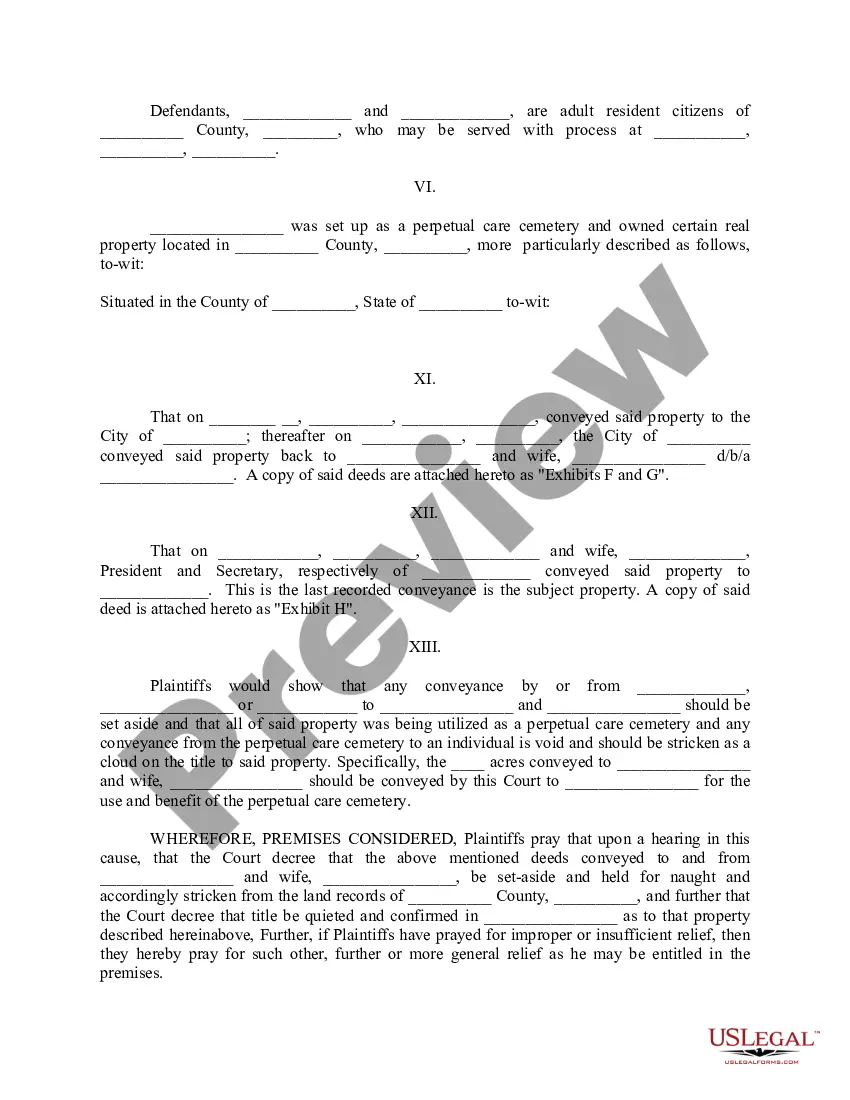
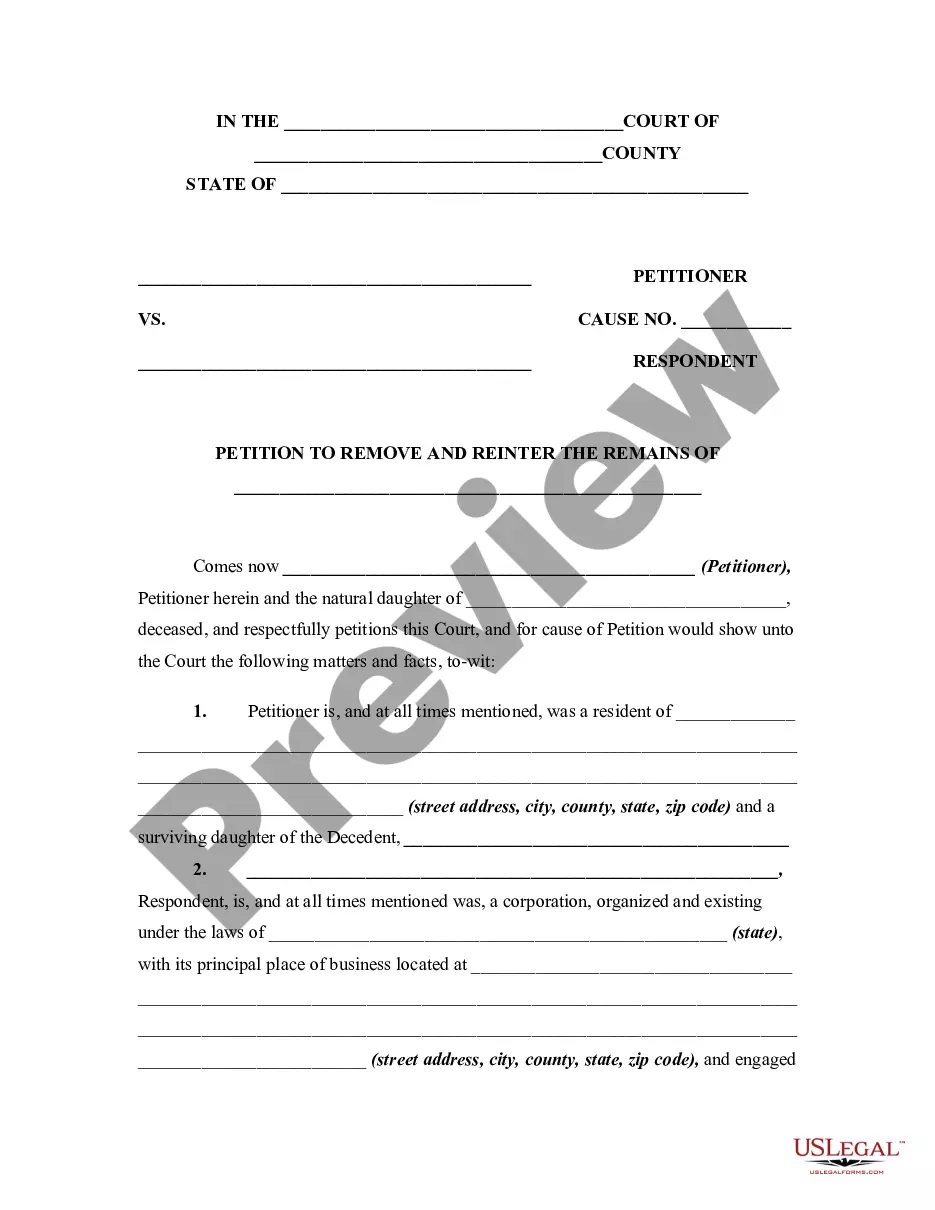
Petition To Set Aside Estate Without Administration In Illinois
Description

Get your form ready online
Our built-in tools help you complete, sign, share, and store your documents in one place.
Make edits, fill in missing information, and update formatting in US Legal Forms—just like you would in MS Word.
Download a copy, print it, send it by email, or mail it via USPS—whatever works best for your next step.
Sign and collect signatures with our SignNow integration. Send to multiple recipients, set reminders, and more. Go Premium to unlock E-Sign.
If this form requires notarization, complete it online through a secure video call—no need to meet a notary in person or wait for an appointment.
We protect your documents and personal data by following strict security and privacy standards.

Make edits, fill in missing information, and update formatting in US Legal Forms—just like you would in MS Word.

Download a copy, print it, send it by email, or mail it via USPS—whatever works best for your next step.

Sign and collect signatures with our SignNow integration. Send to multiple recipients, set reminders, and more. Go Premium to unlock E-Sign.

If this form requires notarization, complete it online through a secure video call—no need to meet a notary in person or wait for an appointment.

We protect your documents and personal data by following strict security and privacy standards.
Looking for another form?



Form popularity
FAQ
First publication must be at least 15 days before the hearing date. Three publications in a newspaper published once a week or more often, with at least five days intervening between the first and last publication dates, not counting the first and last publication dates as part of the five-day period, are sufficient.
In California, executors can make a move on estate property for themselves, but only in some instances and only with all the legal boxes ticked. This type of decision gets a very close look by the court because, let's face it, it's easy for conflicts of interest to pop up.
A Section 13650 set-aside leaves the surviving spouse open to a significant financial risk of exposure to decedent's creditors because to the extent the decedent's and surviving spouse's interests in community and/or quasi-community property, and decedent's separate property interests that pass to the surviving spouse ...
In an unsupervised estate, they are only in court once to open and once to close. Everything else is handled outside of court. The beneficiaries still need to approve everything.
A deceased person's property is known as their estate. Probate administration generally refers to distributing a deceased person's estate. Probate also more narrowly refers to the process of validating a will. It's the legal process of determining whether the last will and testament is valid.
Unsupervised probate, also known as independent administration, is a type of probate that does not require court supervision or approval for every action of the executor or administrator.
How to Avoid Probate in Illinois Establish a Living Trust. Creating a living trust is one of the most effective ways to avoid probate. Joint Ownership of Property. Use of Transfer-on-Death Instruments. Payable-on-Death (POD) and Beneficiary Designations. Utilize the Illinois Small Estate Affidavit.
In an unsupervised probate, the appointed estate administrator manages assets, pays any debts, files required tax returns and various court documents, and distributes the estate assets.