Set Aside Petition Meaning In Bexar
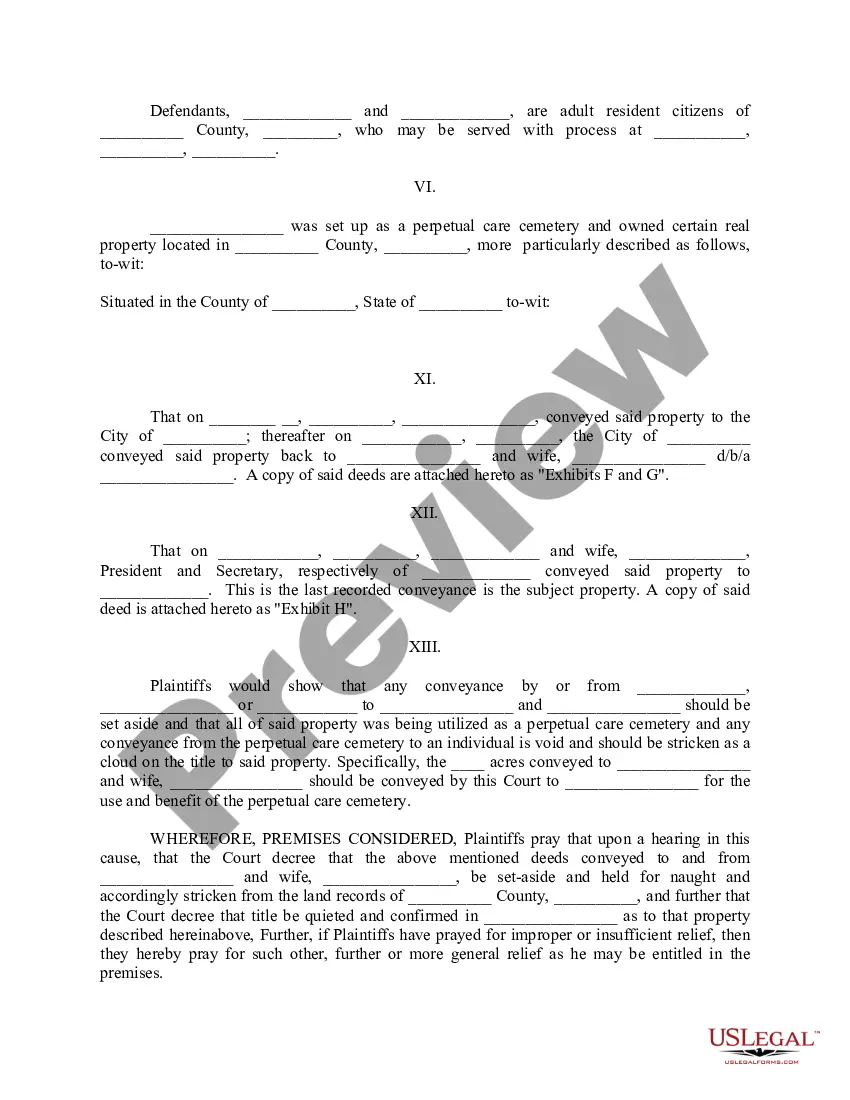
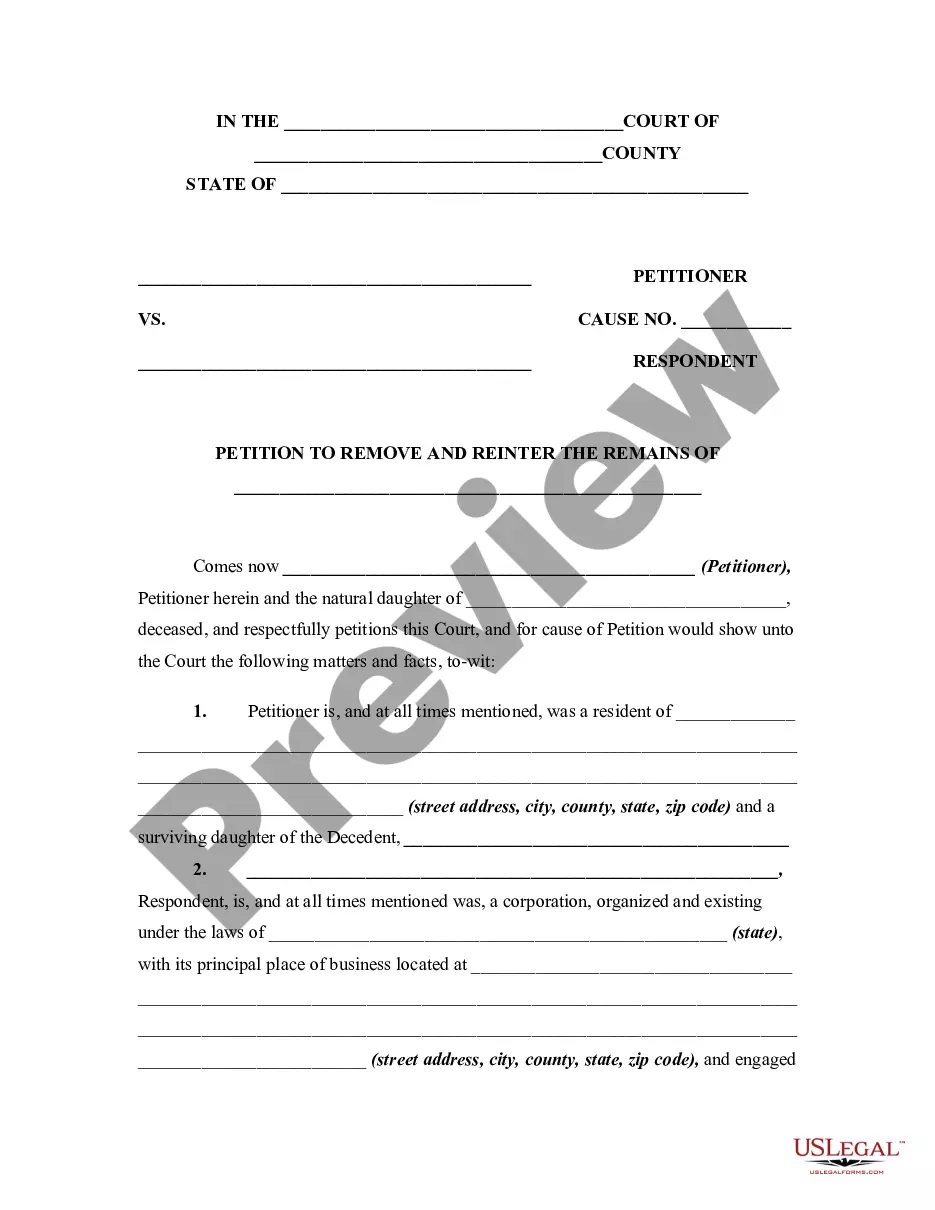
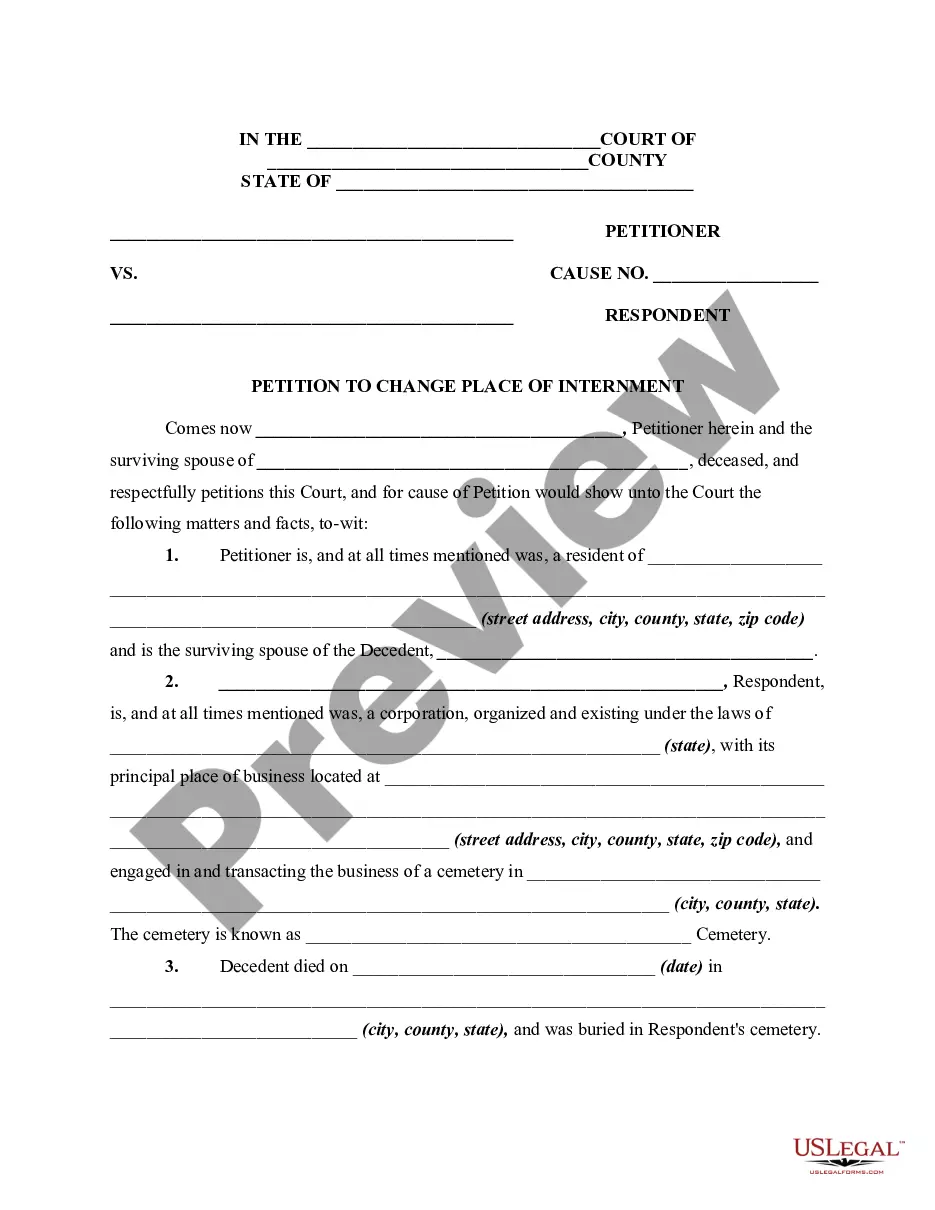
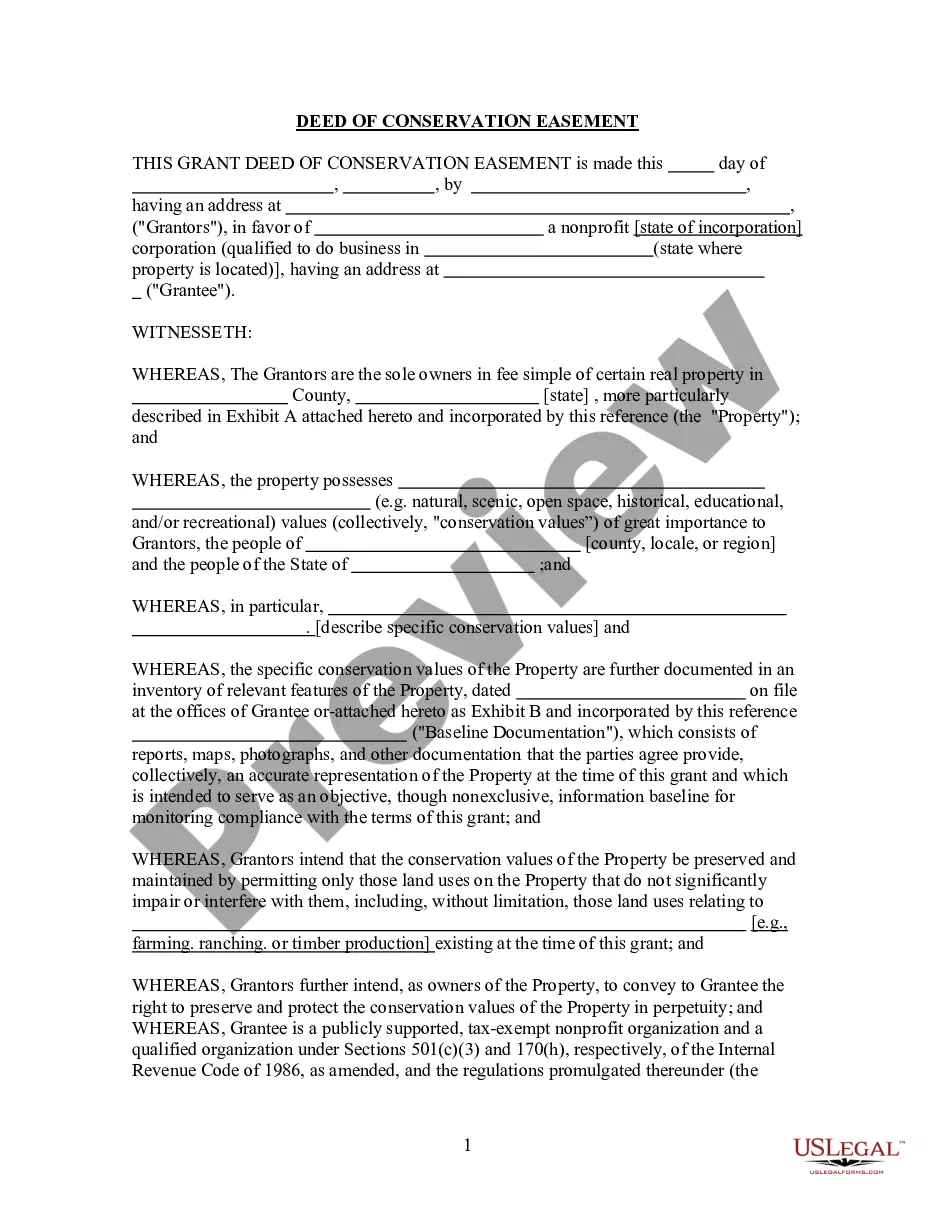
Description


Get your form ready online
Our built-in tools help you complete, sign, share, and store your documents in one place.
Make edits, fill in missing information, and update formatting in US Legal Forms—just like you would in MS Word.
Download a copy, print it, send it by email, or mail it via USPS—whatever works best for your next step.
Sign and collect signatures with our SignNow integration. Send to multiple recipients, set reminders, and more. Go Premium to unlock E-Sign.
If this form requires notarization, complete it online through a secure video call—no need to meet a notary in person or wait for an appointment.
We protect your documents and personal data by following strict security and privacy standards.

Make edits, fill in missing information, and update formatting in US Legal Forms—just like you would in MS Word.

Download a copy, print it, send it by email, or mail it via USPS—whatever works best for your next step.

Sign and collect signatures with our SignNow integration. Send to multiple recipients, set reminders, and more. Go Premium to unlock E-Sign.

If this form requires notarization, complete it online through a secure video call—no need to meet a notary in person or wait for an appointment.

We protect your documents and personal data by following strict security and privacy standards.
Looking for another form?









Form popularity
FAQ
A motion to vacate is the procedure used to remove the Speaker of the House. It's a rarely used procedural tool that allows any Member of Congress to introduce a resolution, declaring the speakership to be vacant.
A motion to vacate (and set aside) judgment essentially asks the court to erase or correct its prior decision (judgment). Under California law, when you vacate judgment, it will be officially wiped off your record.
'Vacating' or 'setting aside' is used when referring to nullifying a specific judgment from the judge (in this case, a guilty or 'no contest' judgment). On the other hand, 'dismissing' applies to the entire case. It means that the case is thrown out for reasons other than its factual merits.
In a few situations, a judge can cancel or undo an order or judgment in your family law case. This is called a set-aside.
In law, a motion to set aside judgment is an application to overturn or set aside a court's judgment, verdict or other final ruling in a case. Such a motion is proposed by a party who is dissatisfied with the result of a case.
Generally, a Motion to Set Aside a Default Judgment and Notice of Hearing must be filed within 30 days of the date the default judgment was signed by the judge. If you were served notice of the default judgment by publication, you have two years from the date of the default judgment to ask for a new trial.
When a court renders a decision of another court to be invalid, that verdict or decision is set aside; see also annul or vacate. The phrase is often used in the context of appeals, when an appellate court invalidates the judgment of a lower court. For example, in Eckenrode v.
What does Set aside mean? Cancelling a judgment or order or a step taken by a party in the proceedings. Speed up all aspects of your legal work with tools that help you to work faster and smarter.