Employment Workplace Discrimination For Mental Illness In Philadelphia
Description
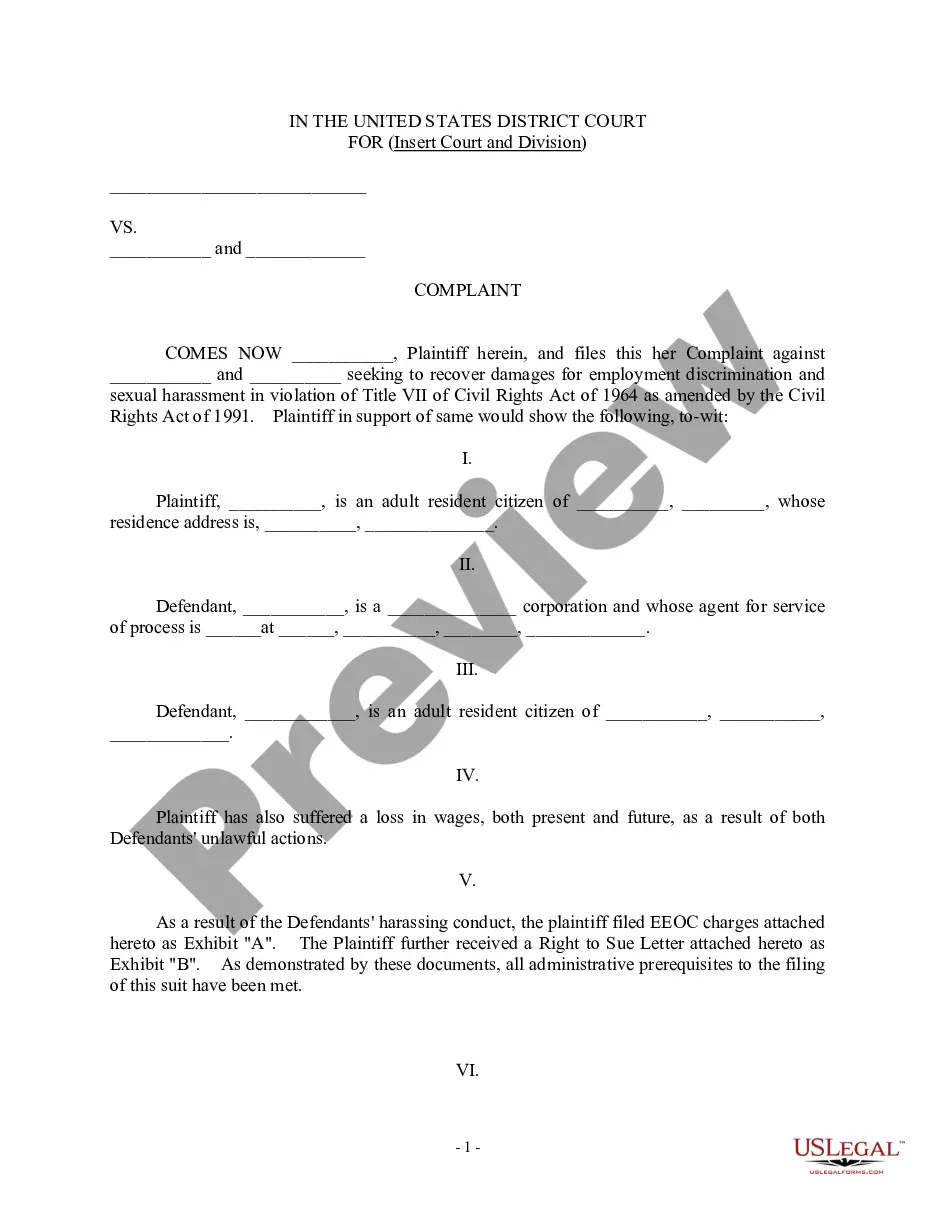
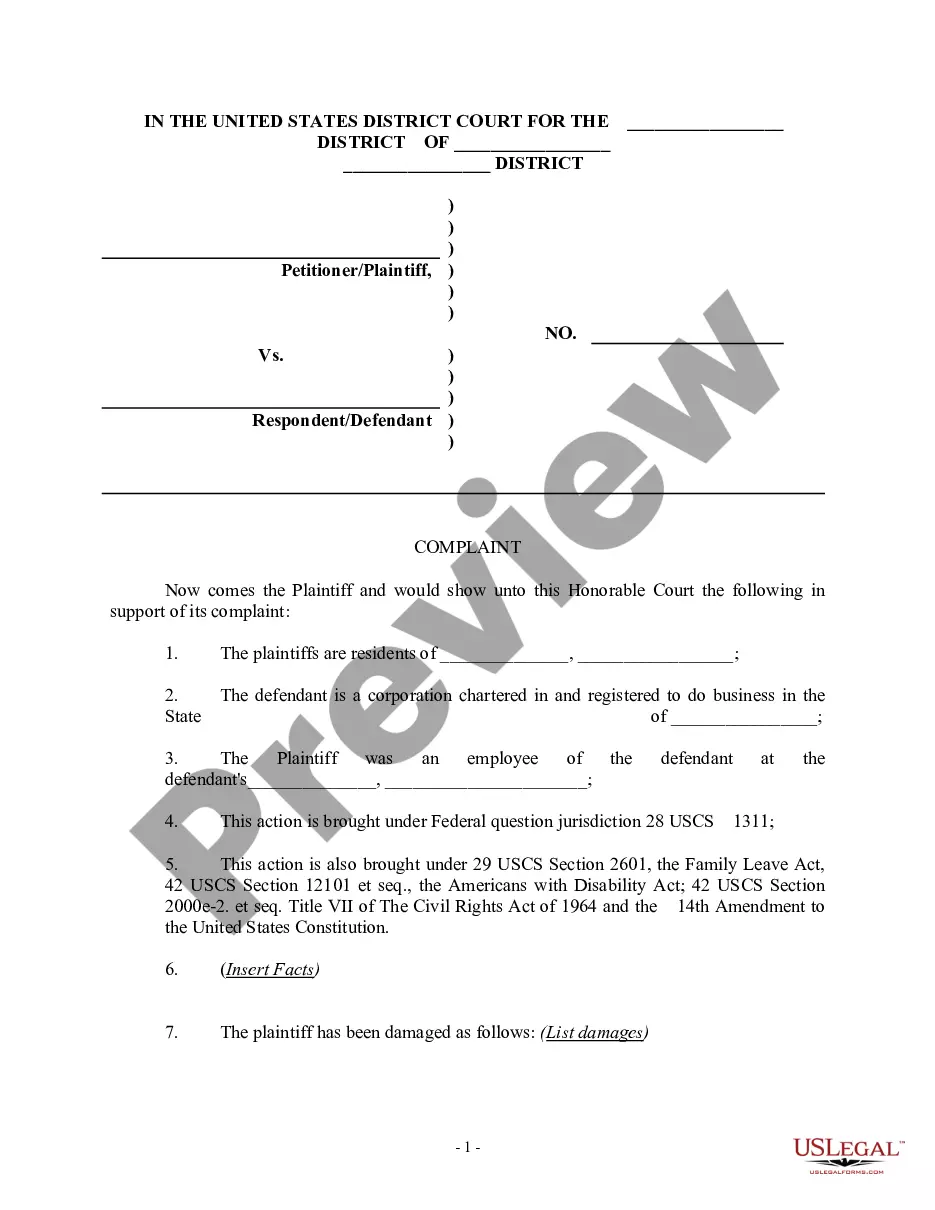
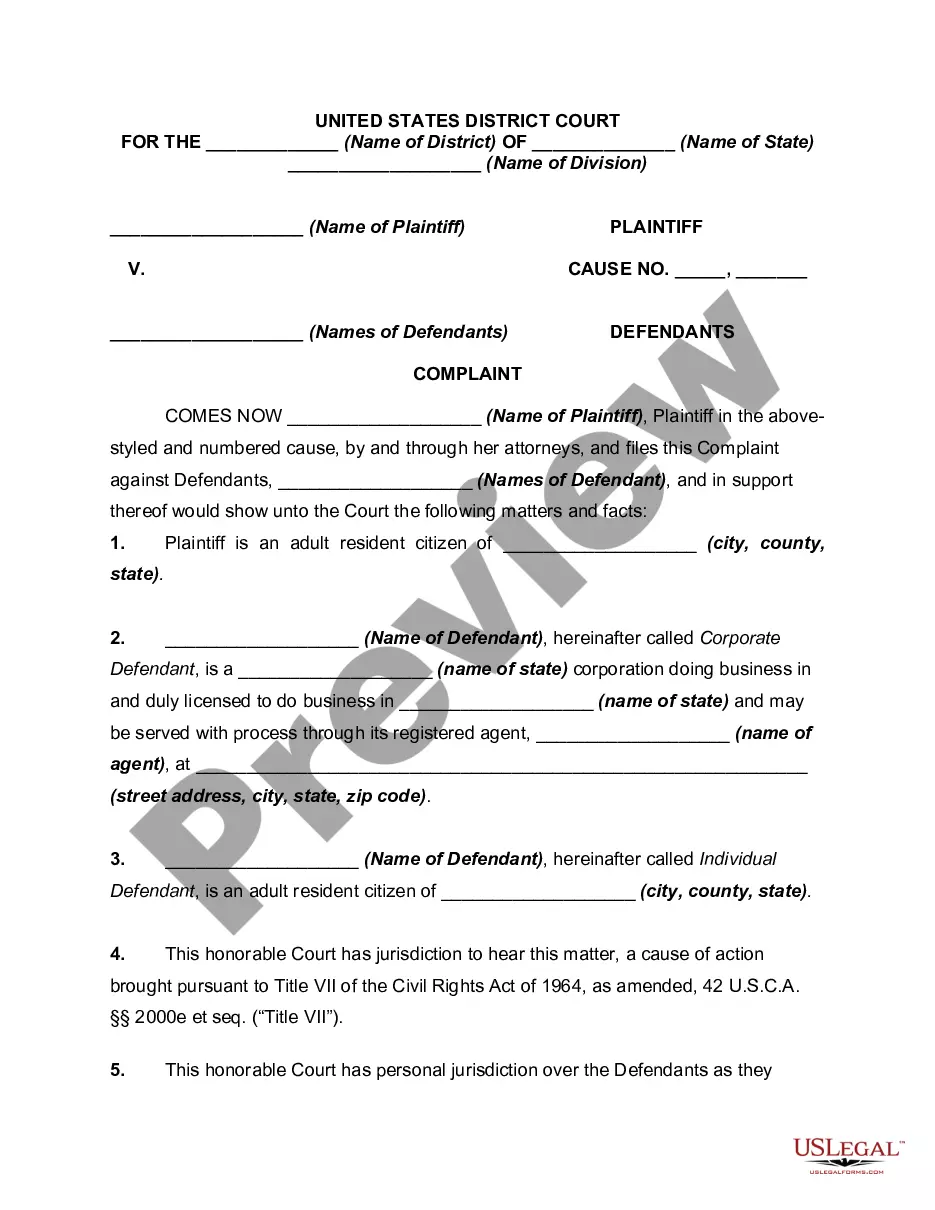
Get your form ready online
Our built-in tools help you complete, sign, share, and store your documents in one place.
Make edits, fill in missing information, and update formatting in US Legal Forms—just like you would in MS Word.
Download a copy, print it, send it by email, or mail it via USPS—whatever works best for your next step.
Sign and collect signatures with our SignNow integration. Send to multiple recipients, set reminders, and more. Go Premium to unlock E-Sign.
If this form requires notarization, complete it online through a secure video call—no need to meet a notary in person or wait for an appointment.
We protect your documents and personal data by following strict security and privacy standards.

Make edits, fill in missing information, and update formatting in US Legal Forms—just like you would in MS Word.

Download a copy, print it, send it by email, or mail it via USPS—whatever works best for your next step.

Sign and collect signatures with our SignNow integration. Send to multiple recipients, set reminders, and more. Go Premium to unlock E-Sign.

If this form requires notarization, complete it online through a secure video call—no need to meet a notary in person or wait for an appointment.

We protect your documents and personal data by following strict security and privacy standards.
Looking for another form?
Form popularity
FAQ
Mental health discrimination at work is where an individual, with a diagnosable mental health condition, is treated less favorably than other employees because of this disability. This discrimination can be either direct or indirect, intentional or unintentional.
How Does Systemic Oppression and Discrimination Impact People? A lack of availability of mental health services. Transportation issues, difficulty finding childcare/taking time off work. The belief that mental health treatment “doesn't work” The high level of mental health stigma in minority populations.
Employment Anti-Discrimination Laws Title I of the Americans with Disabilities Act (ADA) and Section 501 of the Rehabilitation Act of 1973 (Section 501) are the federal laws that protect people with disabilities, including mental health disabilities, from discrimination at work.
Medical records, along with corroborating testimony, can prove you have or had a disability. However, in cases where discrimination is based on a perceived disability, substantiating employer statements or nonverbal conduct regarding your mental or physical abilities becomes crucial.
Filing a Claim for Employment Discrimination Before you may file a lawsuit against your employer in court, you must first file a complaint of discrimination with either the EEOC or PHRC. You must file the complaint with either agency within 180 days of the adverse employment action.
If the mental anguish and health problems are from discriminatory behaviors or harassment do to, depending on the state and local government laws, as to your race, gender, age, if GLTBQ, your ethnicity or religion, you may have grounds to file a claim with the Equal Opportunity acts or a private lawsuit.
Provide your employer with a doctor's note that outlines your need for an accommodation. While this might not prevent the discrimination itself, it will put your employer on notice of your condition and help prove your case if discrimination does occur.
Filing a Claim for Employment Discrimination Before you may file a lawsuit against your employer in court, you must first file a complaint of discrimination with either the EEOC or PHRC. You must file the complaint with either agency within 180 days of the adverse employment action.
Filing a Claim for Employment Discrimination Before you may file a lawsuit against your employer in court, you must first file a complaint of discrimination with either the EEOC or PHRC. You must file the complaint with either agency within 180 days of the adverse employment action.