The 1964 Civil Rights Act (title Vii) And Its 1972 Amendment Cover In King
Description
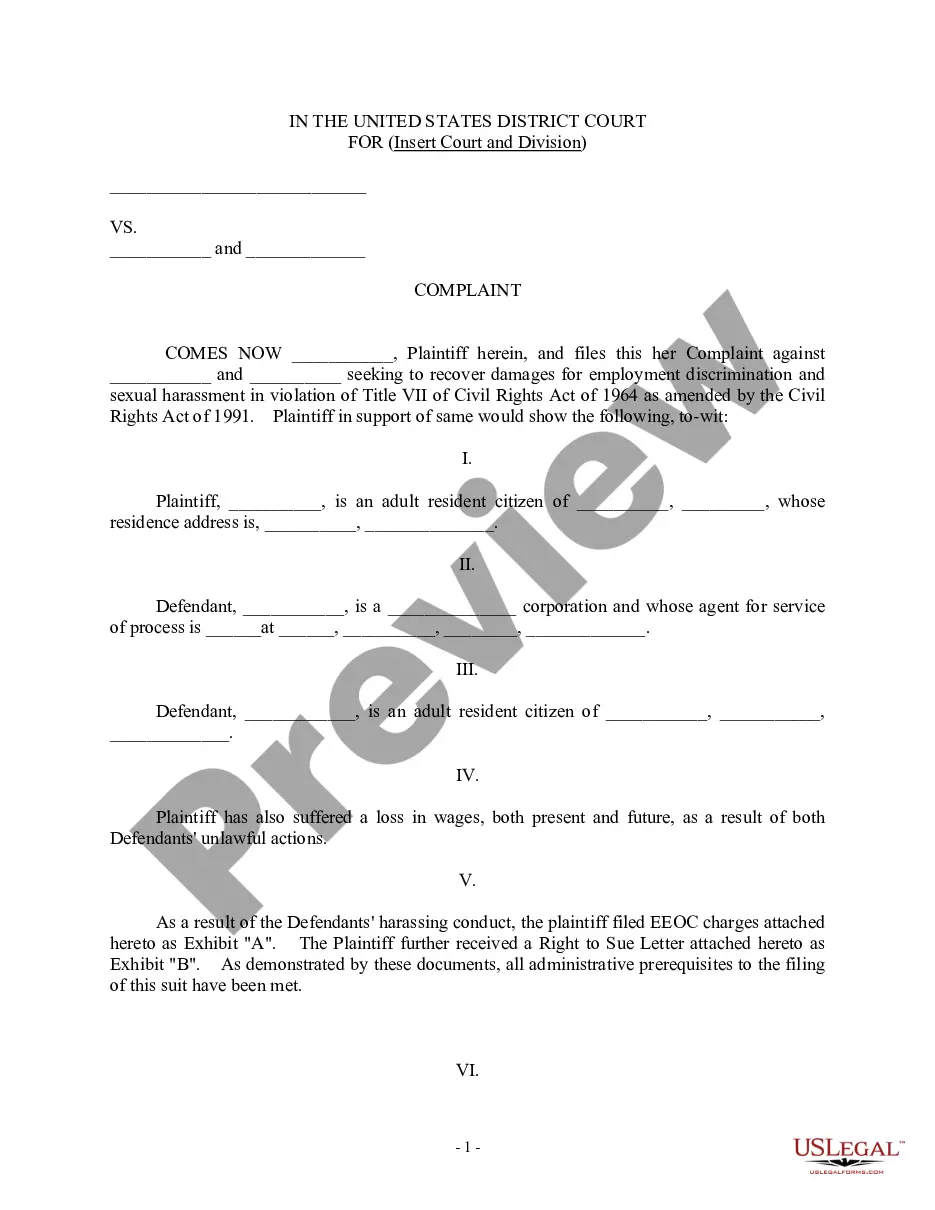
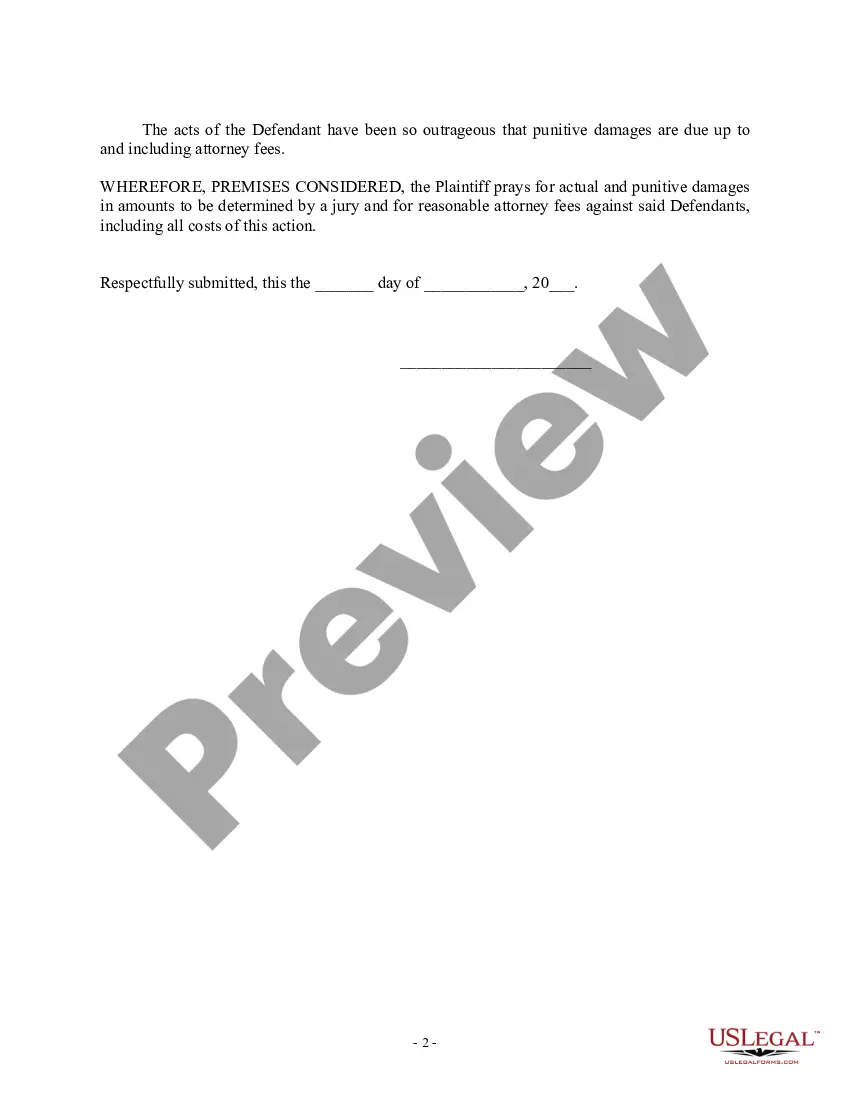
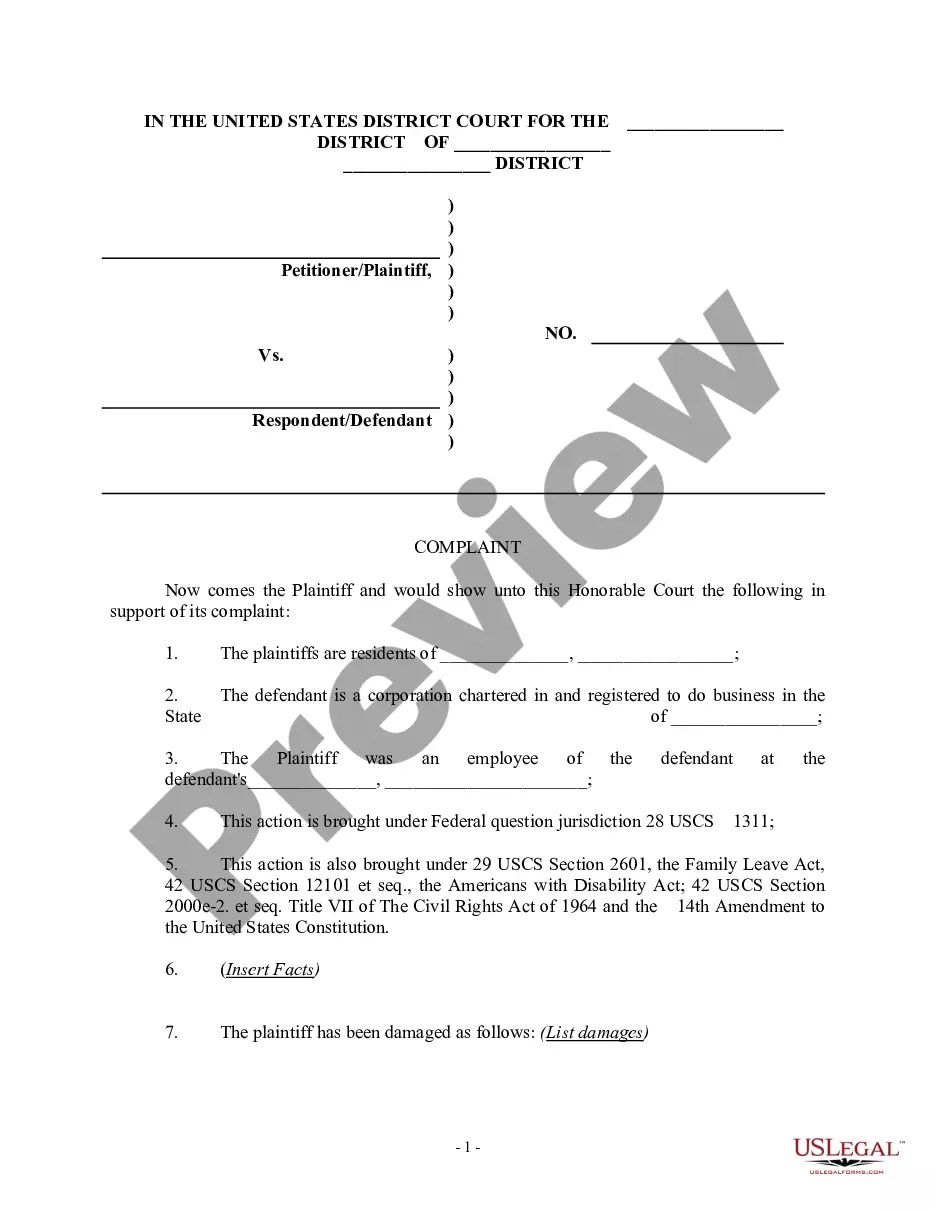
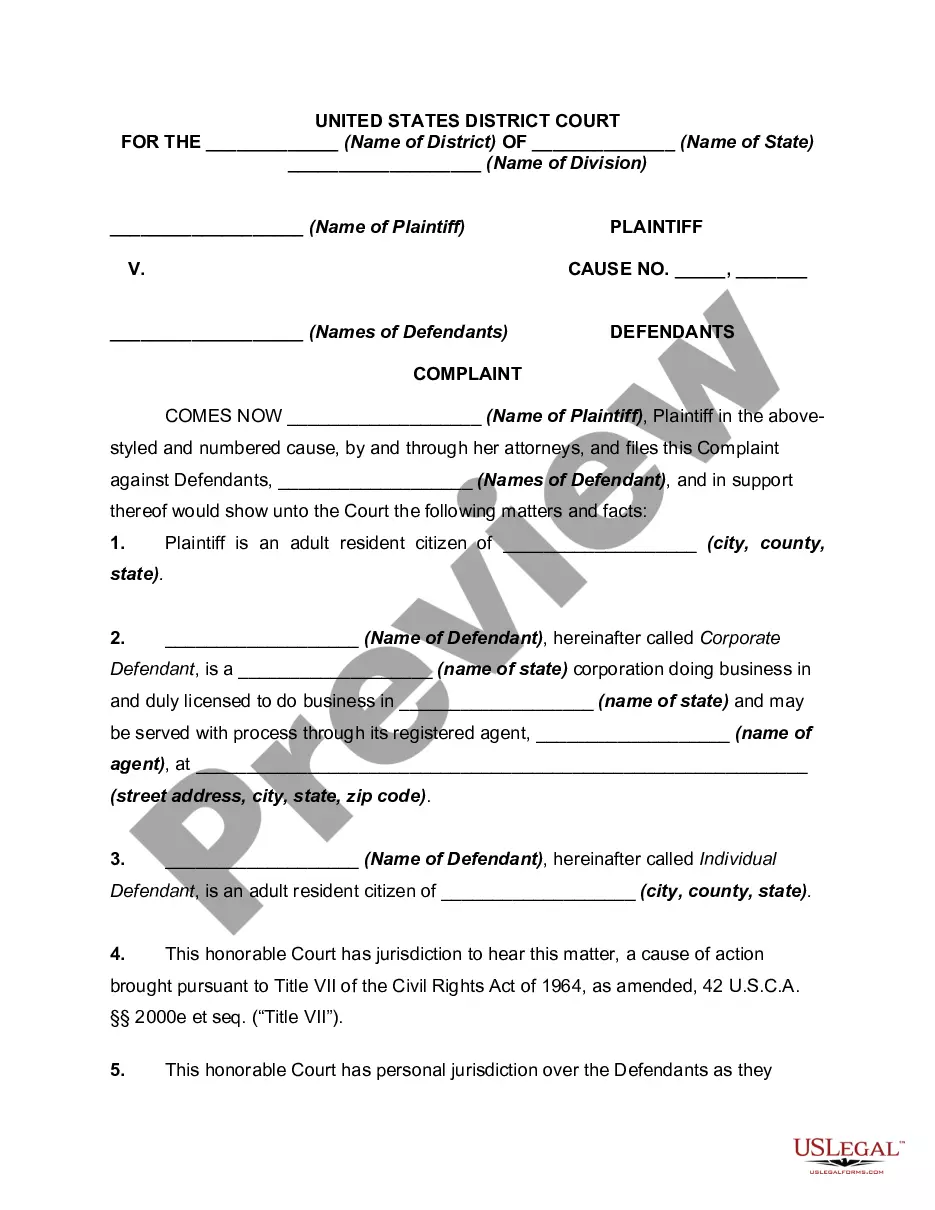
Get your form ready online
Our built-in tools help you complete, sign, share, and store your documents in one place.
Make edits, fill in missing information, and update formatting in US Legal Forms—just like you would in MS Word.
Download a copy, print it, send it by email, or mail it via USPS—whatever works best for your next step.
Sign and collect signatures with our SignNow integration. Send to multiple recipients, set reminders, and more. Go Premium to unlock E-Sign.
If this form requires notarization, complete it online through a secure video call—no need to meet a notary in person or wait for an appointment.
We protect your documents and personal data by following strict security and privacy standards.

Make edits, fill in missing information, and update formatting in US Legal Forms—just like you would in MS Word.

Download a copy, print it, send it by email, or mail it via USPS—whatever works best for your next step.

Sign and collect signatures with our SignNow integration. Send to multiple recipients, set reminders, and more. Go Premium to unlock E-Sign.

If this form requires notarization, complete it online through a secure video call—no need to meet a notary in person or wait for an appointment.

We protect your documents and personal data by following strict security and privacy standards.
Looking for another form?
Form popularity
FAQ
It prohibited discrimination on the basis of race, religion and national origin. However, the Civil Rights Act of 1964 did not protect people with disabilities.
The Americans with Disabilities Act of 1990 was enacted as part of the landmark Civil Rights Act of 1964 and is a civil rights law that prohibits discrimination based on disability. It affords similar protections against discrimination to Americans with disabilities as did the Civil Rights Act of 1964.
Title VII applies to private-sector employers with 15 or more employees, to state and local government employers with 15 or more employees, and to the federal government as an employer. Title VII also applies to unions and employment agencies. Title VII does not apply to Tribal nations.
Examples of Title VII violations include: Making sexist comments that a woman belongs in the kitchen as opposed to an office. Denying a job offer to an African American job applicant who is as qualified as the Caucasian applicant you hired. Refusing to allow Muslims prayer time throughout the day.
This subchapter shall not apply to an employer with respect to the employment of aliens outside any State, or to a religious corporation, association, educational institution, or society with respect to the employment of individuals of a particular religion to perform work connected with the carrying on by such ...
Title VII was passed to ensure you would be considered for jobs not on the basis of the color of their skin, religion, gender or their national origin. Rather, you should be selected on the basis of the abilities necessary to perform a job.
Title VI of the Civil Rights Act of 1964 prohibits discrimination on the basis of race, color, or national origin in programs and activities of any entity that receive federal assistance.
Beyond being a law against discrimination, Title VII serves as a vital instrument for fostering diversity and inclusion. By establishing legal guidelines for employers' treatment of their workers, this legislation encourages organizations to adopt inclusive practices and develop diverse workforces.
§ 1606.7(a) provides that a rule requiring employees to speak only English at all times in the workplace is a burdensome term and condition of employment. Such a rule is presumed to violate Title VII of the Civil Rights Act of 1964.