Employment Workplace Discrimination With Criminal Records In Dallas
Description
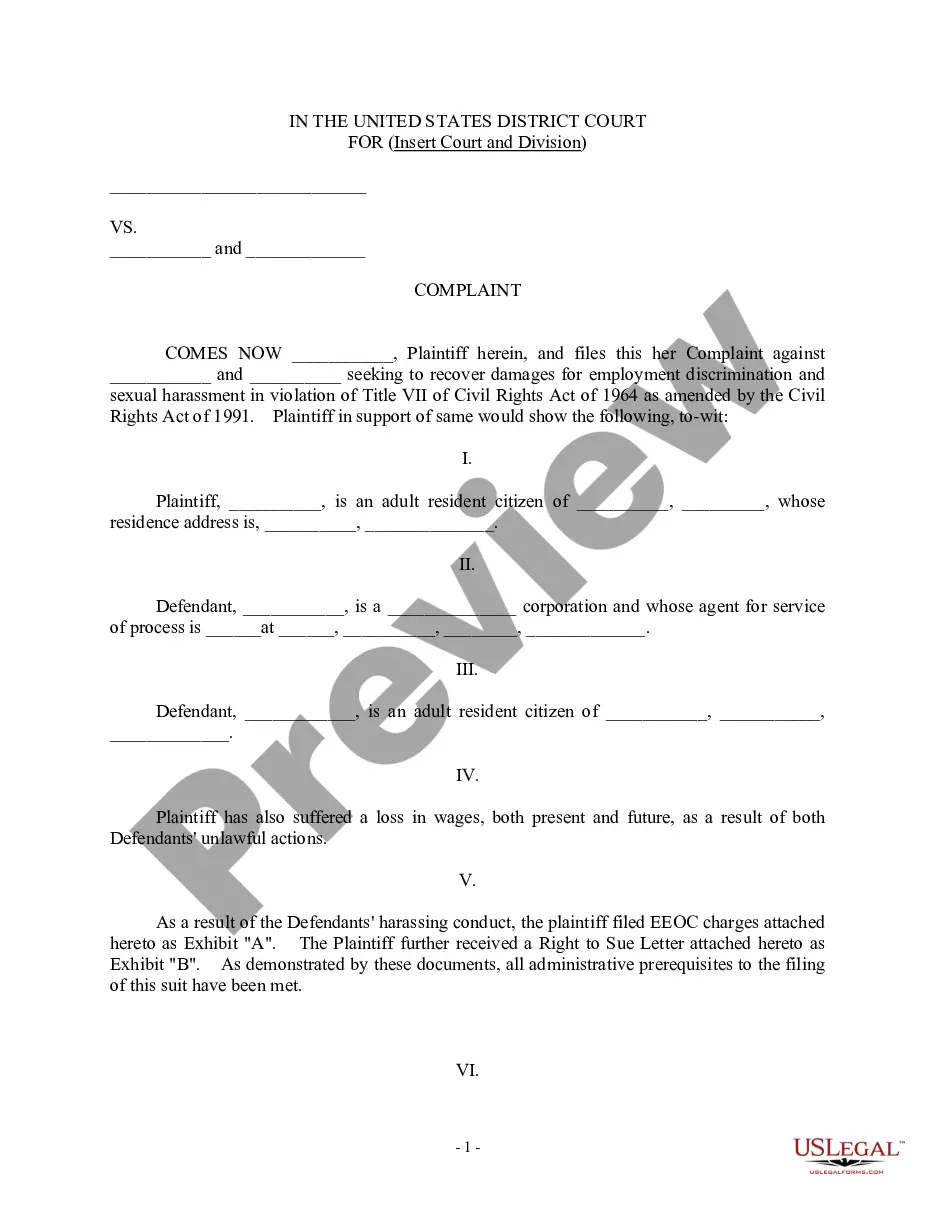
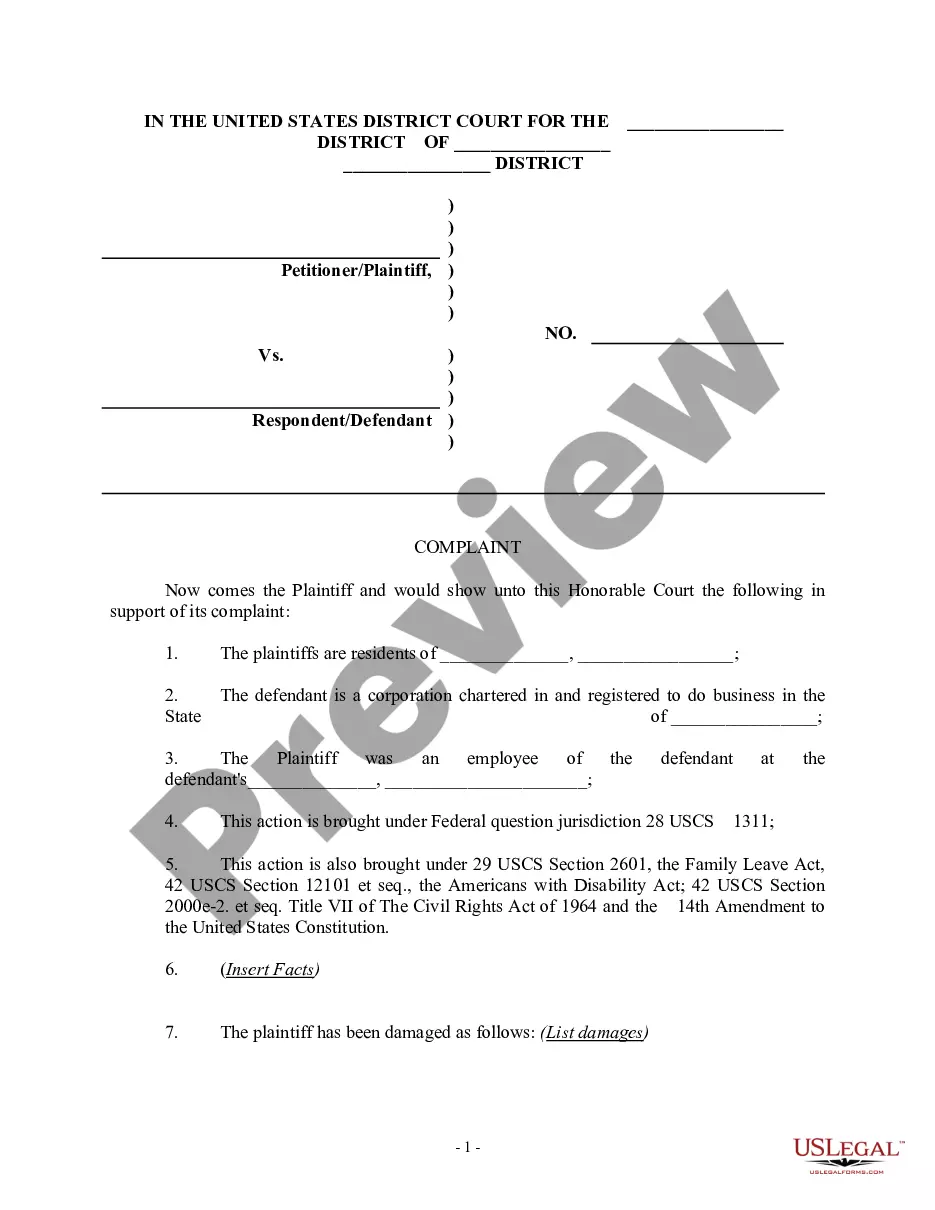
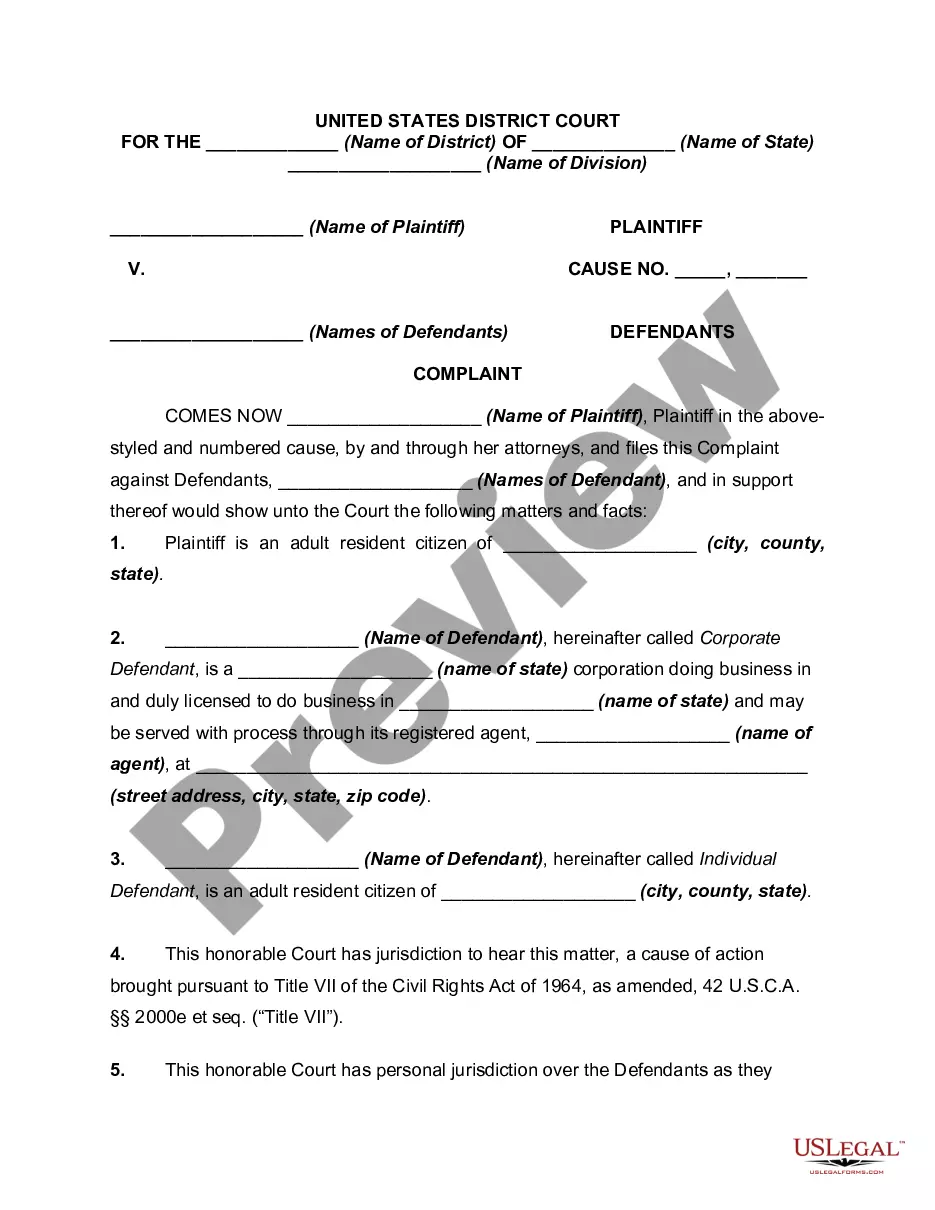
Get your form ready online
Our built-in tools help you complete, sign, share, and store your documents in one place.
Make edits, fill in missing information, and update formatting in US Legal Forms—just like you would in MS Word.
Download a copy, print it, send it by email, or mail it via USPS—whatever works best for your next step.
Sign and collect signatures with our SignNow integration. Send to multiple recipients, set reminders, and more. Go Premium to unlock E-Sign.
If this form requires notarization, complete it online through a secure video call—no need to meet a notary in person or wait for an appointment.
We protect your documents and personal data by following strict security and privacy standards.

Make edits, fill in missing information, and update formatting in US Legal Forms—just like you would in MS Word.

Download a copy, print it, send it by email, or mail it via USPS—whatever works best for your next step.

Sign and collect signatures with our SignNow integration. Send to multiple recipients, set reminders, and more. Go Premium to unlock E-Sign.

If this form requires notarization, complete it online through a secure video call—no need to meet a notary in person or wait for an appointment.

We protect your documents and personal data by following strict security and privacy standards.
Looking for another form?


Form popularity
FAQ
The Seven-Year Rule for Criminal Background Checks in Texas ing to 15 U.S. Code § 1681c, when you have a criminal arrest on your record, reporting agencies are prohibited from including it on the report if the arrest was more than seven years old. This does not apply to convictions.
An employer must demonstrate that the exclusion is war- ranted because the conviction is “job related for the position for which they have applied” and that their exclusion based upon their criminal record would be “consistent with business necessity.”
Direct evidence of discrimination is usually found where an employer admits to the employee or someone else, verbally or in writing, that their intent or motive is to take an Adverse Employment Action (described above) against an employee because the employee is a member of a Protected Class.
What to Ask for in a Workplace Discrimination Settlement Punitive Damages. If an employer deliberately and maliciously discriminates, you may be able to seek punitive damages on top of other compensation. Economic Damages. Non-Economic Compensatory Damages. Attorney's Fees.
EEOC lawsuit settlement amounts in Texas The average employment discrimination lawsuit settlement in Texas ranges between $35-40,000.
If a criminal background check is conducted but doesn't relate to the nature of the job, the applicant might make a legal claim for discrimination or argue that the information obtained cannot be used when making hiring decisions.
Texas law provides some protections to job applicants by prohibiting reports conducted by consumer reporting agencies to include criminal history information older than 7 years in their reports. The federal Fair Credit Reporting Act provides similar protections. However, there are some exceptions to this “7-year” rule.
Evidence takes several forms. It includes your testimony, which is the very first evidence gathered by EEOC. It also includes written materials such as evaluations, notes by your employer, letters, memos, and the like. You will be asked to provide any documents you may have that relate to your case.
Some states, however, follow the seven-year rule. For example, Texas does not allow reporting of criminal convictions more than seven years after disposition, release or parole. In Texas, the seven-year restriction does not apply to applicants to jobs with an annual salary of $75,000 or more. Permission – Important!