Employment Workplace Discrimination For Disability Cases In California
Description




Get your form ready online
Our built-in tools help you complete, sign, share, and store your documents in one place.
Make edits, fill in missing information, and update formatting in US Legal Forms—just like you would in MS Word.
Download a copy, print it, send it by email, or mail it via USPS—whatever works best for your next step.
Sign and collect signatures with our SignNow integration. Send to multiple recipients, set reminders, and more. Go Premium to unlock E-Sign.
If this form requires notarization, complete it online through a secure video call—no need to meet a notary in person or wait for an appointment.
We protect your documents and personal data by following strict security and privacy standards.

Make edits, fill in missing information, and update formatting in US Legal Forms—just like you would in MS Word.

Download a copy, print it, send it by email, or mail it via USPS—whatever works best for your next step.

Sign and collect signatures with our SignNow integration. Send to multiple recipients, set reminders, and more. Go Premium to unlock E-Sign.

If this form requires notarization, complete it online through a secure video call—no need to meet a notary in person or wait for an appointment.

We protect your documents and personal data by following strict security and privacy standards.
Looking for another form?
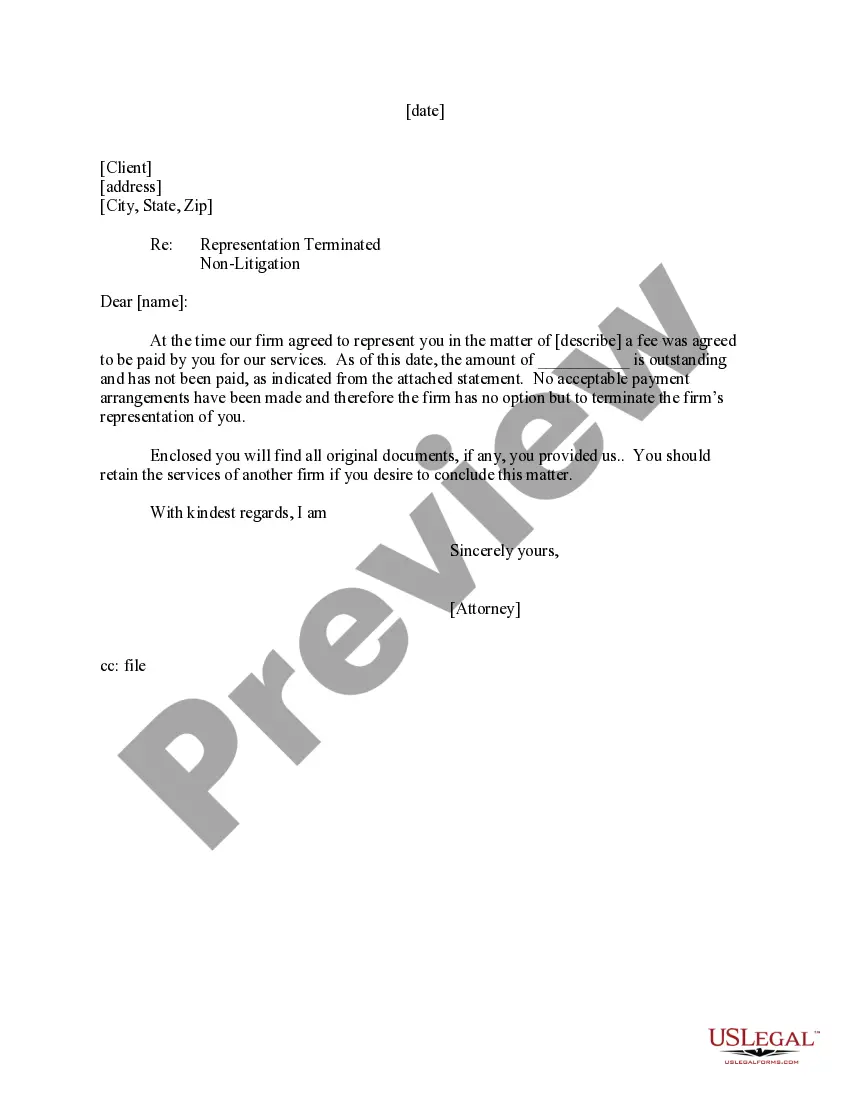
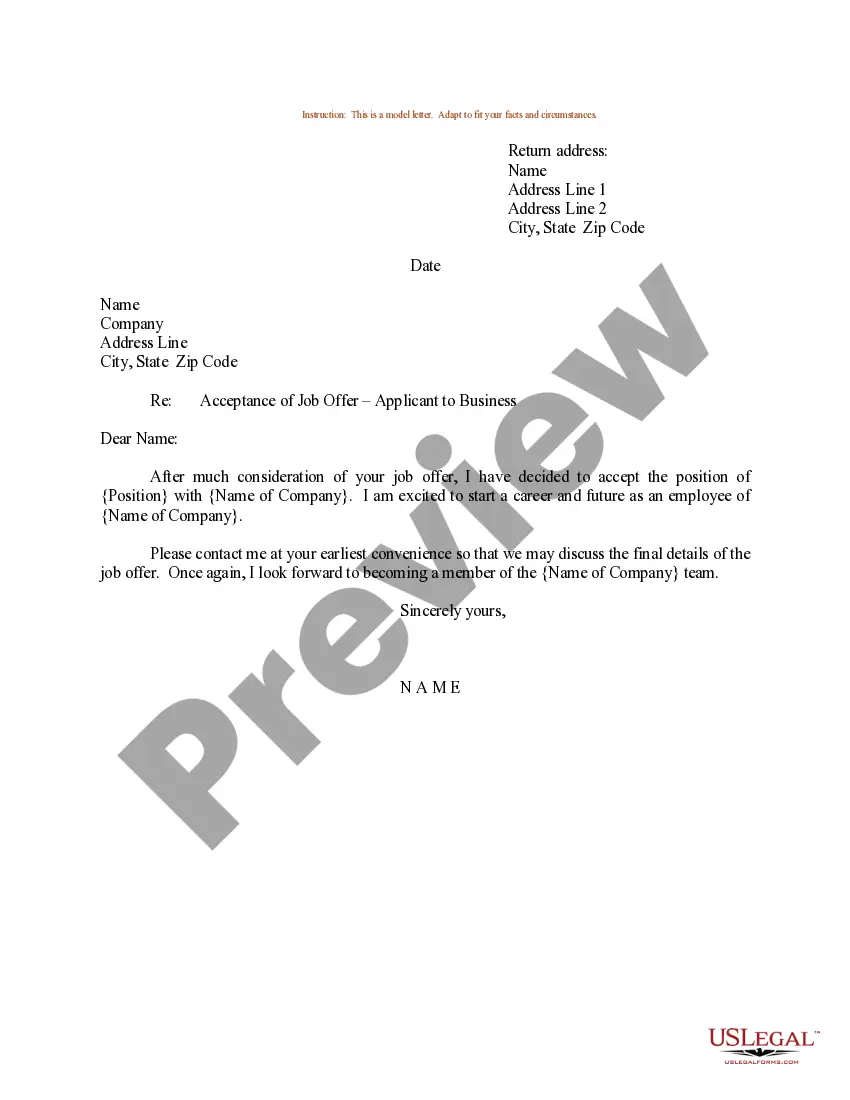

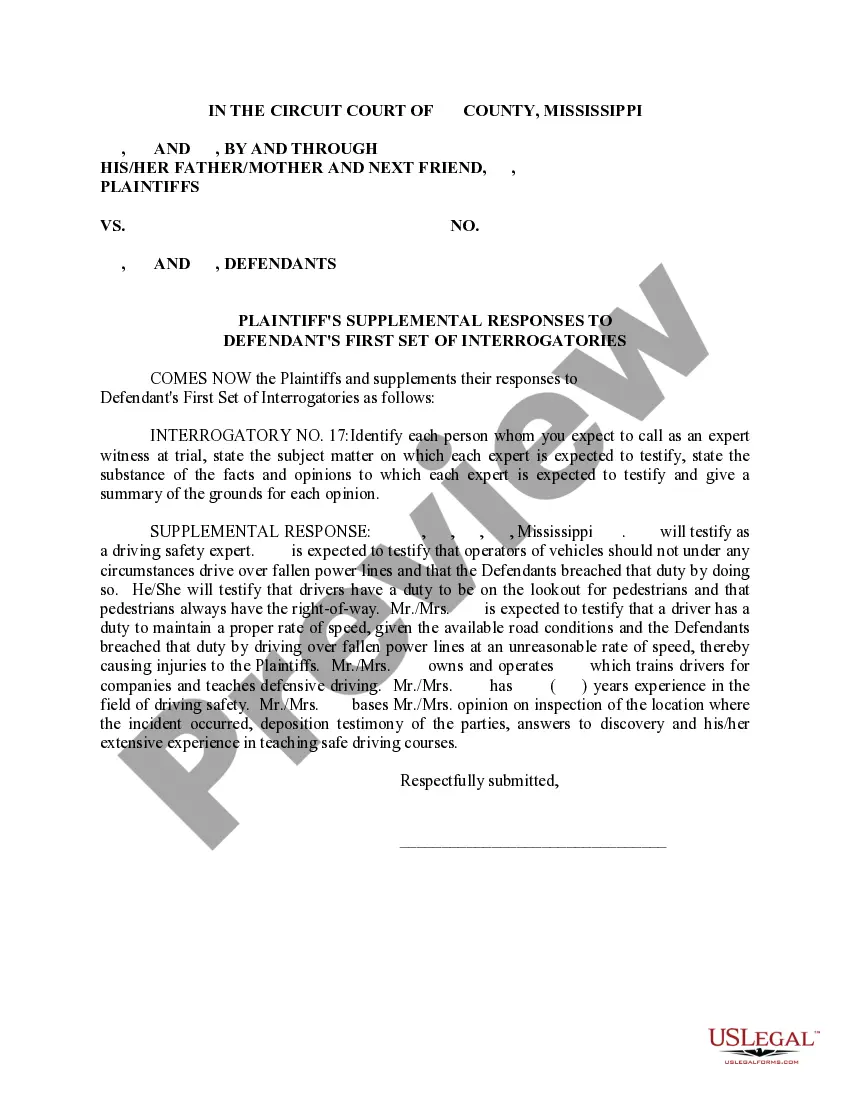

Form popularity
FAQ
Generally, if you choose to disclose, it is most helpful to share the following: General information about your disability; Why you are disclosing your disability; How your disability affects your ability to perform key job tasks; Types of accommodations that have worked for you in the past; and.
You should call the EEOC at 1-800-669-4000 if you think the law may have been violated. A person with a disability must be able to perform the job he or she is applying for or currently holds, with or without reasonable accommodation.
Medical Condition Discrimination and Harassment Under FEHA, California employers that have at least five employees are not allowed to discriminate against an employee based on his or her medical condition, among other protected characteristics. FEHA is enforced by the Department of Fair Employment and Housing (DFEH).
Disability discrimination occurs when an employer or other entity covered by Title I of the Americans with Disabilities Act (ADA) (which protects private and state and local employees) or the Rehabilitation Act (which protects federal employees) treats a qualified employee or applicant unfavorably because of disability ...
Disability discrimination occurs when an employer or other entity covered by Title I of the Americans with Disabilities Act (ADA) (which protects private and state and local employees) or the Rehabilitation Act (which protects federal employees) treats a qualified employee or applicant unfavorably because of disability ...
Under the ADA, it is illegal to discriminate against someone because of their disability. For example, a fitness center could not exclude a person who uses a wheelchair from a workout class because they cannot do all of the exercises in the same way.
Disability discrimination at work your employer not providing reasonable adjustments that would help you to do your job. an employer withdrawing a job offer when they learn of your condition. your employer firing you due to disability-related absences. workplace bullying because you are disabled.
You can do that by filing a complaint with the Equal Employment Opportunity Commission (EEOC) – a federal organization – or the Department of Fair Employment and Housing – a California organization. Both of these agencies are designed to make the workplace comfortable for all employees.
Persons with disabilities have the same rights as all people to non-discrimination, access, equality of opportunity, inclusion and full participation in society. These are the basic principles underlying the Americans with Disabilities Act and the Convention on the Rights of Persons with Disabilities.
Medical records, along with corroborating testimony, can prove you have or had a disability. However, in cases where discrimination is based on a perceived disability, substantiating employer statements or nonverbal conduct regarding your mental or physical abilities becomes crucial.