Lawyer With Client In Washington
Description

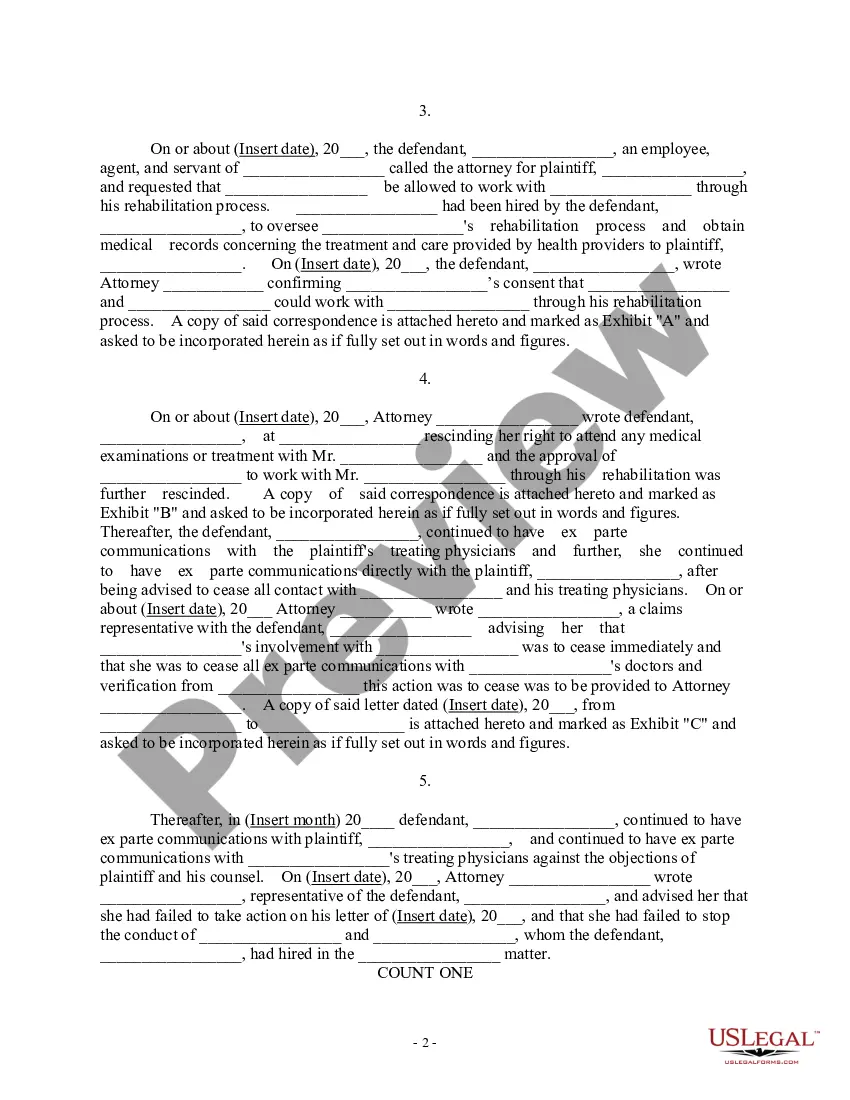
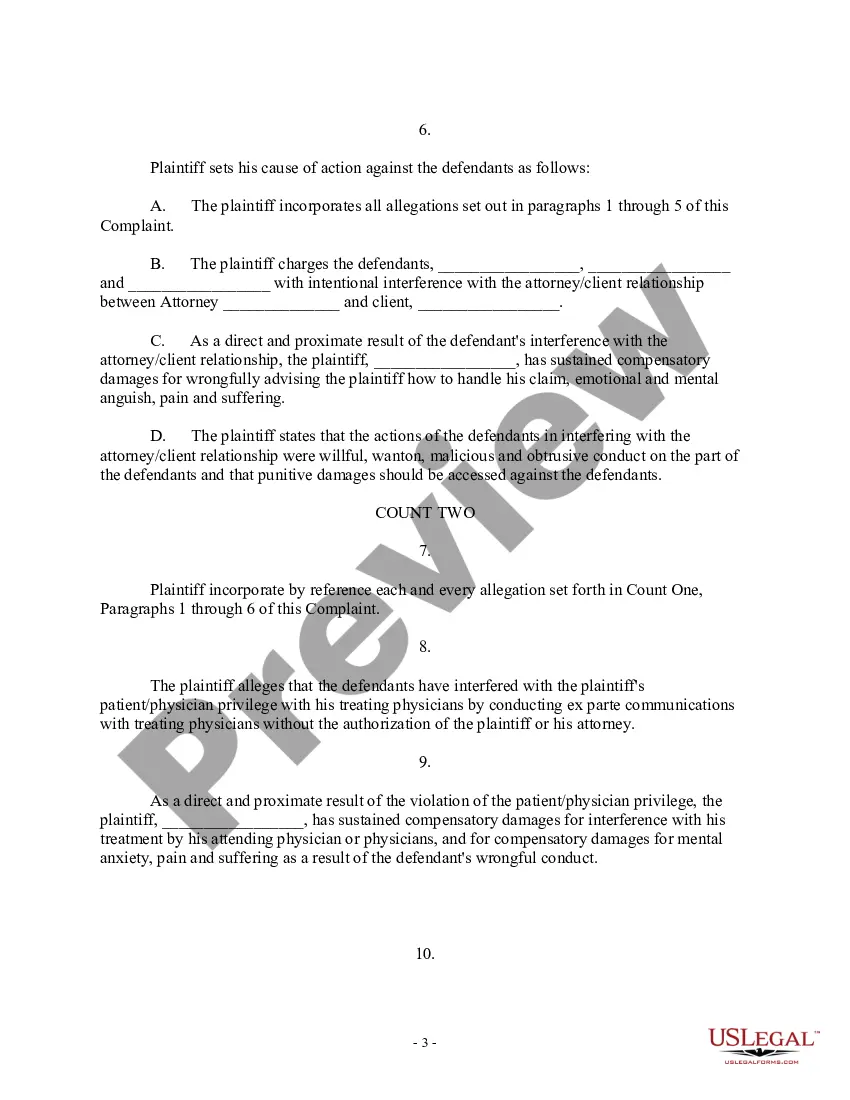
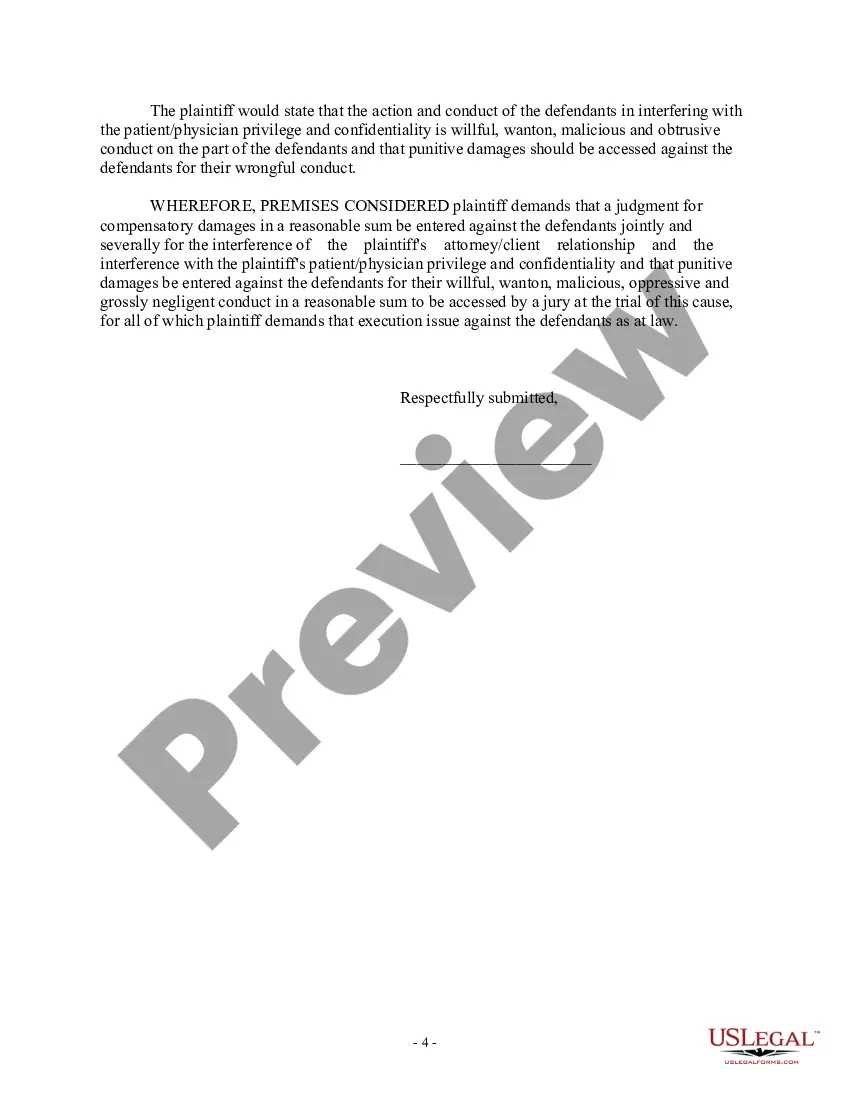

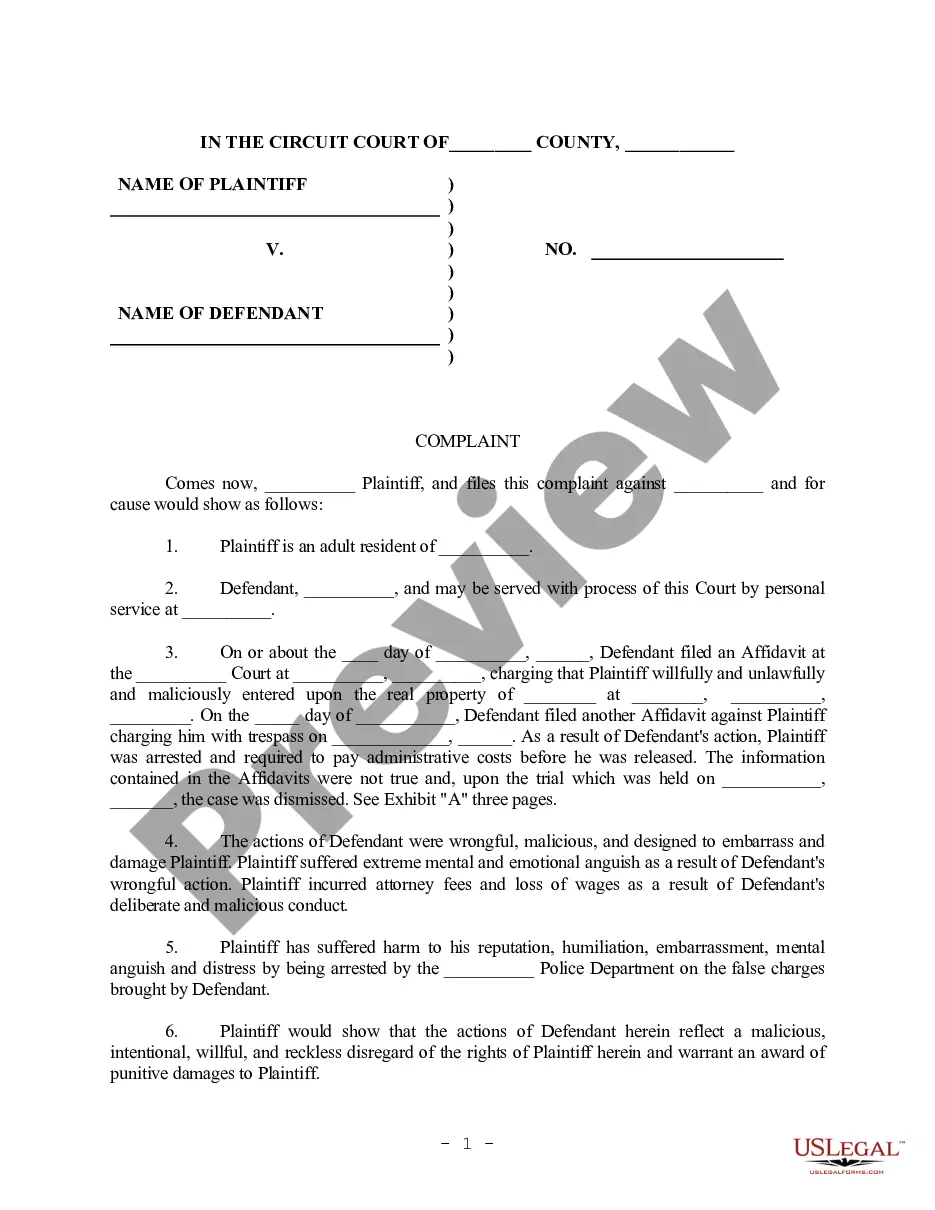
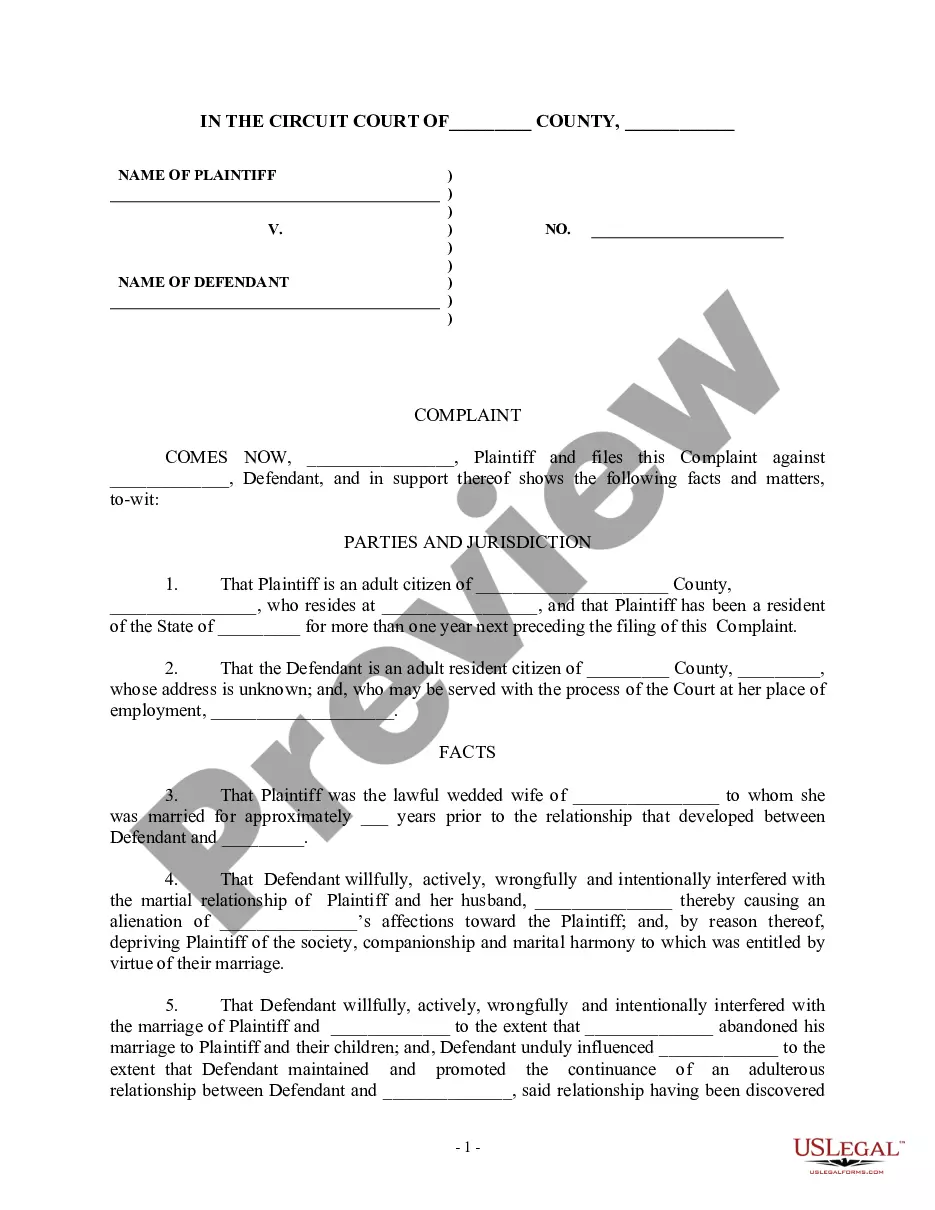

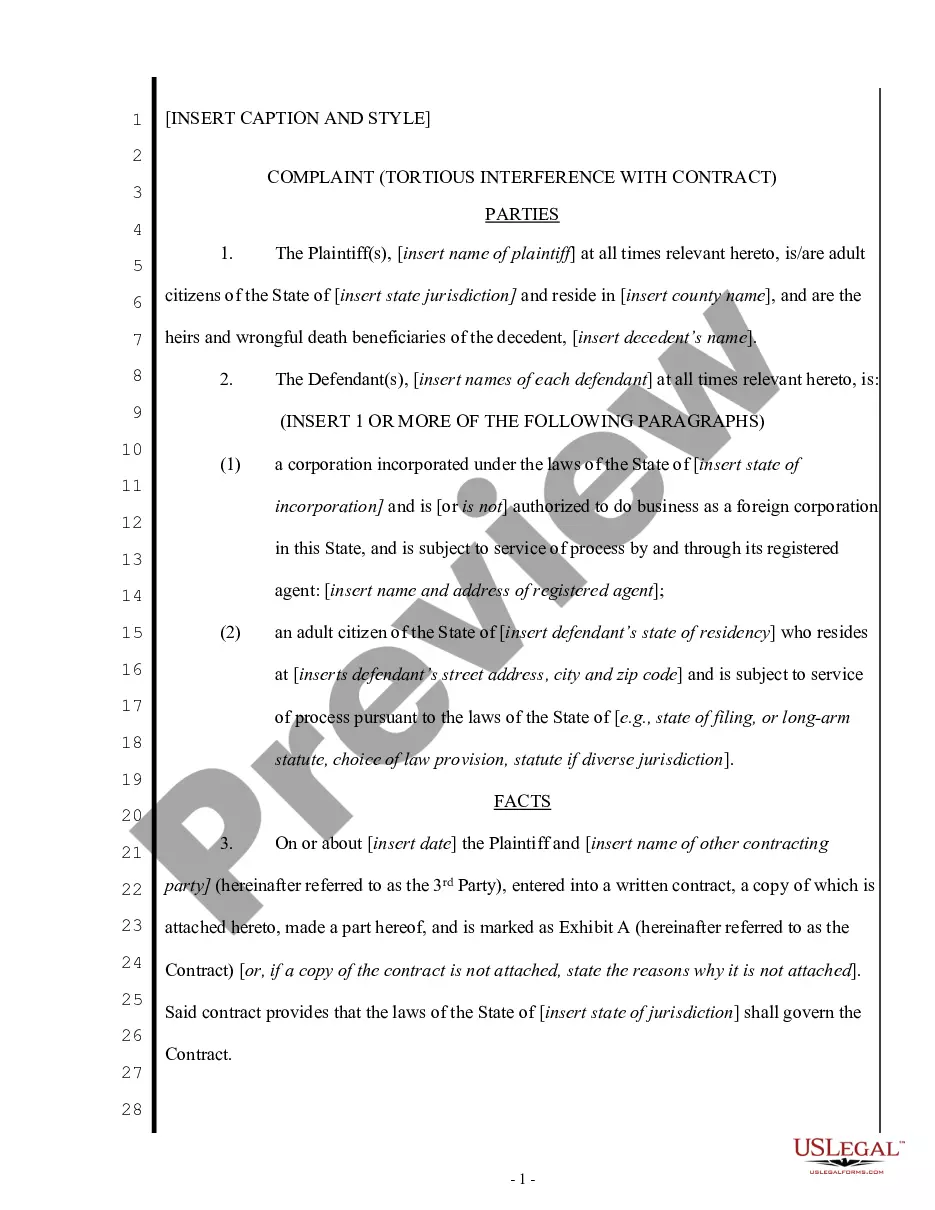
Get your form ready online
Our built-in tools help you complete, sign, share, and store your documents in one place.
Make edits, fill in missing information, and update formatting in US Legal Forms—just like you would in MS Word.
Download a copy, print it, send it by email, or mail it via USPS—whatever works best for your next step.
Sign and collect signatures with our SignNow integration. Send to multiple recipients, set reminders, and more. Go Premium to unlock E-Sign.
If this form requires notarization, complete it online through a secure video call—no need to meet a notary in person or wait for an appointment.
We protect your documents and personal data by following strict security and privacy standards.

Make edits, fill in missing information, and update formatting in US Legal Forms—just like you would in MS Word.

Download a copy, print it, send it by email, or mail it via USPS—whatever works best for your next step.

Sign and collect signatures with our SignNow integration. Send to multiple recipients, set reminders, and more. Go Premium to unlock E-Sign.

If this form requires notarization, complete it online through a secure video call—no need to meet a notary in person or wait for an appointment.

We protect your documents and personal data by following strict security and privacy standards.
Looking for another form?





Form popularity
FAQ
In the overcrowded conditions of most courthouses, attorneys can be seen meeting with their clients in public-waiting areas, the cafeteria, the law library, in the back of courtrooms, in telephone booths, or any place that is available.
This contract is essential to ensure a clear and fair professional relationship between both parties. Its main purpose is to define the services that the lawyer will provide, as well as the client's rights and responsibilities.
In most jurisdictions, ethical rules explicitly prohibit lawyers from engaging in sexual relationships with clients. This prohibition is based on several key reasons: Conflict of Interest: A romantic or sexual relationship can create a significant conflict of interest.
Rather than thinking, “How do lawyers get clients,” instead, ask, “How do clients find their lawyers?” Though referrals and word of mouth are two major sources for getting new clients, many people will conduct their own searches before (or instead of) asking someone else.
This is consistent with a California Rule of Professional Conduct which requires an attorney to maintain all records of client funds and other properties that the client provided to the attorney for at least five years.
Neither the WSBA nor the Rules of Professional Conduct require a lawyer to retain an entire client file for a specific period of time. However, RPC 1.15B requires that trust account records and related documents be retained for seven (7) years.
The law requires businesses to keep complete and adequate records for a period of at least five years. In general, records should be kept that provide: The amount of gross receipts and sales from all sources, including barter or exchange transactions.
Some attorneys and law practices are willing to file lawsuits to recover unpaid attorney fees and unreimbursed out-of-pocket expenses. Others, however, may have adopted a “never sue a client” policy.
For how long must records be kept Broadly, records of a particular transaction, either as an occasional transaction or within a business relationship, must be kept for five years after the date the transaction is completed.