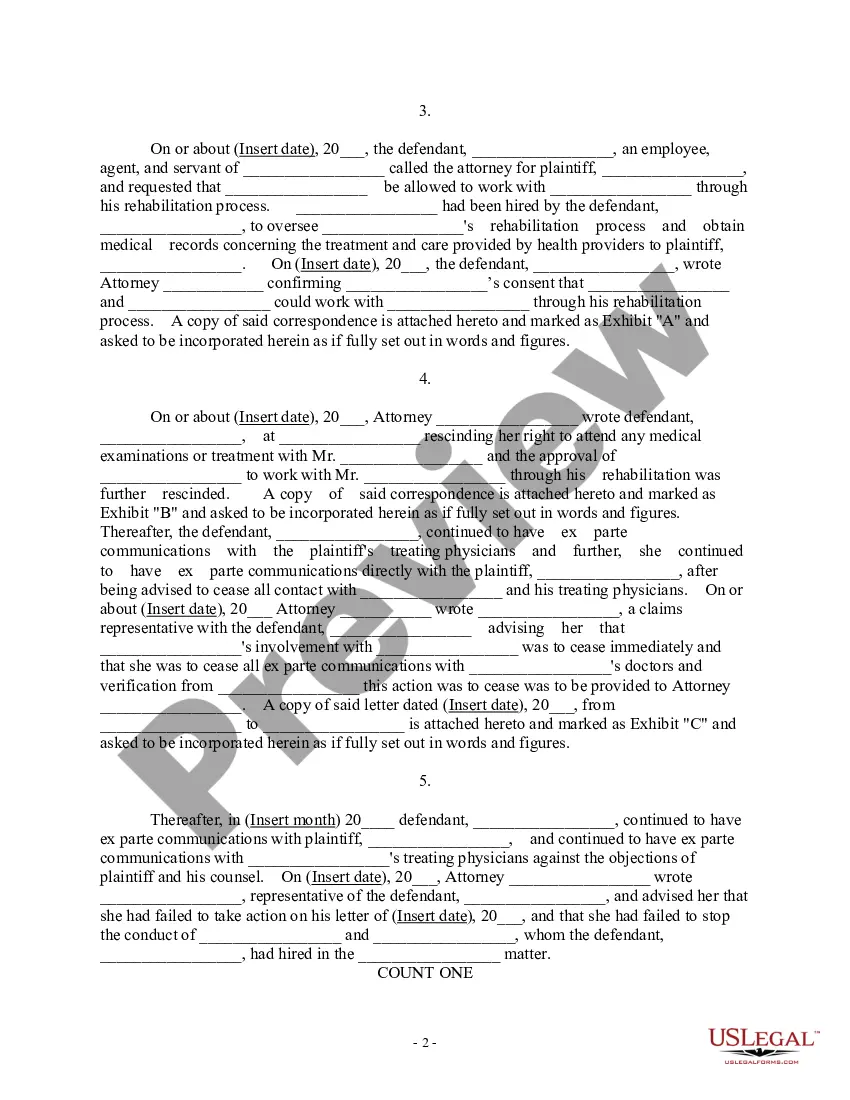
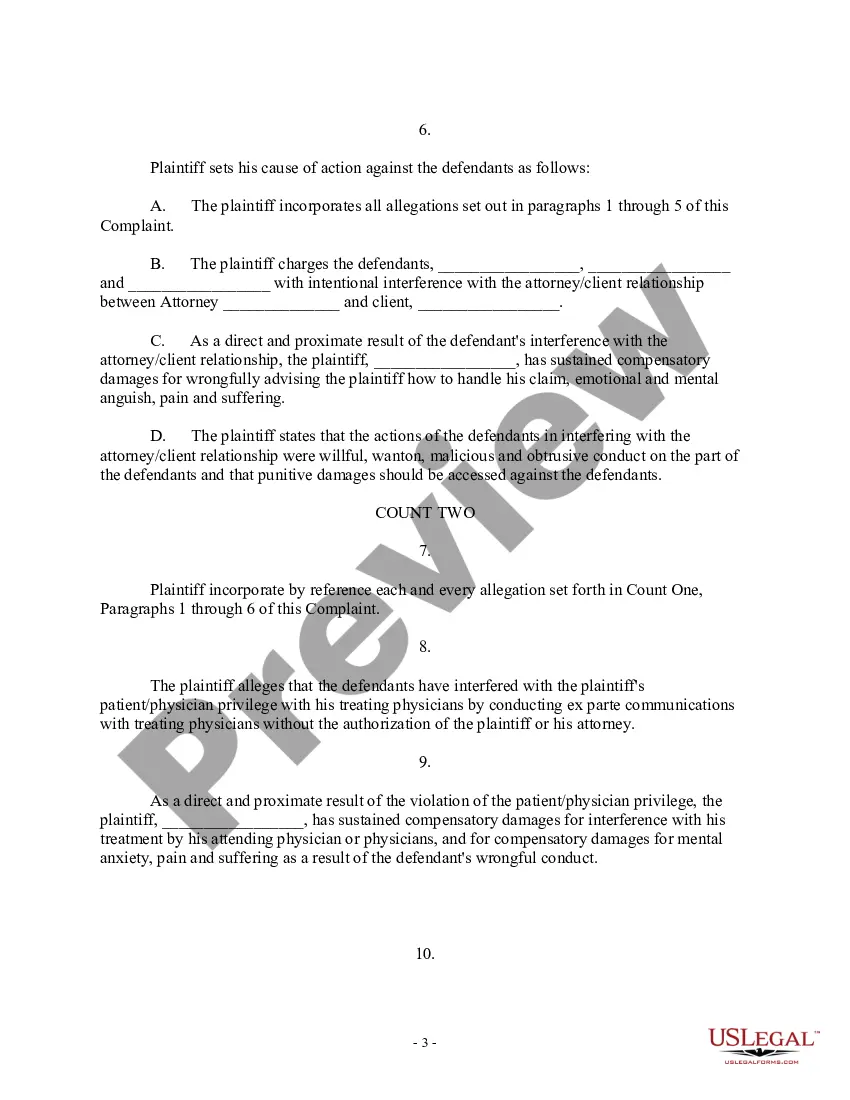
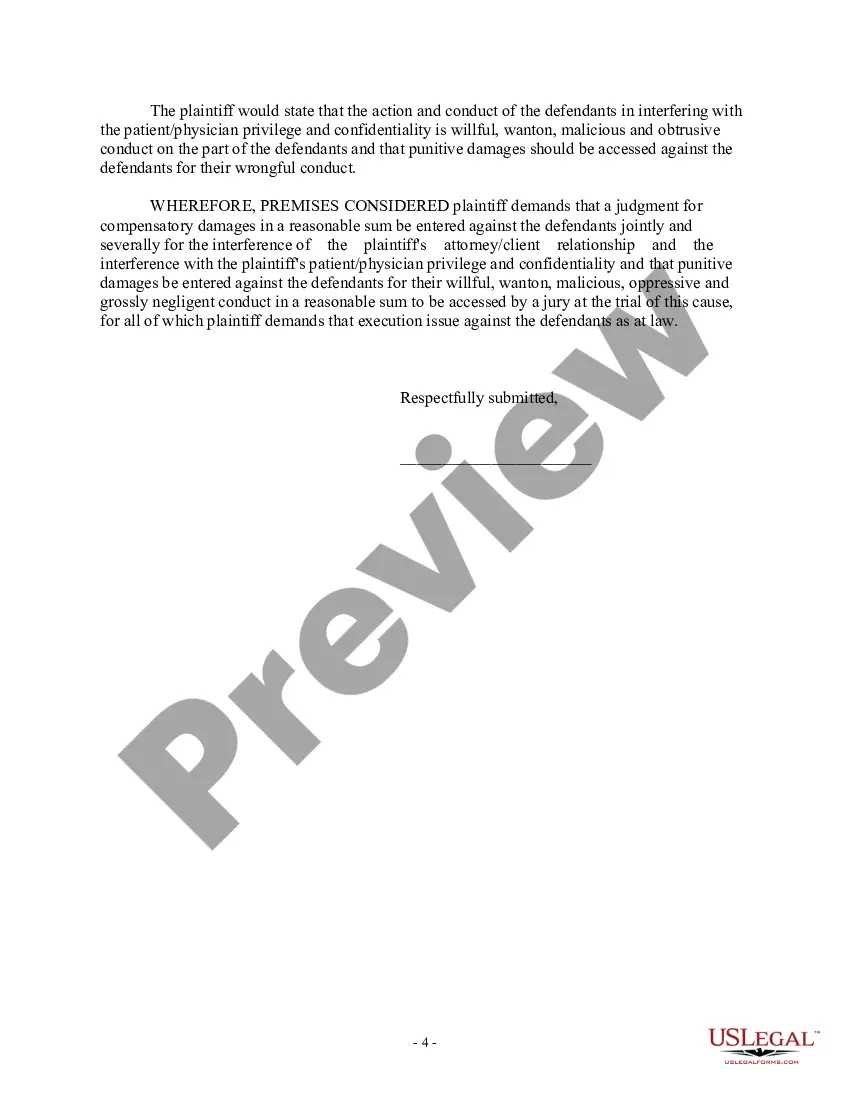
Lawyer-client Relationship In India In Virginia
Description






Get your form ready online
Our built-in tools help you complete, sign, share, and store your documents in one place.
Make edits, fill in missing information, and update formatting in US Legal Forms—just like you would in MS Word.
Download a copy, print it, send it by email, or mail it via USPS—whatever works best for your next step.
Sign and collect signatures with our SignNow integration. Send to multiple recipients, set reminders, and more. Go Premium to unlock E-Sign.
If this form requires notarization, complete it online through a secure video call—no need to meet a notary in person or wait for an appointment.
We protect your documents and personal data by following strict security and privacy standards.

Make edits, fill in missing information, and update formatting in US Legal Forms—just like you would in MS Word.

Download a copy, print it, send it by email, or mail it via USPS—whatever works best for your next step.

Sign and collect signatures with our SignNow integration. Send to multiple recipients, set reminders, and more. Go Premium to unlock E-Sign.

If this form requires notarization, complete it online through a secure video call—no need to meet a notary in person or wait for an appointment.

We protect your documents and personal data by following strict security and privacy standards.
Looking for another form?


Form popularity
FAQ
In India, the law in this regard is primarily contained in Section 126 of the Indian Evidence Act, 1872 (“Evidence Act”) which prohibits attorneys (except in certain provided exceptional situations) from disclosing any information or document shared by a client during the former's employment.
Yes, India recognizes the concept of attorney-client privilege, which protects professional communications as well as work product created in anticipation of litigation.
Bar Council of India has framed the code of conduct for the lawyers of India. As per that code of conduct, every advocate, on his/her being approached by a litigant, is bound to offer his/her services to him/her unless he/she has a justifiable reason to refuse the services.
The local attorney must file a motion to have the out-of-state lawyer appear pro hac vice. It's up to the local court to grant the out-of-state attorney limited admission to appear on their client's behalf. There are costs and filing fees associated with the pro hac vice process.
Not to negotiate directly with opposing party An advocate shall not in any way communicate or negotiate or call for settlement upon the subject matter of controversy with any party represented by an advocate except through the advocate representing the parties.
Can a foreign lawyer give counsel in the United States? A foreign lawyer cannot provide legal services in the United States without being admitted to at least one state's bar. Exceptions may exist in some states for example, where foreign lawyers may apply for a license as a foreign law consultant.
Section 120 of the Evidence Act, 1872 only deals with who may testify as a witness and does not lay down any restriction or restraint on the advocate to be a witness in the case where he is acting as an advocate. A counsel for a party should not be his witness in the same case without retiring from the case as counsel.
Professional Ethics: Most legal ethical codes strongly discourage or outright prohibit lawyers from engaging in romantic relationships with clients during representation. This is to maintain professional boundaries and ensure that the lawyer-client relationship is based solely on the client's legal needs.
Rule 4.2 of the Virginia Rules of Professional Conduct states that: Page 2 in representing a client, a lawyer shall not communicate about the subject of the representation with a person the lawyer knows to be represented by another lawyer in the matter, unless the lawyer has the consent of the other lawyer or is ...
Courts typically allow lawyers to represent family members, but in some cases, they may deny it if conflicts of interest are likely to arise.