Lawyer-client Relationship In India In Utah
Description





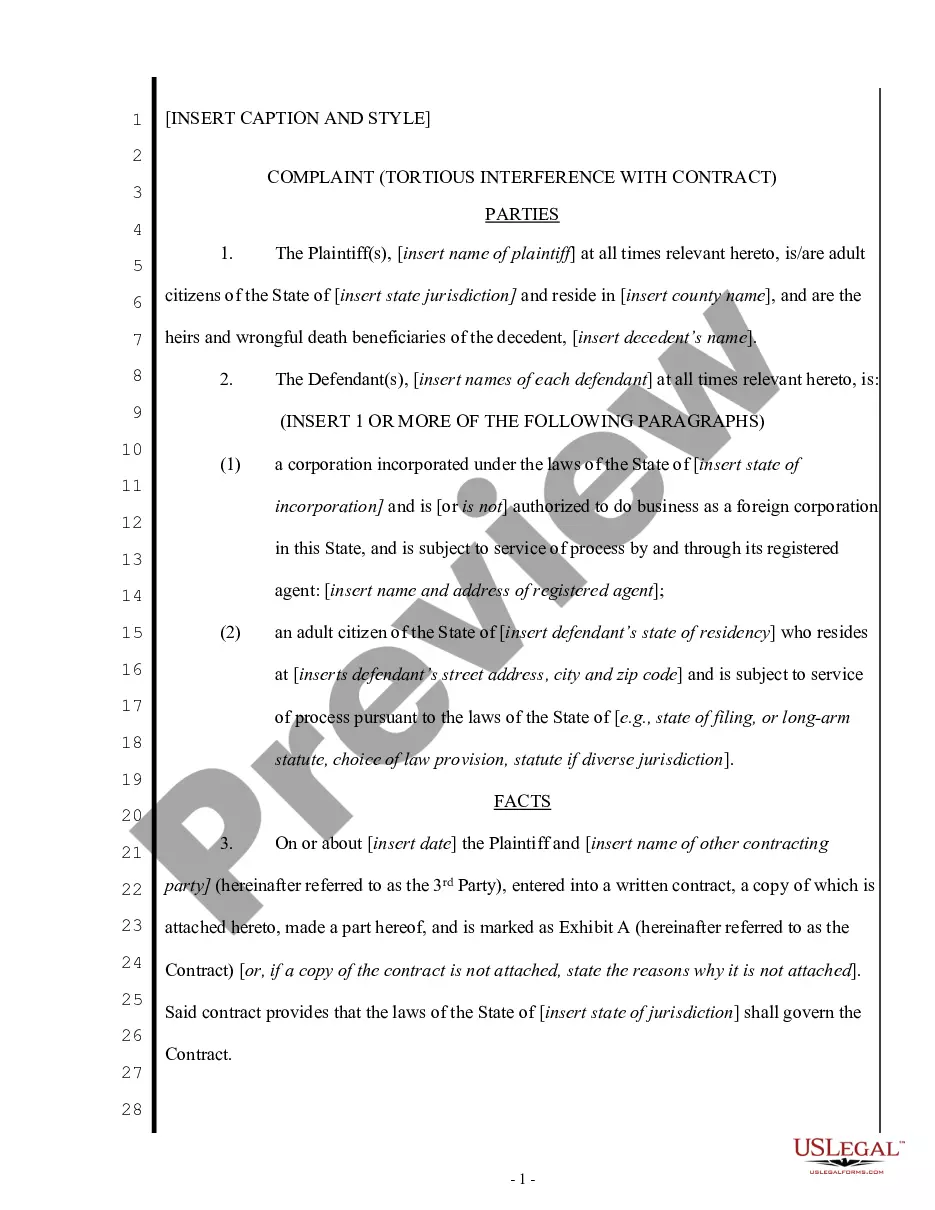
Get your form ready online
Our built-in tools help you complete, sign, share, and store your documents in one place.
Make edits, fill in missing information, and update formatting in US Legal Forms—just like you would in MS Word.
Download a copy, print it, send it by email, or mail it via USPS—whatever works best for your next step.
Sign and collect signatures with our SignNow integration. Send to multiple recipients, set reminders, and more. Go Premium to unlock E-Sign.
If this form requires notarization, complete it online through a secure video call—no need to meet a notary in person or wait for an appointment.
We protect your documents and personal data by following strict security and privacy standards.

Make edits, fill in missing information, and update formatting in US Legal Forms—just like you would in MS Word.

Download a copy, print it, send it by email, or mail it via USPS—whatever works best for your next step.

Sign and collect signatures with our SignNow integration. Send to multiple recipients, set reminders, and more. Go Premium to unlock E-Sign.

If this form requires notarization, complete it online through a secure video call—no need to meet a notary in person or wait for an appointment.

We protect your documents and personal data by following strict security and privacy standards.
Looking for another form?

Form popularity
FAQ
The local attorney must file a motion to have the out-of-state lawyer appear pro hac vice. It's up to the local court to grant the out-of-state attorney limited admission to appear on their client's behalf. There are costs and filing fees associated with the pro hac vice process.
While the attorney-client privilege is recognized in Indian law, its application and nuances are often subject to ambiguity and inconsistency. The Indian Evidence Act, 1872, provides some protection for attorney-client communications, but the rules lack specific guidelines, leading to uncertainty.
Although permitted to practice in India, foreign lawyers must fulfill the eligibility criteria laid down by the Bar Council of India. To be eligible to practice law in India, foreign lawyers with a degree: Must be eligible to practice in their country. Must register with the Bar Council of India.
Yes, he can. Advocate can also get registered with bar association of another state. Dear client, Yes, you can practice in a state other than where you are enrolled without transfer.
YES, lawyer enrolled in one state can represent the cases in different state. (iii) before any other authority or person before whom such advocate is by or under any law for the time being in force entitled to practise.
The most common way an out-of-state attorney can represent you is through “pro hac vice” admission. From the Latin meaning “for this occasion,” pro hac vice admission allows a lawyer to participate in a single case in a state where they're not licensed.
There are a few ways to find clients for lawyers: 1. Referrals from other lawyers 2. Referrals from satisfied clients 3. Advertising 4. Personal contact with potential clients 5. Professional directories
Ans. Yes, you can pursue LLM in the USA after completing your LLB in India. However, you must match the eligibility criteria of the university you choose.
Yes, India recognizes the concept of attorney-client privilege, which protects professional communications as well as work product created in anticipation of litigation.
A foreign lawyer cannot provide legal services in the United States without being admitted to at least one state's bar. Exceptions may exist in some states for example, where foreign lawyers may apply for a license as a foreign law consultant.